Lunar Disposal Guidelines Lacking as Crewed Landings Approach
As the US and China plan for crewed missions to the moon by 2030, concerns are growing about the lack of guidelines for disposing of space debris on the lunar surface.

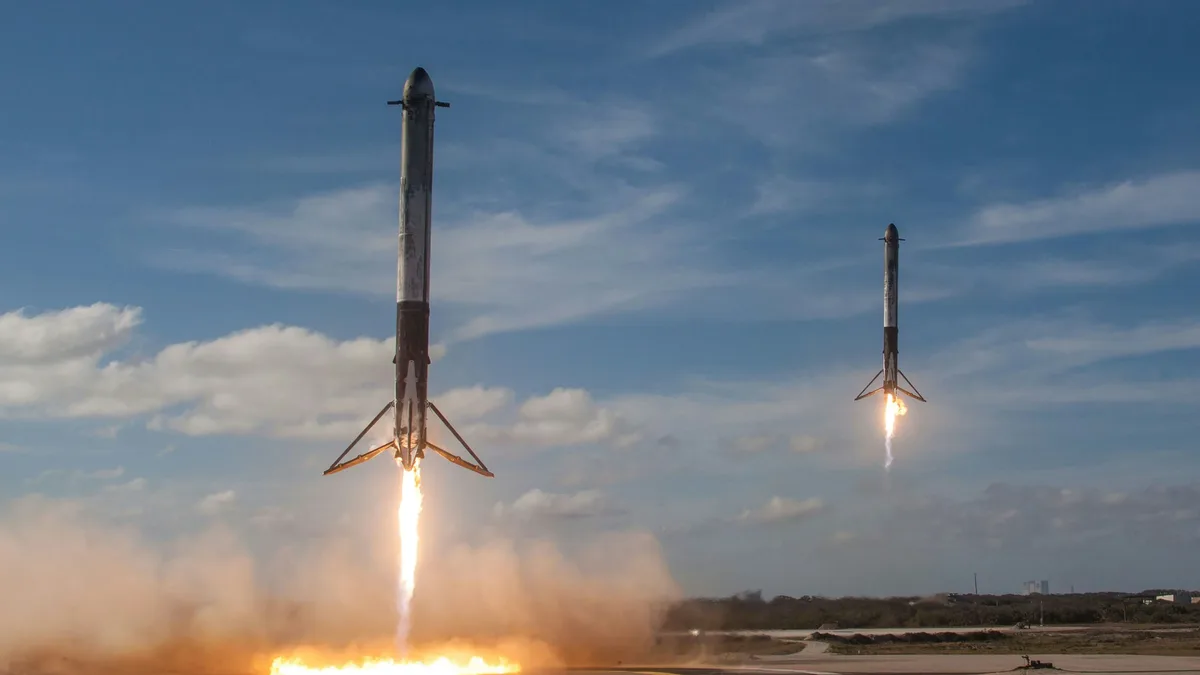
A recent incident in which a discarded SpaceX Falcon 9 upper stage crashed into the moon highlights the need for lunar disposal guidelines.
The upper stage, which had been drifting in space for 19 months, crashed into the lunar surface at 8,700 kilometers per hour. Although the impact occurred in an empty stretch of the lunar surface, approximately 900 kilometers away from any other structures, this may not always be the case.
By 2030, both the US and China anticipate crewed landings on the lunar surface. With only two to four years until those landings are scheduled to occur, there is minimal time to coordinate lunar safety guidelines to protect both robotic missions and human lives and infrastructure.
The current international guidelines for lunar disposal are the COSPAR planetary protection guidelines, which exist to limit biological and organic contamination of scientifically sensitive sites. However, these guidelines do not address the impact of uncontrolled landings.
Lunar surface disposal has substantial potential to impact surrounding operations. In addition to the risk of direct impact, the ejection of debris is a major risk. It is possible for debris to be ejected into cislunar orbit, and hazardous materials onboard are also a concern.
Although it seems doubtful that international legally-binding guidelines surrounding lunar disposal will develop soon, the topic is included in Artemis Accords Principle 12, and has received substantial attention from several nations with lunar capabilities.
## International Coordination Efforts
Several nations with lunar capabilities are working together to address the issue of lunar disposal. The UK Space Agency has provided an analysis of post-mission disposal options for three lunar orbits, finding that semi-controlled impact, heliocentric transfer and deep space transfer were lowest risk and cost.
JAXA has awarded ispace a contract to study private sector perspectives on lunar debris and disposal management. The South Korean government has sponsored multiple international events related to lunar coordination, and has broadly flagged cislunar space traffic coordination as an issue.
## Mitigating Harm from Cislunar Activity
Despite a lack of momentum toward a new legal framework, there are substantial mechanisms that can be taken now to mitigate harm from cislunar activity. International standards and technical bodies are key to encourage coordination, particularly with the inclusion of China and Russia in organizations such as the Inter-Agency Space Debris Coordinating Committee (IADC), International Standards Organization (ISO), Consultative Committee on Space Data Systems (CCSDS) and International Space Exploration Coordination Group (ISECG).
The IADC Space Debris Mitigation Guidelines, as well as the U.S. Orbital Debris Mitigation Standard Practices, notably have an xGEO and cislunar void in any basic guidance on disposal. Guidance on controlled disposals on the lunar surface could be a starting point, as could guidelines surrounding disposal of objects already on the lunar surface regarding passivation and human safety.
## Transparency and Data Collection
Transparency is also key to mitigating the harm from lunar activity. Artemis Accords signatories have agreed to submit additional registration parameters to the UN Office of Outer Space Affairs, including post-mission disposal plans. However, NASA has left many of the parameters in its lunar registrations as “Defer to Commercial Provider”, while simultaneously not providing an avenue for commercial providers to submit this missing information.
Data collection and data-sharing are of the utmost importance in better understanding the impacts of cislunar activity. South Korea’s Danuri spacecraft captured the SpaceX upper stage impact, providing crucial data. Ensuring the collection of data, including through the use of standardised sensor suites such as Stereo Cameras for Lunar Plume-Surface Studies (SCALPSS), and encouraging operators to share lessons learned internationally through venues such as standards bodies, COPUOS and the Artemis Accords will be vital to ensuring the safety and sustainability of lunar missions for all.