Lynk and Omnispace Merge to Advance Direct-to-Device Services
Elveo Mobile, the merged entity of Lynk Global and Omnispace, aims to expand direct-to-device (D2D) satellite services beyond basic messaging with the addition of globally coordinated S-band spectrum.
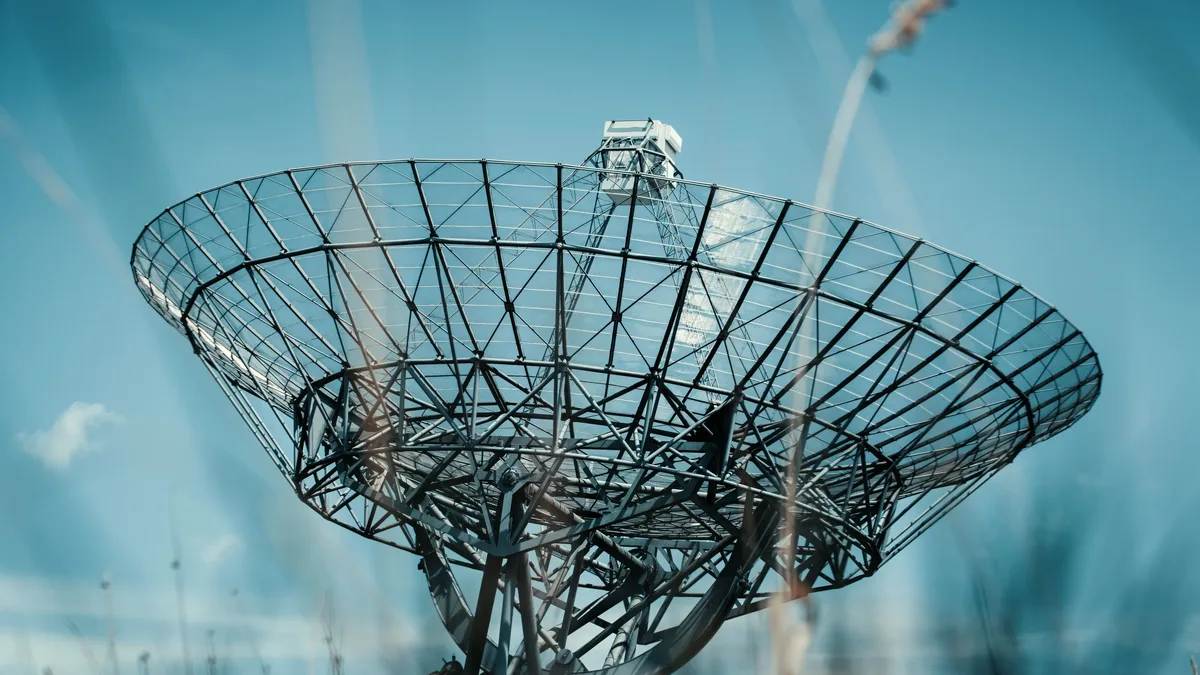
Elveo Mobile has been formed through the merger of Lynk Global and Omnispace, combining their respective strengths to advance direct-to-device (D2D) satellite services.
The companies have completed all necessary U.S. and foreign regulatory approvals to close the transaction, which was announced in October for undisclosed terms.
Elveo combines Omnispace’s 60 megahertz of S-band spectrum with Lynk’s D2D platform, which has been providing intermittent messaging and alert services across a small group of island nations after deploying seven small satellites.
Omnispace had previously planned to use the spectrum to provide D2D connectivity from more than 600 proposed satellites, but those efforts stalled after reporting interference from SpaceX’s D2D operations in the United States, where its Starlink Mobile service uses cellular frequencies from T-Mobile.
Lynk’s low Earth orbit network has also used cellular frequencies from mobile network operator (MNO) partners to date, but dedicated satellite spectrum could help support more bandwidth-heavy data applications, following similar moves from SpaceX and D2D rival AST SpaceMobile.
Despite its current reliance on cellular frequencies, Starlink Mobile has already branched out into over-the-top voice, video and certain data services with more than 650 D2D satellites in orbit. The company plans to start launching next-generation D2D satellites next year, using spectrum it is acquiring from EchoStar to deliver 5G-like speeds from space.
Elveo CEO Ramu Potarazu said the company plans to announce strategic partnerships and investments later this year, following “contractual agreements” with more than 50 MNOs operating in over 60 countries.
“We will be announcing strategic partnerships and MNO partnerships,” Potarazu added via email, “along with news regarding manufacturing and launch as we prepare to enable our next-generation service.”
Luxembourg-based multi-orbit operator SES had previously invested in both companies and remains one of the Washington, D.C.-headquartered venture’s leading shareholders.
Before the merger, Lynk had outlined plans to use SES satellites in geostationary and medium Earth orbit (MEO) to support global, continuous D2D services by 2027.
SES deployed a pair of pathfinders earlier this year to validate next-generation MEO technology, including an in-orbit relay capability compatible with Elveo’s network.
Potarazu said those two satellites are still in the testing phase.
Other Elveo investors include Fortress, Stepstone, Columbia Capital, Telcom Ventures and Blazar Ventures.
## Elveo’s Strategic Partnerships and Investments
Elveo CEO Ramu Potarazu has announced plans to announce strategic partnerships and investments later this year. The company has already secured contractual agreements with more than 50 mobile network operators (MNOs) operating in over 60 countries.
## Elveo’s Next-Generation Service
Elveo is preparing to enable its next-generation service, which will support more bandwidth-heavy data applications. The company plans to announce news regarding manufacturing and launch as part of this effort.
## Elveo’s Investors
Elveo has secured investments from a number of prominent investors, including Luxembourg-based multi-orbit operator SES, Fortress, Stepstone, Columbia Capital, Telcom Ventures and Blazar Ventures.