Launch
China's Landspace Recovers Booster with Second Orbital Launch of Zhuque-3 Rocket
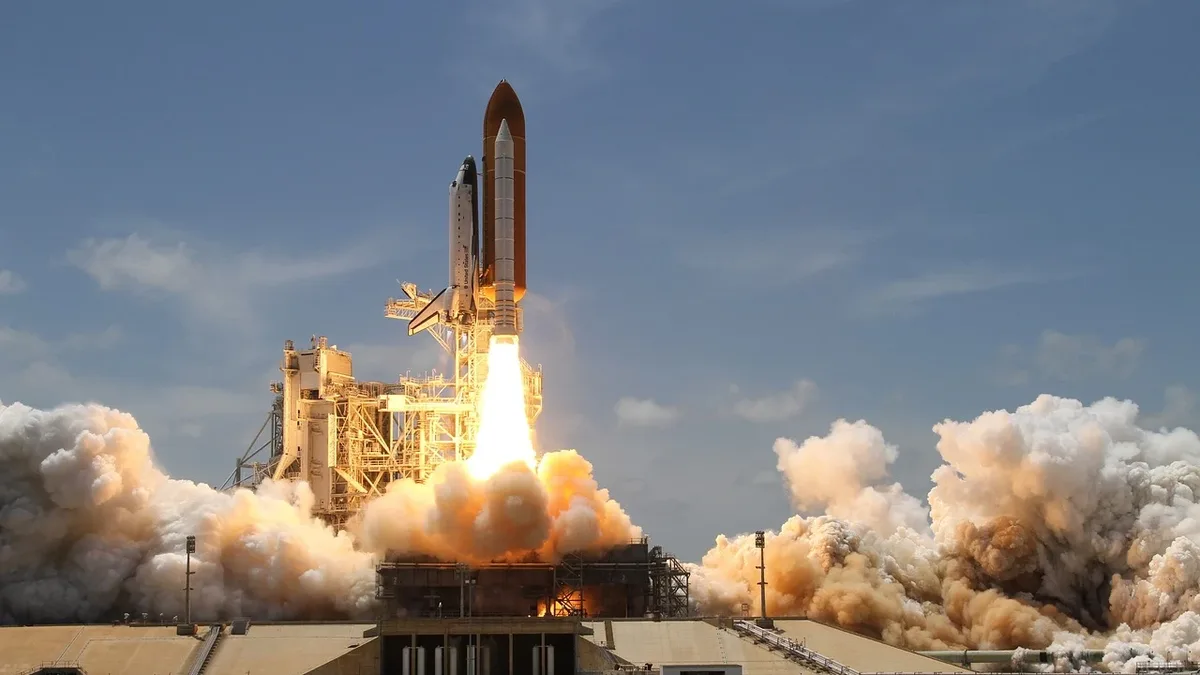
Landspace successfully landed the first stage of its Zhuque-3 rocket following the second launch of the rocket from the Gobi Desert.
Staff reporter at Burn and Coast, covering Space Tech.
Landspace successfully landed the first stage of its Zhuque-3 rocket following the second launch of the rocket from the Gobi Desert.
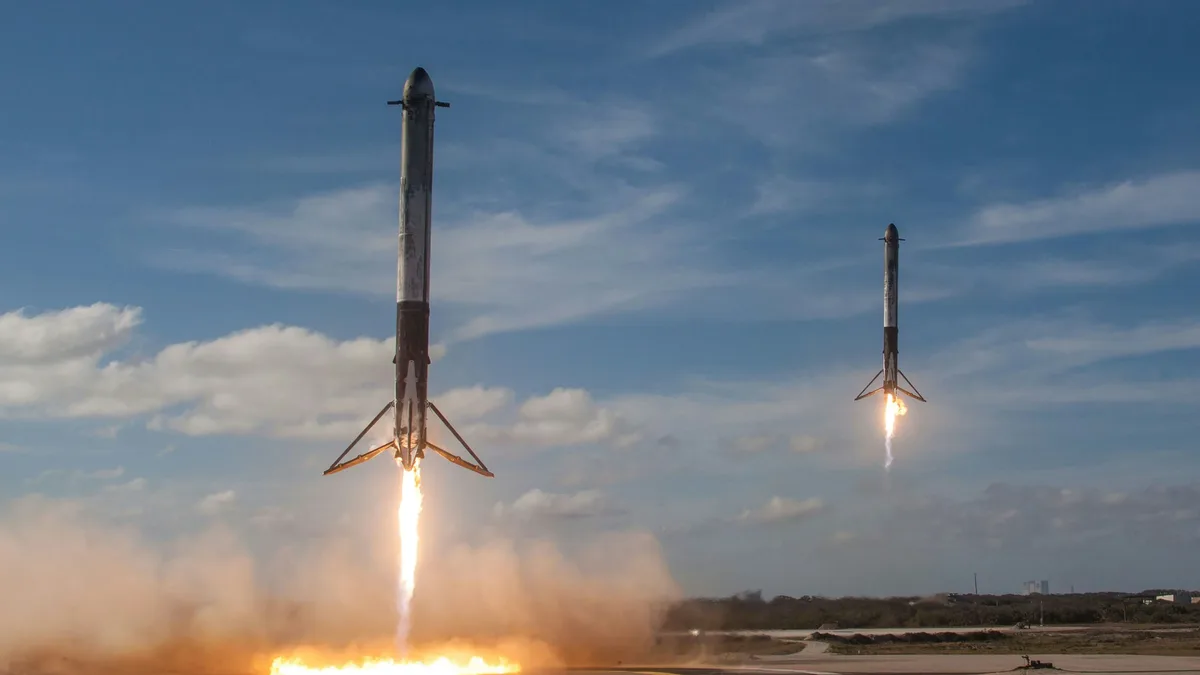
Rocket Lab plans to use one of its Photon spacecraft for an in-orbit demonstration of the U.S. Space Force's Space Data Network in 2027.

Elveo Mobile, the merged entity of Lynk Global and Omnispace, aims to expand direct-to-device (D2D) satellite services beyond basic messaging with the addition of globally coordinated S-band spectrum.
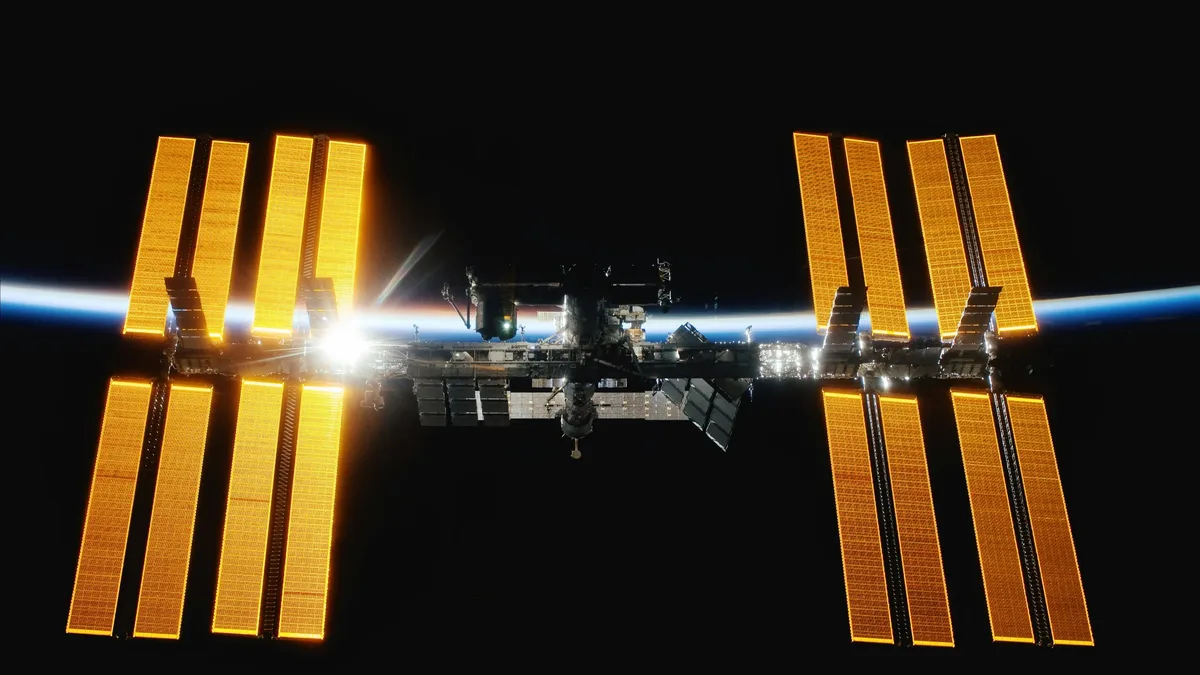
Industry officials say space nuclear programs are experiencing a moment of growth, but face near-term challenges and longer-term concerns.
A new analysis reveals the Trump administration's proposed 120% increase in Space Force funding is concentrated in classified programs, moving-target tracking, missile warning, and command-and-control initiatives. The $71.3 billion request faces uncertainty but signals long-term priorities.
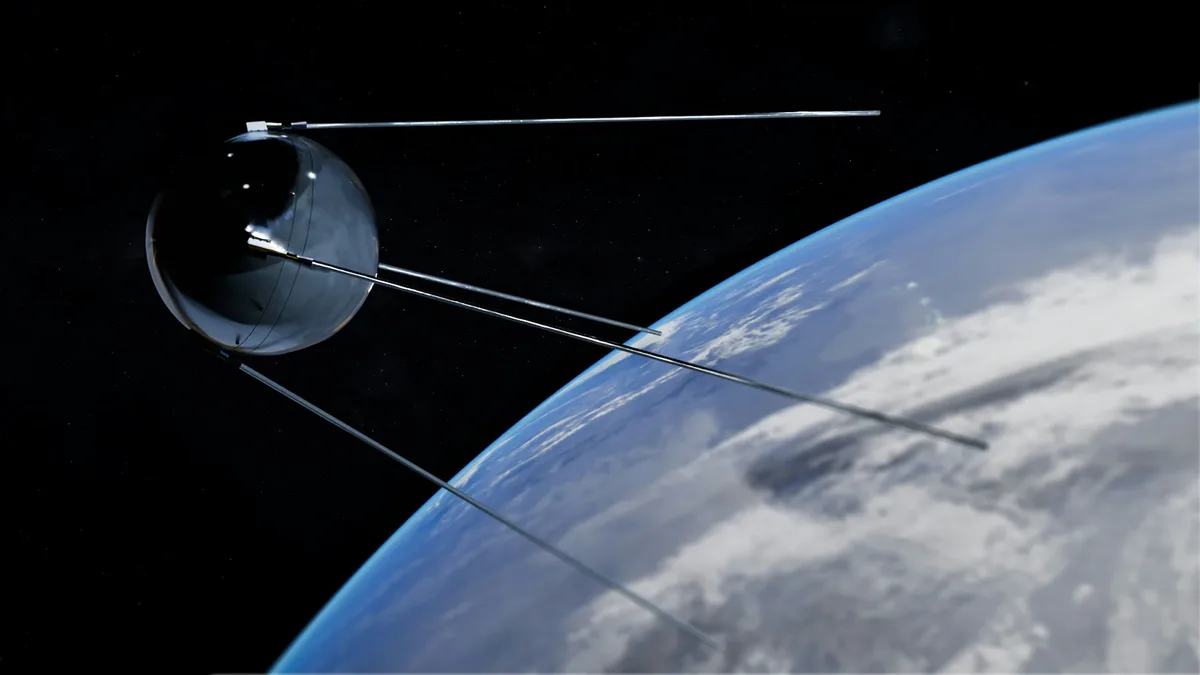
The National Reconnaissance Office has awarded HawkEye 360 a new contract to provide commercial radio-frequency intelligence, marking the next stage of an effort to supplement government intelligence systems with commercially operated satellites.
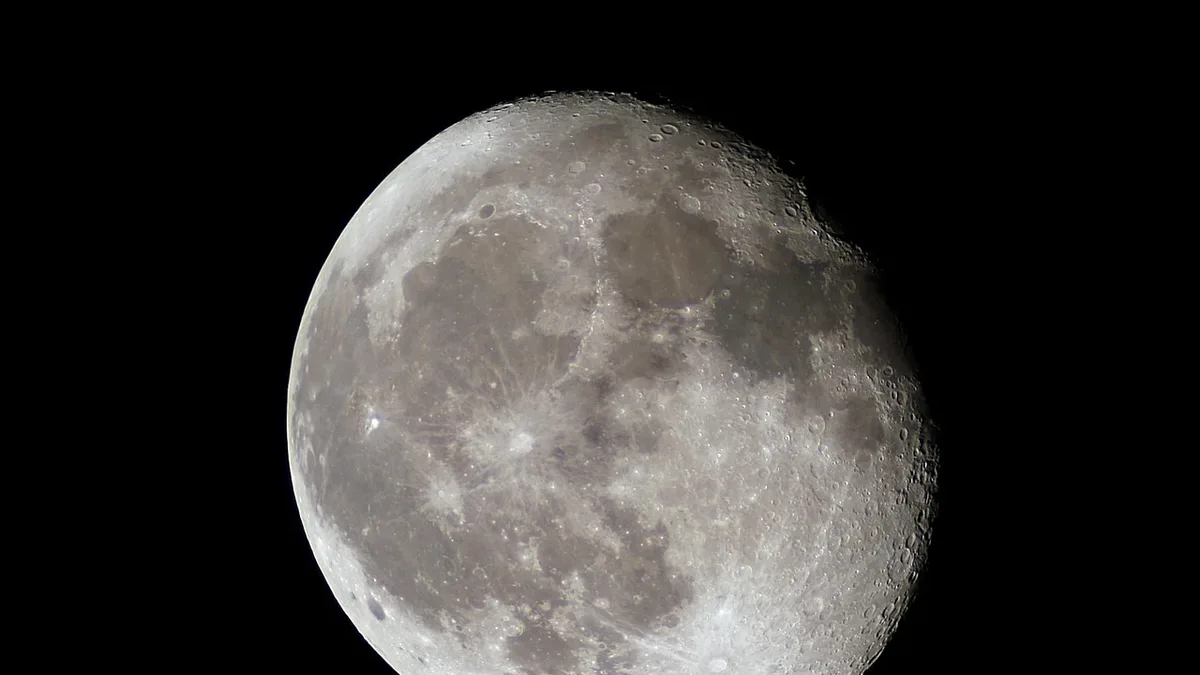
Eoptic, Inc. has been selected as an approved supplier for strategic space imaging initiatives, with multiple DeepScan imaging payloads scheduled for delivery and launch in early 2027.

Australian company HEO has signed an agreement with Planet to access the latter's high-resolution SkySat satellites for non-Earth imaging, expanding its capabilities in space object observation.
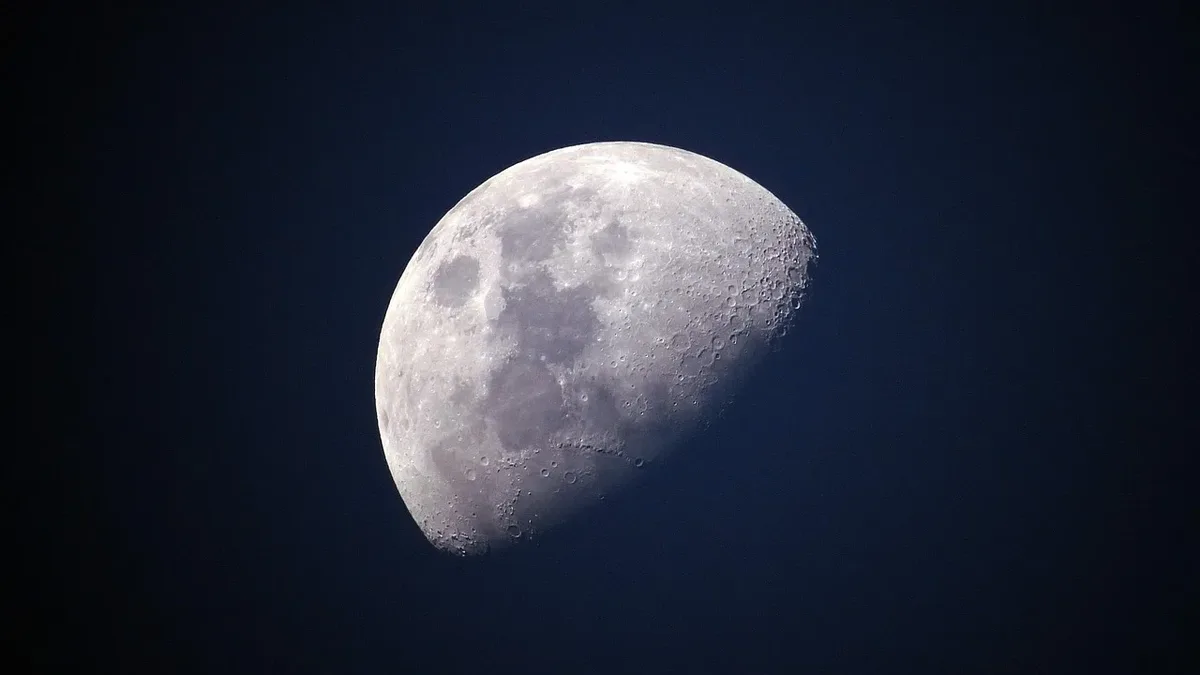
As the US and China plan for crewed missions to the moon by 2030, concerns are growing about the lack of guidelines for disposing of space debris on the lunar surface.
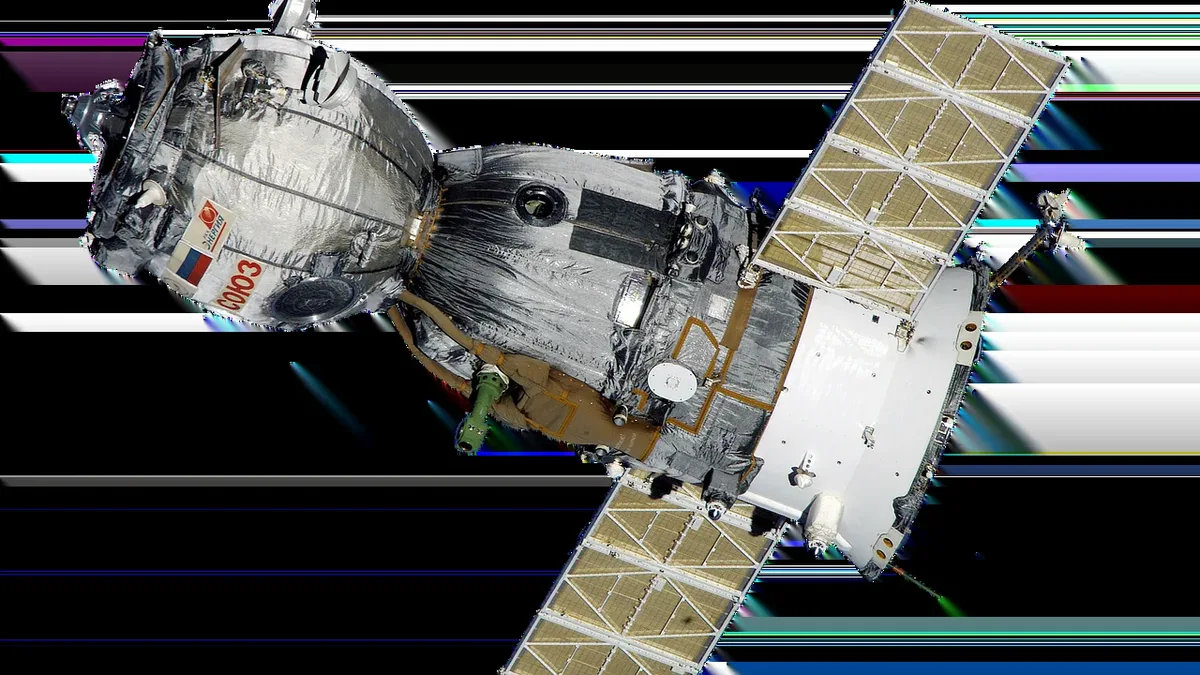
The European Union has imposed sanctions on five Russian defense industry executives, including the head of a Roscosmos subsidiary developing a synthetic aperture radar satellite system for the Russian military.
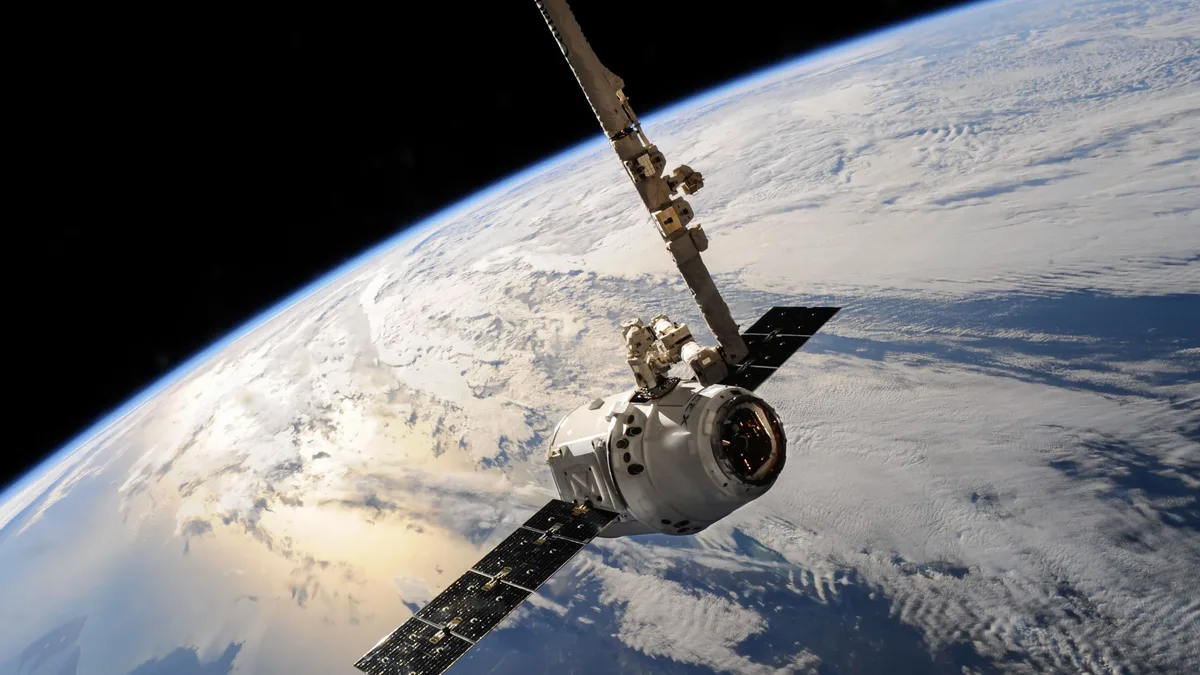
China's Long March 12 rocket successfully launched a batch of Guowang megaconstellation satellites and the UAE's SEO satellite, despite a recent failure of a Long March 7A rocket.
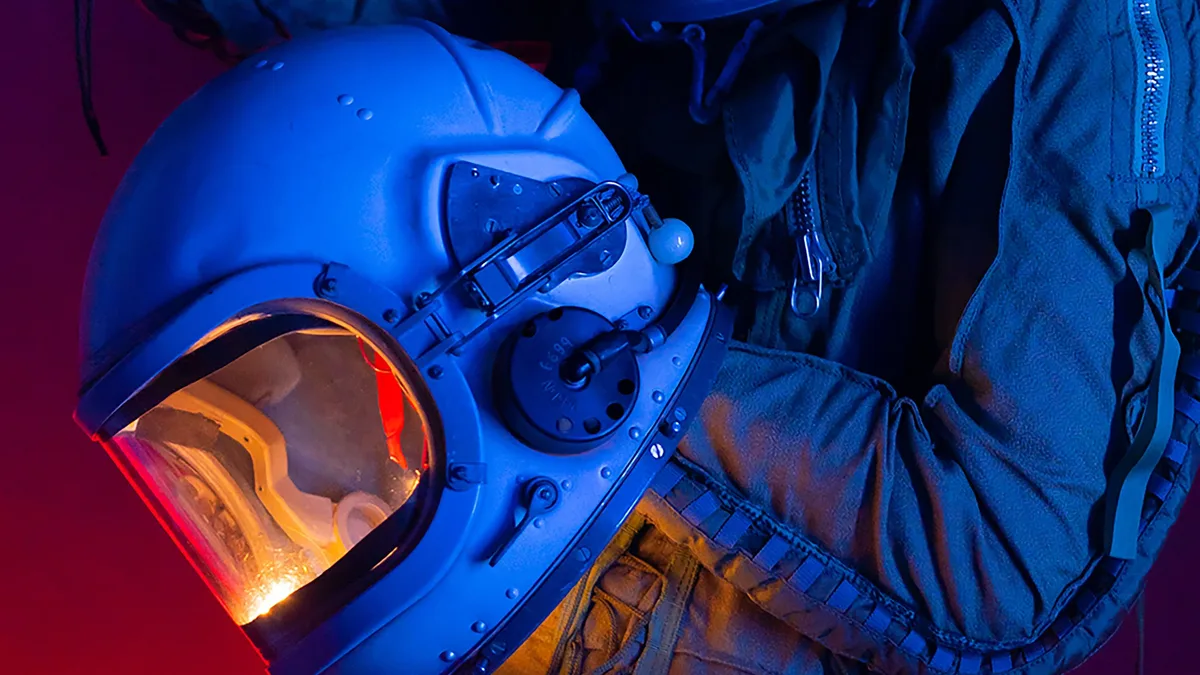
The International Astronautical Congress (IAC) is set to take place in Antalya, Türkiye from 5 - 9 October 2026, marking the first time in history that the event will be hosted in Türkiye.

United Launch Alliance (ULA) has named Mark Peller as its new chief executive, effective immediately. Peller has been with ULA and related companies for over 35 years and has a background in both ULA's business and technical offerings.

SEOPS announced a second Waymaker rideshare flight, Waymaker-1, targeting a mid-inclination orbit in early 2028, complementing the already-planned Waymaker-2 to sun-synchronous orbit later that year. The move responds to growing demand and uncertainty around SpaceX’s upcoming rideshare schedule.

L3Harris Technologies has named Sam Mehta, head of its Space & Mission Systems division, as chief executive following the immediate resignation of Christopher Kubasik over conduct concerns. The move comes as the company reshapes its business units and prepares for increased Pentagon spending on missile defense and space programs.
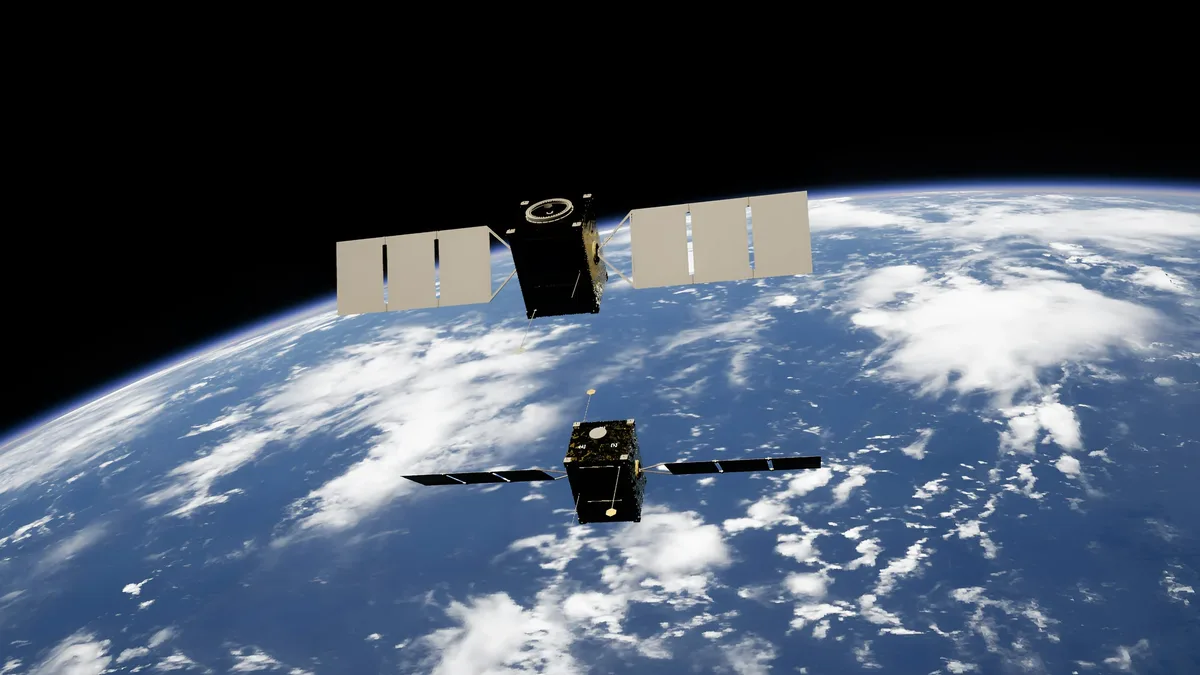
Amid a constrained launch market, satellite operators are emphasizing to investors and customers that they have secured launch capacity, even if it is uncertain when those vehicles will be available.

The U.S. Space Force has completed the deployment of a second space-surveillance sensor aboard a Japanese navigation satellite, expanding its ability to monitor objects in geosynchronous orbit.
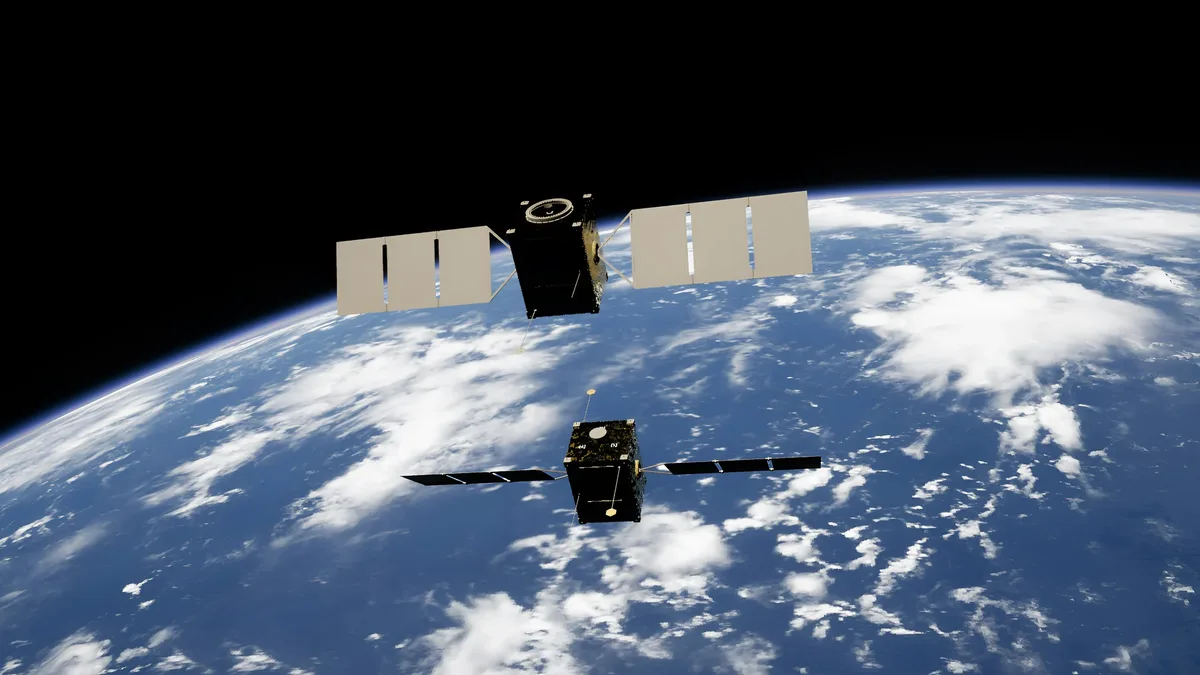
The National Oceanic and Atmospheric Administration has awarded contracts to Spire Global and PlanetiQ to provide radio occultation data for terrestrial and space weather forecasts.

As companies like Firefly Aerospace and Rocket Lab plan to launch more missions from Wallops Island, Virginia, the facility is working to improve its infrastructure and prepare for the expected surge in activity.
The U.S. Defense Innovation Unit and the Space Development Agency have selected three companies to study options for providing satellite deorbiting services to the U.S. government.

NASA plans to award three more lunar missions this year through the Commercial Lunar Payload Services (CLPS) program, including a lunar orbiter that would replace the Lunar Reconnaissance Orbiter.