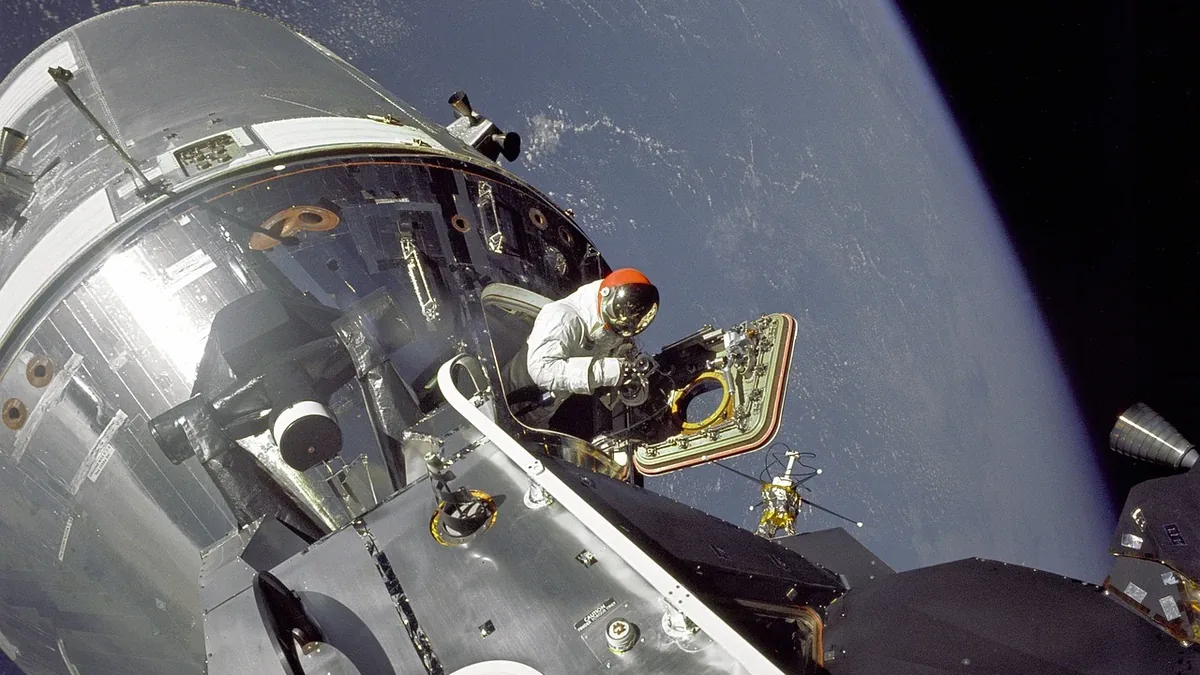
Esa Astronaut Corps And The 2022 Class
| Original use | Human spaceflight and scientific research |
|---|---|
| First selected | 2022 |
| Number selected | 5 |
| Selection process | Multi-stage (psychological, medical, technical tests) |
| Member nationalities | Multiple ESA member states |
| Training base | European Astronaut Centre (EAC), Cologne, Germany |
| Vehicle for first flight | Not yet assigned (varies by mission) |
| Payload specialism | Scientific experimentation and ISS operations |
Origin and history
The European Space Agency (ESA) Astronaut Corps was established in the late 1970s, following the creation of ESA itself earlier that decade. It is a multinational corps, originating from and funded by ESA's member states across Europe. The corps' formation enabled Europe to select and train its own astronauts for missions primarily aboard the U.S. Space Shuttle and, later, to the International Space Station (ISS). The 2022 astronaut class refers to the group of candidates selected by ESA following a recruitment process that concluded in 2022. This selection campaign was launched by ESA in 2021 and represented the first new astronaut recruitment drive by the agency in over a decade. The process aimed to expand the existing corps and create a reserve pool of astronauts for future missions.
What it is for
The primary purpose of the ESA Astronaut Corps is to provide qualified European personnel for human spaceflight missions. These astronauts conduct scientific experiments and operational tasks in the unique environment of space, primarily aboard the ISS. The corps exists to fulfill Europe's commitments to international space partnerships and to ensure European participation in human exploration. The selection of the 2022 class specifically serves to replenish and expand the active astronaut roster as veteran astronauts retire. Members of this new class are being prepared for missions to the ISS and for prospective future missions, such as those to the Lunar Gateway or beyond. The corps also includes reserve astronauts from the 2022 selection who remain in their professional careers but are available for future mission calls.
Overview
The ESA Astronaut Corps consists of active astronauts, reserve astronauts, and an astronaut from the 2022 class selected with a physical disability for a feasibility project. The 2022 selection process resulted in the choice of five career astronauts and 12 members of an astronaut reserve pool. These individuals were chosen from over 22,500 applicants across ESA member states, making it a highly competitive process. The new career astronauts immediately began a multi-year basic training program at the European Astronaut Centre in Cologne, Germany. This training encompasses spacecraft systems, robotics, spacewalking, scientific procedures, and language skills. The corps operates as an integral part of the larger international human spaceflight community, with its astronauts relying on vehicles and launch infrastructure provided by international partners.
What to know
Astronauts from the ESA corps do not launch on European rockets, as Europe does not currently possess a human-rated launch vehicle. They typically launch to the ISS aboard spacecraft like the SpaceX Crew Dragon or, historically, the Russian Soyuz, from launch sites in the United States or Kazakhstan. The payload in this context is the astronauts themselves, along with any specific European equipment or experiments they are tasked with managing during their ascent. Launch windows for missions carrying ESA astronauts are complex calculations based on orbital mechanics to ensure rendezvous with the ISS, and are typically narrow, precise timeframes. The vehicle, payload, and window are all determined through international agreements between ESA and its partner agencies, primarily NASA. A mission is only possible when a suitable vehicle is available, the astronauts are fully trained, and the orbital window aligns for the intended destination.
Common questions
A common question is whether ESA astronauts will fly on European rockets, which is not currently possible as the Ariane 5 and Ariane 6 are not designed for human spaceflight. People often ask how astronauts are assigned to specific missions, which involves a combination of crew composition requirements, individual training progress, and operational needs set years in advance. Many inquire about the difference between a career astronaut and a reserve astronaut, with the latter maintaining their ground-based jobs while being on call for potential future mission opportunities. Questions frequently arise about the selection criteria, which include advanced scientific or medical education, operational experience, psychological resilience, and language proficiency. Another common area of inquiry is the length of training, which spans approximately two years of basic training before assignment to a specific mission, which then entails another two to three years of incremental training. People also ask about the long-term career path, which may involve multiple spaceflights, leadership roles within the corps, or public outreach and administrative duties.
Pros and cons
A notable con is the extreme rarity of actual flight opportunities; astronauts may train for many years before receiving a single flight assignment, and some may never fly at all. The career can involve long periods of separation from family, intense public scrutiny, and the inherent physical and psychological risks associated with spaceflight. A common regret or point of frustration for some selected astronauts is the lengthy and uncertain wait for a mission assignment after completing arduous training. The highly specialized career path can also make transitioning to a non-spaceflight career later in life challenging for some individuals.
Who it suits
This career path suits individuals with exceptional academic backgrounds in STEM or medical fields, coupled with demonstrated operational experience such as piloting, diving, or fieldwork in extreme environments. It is suited for those who possess high stress tolerance, mental resilience, and the ability to function effectively in a tightly-knit, multicultural team for extended periods. The role suits individuals comfortable with a high degree of public visibility and the responsibility of being a representative for European science and cooperation. It is appropriate for people who are willing to accept a career where personal agency is limited, as mission assignments and timelines are dictated by international agreements and budgetary decisions far beyond an individual's control. The reserve astronaut role particularly suits professionals who wish to remain active in their current field while being available for a potential future spaceflight opportunity.
Latest Esa Astronaut Corps And The 2022 Class news
Latest reporting
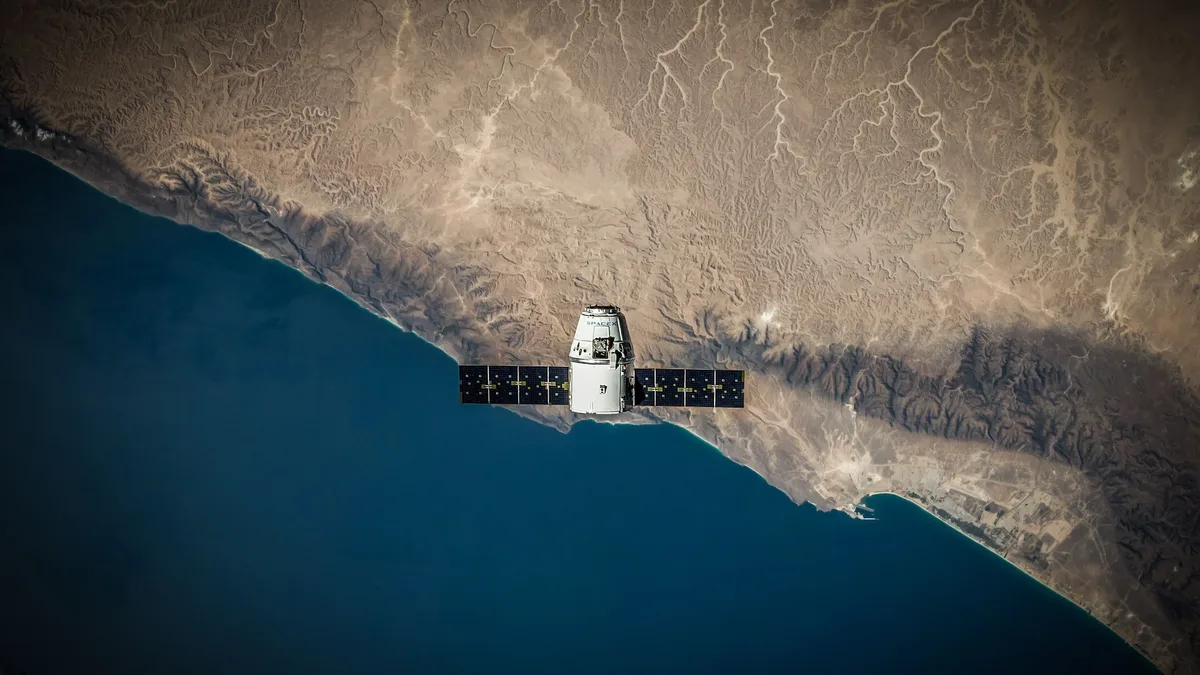
York Space Systems Unveils VLEO LX/V-Class Satellite
York Space Systems has introduced a new satellite platform, the LX/V-Class, designed for sustained Very Low Earth Orbit missions down to 200 km.
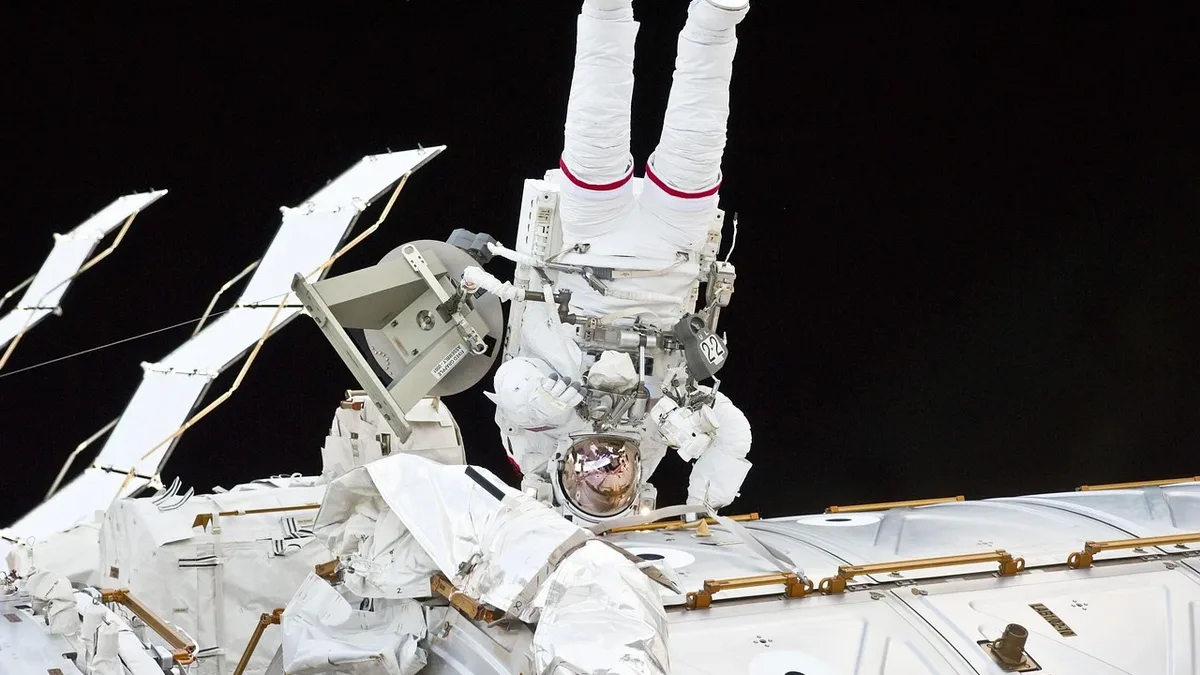
ISS Crew Completes Antenna Repair Spacewalk
NASA astronaut Anil Menon and ESA astronaut Sophie Adenot successfully installed a replacement for the failed Space-to-Ground Antenna 2 on August 25
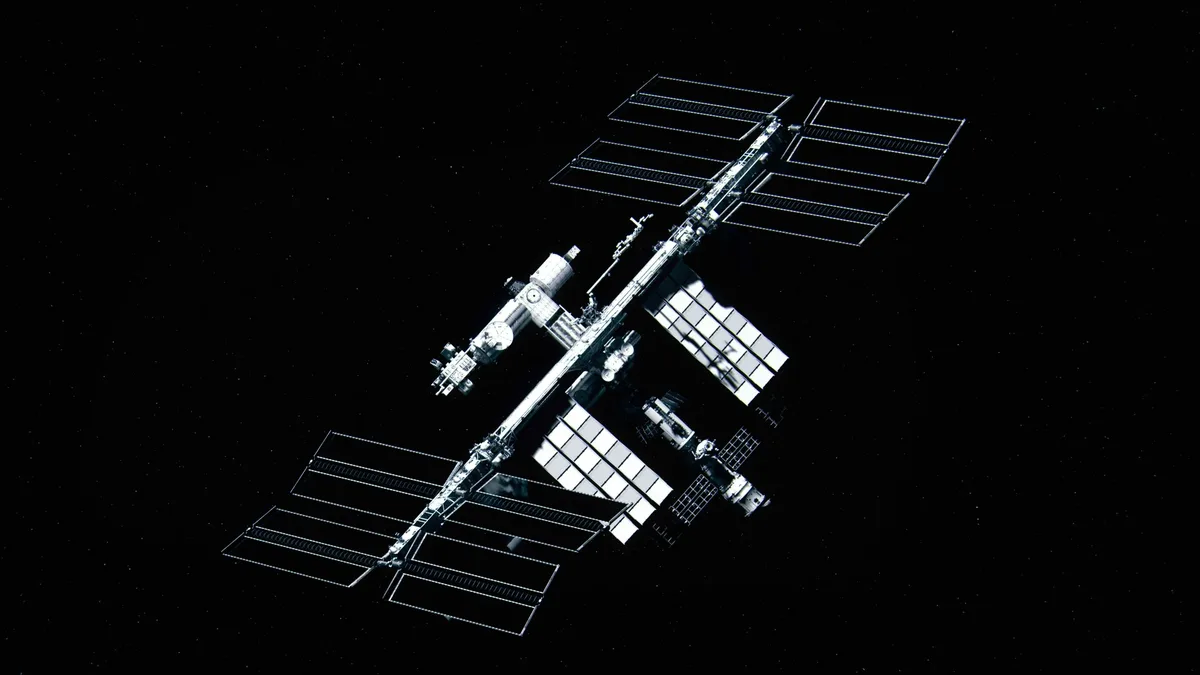
ESA Astronaut Completes Third Test of EuroSuit Prototype Aboard ISS
ESA astronaut Sophie Adenot has completed a third and likely final test of EuroSuit, a European intravehicular activity (IVA) spacesuit prototype...