Commercial Crew And Private Missions
| Vehicle | SpaceX Crew Dragon, Boeing CST-100 Starliner, Sierra Space Dream Chaser |
|---|---|
| Country of origin | United States |
| Original use | Transporting crew to the International Space Station |
| Operator | NASA (contracting agency), private companies (vehicle operators) |
| Launch site | Kennedy Space Center, Cape Canaveral Space Force Station |
| Payload capacity | Crew (typically 4 to 7 astronauts) |
Origin and history
The concept of Commercial Crew and Private Missions originates from the United States, with its policy foundations established in the first decade of the 21st century. This shift was a direct response to the retirement of the Space Shuttle program, which created a need for new transportation methods to the International Space Station. The formal Commercial Crew Program, managed by NASA, was initiated in the 2010s to procure crew transportation services from private industry. Concurrently, the broader ecosystem for fully private missions, not directly contracted by government space agencies, began to develop in the same period. This model represented a fundamental change from government-owned and operated spacecraft to a service-buying approach. The historical context includes earlier precedents like commercial satellite launches, but the extension to human spaceflight and private orbital habitats marked a new phase.
What it is for
The primary purpose of Commercial Crew programs is to provide safe, reliable, and cost-effective astronaut transportation to and from the International Space Station under NASA contract. These missions ensure a continuous American human spaceflight capability and maintain a permanent crew aboard the orbiting laboratory. Private missions, distinct from Commercial Crew, serve a wider array of objectives not directed by a government agency's core requirements. They are conducted for purposes such as orbital tourism, private research and technology demonstrations, commercial space station development, and media or artistic projects. This model allows entities other than nation-states to access low-Earth orbit for their own goals. Ultimately, the framework is designed to stimulate a commercial economy in space by creating a market for human spaceflight services.
Overview
A Commercial Crew or Private Mission involves a launch vehicle, a crew spacecraft, and a specific launch window determined by orbital mechanics. The vehicle is typically a multi-stage rocket, such as the Falcon 9 or Atlas V, which provides the thrust to escape Earth's gravity. The payload in this context is the crew spacecraft itself, like the Crew Dragon or CST-100 Starliner, which houses the astronauts and any additional cargo. The launch window is a precisely calculated time period during which the spacecraft can launch to achieve the correct orbital trajectory for rendezvous with its target, such as the ISS. Mission profiles include docking operations, a period spent in orbit ranging from days to months, and a protected re-entry and landing phase. Ground support, mission control, and recovery teams are integral to the operation, though for private missions these functions may be managed by the commercial provider.
What to know
Crew members on these missions undergo extensive training for both nominal operations and emergency scenarios, which can last many months. The spacecraft are designed with abort systems to pull the crew capsule away from the rocket in case of a launch failure. Life support systems within the crew capsule are closed-loop, recycling air and water for the duration of the mission. Communication networks, including tracking and data relay satellites, are essential for constant contact between the spacecraft and mission control. All missions must comply with stringent spaceflight safety regulations and receive necessary licenses from authorities like the Federal Aviation Administration. The financial model differs, with Commercial Crew missions being fixed-price service contracts, while private missions are directly funded by private individuals, companies, or through sponsorships.
Common questions
What is the difference between Commercial Crew and a private mission? Commercial Crew refers specifically to NASA-contracted flights to the ISS, while a private mission is independently conceived and funded. How are astronauts selected for private missions? Participants are often non-professional astronauts, such as paying customers or representatives of the funding entity, who must pass medical and basic training. Are these missions as safe as government ones? They are subject to similar rigorous safety standards, but the operational history is shorter compared to legacy government programs. Can private missions go to the International Space Station? Yes, but they require a separate commercial agreement with the agency operating the station and must use a compatible spacecraft. Who insures these flights? Liability and insurance are complex aspects, typically covered by the service provider and involving specialized space insurance markets. What happens during a launch scrub? Launches are frequently delayed due to weather or technical issues, requiring the vehicle to be safed and reset for the next available window.
Pros and cons
A significant pro is the reduction in costs to taxpayers through fixed-price contracts and competition, compared to traditional cost-plus government programs. This model has also accelerated innovation and development cycles within the aerospace industry. A clear con is the inherent risk in relying on newer spacecraft with less flight heritage, potentially leading to schedule delays and technical uncertainties. Participants in private missions may regret the substantial financial expenditure for a relatively short duration in space, with costs reaching hundreds of millions for dedicated flights. A common mistake is underestimating the physical and psychological demands of spaceflight, even for short-duration private missions, which require rigorous preparation. The focus on low-Earth orbit tourism has also drawn criticism for potentially diverting attention and resources from deeper space exploration goals.
Who it suits
Commercial Crew services suit government space agencies, primarily NASA, that require routine, cost-effective transportation to orbital destinations like the ISS. This model also suits the aerospace companies that compete for and execute these contracts, building their operational experience. Private missions suit high-net-worth individuals or teams funding their own orbital experiences for tourism, research, or publicity. They are suited for commercial entities aiming to demonstrate technologies, conduct scientific research in microgravity, or develop commercial space stations. Media production companies or artists seeking a unique environment for projects may also find this model suitable. This framework is less suited for entities requiring highly customized, one-off deep space missions, which currently remain the domain of large government programs.
Latest Commercial Crew And Private Missions news
Latest reporting

Xona secures $250M Series D to accelerate Pulsar GPS constellation
Xona Space Systems raised $250 million in a Series D funding round, valuing the company at $2.45 billion. The capital will accelerate production of...
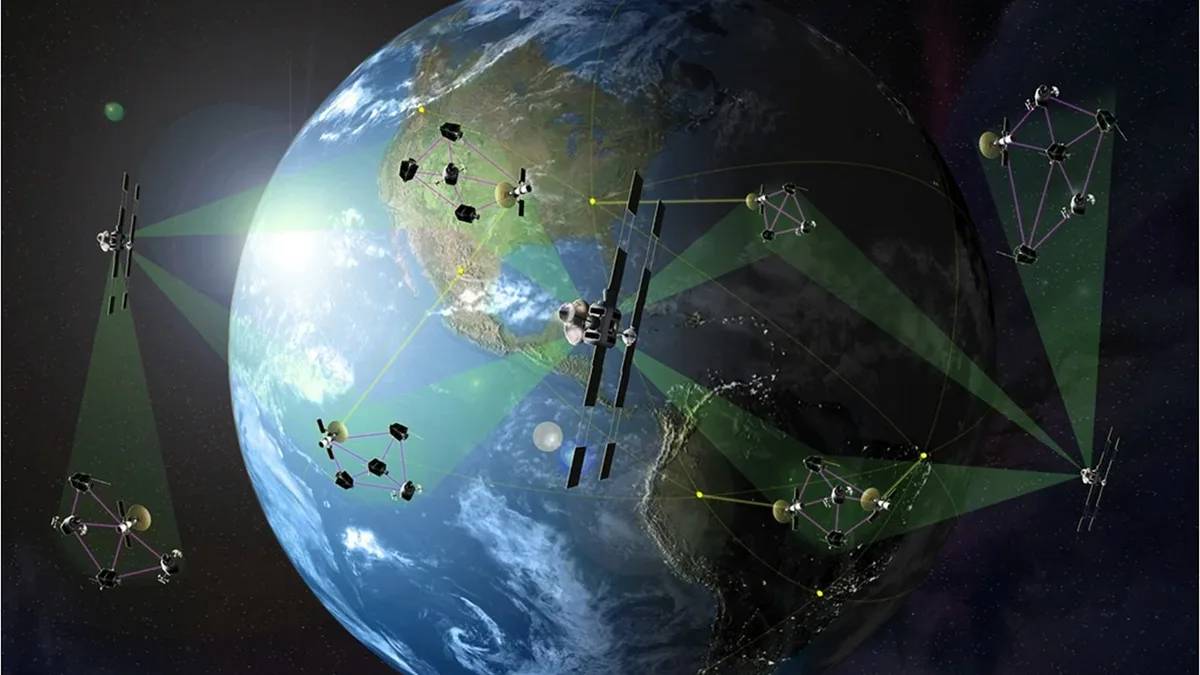
HawkEye 360 Demonstrates Satellite RF Detection Across LEO, MEO and GEO
HawkEye 360 successfully tested its commercial RF-sensing satellites to detect signals from spacecraft in LEO, MEO, and GEO under a $1.2 million AFRL...
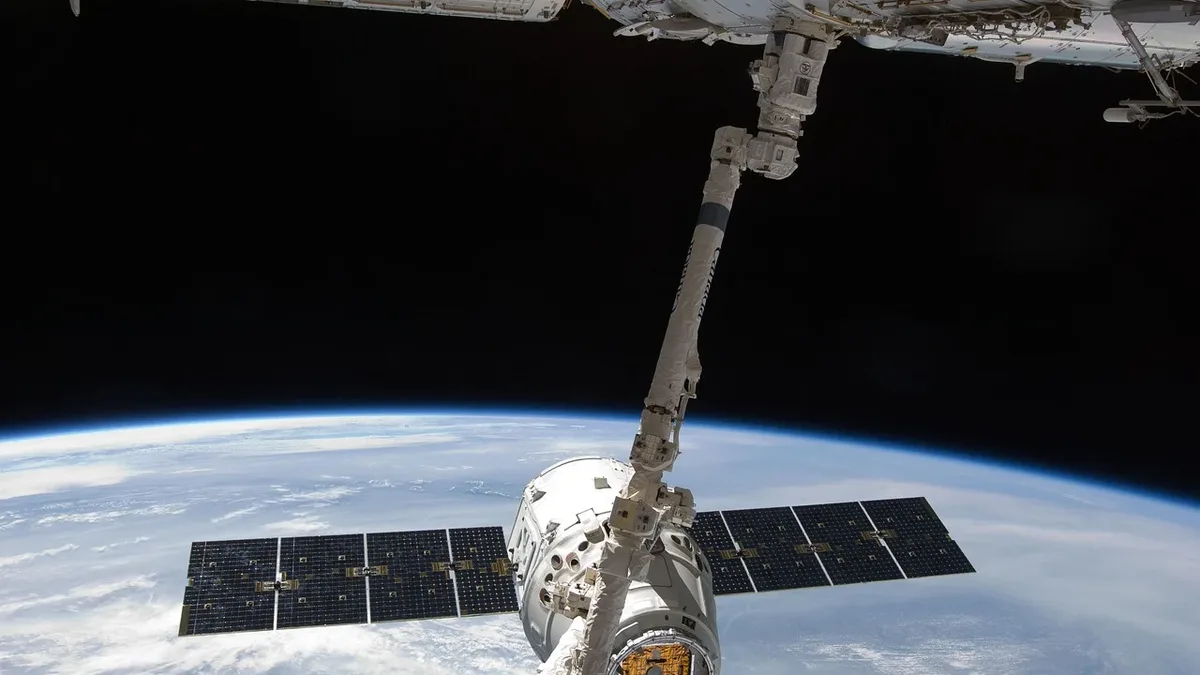
Crew-12 Undocking Targeted for October 7, 2026
NASA and SpaceX are targeting no earlier than 1:05 a.m. EDT on Oct. 7, 2026, for the Crew-12 mission's undocking from the ISS, with splashdown...

European Space Startups Secure Major Contracts in Paris
European space startups secured major commercial, civil, and defense contracts at recent Paris summits.
European Telcos Split on Satellite D2D Value at World Space Business Week
Major European mobile network operators debated the commercial value of satellite direct-to-device services at World Space Business Week.

Amazon Leo orders six more Ariane 64 launches
Amazon Leo has ordered six additional Ariane 64 launches from Arianespace, expanding its total commitment from 18 to 24 missions.