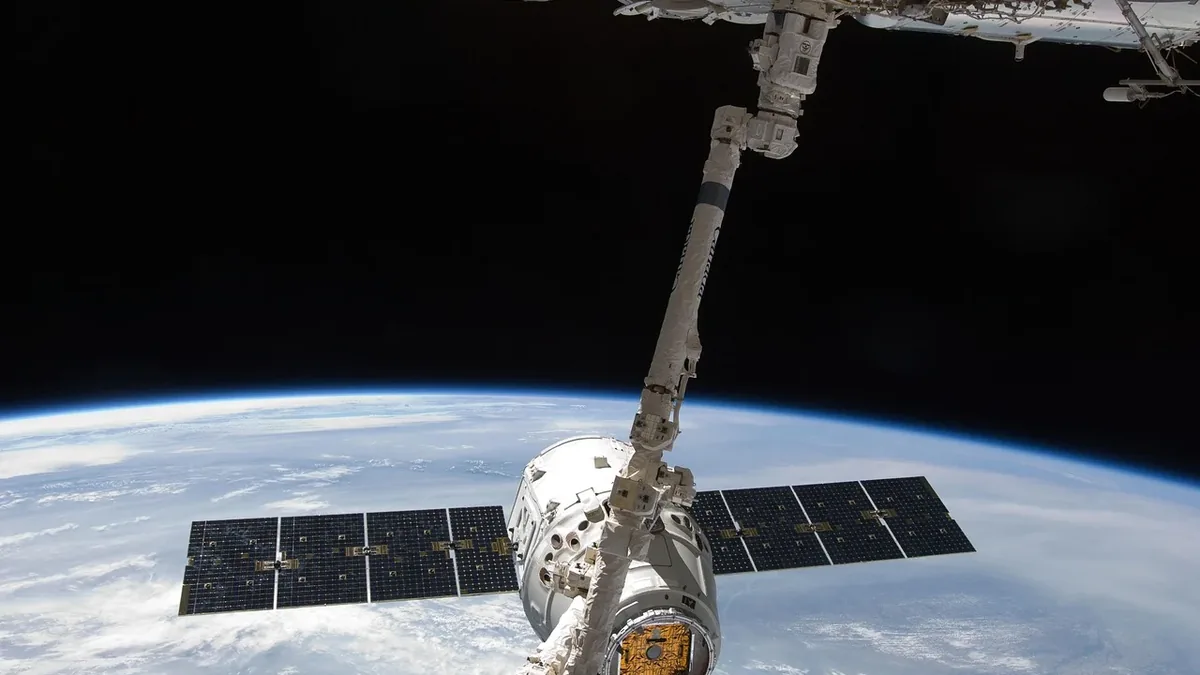
Cargo And Resupply To Low Earth Orbit
| Vehicle | Name of the launch vehicle (e.g., Falcon 9, Soyuz-2.1a, Antares) |
|---|---|
| Payload | Primary cargo spacecraft (e.g., Dragon, Cygnus, Progress, HTV) |
| Operator | Company or agency conducting the launch (e.g., SpaceX, Roscosmos, Northrop Grumman) |
| Destination | The orbital destination (e.g., International Space Station) |
| Launch site | Primary launch facility (e.g., Cape Canaveral, Baikonur Cosmodrome) |
| Original use | Designed for resupply of crewed space stations |
| First launched | Decade of first orbital launch (e.g., 2010s, 1970s) |
Origin and history
The systematic cargo and resupply of low Earth orbit is a capability developed primarily by the United States and Russia, originating in the latter half of the 20th century. The first dedicated cargo spacecraft, the uncrewed Progress vehicle, was developed by the Soviet Union and first launched in the late 1970s to resupply the Salyut space stations. The United States developed its own resupply capacity through the Space Shuttle program, which began operational flights in the early 1980s and could deliver large payloads and return cargo to Earth. The retirement of the Space Shuttle in 2011 created a significant gap in U.S. cargo capability, which was filled by the development of commercial resupply services contracts awarded by NASA in the late 2000s. This era saw the development of new, privately-operated cargo spacecraft like SpaceX's Dragon and Orbital Sciences' Cygnus. The establishment of the International Space Station in the 1990s and its continuous habitation since 2000 provided the sustained demand that standardized and regularized cargo and resupply missions as a core spaceflight activity.
What it is for
Cargo and resupply missions to low Earth orbit are fundamentally for sustaining human activity and scientific research in space by delivering critical materials. Their primary purpose is to transport consumables such as food, water, and breathable air for astronaut crews aboard space stations. They deliver scientific payloads, including materials for experiments in microgravity across disciplines like biology, fluid physics, and materials science. These missions also carry replacement parts, tools, and hardware necessary for maintaining and upgrading orbital infrastructure, such as station modules or external instruments. Another key function is the delivery of new hardware for technology demonstrations that test systems for future deep space exploration. Finally, these missions often serve as the means to send up personal items for crew morale and clothing, completing the logistical chain required for extended human presence in orbit.
Overview
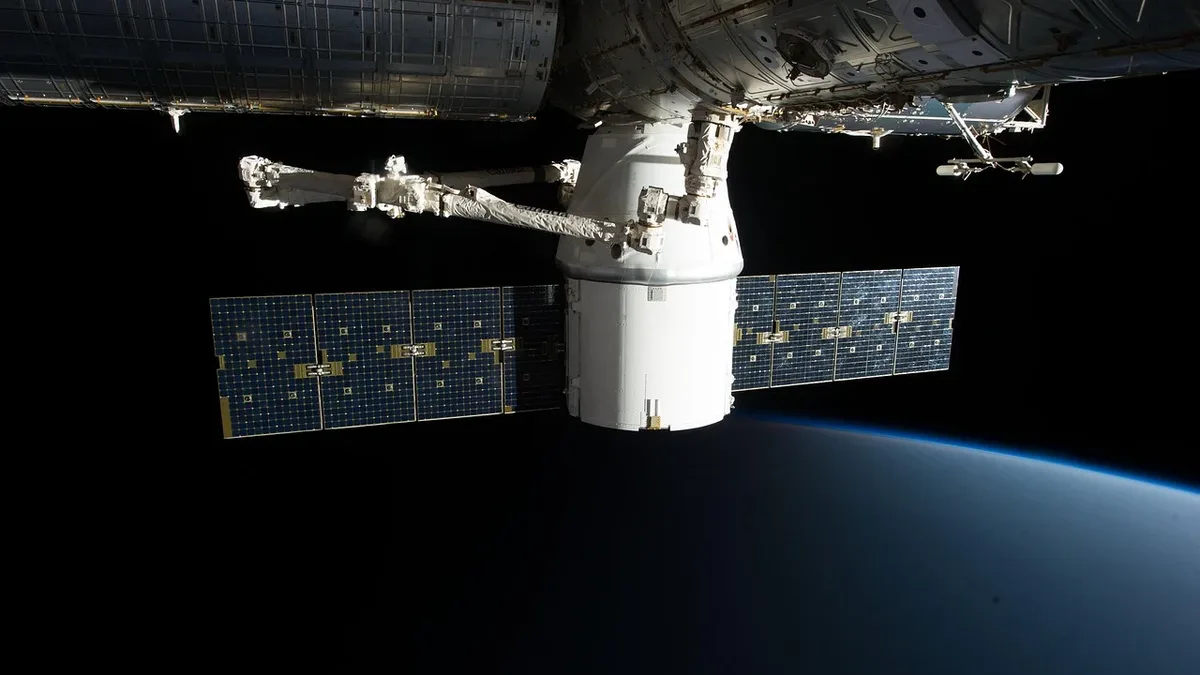
A cargo and resupply mission is a complex logistical operation involving a launch vehicle, an uncrewed cargo spacecraft, and a specific payload manifest tailored to the needs of the orbital destination. The launch vehicle provides the thrust necessary to escape Earth's gravity and achieve orbital velocity, with common examples including the Falcon 9, Antares, and Soyuz rockets. The cargo spacecraft itself is a pressurized capsule or module, often with an unpressurized trunk section, designed to autonomously rendezvous and dock or be berthed to a space station. The payload is meticulously packed and secured to withstand the violent forces of launch and is tracked via detailed cargo manifests. The mission profile includes launch, orbital ascent, a series of precise maneuvers to approach the station, a final capture and attachment sequence, a period of docked operations for unloading and loading trash, and finally a departure and destructive re-entry or, in some cases, a return of cargo to Earth. These missions operate on strict schedules dictated by the orbital laboratory's consumption rates and research timelines.
What to know
The launch window for a resupply mission is a critically defined time period determined by orbital mechanics to ensure the spacecraft can efficiently reach its target. This window is calculated based on the orbital plane of the International Space Station, which must align with the launch site's latitude as the Earth rotates beneath it. Weather conditions at the launch site, including winds, precipitation, and lightning, are a primary cause of scrubs and delays, as vehicle safety is paramount. Technical readiness of both the launch vehicle and the cargo spacecraft is constantly assessed in the lead-up to launch, with any anomaly causing a hold. The payload must be integrated into the spacecraft well in advance, following strict mass and volume constraints and safety protocols for a human-rated space station. Once launched, the spacecraft may take several days to perform orbital phasing maneuvers to match the station's orbit before initiating final approach, which is often monitored and controlled from ground stations around the world.
Common questions
A common question is why these missions are uncrewed, which is primarily due to risk reduction and cost efficiency, as automating the delivery of supplies removes the need for life support systems and crew safety protocols for that flight. People often ask what happens if a resupply mission fails, which would trigger contingency plans that may involve rationing consumables on the station, reprioritizing research, and accelerating the launch of the next available vehicle. Many inquire about how cargo is unloaded, which is a manual process performed by the astronaut crew after the spacecraft is secured, transferring items to predefined storage locations within the station. A frequent question concerns the fate of the cargo spacecraft, which for most vehicles involves loading it with station waste before undocking and conducting a destructive re-entry into Earth's atmosphere over a remote ocean area. Questions also arise about what kinds of science are sent up, encompassing a vast range from medical research on tissue chips and astronaut health to fundamental physics experiments and Earth observation technology. Finally, people ask who operates these missions, which is a combination of commercial companies under contract to space agencies, with the companies responsible for launch and spacecraft operations and the agencies managing station-side operations and payload integration.
Pros and cons
A major pro is the enabling of continuous human presence in space by providing a reliable logistics chain for essentials, which is foundational for long-duration research. The commercial model developed in the 2010s has increased redundancy and lowered costs through competition and innovation in spacecraft design. These missions provide frequent and dedicated flight opportunities for scientific experiments that would otherwise have no path to space. A significant con is the inherent risk of launch failure, which can result in the catastrophic loss of millions of dollars in hardware and critical supplies, potentially jeopardizing station operations. The strict mass and volume constraints on cargo can limit the size and scope of experiments or hardware that can be delivered, forcing compromises in design. A common regret or mistake for payload developers is underestimating the lengthy and rigorous safety certification process required for any item to board a spacecraft bound for a crewed station, which can cause major schedule delays.
Who it suits
This capability suits government space agencies like NASA, Roscosmos, ESA, JAXA, and CSA, which require a dependable method to support their astronauts and national research investments on the International Space Station. It suits commercial aerospace companies that have secured contracts to provide the launch vehicles and cargo spacecraft, as it represents a stable, recurring revenue stream and a platform for technological demonstration. The system suits scientific researchers across academia, government labs, and industry whose work depends on microgravity exposure, as it provides regular and scheduled access to the orbital laboratory. It also suits private companies seeking to manufacture unique products in space or test satellite components, using the resupply vehicle as a cost-effective taxi to orbit. Finally, it suits the long-term goals of space exploration advocates, as the operational experience gained in routine orbital logistics is directly applicable to planning future missions to the Moon and Mars, where supply chains will be even more critical.
Latest Cargo And Resupply To Low Earth Orbit news
Latest reporting
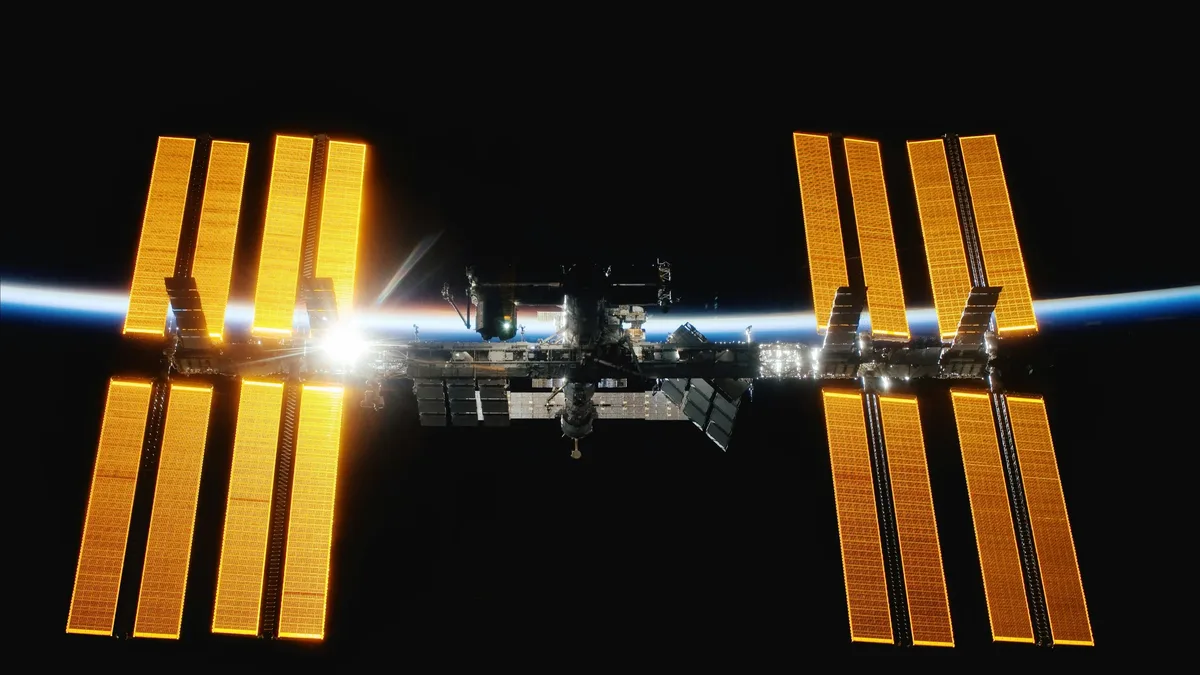
Marble Sat-1 to test 10 Gbps laser communications in 2027
Marble Imaging, Reflex Aerospace, and Odysseus Space will launch a laser communications demonstration mission in early 2027. The Marble Sat-1...

Gibraltar imaged by IRIDE Eaglet II
The IRIDE Eaglet II constellation delivers its first Earth images including Gibraltar, while Norway allocates funding for a second launch pad at...
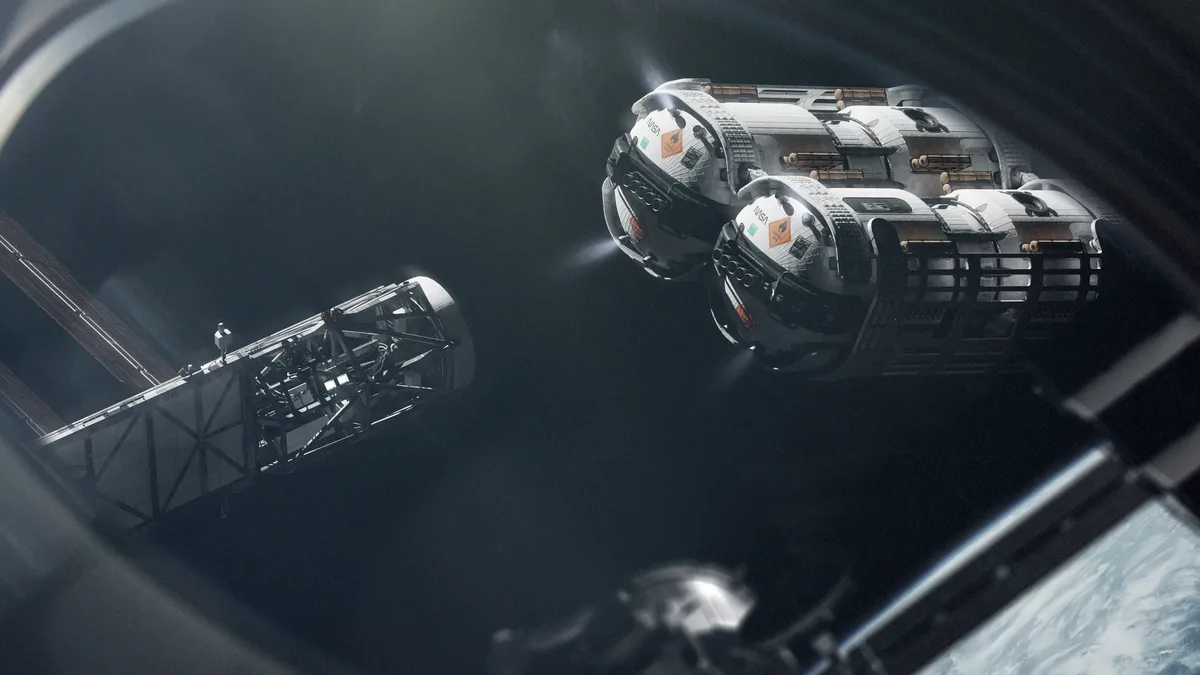
Fortastra raises $30M Series A for on-orbit security spacecraft
Fortastra secured $30 million in Series A funding to scale production of its maneuverable orbital-defense spacecraft, responding to growing U.S...
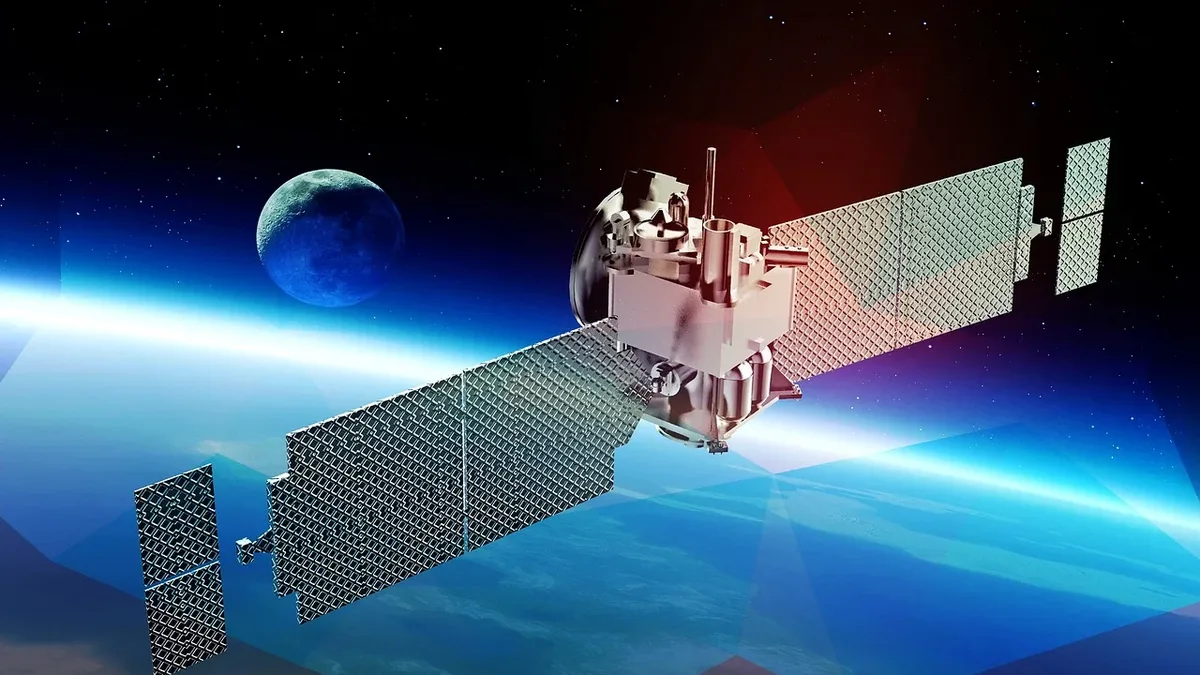
FCC approves SpaceX's 15,000-satellite VLEO constellation
The FCC has granted SpaceX approval to deploy a 15,000-satellite Very Low Earth Orbit constellation for direct-to-device mobile services, enabling...

Satlyt secures $8M seed funding for AI orbital data center network
Satlyt raised $8 million in seed funding to expand its virtual orbital data center network, using AI software on third-party satellites to process...
Blackswan Space Secures €2.5M Seed Funding for RPO Kit Demo
Lithuanian startup Blackswan Space raised €2.5 million in seed funding led by Iron Wolf Capital to finance the first in-orbit demonstration.