
Communications And Constellations
| Launch vehicle | Rocket family and model |
|---|---|
| Payload type | Communications satellite constellation |
| Launch window | Specific orbital insertion requirement |
| Orbit type | Geostationary or Low Earth Orbit |
| Constellation operator | Company or agency managing the satellites |
| Original use | Global broadband or mobile communications |
| First launch | Year of inaugural satellite deployment |
| Country of origin | Nation of the operator's primary headquarters |
Origin and history
The concept of utilizing satellite constellations for global communications originated in the late 20th century, with foundational ideas proposed by thinkers and engineers in North America. The first practical implementation began with the Iridium constellation, conceived and developed in the United States during the 1990s. This system was pioneering but faced significant commercial challenges, leading to a period where large geostationary satellites dominated the communications satellite market. The modern era of massive low Earth orbit (LEO) communications constellations began in the 2010s, driven primarily by private companies in the United States. These contemporary projects were enabled by advancements in satellite miniaturization, rocket reusability, and digital signal processing. The history reflects a shift from government-led, niche military and maritime systems to commercially-driven ambitions for global broadband internet coverage.
What it is for
Communications constellations are designed to provide telecommunications services to a global or near-global footprint, overcoming the limitations of terrestrial infrastructure. Their primary function is to relay data, voice, and messaging signals between points on Earth that lack reliable cable or cellular networks. They serve critical roles in providing connectivity for maritime and aviation industries, remote scientific research stations, and disaster response teams operating where ground systems are damaged or absent. For consumers and businesses, they aim to deliver broadband internet access to rural and underserved regions where fiber optic cable deployment is economically unfeasible. Government and military entities utilize secure segments of these constellations for dedicated command, control, and intelligence gathering operations. Furthermore, they enable the Internet of Things (IoT) connectivity for asset tracking and environmental monitoring across oceans, deserts, and other remote areas.
Overview
A communications constellation is a coordinated network of multiple satellites operating in concert, typically in low or medium Earth orbit, to form a persistent communications web. Unlike a single geostationary satellite, a constellation uses inter-satellite links to pass signals across space, reducing reliance on numerous ground stations and decreasing signal latency. The architecture requires precise orbital mechanics to ensure continuous coverage, with satellites arranged in specific orbital planes and altitudes to hand off user connections seamlessly. The system comprises three core segments: the space segment (the satellites themselves), the ground segment (gateway earth stations and network operations centers), and the user segment (customer terminals or modems). Operations depend on complex software-defined radios and phased-array antennas on the satellites to dynamically form and steer communication beams. Successful deployment and operation represent a massive coordination challenge in space traffic management and spectrum allocation to avoid interference with other satellite systems.
What to know
The launch phase is a critical and resource-intensive undertaking, requiring multiple dedicated rocket missions over months or years to deploy the full constellation. The launch vehicle must have the payload capacity and fairing size to carry dozens of satellites per flight, with modern rockets often using dedicated rideshare configurations for efficiency. The payload satellites are typically mass-produced, compact units designed for rapid assembly and testing, emphasizing reliability and cost-effectiveness over individual satellite capability. The launch window is determined by orbital mechanics to insert satellites into precise orbital planes and is often constrained by the need to populate multiple planes with sequential launches. Regulatory approvals for spectrum use and orbital debris mitigation plans are mandatory prerequisites for launch, involving coordination with international bodies. Users must understand that service availability is contingent on the constellation's deployment stage, with initial coverage often patchy until a critical mass of satellites is on station and operational.
Common questions
A common question is how these systems avoid collisions with other satellites and space debris, which is managed through continuous tracking by the operator and coordination with global space surveillance networks and automated collision avoidance maneuvers. People often ask about the visibility of the satellites, as large LEO constellations can create noticeable "trains" of lights in the night sky shortly after launch, raising concerns for astronomical observations. Many inquire about the user terminal equipment, which ranges from relatively compact, pizza-box-sized phased-array antennas for consumers to larger, more powerful systems for enterprise and mobility applications. A frequent question concerns latency, with LEO constellations offering significantly lower signal delay than traditional geostationary systems, making them suitable for online gaming and video calls. Users commonly ask about service reliability during severe weather, as higher frequency radio signals used by some constellations can be attenuated by heavy rain or thick storm clouds. There is also recurring inquiry about the ultimate number of satellites planned, as proposals for tens of thousands of satellites have sparked international discussions on the sustainable use of Earth's orbital shells.
Pros and cons
A primary advantage is the provision of high-speed, low-latency internet to geographically isolated populations and industries, a capability terrestrial networks cannot match economically. The distributed nature of constellations also offers inherent resilience, as the failure of a single satellite degrades rather than destroys the network. A significant disadvantage is the immense capital cost and technical complexity of deploying and maintaining thousands of satellites, a barrier that has bankrupted earlier ventures. The proliferation of satellites raises legitimate concerns about orbital congestion, the risk of cascading collisions (Kessler Syndrome), and the negative impact on ground-based astronomy. Users in high-density urban areas may find the service underwhelming, as the limited bandwidth per satellite beam is best suited for low-density regions and cannot compete with fiber optics in cities. A common mistake for early adopters is underestimating the initial cost of user equipment and the potential for service gaps during the constellation build-out phase before full global coverage is achieved.
Who it suits
This technology is ideally suited for individuals and families living in rural or remote areas where terrestrial broadband options are nonexistent, unreliable, or prohibitively expensive. It serves maritime vessels, commercial aviation, and long-haul trucking operations that require continuous connectivity outside the range of cellular towers. Government agencies, emergency responders, and non-governmental organizations operating in disaster zones or field deployments benefit from the rapid, deployable connectivity. Researchers at polar stations, on oceanographic vessels, or in other extreme environments rely on these systems for data transmission where no other infrastructure exists. Enterprises with distributed assets, such as mining operations, agricultural holdings, or pipeline networks, use it for remote monitoring and operational communications. It is less suited for budget-conscious users in well-served urban and suburban areas, where cheaper and higher-bandwidth landline or cellular options are readily available and more performant.
Latest Communications And Constellations news
Latest reporting
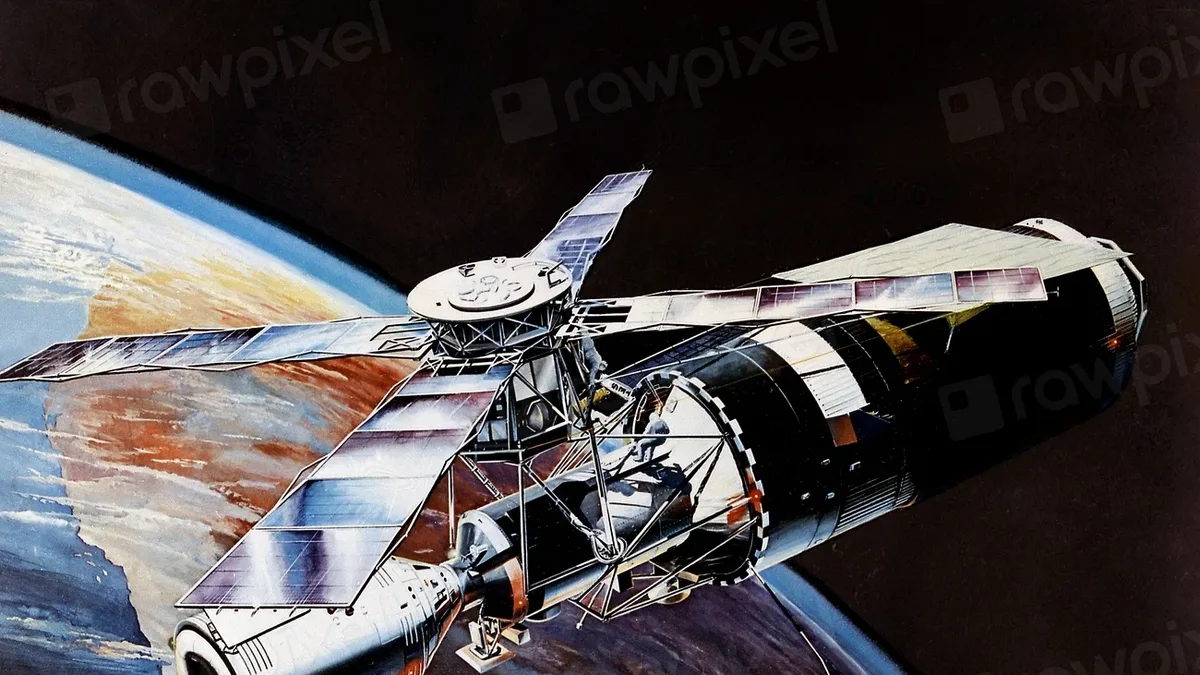
China Tests Earth-Moon Laser Link for Lunar Missions
China has successfully demonstrated a two-way laser communications link across 400,000 km between Earth and the Moon, a key technology for its planned
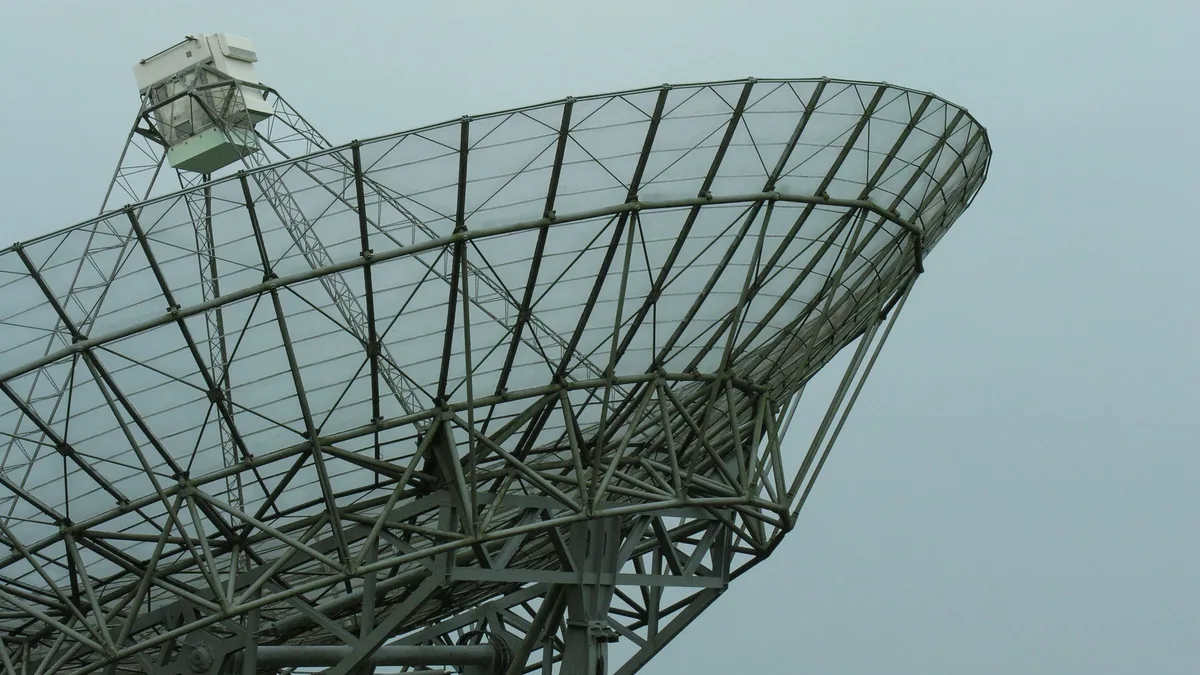
Blue Origin Wins $700M NASA Mars Communications Network
NASA has awarded Blue Origin a contract worth approximately $700 million to develop and build the new Mars Telecommunications Network.
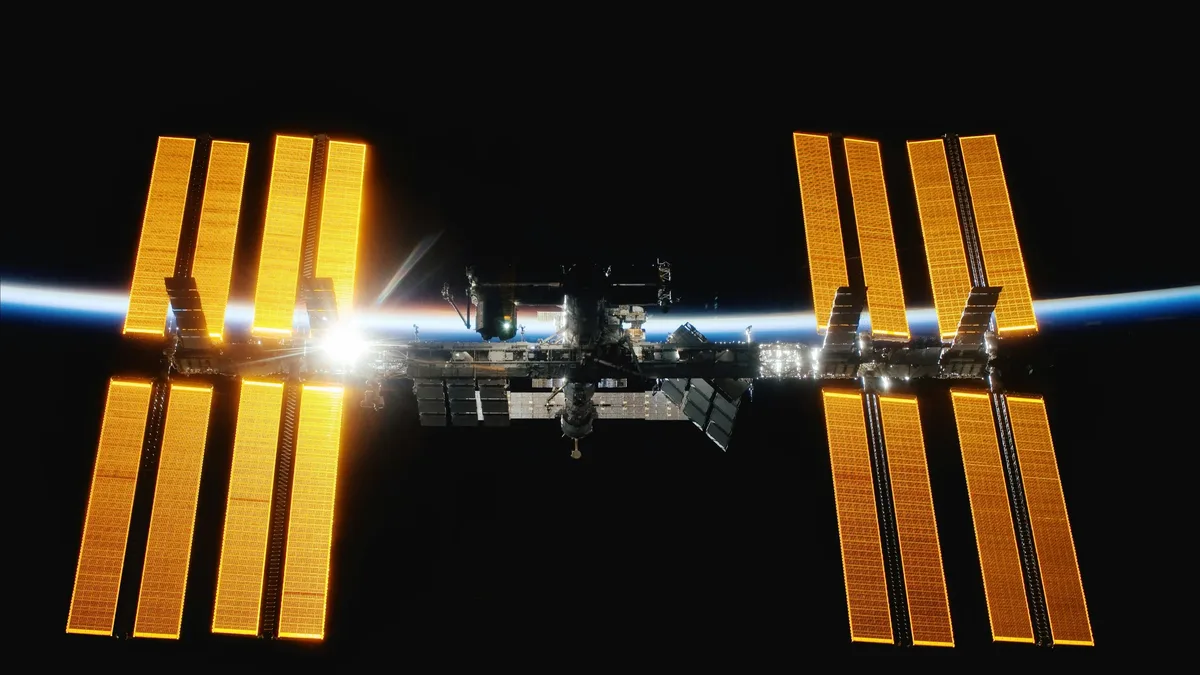
OHB Wins €1bn SES IRIS2 Satellite Contract
OHB has been awarded a €1 billion contract by SES to build 18 satellite platforms for the MEO segment of Europe's IRIS2 secure communications

NorthStar and Kepler Partner on Canadian SDA
Montreal's NorthStar Earth & Space will place Space Domain Awareness sensors on Toronto-based Kepler Communications spacecraft.

IRIS2 Secure Communications Constellation Moves Forward with Increased Funding and Satellite Count
The European Commission, ESA, and the SpaceRISE consortium have cleared the IRIS2 programme to move forward with full-scale implementation after...