
Satellite Operators
| Operator | The entity responsible for the satellite's command and control. |
|---|---|
| Country of origin | The nation where the operator is headquartered. |
| Original use | The primary mission purpose (e.g., Communications, Earth Observation, Navigation). |
| First launched | The decade the operator's first satellite was launched. |
| Fleet size | The typical number of active satellites operated (e.g., Dozens, Hundreds). |
| Satellite types | The general categories operated (e.g., GEO communications, LEO constellations). |
| Notable missions | Key satellites or programs managed by the operator. |
Origin and history
The concept of the satellite operator as a distinct commercial and governmental entity emerged in the late 1950s and early 1960s alongside the first artificial satellites. The first operators were exclusively national governments and their affiliated space agencies, such as the Soviet Union's state program and the United States' NASA. The launch of Intelsat I (Early Bird) in 1965 marked a pivotal shift, establishing the first international consortium operator to provide global commercial communications. The 1980s and 1990s saw the rise of private commercial operators, a trend deregulation and technological advances accelerated. Today, operators range from sovereign national agencies and military branches to fully private corporations and multinational partnerships. The historical development is characterized by the transition from purely state-run, strategic assets to a diverse ecosystem including competitive commercial markets.
What it is for
A satellite operator is responsible for the command, control, and management of one or more satellites after their successful launch and deployment. The primary function is to maintain the satellite's health, orbit, and orientation through telemetry, tracking, and command (TT&C) from ground control stations. Operators manage the payload's mission, whether for communications, Earth observation, navigation, or scientific research, ensuring it delivers data or services to end-users. They handle the day-to-day operations, including collision avoidance maneuvers, station-keeping to maintain orbital slot, and managing the satellite's power and thermal systems. Furthermore, operators are responsible for the secure management of the radiofrequency spectrum used by the satellite and for interfacing with regulatory bodies. Ultimately, the operator ensures the satellite's functionality and revenue-generating potential throughout its operational lifespan, which can span 5 to 15 years or more.
Overview
A satellite operator is the entity that owns or leases the satellite and manages its entire mission from ground-based infrastructure. The core operational infrastructure consists of a primary mission control center, often with a backup, and a global or regional network of ground stations for communication with the satellite. Operators work closely with launch service providers for the initial deployment and with satellite manufacturers during the in-orbit testing phase post-launch. The operational scope includes meticulous planning of all satellite activities, managing fuel consumption for longevity, and responding to any onboard anomalies or failures. Operators also engage in capacity sales, marketing bandwidth or data products to telecommunications companies, broadcasters, governments, and other clients. The role is fundamentally one of asset management, maximizing the utility and financial return on a highly capital-intensive piece of space infrastructure.
What to know
The operator's relationship with the launch is critical but distinct; they are the customer who purchases launch services and defines the payload requirements, but they do not build the launch vehicle. A key operational concept is the "launch window," a specific time period during which a rocket can be launched to achieve the desired orbital insertion, which the operator helps define based on orbital mechanics and mission needs. Operators must secure both a launch license and a separate license to operate the satellite in space, adhering to international regulations set by bodies like the ITU for spectrum. Insurance is a major financial consideration, with policies typically covering launch failure and initial in-orbit operations, with separate coverage for later operational life. The choice of orbital slot (e.g., geostationary or low Earth orbit) is a fundamental strategic decision made by the operator, dictating the satellite's design and coverage area. Understanding the concept of "space situational awareness" and conjunction alerts is essential, as operators are increasingly responsible for avoiding collisions with other objects in space.
Common questions
What is the difference between a satellite operator and a satellite manufacturer? The manufacturer designs and builds the spacecraft, while the operator owns it and runs its mission post-launch. How do operators communicate with satellites? They use a network of ground stations with large antennas to send commands and receive telemetry data via specific radio frequencies. Who ensures satellites don't crash into each other? Operators use shared data from services like the US Space Surveillance Network to monitor close approaches and perform avoidance maneuvers if necessary. What happens to a satellite at the end of its life? Responsible operators follow mitigation guidelines, moving geostationary satellites to a "graveyard" orbit or deorbiting low Earth orbit satellites to burn up in the atmosphere. Can one company be both a manufacturer and an operator? Yes, some large firms are vertically integrated, but the operational functions remain a separate discipline within the organization. How is a satellite controlled if it malfunctions? Operators use redundant systems and ground commands to diagnose and attempt to resolve issues, though some failures can lead to a total loss of the asset.
Pros and cons
A significant advantage is the ability to generate long-term revenue from a high-value asset once operational, with relatively low marginal costs for providing additional services. Operators also gain strategic independence and global reach, particularly for communications and data services that bypass terrestrial infrastructure limitations. However, the cons are substantial, starting with extraordinarily high capital expenditure for the satellite and launch, coupled with the irreversible risk of launch failure. Operational life is constantly threatened by the harsh space environment, including radiation, micrometeoroid impacts, and single-point component failures that are impossible to repair physically. Many operators regret the long lead times and technological lock-in, where a satellite designed years ago cannot easily adapt to new market demands or compete with newer, more capable constellations. A common critical mistake is underestimating the operational complexity and cost of ground segment maintenance, cybersecurity, and regulatory compliance, which can erode profitability.
Who it suits
This role suits large, capital-rich entities like national governments and military organizations for whom sovereign capability and strategic advantage are paramount, regardless of direct profitability. It suits established telecommunications corporations that can integrate satellite capacity into their existing service portfolios and have the customer base to utilize it. Large, specialized private firms with deep expertise in space systems and risk management are also typical candidates, as they can navigate the technical and financial complexities. The model is less suited to small startups without immense funding, unless they are part of a larger consortium or have a highly niche, disruptive technology model, such as small satellite constellations funded by venture capital. It suits organizations with long-term planning horizons, as the cycle from satellite order to end-of-life can exceed a decade. Ultimately, it is a field for entities that can manage extreme technical risk, regulatory hurdles, and patient capital.
Latest Satellite Operators news
Latest reporting
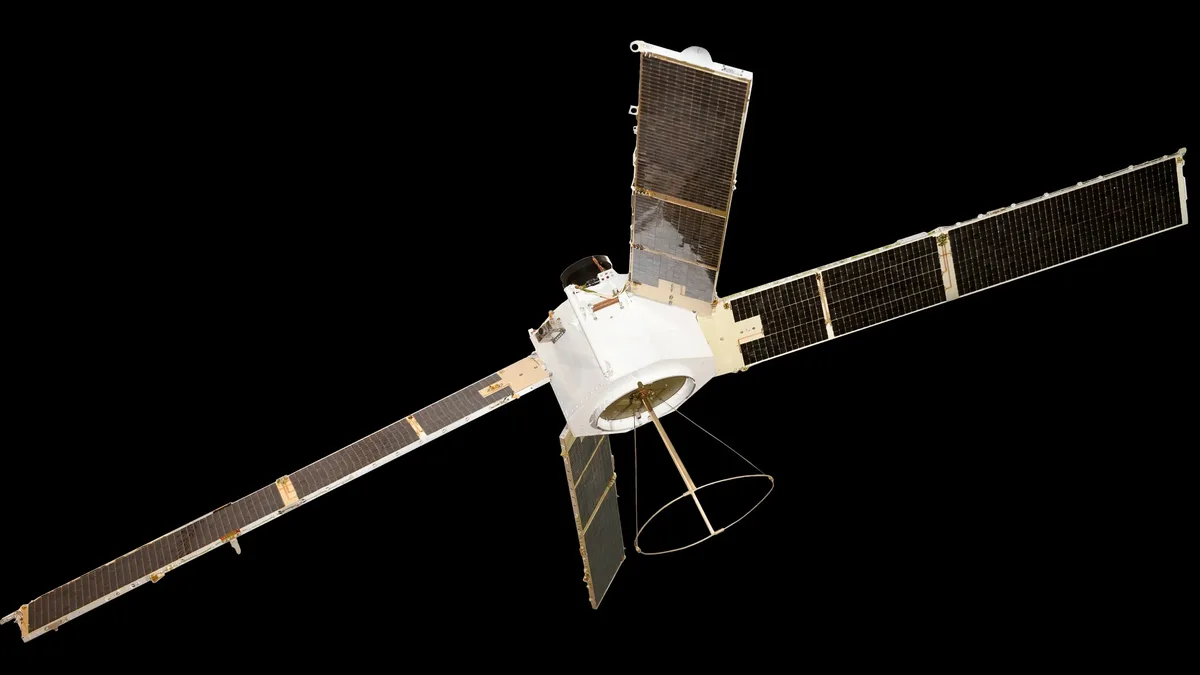
EUMETSAT Launches Climate Anomalies and Normals Service
EUMETSAT has unveiled a new service that uses over 40 years of satellite data to map monthly climate anomalies against a 30-year average.

ISRO's EOS-05 Satellite Begins Geosynchronous Orbit Ascent
India's EOS-05 Earth observation satellite, launched on 4 September, has performed two orbit-raising manoeuvres en route to its final geosynchronous...
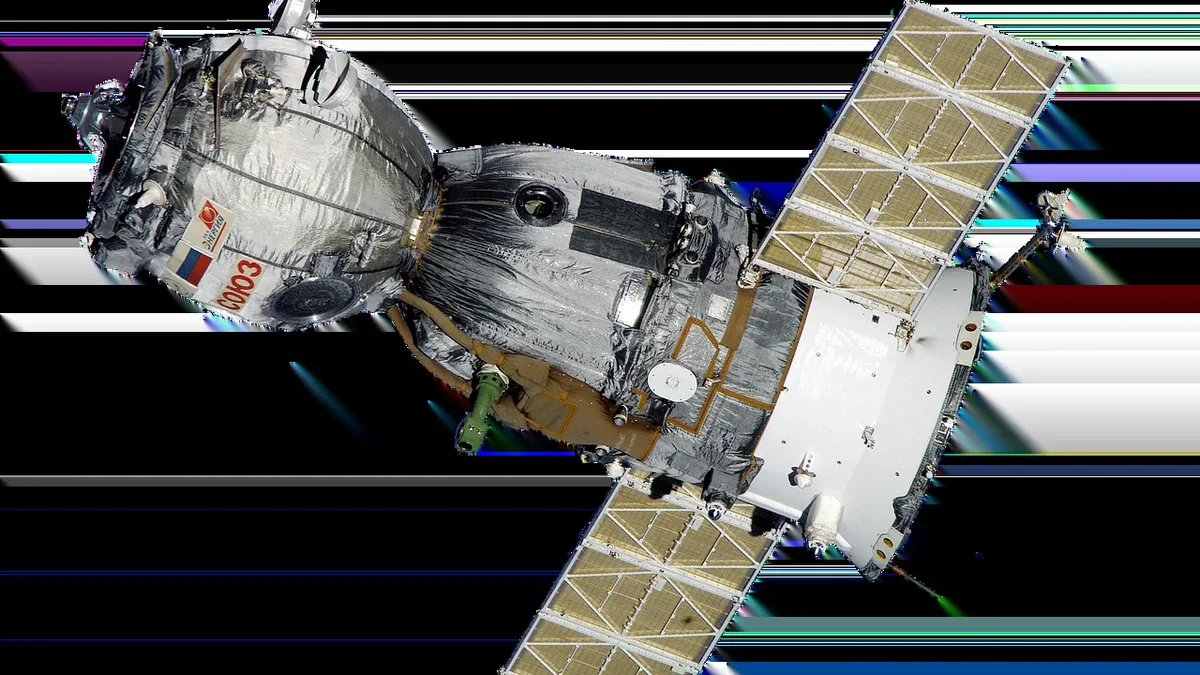
ESA Reviews Rocket Capacity as Amazon Orders Pressure Launch
The European Space Agency is assessing if its current rocket fleet can handle a satellite launch demand surge expected to peak around 2030, driven by...

Rocket Lab Launches Synspective's Latest StriX Satellite
Rocket Lab has launched Synspective's newest StriX synthetic aperture radar satellite to a 575 km orbit on its Electron rocket, marking the 11th...
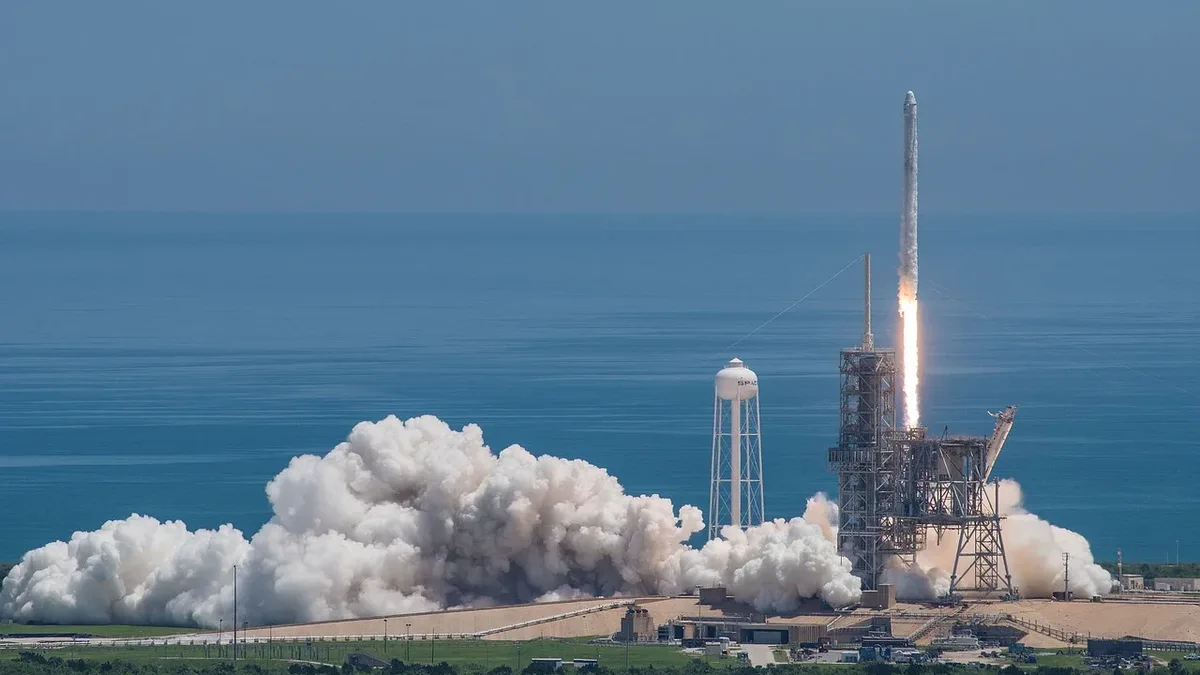
Ariane 6 Launches Advanced Weather Satellite
The Ariane 6 rocket launched the 3.8-tonne MTG-I2 weather satellite from Europe's Spaceport in Kourou, marking the vehicle's first flight to a
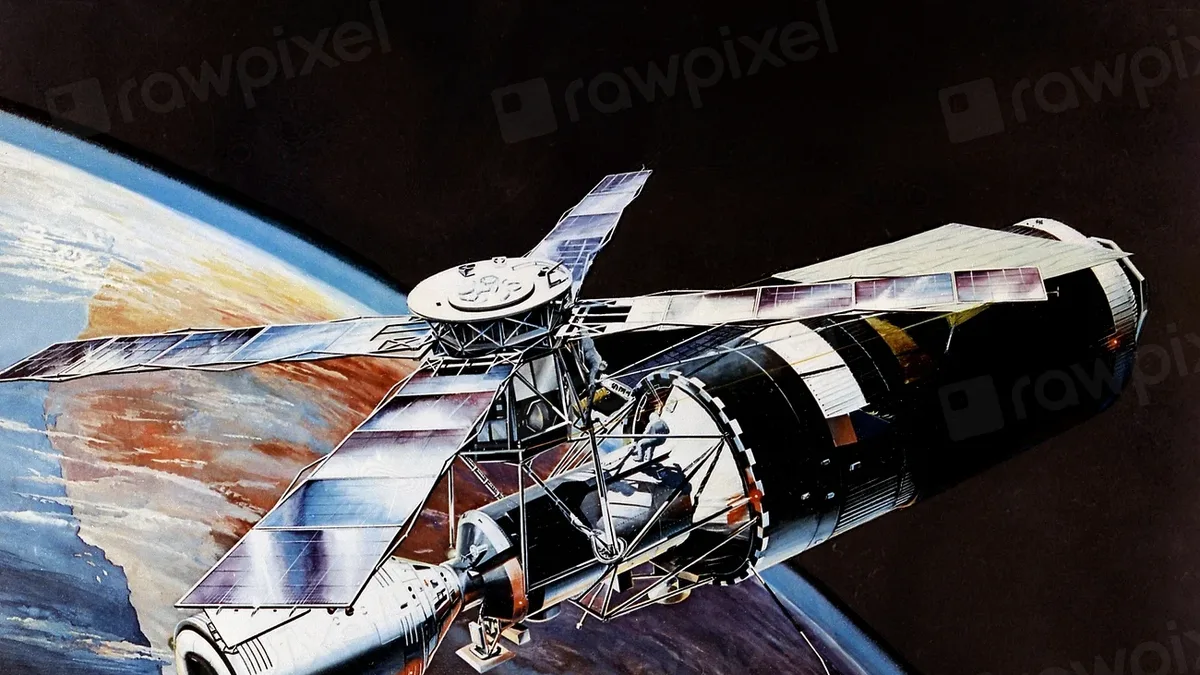
Open Cosmos wins UK contract for secure LEO
Open Cosmos is a UK government certified partner to provide satellite connectivity via its ConnectedCosmos LEO constellation under the TacSys...