Vehicle Retirements
| Original use | Space launch |
|---|---|
| First launched | 20th century |
| Country of origin | Varies by manufacturer |
| Payload to LEO | Varies by configuration |
| Launch window type | Specific daily or monthly interval |
| Retirement reason | Obsolescence, failure, program cancellation |
| Final flight date | Specific calendar date |
Origin and history
The systematic retirement of launch vehicles is a practice that originated in the United States during the mid-20th century alongside the dawn of the space age. The concept became a necessary operational phase as the first generation of expendable rockets completed their missions. Initial retirements were driven primarily by obsolescence, as newer, more capable vehicles were developed to replace older designs. The process was historically ad-hoc, but evolved into a formalized part of aerospace logistics and safety protocols. The retirement of the Saturn family of rockets in the early 1970s, following the Apollo and Skylab programs, stands as a prominent early example of a major vehicle class being permanently withdrawn from service. This established a precedent where the end of a major program triggers a planned phase-out of its associated launch infrastructure.
What it is for
Vehicle retirement is the formal process of permanently withdrawing a launch vehicle model or class from operational service. Its primary purpose is to ensure public and environmental safety by decommissioning aging hardware that may pose a risk if flown. The process serves to clear logistical and financial resources, including manufacturing lines and technical personnel, for newer vehicle programs. It allows for the archiving of critical design data and the preservation of historical examples for study and display. Retirement is also a key component of regulatory compliance, demonstrating to agencies like the FAA that a vehicle is no longer an active part of the airspace system. Furthermore, it formally concludes the vehicle's operational lifecycle, providing a clear endpoint for maintenance contracts and supplier agreements.
Overview
Vehicle retirement is a multi-year process that begins long before the final launch occurs. It involves a coordinated effort between the launch provider, customers, regulatory bodies, and often museums or historical organizations. The process encompasses the disposition of all remaining flight-ready hardware, which may be flown, used for ground tests, or placed into storage or museums. Ground support equipment, such as specialized transporters and launch pad umbilicals, is either repurposed, scrapped, or preserved. Technical documentation is finalized and archived to support any remaining vehicles on display or for historical reference. The closure of the vehicle's production line and the termination of supplier contracts for unique parts are also critical administrative steps within the overall retirement plan.
What to know
A vehicle's retirement is typically announced years in advance to allow payload customers to secure alternative rides or accelerate their schedules. The final launches of a retiring vehicle often carry significant symbolic weight and may be used for missions deemed lower risk or particularly suited to the vehicle's remaining capabilities. Retirement does not necessarily mean every single rocket is destroyed; often, a few are preserved intact for public display in museums. The cost of maintaining certification and support for an aging vehicle often becomes prohibitive compared to developing or switching to a modern alternative. Legal and insurance frameworks must be adjusted to account for the cessation of operations and any long-term liabilities. Importantly, the knowledge and experience of the engineers who worked on the vehicle are often captured through oral histories and documentation projects before teams are disbanded.
Common questions
What happens to rockets that are built but never launched after retirement? They typically enter long-term storage, become ground test articles, or are donated to educational or museum institutions. Are parts from retired vehicles ever used on newer rockets? While uncommon due to technological advances and certification hurdles, some design philosophies or qualified components may be carried over. Can a retired vehicle ever be brought back into service? This is extremely rare and logistically daunting, as it would require re-establishing supply chains, recertification, and reassembling specialized teams. Who decides when a vehicle is retired? The decision is made by the owning company or agency based on economic viability, market demand, and the availability of a successor. Does retirement affect ongoing missions that used the vehicle? No, retirement only affects future launches; satellites already in orbit continue their operations independently. How are the final launch slots allocated? They are usually filled by existing customer contracts, with priority often given to government or long-standing commercial partners.
Pros and cons
A primary advantage of a planned retirement is the controlled wind-down of complex systems, mitigating the safety risks of flying outdated technology. It forces innovation by clearing the market and engineering focus for newer, more efficient, and often cheaper vehicles. For companies, it eliminates the sustaining costs for aging tooling, parts inventories, and specialized staff dedicated to legacy systems. A significant drawback is that it can strand payloads, particularly those with long development cycles, if a suitable alternative launch vehicle is not ready or available. Customers often face higher costs and schedule uncertainty as they are forced to switch to different rockets, potentially requiring redesign of satellite interfaces. A common mistake is retiring a vehicle before its replacement has achieved reliable operational status, creating a gap in launch capability that can delay critical missions for years.
Who it suits
Vehicle retirement is an inevitable process that suits governing agencies and the public by enforcing modern safety and environmental standards. It suits launch providers who need to streamline their operational focus and financial resources onto their next-generation systems. The process suits historical and educational institutions by providing opportunities to acquire significant aerospace artifacts for preservation and display. It does not suit small satellite operators or specific scientific missions who relied on the retired vehicle's unique cost structure or flight profile, forcing them into a more competitive or unsuitable market. Retirement ultimately suits the forward trajectory of the aerospace industry by necessitating technological progress, even when it causes short-term disruption and the loss of proven, heritage hardware.
Latest Vehicle Retirements news
Latest reporting
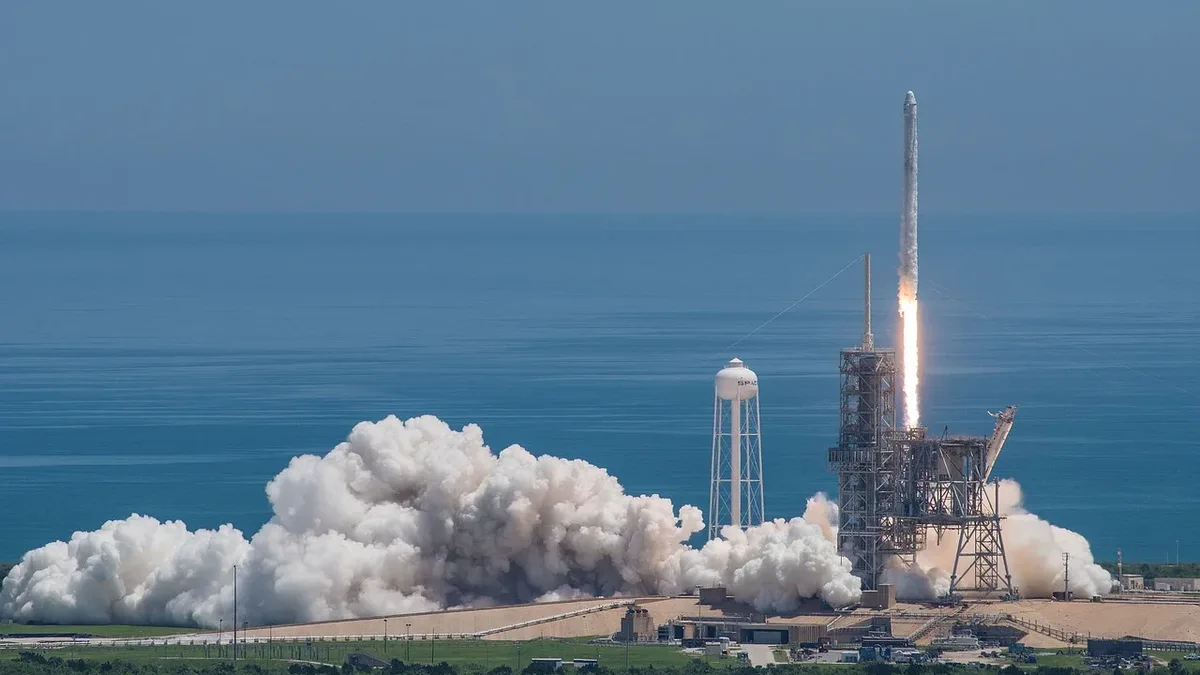
Ariane 6 Launches Advanced Weather Satellite
The Ariane 6 rocket launched the 3.8-tonne MTG-I2 weather satellite from Europe's Spaceport in Kourou, marking the vehicle's first flight to a

D-Orbit Orders GomSpace Power Systems for ION Missions
D-Orbit has ordered power systems from GomSpace for its ION orbital transfer vehicle missions in 2026-2027. The contract is worth 6.3 million Danish...
MaiaSpace Validates Maia Rocket Upper Stage
MaiaSpace has completed a key test for its Maia rocket's upper stage, keeping the vehicle on track for its planned orbital debut in 2027.
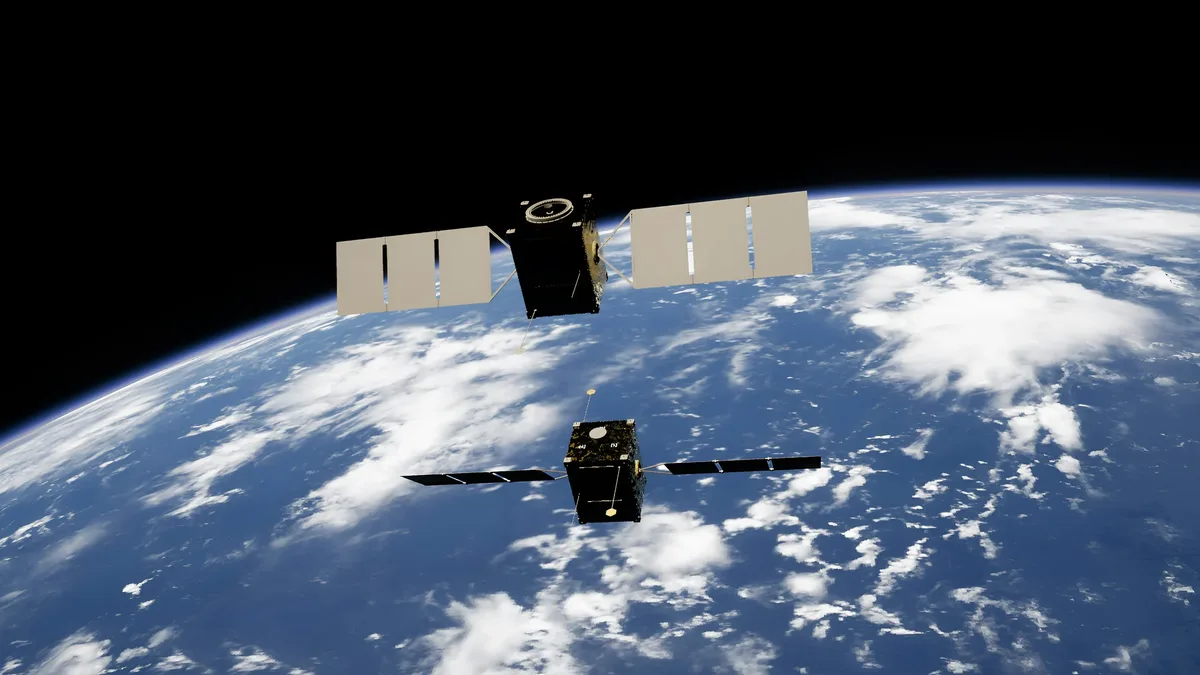
Ariane 6 Launches MTG-I2 Weather Satellite
Arianespace has launched the MTG-I2 weather satellite on a dedicated Ariane 62 rocket. The mission marks the vehicle's ninth flight and its first to...

CNES Targets 2028 for First Hot-Fire Test of Next-Gen Rocket Engine
CNES aims to test a subscale prototype of a reusable, high-thrust rocket engine in 2028 as part of its ASTRE project, with ArianeGroup leading...

Avio's FD1 Rocket Demonstrator Test Flight Details Revealed
New environmental documents filed by Avio have shed light on the planned FD1 suborbital demonstrator flight test, providing details on the launch...