Ariane 6 Launches MTG-I2 Weather Satellite
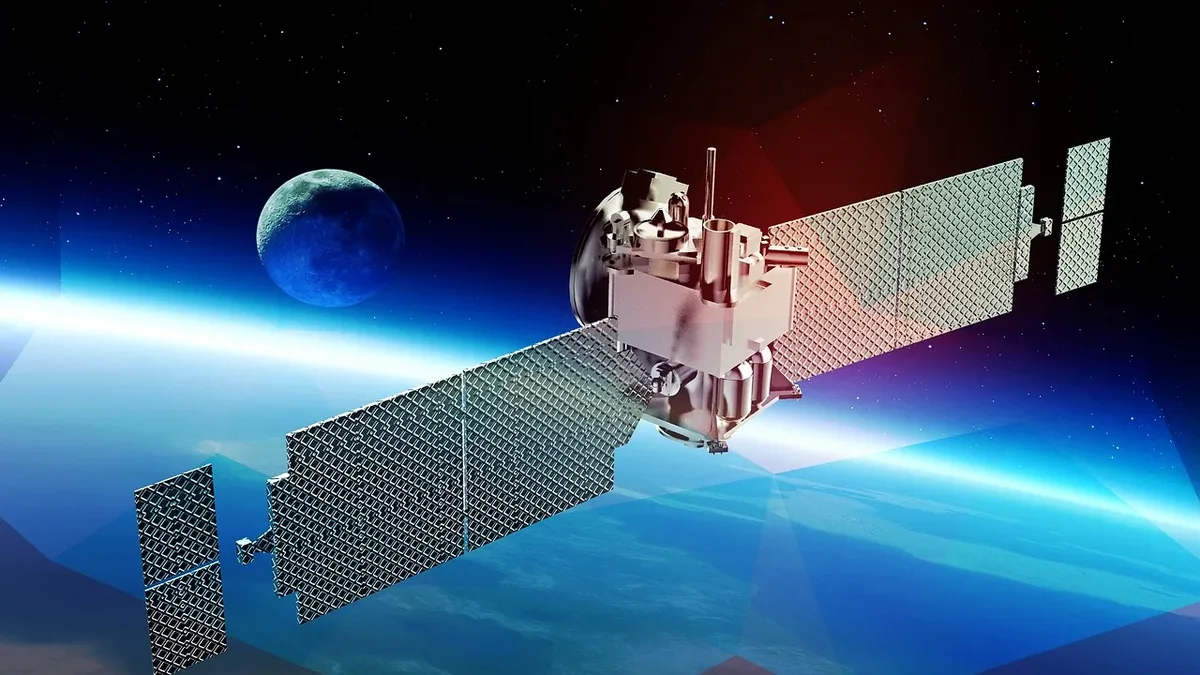
Arianespace has launched the MTG-I2 weather satellite on a dedicated Ariane 62 rocket. The mission marks the vehicle's ninth flight and its first to geostationary transfer orbit this year.
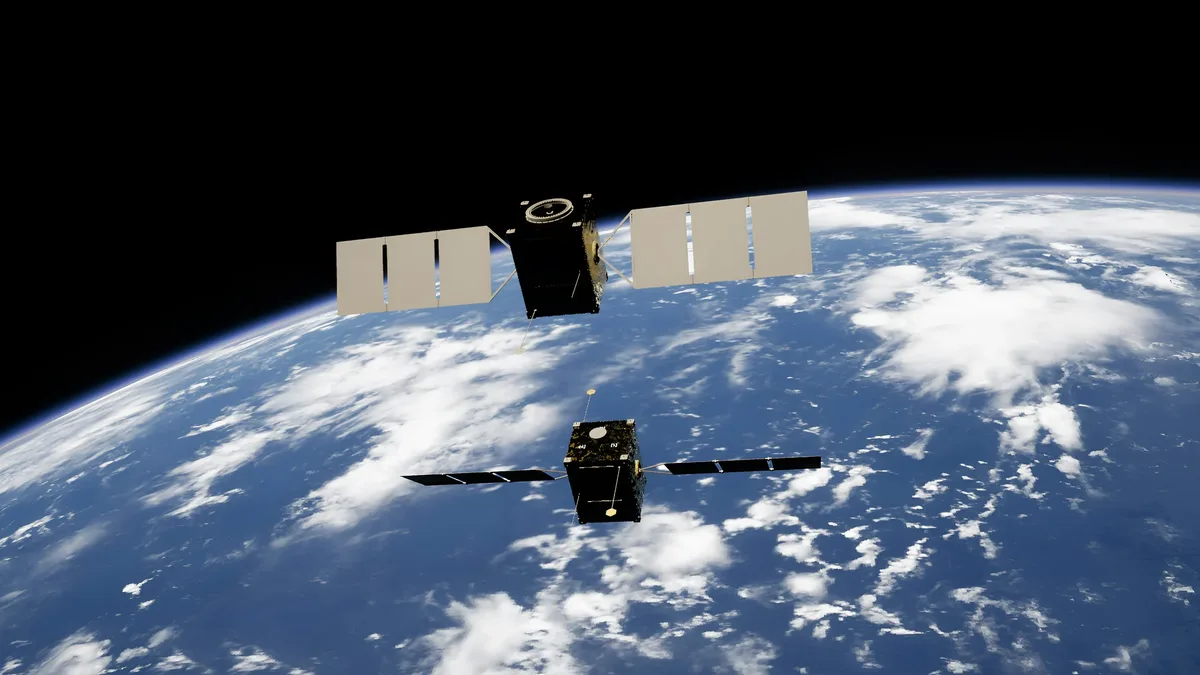
Arianespace has launched the MTG-I2 weather satellite on a dedicated Ariane 62 rocket. The mission, conducted in August 2026, is the Ariane 6 vehicle's ninth flight, its fourth of the year, and its first to geostationary transfer orbit (GTO). The successful deployment expands the operational capabilities of Europe's new launch system.
According to a report from SpaceWatch.Global, the launch is a key part of Europe's broader effort to accelerate its launcher ramp-up. The mission profile for the MTG-I2 satellite required a specific trajectory to reach its intended orbital slot.
Mission and Vehicle Details
The Ariane 62 variant used for this launch is a two-booster configuration of the Ariane 6 family. This mission demonstrated the vehicle's ability to conduct dedicated launches to high-energy orbits. The flight was the ninth overall for the Ariane 6 program since its inaugural flight.
The launch cadence for 2026 is now at four missions. This pace supports the European launch sector's stated goal of increasing its operational tempo and mission flexibility.
The MTG-I2 Payload
The primary payload was the MTG-I2, a next-generation meteorological satellite built for EUMETSAT, the European Organisation for the Exploitation of Meteorological Satellites. It is the second imaging satellite in the Meteosat Third Generation (MTG) system.
Once operational in geostationary orbit, the satellite is designed to provide continuous, high-resolution imagery of Earth's atmosphere. This data is critical for weather forecasting and severe storm tracking across Europe and Africa.
The satellite's advanced instrumentation is expected to significantly improve the observation of rapidly developing weather phenomena. The launch on a dedicated rocket provided a direct and optimized path to its operational orbit.
European Launcher Ramp-Up
The successful mission is framed within Europe's strategic push to regain independent access to space. The Ariane 6 program is central to this ambition, aiming to replace the retired Ariane 5 rocket.
This launch to GTO proves the vehicle's versatility for a wider range of mission profiles. It marks a step in the planned ramp-up of launch frequency and operational capacity for the European launch industry.
The flight adds to the vehicle's demonstrated mission history. It follows earlier flights that have included various payloads and orbital destinations, building a track record for the new launch system.
Future missions will continue to test and expand the rocket's capabilities. The European space industry views a reliable and frequent launch service as fundamental for its satellite operators and institutional partners.