
Defence And Dual Use Space
| Original use | Military reconnaissance and Earth observation |
|---|---|
| First created | 1950s |
| Country of origin | United States |
| Vehicle type | Expendable or reusable launch vehicle |
| Payload type | Satellite, spacecraft, or experimental hardware |
| Window type | Fixed launch window or instantaneous launch window |
Origin and history
The concept of Defence and Dual-Use Space originates from the early space age, beginning in the late 1950s. Its foundations are inextricably linked to the Cold War competition between the United States and the Soviet Union. Initial space capabilities, such as reconnaissance and communications satellites, were developed explicitly for national security purposes by these nations. The term "dual-use" emerged later, as the same foundational technologies proved applicable to both military and civilian sectors. The dissolution of the Soviet Union and the growth of commercial space ventures in the 1990s accelerated the formal recognition and structuring of this domain. Today, it is a global paradigm, with numerous nations and private entities operating within its framework.
What it is for
Defence and Dual-Use Space exists to leverage space systems and technologies for both national security and civilian economic or scientific benefit. Its primary function is to maximize strategic utility and cost-effectiveness by developing platforms that serve multiple purposes. For national security, it provides critical capabilities in areas such as surveillance, secure communications, navigation, and missile warning. Concurrently, these same systems support civilian applications like environmental monitoring, global internet provision, precision agriculture, and disaster management. This approach allows for the consolidation of technological development efforts and infrastructure investment. Ultimately, it aims to ensure resilient space access and maintain technological advantage in a contested domain.
Overview
In the context of a launch, Defence and Dual-Use Space encompasses the vehicle, the payload, and the launch window. The launch vehicle itself may be a modified or derived version of a military missile system, or a commercial rocket used under contract for government missions. The payload is the key element, often a satellite with sensors or communication systems designed to fulfill both classified defence objectives and unclassified civilian tasks. The launch window is selected not only for orbital mechanics but also for operational security and to meet specific strategic timelines. This integrated process requires coordination between military, intelligence, and commercial entities, often under complex regulatory and export control regimes. The entire operation is characterized by stringent reliability requirements and a focus on securing the supply chain against adversarial interference.
What to know
A fundamental thing to know is that dual-use is a legal and policy designation, not solely a technical one, governed by international agreements like the Missile Technology Control Regime (MTCR). The classification of a technology as dual-use can impose strict export controls, significantly impacting global trade and collaboration in the space sector. It is crucial to understand that civilian access to services from dual-use satellites, such as GPS or Earth imagery, is often deliberately degraded in precision for security reasons, a practice known as selective availability. The infrastructure supporting these missions, including ground stations and data networks, is also frequently shared or partitioned between user groups. Cybersecurity is a paramount concern, as these high-value systems are constant targets for espionage and attack. The line between civilian and military use continues to blur with technologies like on-orbit servicing and rendezvous proximity operations.
Common questions
A common question is whether dual-use satellites are legitimate military targets during conflicts, a complex issue under the evolving framework of international space law. People often ask how civilian users can be assured of continued service from a dual-use system during periods of heightened military alert or conflict. Many inquire about the cost savings achieved through dual-use programs, though specific figures are rarely disclosed publicly and savings can be offset by the added complexity of security requirements. A frequent query concerns the ability to visually or functionally distinguish a purely civilian satellite from a dual-use one from the outside, which is typically impossible without internal technical knowledge. Users also commonly question who has ultimate operational control during a crisis, which is always retained by the national security authority. Finally, there is ongoing debate about whether the dual-use model accelerates militarization or, conversely, promotes stability through transparency and shared infrastructure.
Pros and cons
A significant pro is the efficient use of national resources, avoiding duplication of expensive space infrastructure and R&D efforts between sectors. It can also lead to more robust and resilient systems, as they are designed to higher reliability standards often demanded by military specifications. A major con is the inherent tension between the need for operational secrecy and security, and the desire for open, commercial exploitation and scientific collaboration. This frequently results in bureaucratic friction, delayed programs, and increased costs from compliance with security protocols. Users often regret the choice when stringent export controls severely limit their ability to access the global market or source components, stifling commercial growth. A common mistake is underestimating the long-term operational and upgrade costs associated with maintaining secure, partitioned networks and dealing with obsolescence in a rapidly evolving technological field.
Who it suits
This paradigm suits national governments seeking to maximize strategic return on investment in space while maintaining sovereign capabilities. It suits large, established aerospace and defence contractors who are adept at navigating complex government contracting and security requirements. It can suit certain commercial entities that have stable, long-term partnerships with government agencies and can tolerate the associated regulatory burdens. It does not suit small, agile NewSpace startups focused on rapid iteration and global commercial sales, unless they carve out a specific niche. It also does not suit purely scientific missions where open data sharing and international cooperation are primary objectives, as security restrictions can hinder these goals. Ultimately, it is a model for entities that can manage, and benefit from, the intricate balance between two very different operational cultures.
Latest Defence And Dual Use Space news
Latest reporting

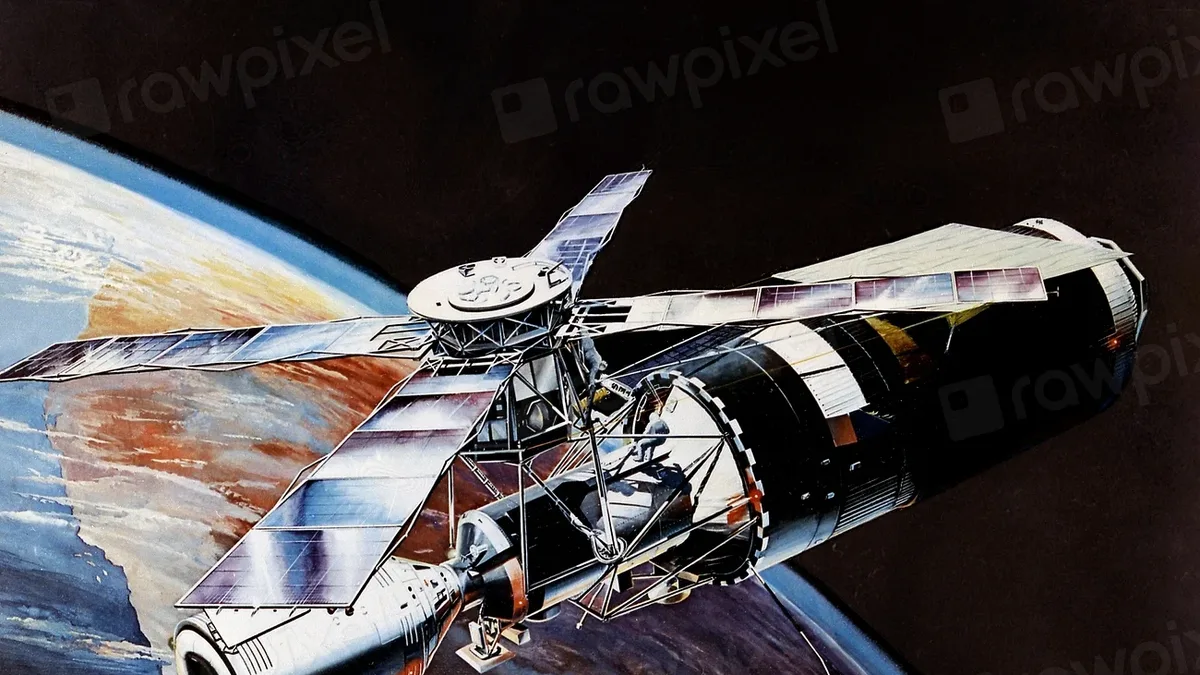
Stoke Space Secures $1 Billion Series E Funding
Stoke Space has raised an initial $1 billion in a Series E funding round, bringing total capital raised to $2.3 billion.
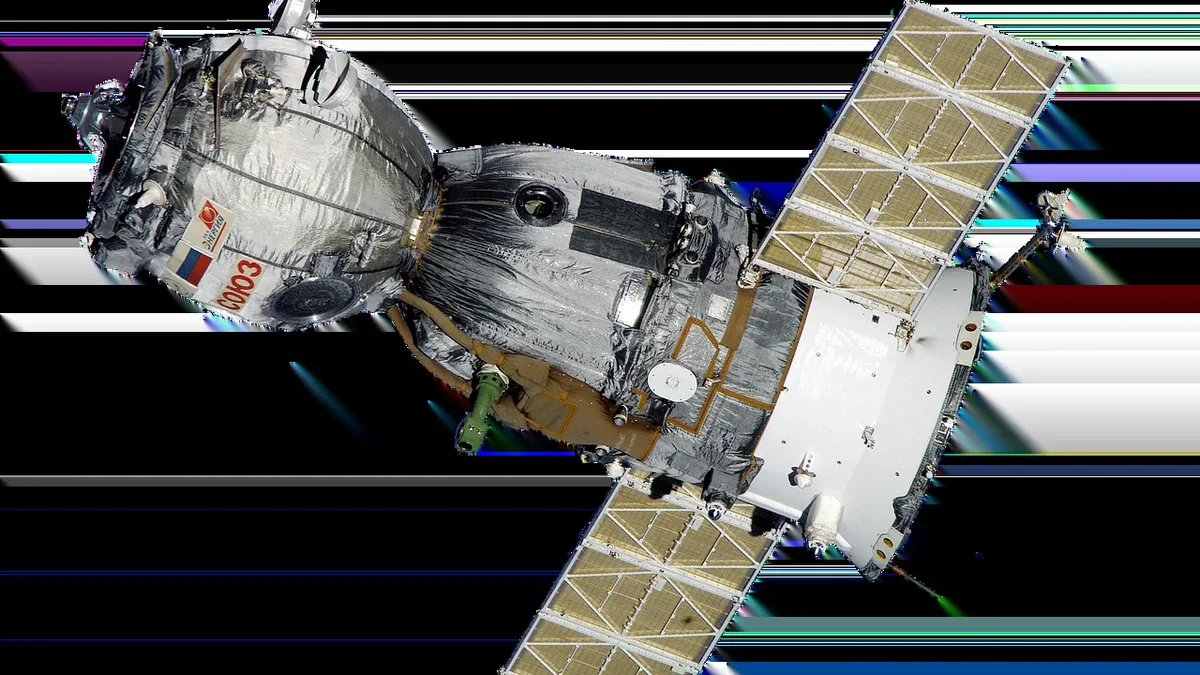
ESA Hosts FLEX and Sentinel-3C Launch Re-Watch Event
The European Space Agency will host a media event on September 15, 2026, to re-watch the Vega-C launch of the FLEX and Sentinel-3C Earth observation
ESA Reviews Rocket Capacity as Amazon Orders Pressure Launch
The European Space Agency is assessing if its current rocket fleet can handle a satellite launch demand surge expected to peak around 2030, driven by...

European Space CEOs Call for Overhaul of Fragmented Sector
A report from trade group ASD Eurospace, based on anonymous interviews with 15 industry CEOs, reveals deep dissatisfaction with Europe's fragmented...
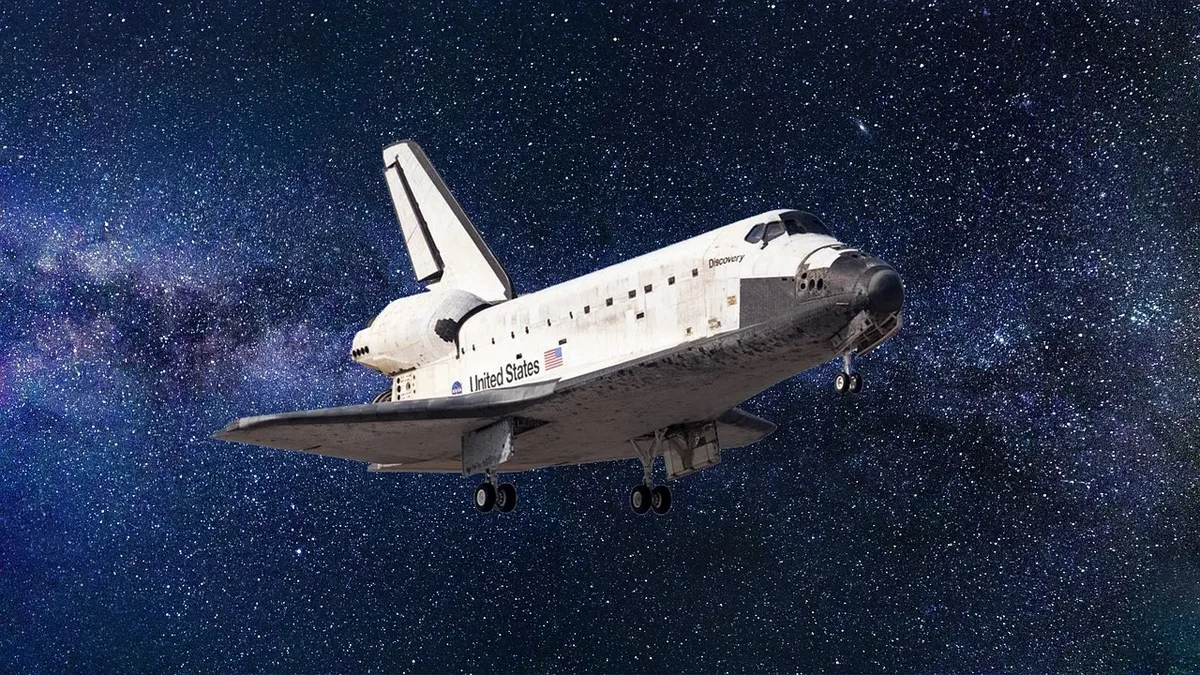
Sierra Space Books Dream Chaser First Flight Payloads
Sierra Space has secured undisclosed national security and commercial customers to fly payloads on the inaugural mission of its Dream Chaser...

China’s Rocket Startups Tie Orbital Flights to IPO Plans
Chinese commercial space firms must achieve orbital insertion with reusable medium-to-large launch vehicles to qualify for STAR Market listings...