
Eu Space Act And European Space Law
| Original use | To establish a comprehensive framework for the governance of space activities in the European Union |
|---|---|
| First created | 2024 |
| Legal status | European Union regulation (binding legislative act) |
| Scope | Applies to all space activities under EU jurisdiction and to EU space activities worldwide |
| Primary objectives | Ensuring safety, sustainability, and security of space activities; promoting a competitive European space sector |
| Key principles | Sustainability, responsibility, cooperation, and the peaceful use of outer space |
| Main regulatory areas | Authorization and supervision of space activities, space traffic management, liability, registration |
Origin and history
The foundational framework for European Space Law originates from the collective efforts of European nations, primarily through the European Space Agency (ESA) and the European Union. Its development began in earnest in the late 20th century, alongside the growth of Europe's autonomous space capabilities. The need for a coordinated legal approach became more pressing with the increase in commercial launch activities and satellite deployments from European territory. Key milestones include the establishment of ESA's Convention in the 1970s and subsequent EU competencies in space matters formalized in the Lisbon Treaty of 2009. The term "EU Space Act" often refers to proposed or enacted regulations, like the Space Regulation proposed in the 2020s, which aims to create a unified framework for safety, liability, and sustainability. This evolving body of law builds upon a patchwork of national space laws from member states like France, Germany, and the UK, which were developed from the 1960s onwards.
What it is for
European Space Law exists to provide a legal and regulatory structure for all space activities undertaken under European jurisdiction or by European entities. Its primary purpose is to ensure the safety and sustainability of operations in outer space, including the launch phase, on-orbit activities, and end-of-life disposal. It serves to implement Europe's international obligations under treaties from the United Nations Office for Outer Space Affairs (UNOOSA) at a regional and national level. A core function is to establish clear rules for authorization, continuing supervision, and liability for space objects, thereby protecting public safety on Earth and in space. It also aims to create a predictable legal environment to foster innovation and competitiveness within the European commercial space sector. Furthermore, it provides mechanisms for addressing emerging challenges such as space traffic management, planetary protection, and the mitigation of space debris.
Overview
European Space Law is not a single statute but a complex, multi-layered system comprising international treaties, EU regulations and directives, and the national laws of individual European states. At its heart are the five UN space treaties, which form the bedrock of international space law and are binding on European states that have ratified them. The European Union has developed specific regulations for its flagship programs, namely the Galileo satellite navigation system and the Copernicus Earth observation program, governing their operation and data use. The proposed EU Space Regulation seeks to establish a common licensing framework for commercial launch service providers and satellite operators across member states. This body of law covers the entire lifecycle of a space mission, from the licensing of the launch vehicle and payload to the management of the launch window and orbital slots. It also encompasses rules for liability, where the launching state is internationally liable for damage caused by its space objects, a principle then cascaded down to operators through national laws.
What to know
Any entity planning a launch from European territory or operating a space object under a European flag must first secure authorization from the relevant national authority, a process governed by that state's implementation of space law. The regulatory scrutiny applies separately to the launch vehicle, which is assessed for its technical safety and reliability, and the payload, which is evaluated for its intended function and compliance with security and debris mitigation standards. The concept of the launch window is not just a technical and meteorological consideration but also a legal one, as the authorization is typically specific to a defined timeframe and launch site. Operators must carry mandatory third-party liability insurance, the minimum levels of which are set by national law to cover potential damage on Earth or to other space assets. There is an ongoing trend toward harmonization, where the EU aims to reduce fragmentation by setting common requirements, though national laws currently still differ significantly in their administrative procedures and specific technical standards. Non-compliance can result in the denial of a license, substantial financial penalties, or even criminal liability in severe cases, in addition to potential international liability claims against the state.
Common questions
A common question is whether a single EU license exists for a launch that will occur in one member state but is operated by a company from another; currently, the answer is no, as the operator must obtain a license from the state where the launch is physically conducted, though this is a key area targeted for harmonization. Entities often ask about liability, specifically how far their insurance must extend and for how long, which depends on national law but typically covers from pre-launch operations through the lifetime of the mission and sometimes beyond. Many wonder about the legal status of novel activities like space tourism, on-orbit servicing, or lunar mining, which are addressed under existing principles of authorization and liability but may require new, specific regulations as they mature. A frequent point of confusion is the distinction between ESA regulations, which govern its internal projects and procurement, and EU law, which creates binding rules for member states and their commercial operators. Operators also inquire about the process for registering their space object with the UN, which is a legal obligation for the launching state, usually facilitated through the national licensing authority. Questions about enforcement jurisdiction for incidents occurring in outer space are complex, generally relying on the nationality of the operator or the state of registry of the involved space object.
Pros and cons
A significant pro of this legal framework is that it provides essential legal certainty and a structured path to market for European commercial space companies, which is crucial for attracting investment. The emphasis on safety and debris mitigation standards promotes responsible behavior, helping to protect the long-term sustainability of the space environment for all operators. The cons include the current fragmentation and complexity, where differing national regulations can create bureaucratic hurdles and increased costs for companies operating across borders, stifling innovation. Smaller startups or research institutions often regret navigating this landscape due to the high administrative burden and legal costs associated with the licensing process, which can be disproportionate for small-scale missions. A common mistake is underestimating the timeline and documentation required for the authorization process, leading to costly delays in launch schedules. Furthermore, the rapid pace of technological change often outstrips the slower process of lawmaking, creating regulatory gaps or uncertainties for pioneering activities like active debris removal or in-space manufacturing.
Who it suits
This regulatory environment best suits established aerospace prime contractors and large institutional operators like ESA or national space agencies, which have the dedicated legal and regulatory affairs departments to manage compliance. It is also suited for well-funded commercial entities with mature business plans that can absorb the costs and delays associated with licensing as part of their standard project overhead. The framework is less suited to academic cubesat projects, small startups, or "NewSpace" companies pursuing rapid, agile development cycles, for whom the regulatory process can be a disproportionate barrier. Operators whose missions are purely commercial and involve well-understood technologies in well-regulated domains, like Earth observation or telecommunications in standard orbits, will find a more predictable path. Entities prioritizing operational safety and long-term sustainability, and who value the legitimacy conferred by rigorous oversight, are a natural fit for this system. Conversely, those seeking a highly flexible, minimally regulated testing environment for radically novel technologies may find the current European legal landscape challenging to navigate efficiently.
Latest Eu Space Act And European Space Law news
Latest reporting
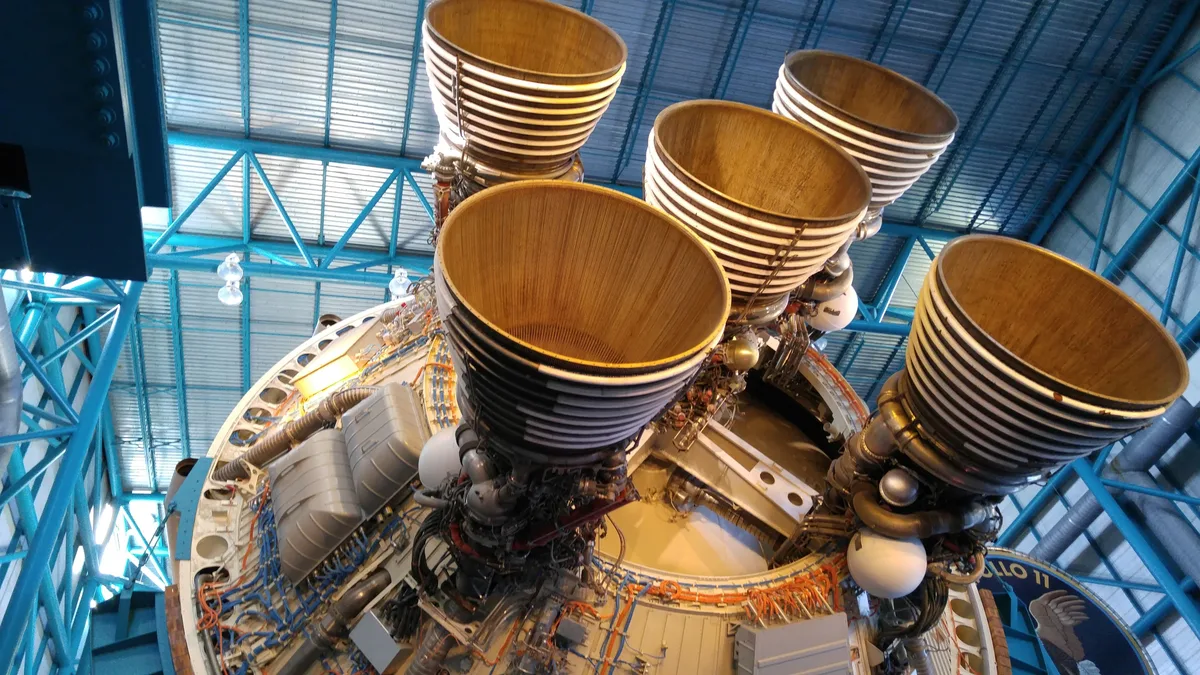
The Exploration Company Raises $450 Million for Nyx Capsule
European startup The Exploration Company has raised $450 million in Series C funding to develop its Nyx reusable cargo capsule and Storm reusable...
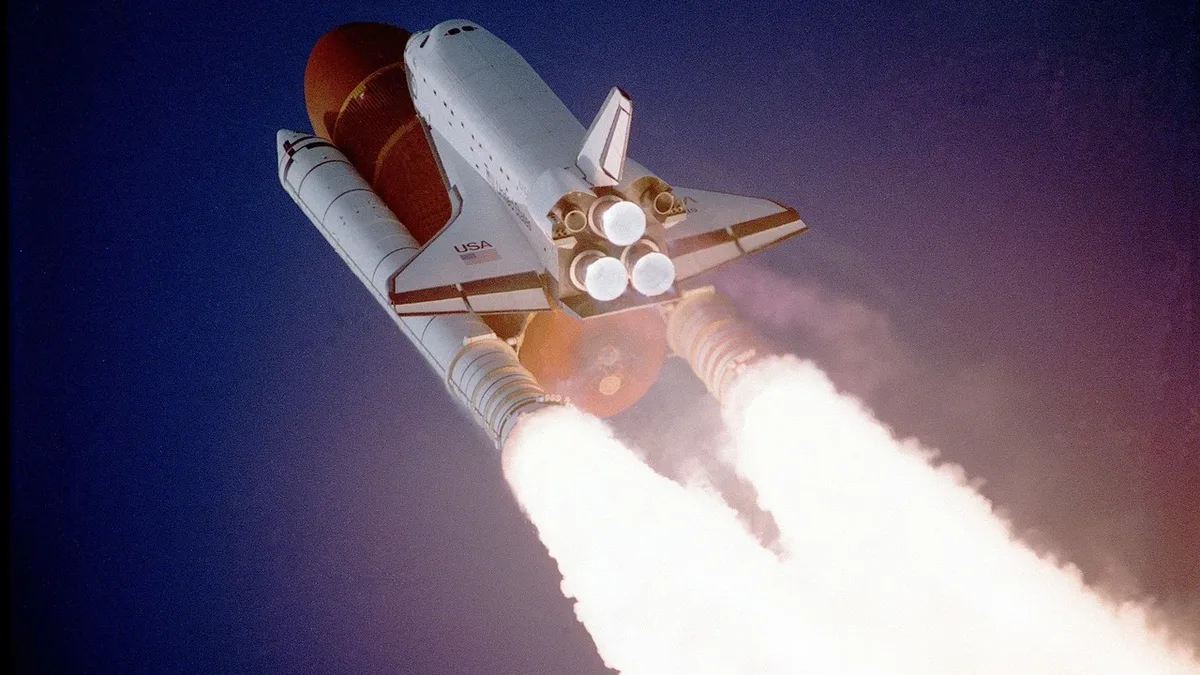
Stoke Space Secures $1 Billion Series E Funding
Stoke Space has raised an initial $1 billion in a Series E funding round, bringing total capital raised to $2.3 billion.
ESA Hosts FLEX and Sentinel-3C Launch Re-Watch Event
The European Space Agency will host a media event on September 15, 2026, to re-watch the Vega-C launch of the FLEX and Sentinel-3C Earth observation
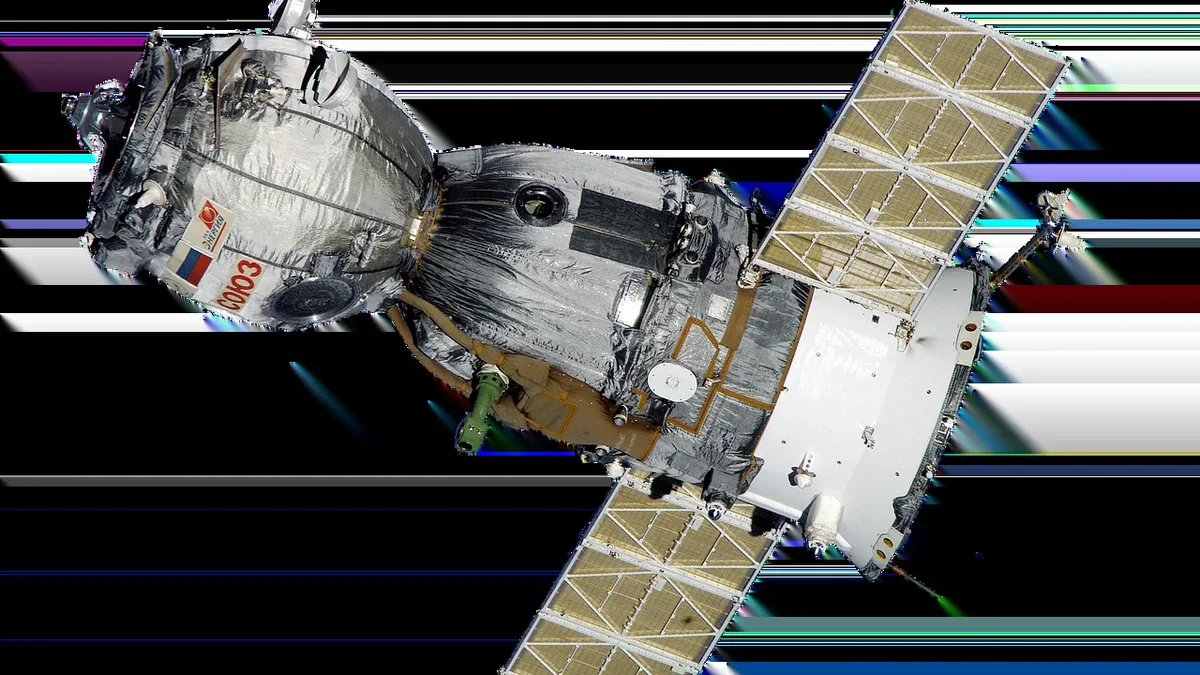
ESA Reviews Rocket Capacity as Amazon Orders Pressure Launch
The European Space Agency is assessing if its current rocket fleet can handle a satellite launch demand surge expected to peak around 2030, driven by...

Isar Aerospace's Spectrum Rocket Reaches Orbit on First
Isar Aerospace successfully launched its Spectrum rocket from Norway, deploying five CubeSats. This marks the first privately funded European orbital...

European Space CEOs Call for Overhaul of Fragmented Sector
A report from trade group ASD Eurospace, based on anonymous interviews with 15 industry CEOs, reveals deep dissatisfaction with Europe's fragmented...