European Service Module And Artemis Assignments
| Country of origin | International (led by ESA, with NASA) |
|---|---|
| First created | 2010s (first module delivered 2018) |
| Original use | To provide propulsion, power, water, and air for a crewed spacecraft |
| Manufacturer | Airbus Defence and Space (prime contractor) |
| Operator | NASA (as part of the Orion spacecraft) |
| Primary function | Service module for the Orion spacecraft |
| Propulsion type | Chemical (main engine and reaction control thrusters) |
| Power source | Solar arrays |
Origin and history
The European Service Module (ESM) is a major contribution from Europe, specifically the European Space Agency (ESA), to NASA's Artemis program. Its origins are deeply rooted in ESA's prior experience developing the Automated Transfer Vehicle (ATV), an unmanned cargo spacecraft that serviced the International Space Station. The decision to develop the ESM as a transatlantic partnership was formalized in the early 2010s, following political agreements between NASA and ESA. This collaboration leverages European expertise in spacecraft servicing and life support systems for a new human exploration endeavor. The history of the ESM is therefore a continuation of Europe's role as a reliable partner in major international space infrastructure projects. Its development marks a significant shift from low-Earth orbit logistics to deep space exploration support.
What it is designed for
The European Service Module is designed as the primary power and propulsion element for the Orion spacecraft, which will carry astronauts beyond Earth orbit. Its core function is to provide critical life support for the crew, including water, breathable air, and thermal control throughout the mission duration. The module is responsible for executing the major trajectory maneuvers, including trans-lunar injection and course corrections, using its main engine and auxiliary thrusters. It also generates and stores all electrical power for the Orion capsule via its four large solar arrays. Furthermore, the ESM is designed to manage fuel and consumables storage for missions lasting several weeks. Ultimately, it is engineered for the specific demands of Artemis missions, which involve prolonged exposure to the deep space environment and high-speed re-entries.
Development and versions
Development of the European Service Module began in earnest following the formal adoption of the program by ESA member states in the early 2010s. The primary industrial contractor is Airbus Defence and Space, which leads a consortium of companies across Europe, building upon the heritage of the Automated Transfer Vehicle. The first version, ESM-1, was integrated and delivered for the uncrewed Artemis I test flight. ESM-2 through ESM-4 are in various stages of production and are designated for the initial crewed Artemis missions, including Artemis II, III, and IV. Each successive version incorporates minor design refinements and lessons learned from prior builds, but the core architecture remains consistent. Future versions may see upgrades to support longer-duration missions or enhanced capabilities as the Artemis program evolves toward a sustained lunar presence.
Overview
The European Service Module is a cylindrical structure approximately four meters in diameter and height. It is constructed around a central carbon-fiber-aluminum honeycomb backbone that houses the main propulsion system, including the Orbital Maneuvering System Engine, a repurposed Space Shuttle Orbital Maneuvering System engine. Four wing-like solar arrays, each 7 meters long, unfold after launch to generate up to 11 kilowatts of electrical power. The module contains over 30 kilometers of wiring to connect its avionics, power distribution, and control systems. It holds 8.6 metric tons of propellant for the main engine and 24 smaller reaction control system thrusters. The ESM also integrates large tanks for storing water and nitrogen/oxygen gas for the crew cabin, alongside sophisticated radiators to reject excess heat into space.
What to know
The European Service Module is not a habitable volume; the crew remains in the attached Orion crew module for the entire flight. It is designed to be discarded and burn up in Earth's atmosphere just prior to the Orion capsule's re-entry, making it a single-use component for each mission. The module's performance is critical for mission success, as its engine must fire with precision to insert Orion into lunar orbit and later propel it back toward Earth. Its systems are designed to operate autonomously for long periods but can be commanded by astronauts or ground controllers. The international nature of the program means that while ESA provides the module, it is integrated with the NASA-built Orion crew module at Kennedy Space Center. Understanding the ESM is key to understanding the distributed, global partnership model of the Artemis program.
Common questions
A common question is why Europe is building such a critical part of an American spacecraft, which stems from the historical barter agreement where ESA's contribution offsets costs for its involvement in the International Space Station. People often ask if the ESM can be reused, but it is a consumable element sacrificed during re-entry to protect the crew module. Many inquire about the engine choice, which uses a proven Shuttle-era engine for its high reliability and thrust. Questions also arise about the module's ability to support missions to Mars, for which it was not originally designed, though its technology informs future deep space habitation studies. Another frequent query concerns radiation shielding, which is primarily handled by the Orion crew module, not the ESM. Finally, people ask about the number of modules planned, with ESA currently contracted to build six units to support Artemis missions through the mid-2020s.
Pros and cons
A significant advantage of the European Service Module is its heritage from the highly reliable Automated Transfer Vehicle, which provides a proven technical foundation for critical systems like propulsion and power. The international partnership distributes the substantial financial and technical burden of deep space exploration, making the Artemis program more politically and economically sustainable. However, a notable con is the programmatic complexity introduced by transatlantic development, which can lead to integration challenges, schedule dependencies, and communication overhead between NASA and ESA. The single-use design, while simplifying crew safety by isolating them from fuel and machinery, is inherently expensive and resource-intensive compared to theoretical reusable architectures. Some critics argue that this design locks in high per-mission costs for the foreseeable future. A common mistake in public perception is underestimating the ESM's role, focusing solely on the Orion capsule, when in fact the mission cannot proceed without this European component.
Who it suits
The European Service Module suits the needs of a space agency, NASA, that requires a reliable, high-performance service module but operates within budget constraints that favor international partnership over solely domestic development. It suits the European Space Agency and its member states by providing a flagship human spaceflight project that utilizes existing industrial expertise and secures a central role in the next era of lunar exploration. This arrangement suits policymakers seeking to strengthen transatlantic ties through shared, ambitious technological endeavors. It does not suit organizations or missions requiring a fully reusable spacecraft architecture or those with an aversion to the managerial complexities of major international collaboration. The ESM is ideally suited for the specific profile of Artemis missions, which are of defined duration and require a robust, one-time propulsion and life-support bus.
Latest European Service Module And Artemis Assignments news
Latest reporting
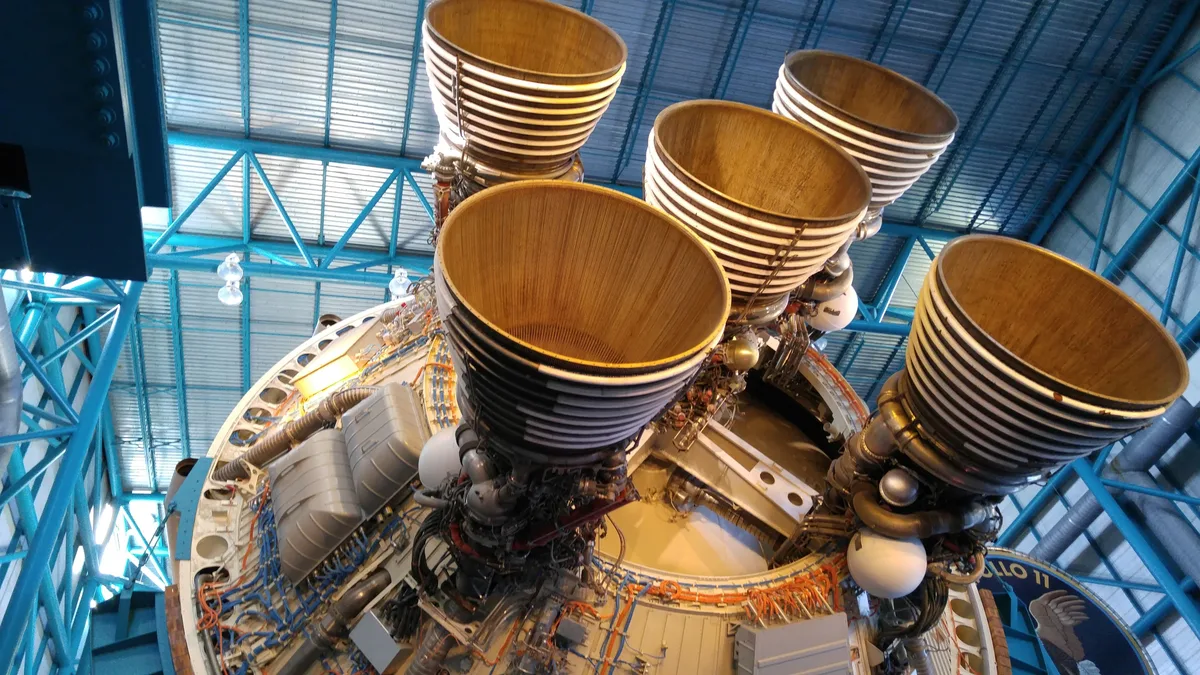
The Exploration Company Raises $450 Million for Nyx Capsule
European startup The Exploration Company has raised $450 million in Series C funding to develop its Nyx reusable cargo capsule and Storm reusable...
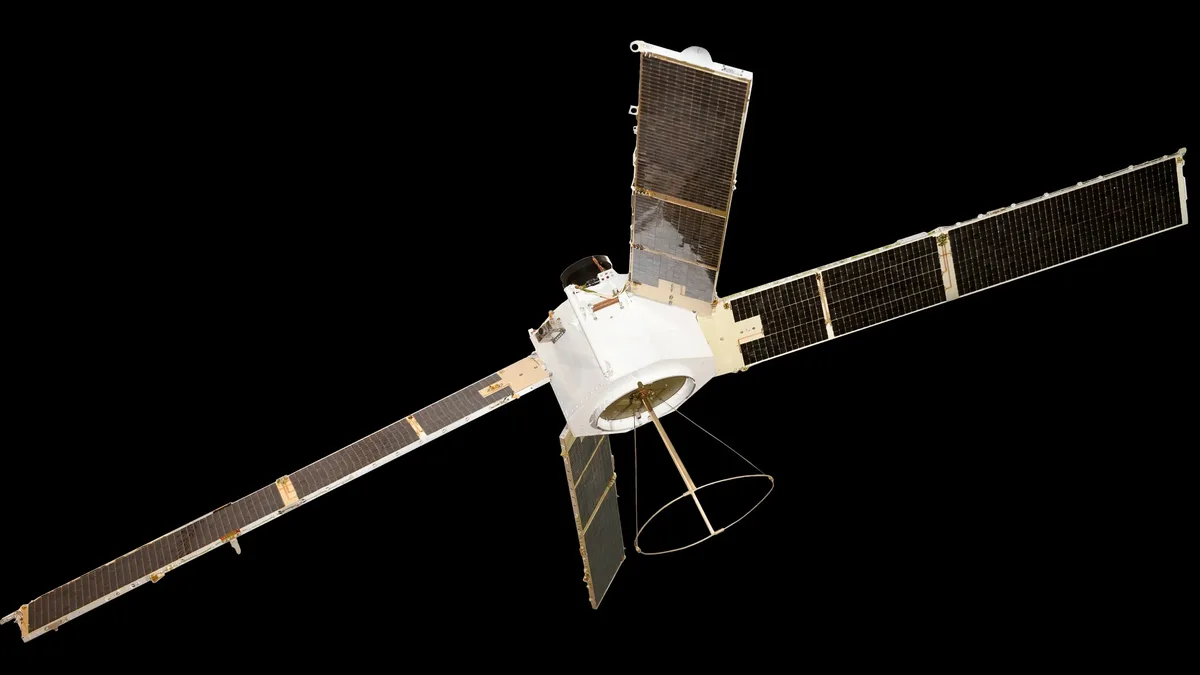
EUMETSAT Launches Climate Anomalies and Normals Service
EUMETSAT has unveiled a new service that uses over 40 years of satellite data to map monthly climate anomalies against a 30-year average.
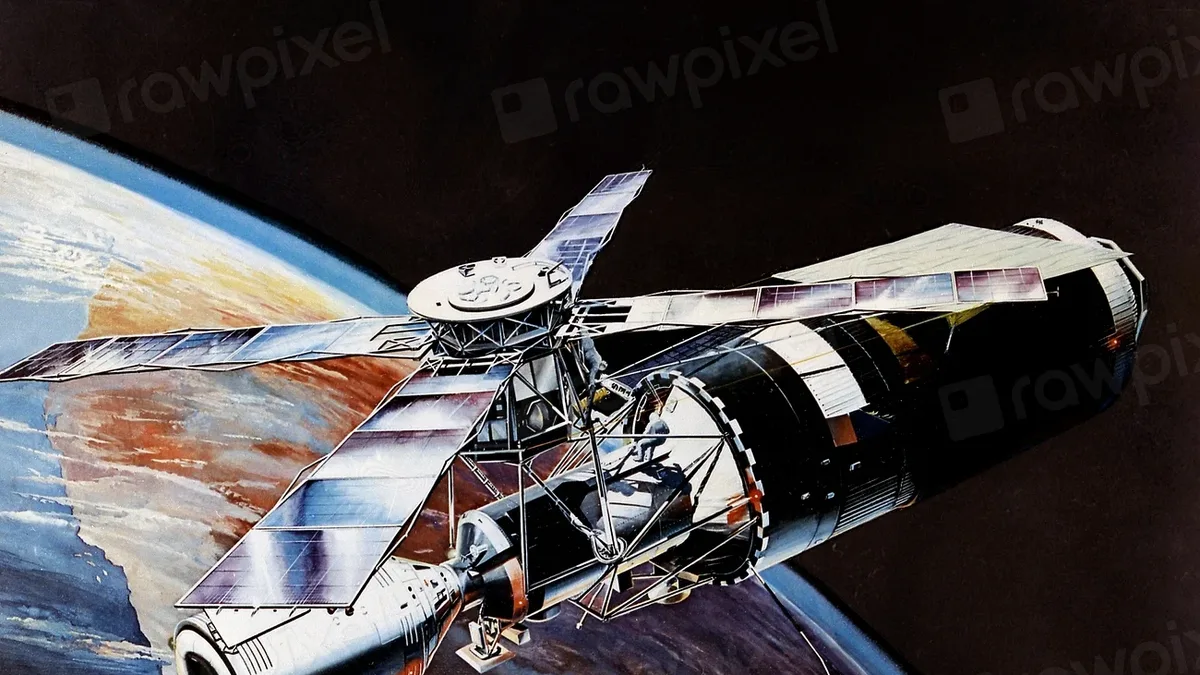
ESA Hosts FLEX and Sentinel-3C Launch Re-Watch Event
The European Space Agency will host a media event on September 15, 2026, to re-watch the Vega-C launch of the FLEX and Sentinel-3C Earth observation
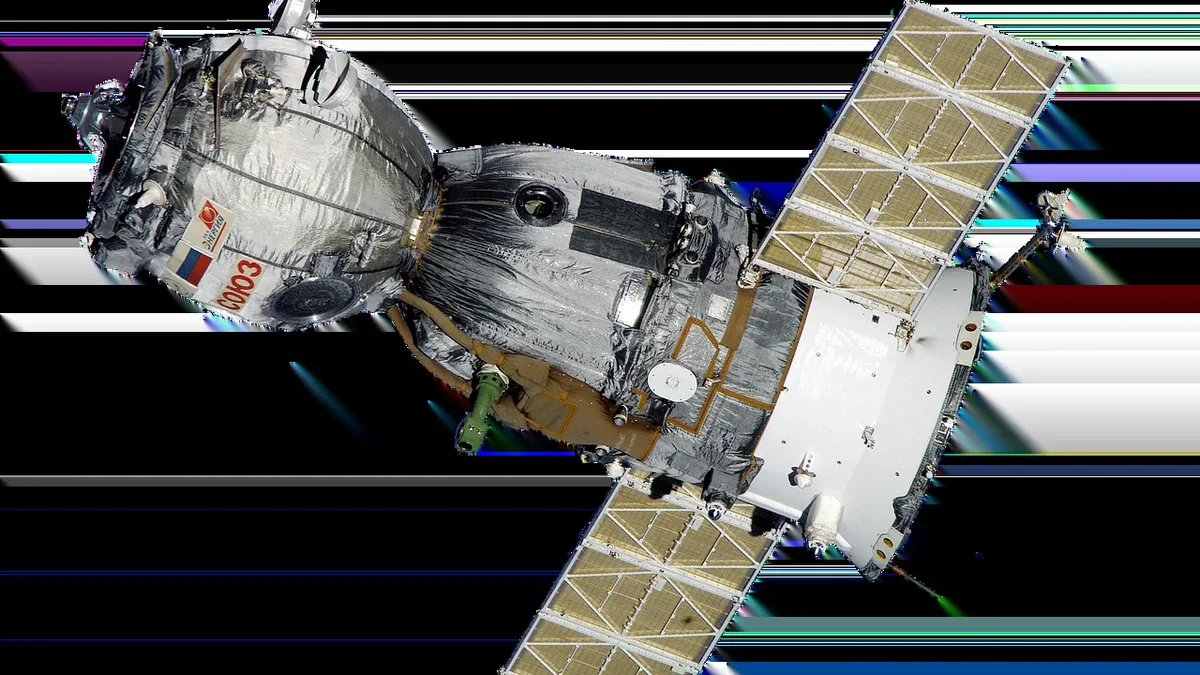
ESA Reviews Rocket Capacity as Amazon Orders Pressure Launch
The European Space Agency is assessing if its current rocket fleet can handle a satellite launch demand surge expected to peak around 2030, driven by...
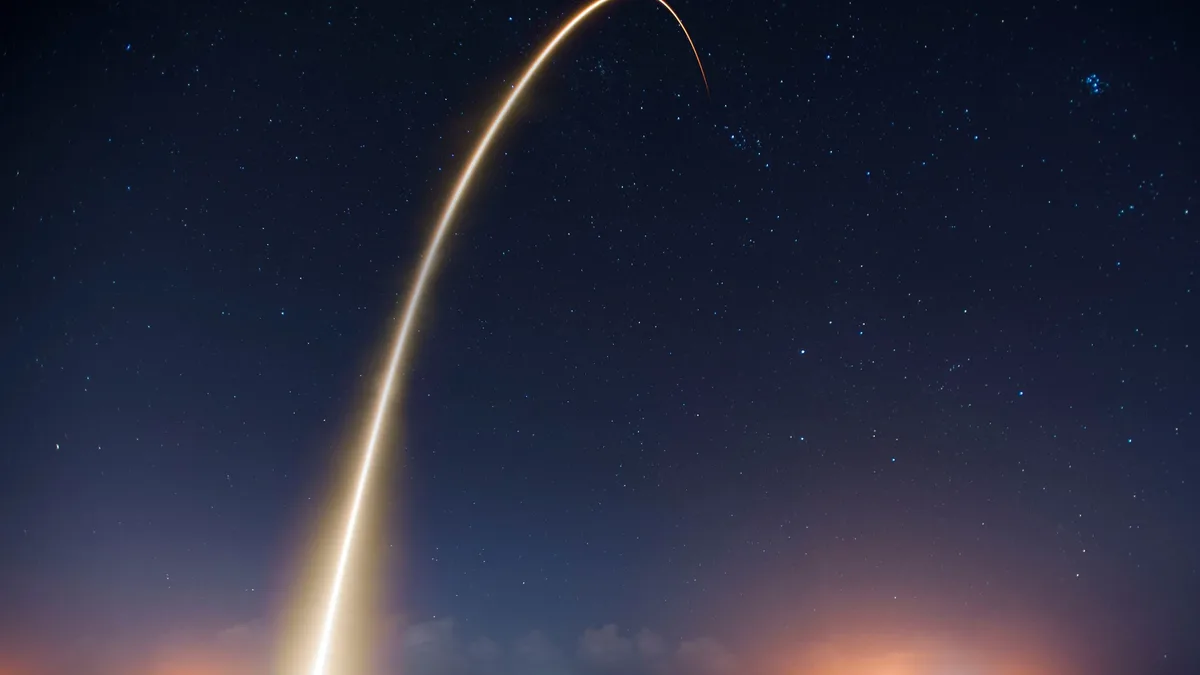
Isar Aerospace's Spectrum Rocket Reaches Orbit on First
Isar Aerospace successfully launched its Spectrum rocket from Norway, deploying five CubeSats. This marks the first privately funded European orbital...

European Space CEOs Call for Overhaul of Fragmented Sector
A report from trade group ASD Eurospace, based on anonymous interviews with 15 industry CEOs, reveals deep dissatisfaction with Europe's fragmented...