National Space Legislation And Licensing
| Country of origin | Varies by launch provider |
|---|---|
| Governing body | National space agency or designated regulatory authority |
| Primary legal framework | National space act or equivalent statute |
| License scope | Launch vehicle, payload, and launch window |
| Regulatory compliance | Technical safety, environmental impact, orbital debris mitigation |
| Application process | Pre-application consultation, formal submission, review, issuance |
| Insurance requirement | Third-party liability coverage mandatory |
| Launch site | Designated national territory or licensed facility |
Origin and history
National Space Legislation and Licensing originated primarily from the United States in the mid-20th century, concurrent with the dawn of the space age. The foundational framework was established in the 1950s and 1960s as government-led space activities necessitated formal legal structures. Other spacefaring nations, such as the Soviet Union (now Russia), and later European states, developed their own domestic frameworks following similar timelines. The need for such legislation intensified in the late 20th century with the emergence of commercial satellite and launch service providers. International treaties, particularly the Outer Space Treaty of 1967, obligated states to authorize and supervise national space activities, directly prompting domestic laws. This historical progression shifted space from a purely governmental domain to one involving regulated private sector participation.
What it is for
National Space Legislation and Licensing serves to fulfill a state's international obligations under the Outer Space Treaty. Its primary function is to authorize and provide continuing supervision of all national space activities, whether conducted by governmental or non-governmental entities. The framework is designed to ensure that space operations comply with national security and foreign policy interests. A core purpose is to establish clear rules for liability, assigning financial responsibility to the state for damage caused by its space objects, which the state then typically seeks to recover from the licensed operator. It creates a legal pathway for commercial entities to obtain permission to conduct specific activities like launch, satellite operation, or remote sensing. The system also aims to promote safety, through technical and financial requirements, and to ensure the long-term sustainability of the space environment by regulating debris mitigation and end-of-life procedures.
Overview
National Space Legislation and Licensing constitutes the domestic legal and regulatory framework a country uses to govern space activities originating from its territory, facilities, or under its jurisdiction. It translates broad principles from international space law into enforceable national rules and procedures. A typical framework includes a primary space act or law, supplemented by detailed regulations and overseen by a designated national licensing authority, often a civil aviation or communications agency. The licensing process involves submitting applications detailing the mission's technical, operational, and financial aspects for government review and approval. Licenses are activity-specific, covering the launch vehicle, each payload, and the mission profile, including orbital parameters and timeframe. Compliance monitoring continues throughout the licensed activity's lifecycle, from pre-launch through end-of-life disposal.
What to know
A key concept is that the license is not a single document but a bundle of authorizations tailored to the specific mission, covering the launch vehicle, the payload, and the launch window or orbital slot. Operators must understand that obtaining a license is a prerequisite for legal operation and often for securing insurance and financing. The regulatory process is inherently interdisciplinary, requiring engagement with technical, legal, financial, and policy experts to satisfy the authority's requirements. Applicants should be prepared for a lengthy and iterative review process that can significantly impact mission design and timelines. Knowledge of the national framework is essential, as requirements vary significantly between states like the United States, the United Kingdom, or the United Arab Emirates. Crucially, compliance does not end at launch, as post-launch reporting, orbital operations, and disposal maneuvers are all conditioned within the license.
Common questions
A frequent question is whether a license is required for a small satellite or a university project, and the answer is almost always yes if it involves launch or operation in outer space. Many ask about the typical duration of the licensing process, which can range from several months to over a year depending on the complexity of the mission and the efficiency of the authority. Operators often inquire about liability, specifically the extent of their financial responsibility and the necessity for third-party liability insurance coverage, which is a standard license condition. A common area of confusion involves determining which national authority has jurisdiction, particularly for multinational projects or launches from foreign soil, which may involve multiple licenses. Questions frequently arise regarding the regulatory treatment of new technologies like on-orbit servicing, active debris removal, or constellation management, where legislation may lag behind innovation. Applicants also commonly seek clarity on the financial requirements, such as the size of the bond or proof of financial responsibility needed to cover potential liabilities.
Pros and cons
A primary advantage is that a robust licensing system provides legal certainty and a predictable pathway to market for commercial operators, fostering industry growth. It enhances overall safety and sustainability by mandating standards for vehicle reliability, orbital debris mitigation, and collision avoidance procedures. A significant con is that the process can be slow, costly, and administratively burdensome, particularly for new entrants or small companies, potentially stifling innovation. The regulatory framework may become outdated, struggling to keep pace with rapid technological advances like mega-constellations, small satellite swarms, and novel missions. A common mistake is underestimating the time and resource commitment required for licensing, leading to mission delays and budget overruns. Operators often regret choosing a jurisdiction based solely on perceived laxity, as an under-resourced or unpredictable regulatory authority can create greater uncertainty and risk than a strict but transparent one.
Who it suits
This regulatory framework suits established aerospace corporations and launch service providers who have dedicated legal and compliance departments to navigate the complex process. It is appropriate for government agencies themselves, which operate within the system they administer and require a formal mechanism to supervise private activities. The system suits larger, well-funded commercial satellite operators and constellation developers for whom regulatory compliance is a manageable component of a large-scale business plan. It is less suited to very small startups, academic cubesat projects, or experimental hobbyist groups without significant legal and financial resources, for whom the burden can be disproportionate. The framework ultimately serves nations with active commercial space sectors or ambitions to develop them, as it is a necessary infrastructure for participating responsibly in the global space economy.
Latest National Space Legislation And Licensing news
Latest reporting
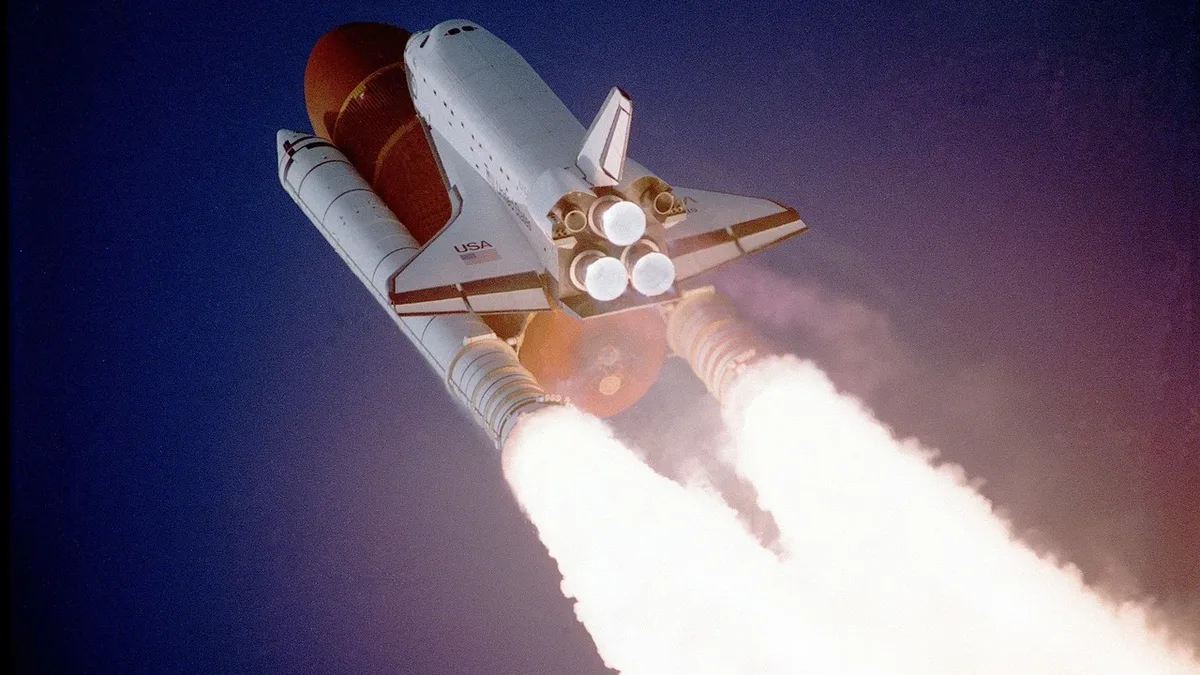
Stoke Space Secures $1 Billion Series E Funding
Stoke Space has raised an initial $1 billion in a Series E funding round, bringing total capital raised to $2.3 billion.
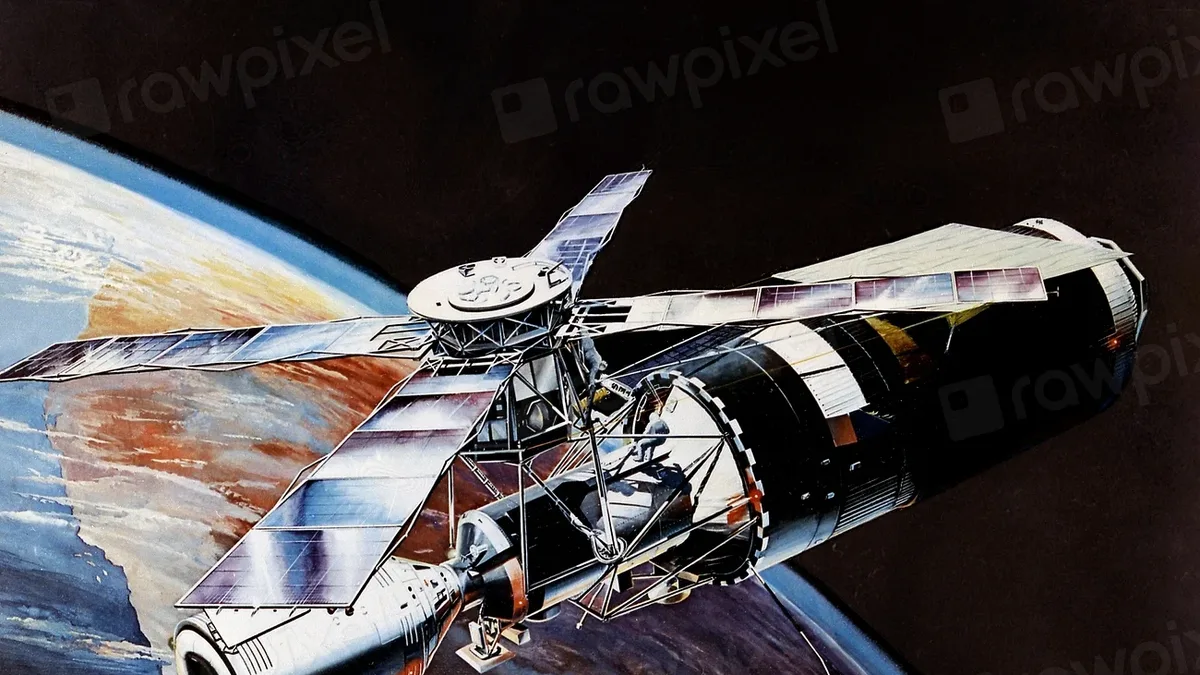
ESA Hosts FLEX and Sentinel-3C Launch Re-Watch Event
The European Space Agency will host a media event on September 15, 2026, to re-watch the Vega-C launch of the FLEX and Sentinel-3C Earth observation
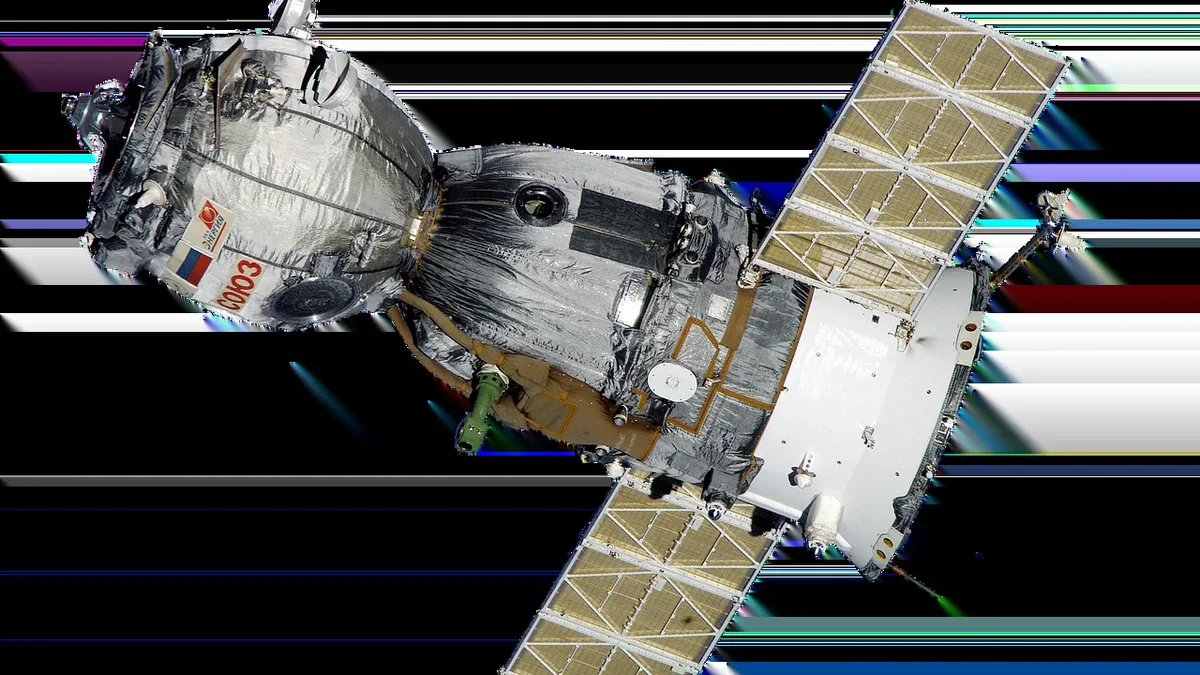
ESA Reviews Rocket Capacity as Amazon Orders Pressure Launch
The European Space Agency is assessing if its current rocket fleet can handle a satellite launch demand surge expected to peak around 2030, driven by...

European Space CEOs Call for Overhaul of Fragmented Sector
A report from trade group ASD Eurospace, based on anonymous interviews with 15 industry CEOs, reveals deep dissatisfaction with Europe's fragmented...
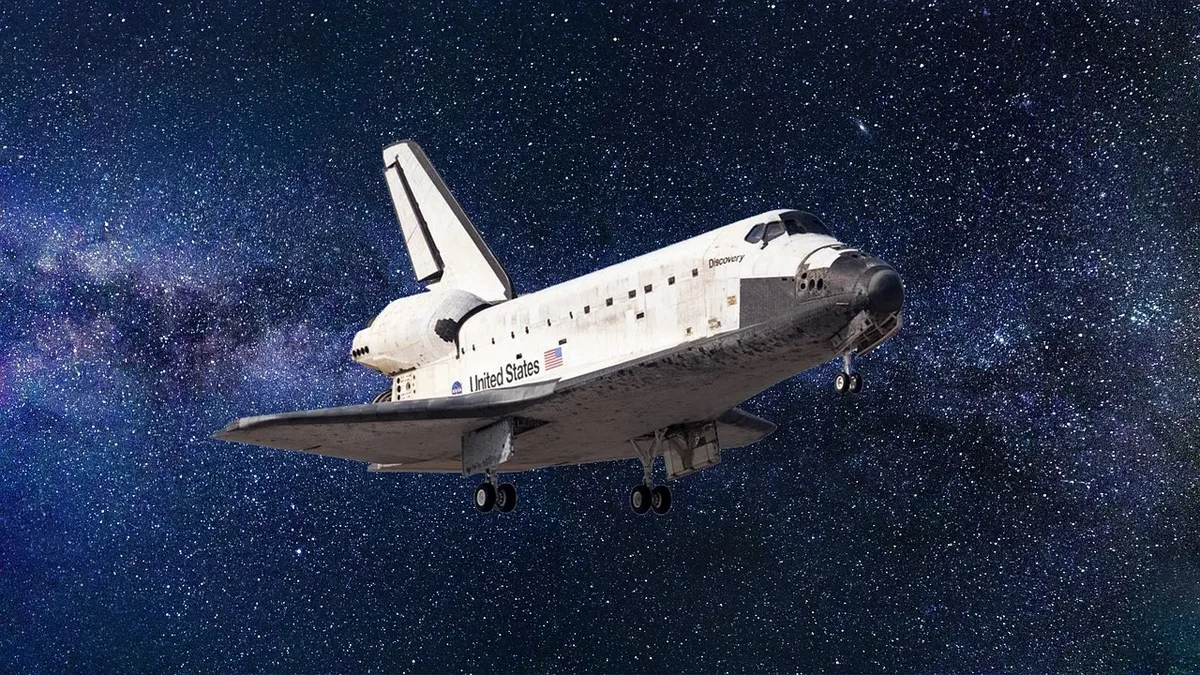
Sierra Space Books Dream Chaser First Flight Payloads
Sierra Space has secured undisclosed national security and commercial customers to fly payloads on the inaugural mission of its Dream Chaser...
China’s Rocket Startups Tie Orbital Flights to IPO Plans
Chinese commercial space firms must achieve orbital insertion with reusable medium-to-large launch vehicles to qualify for STAR Market listings...