New Space Companies In Europe
Origin and history
The concept of "New Space" companies in Europe emerged in the early 21st century, following a global shift toward commercial private spaceflight. This movement was a direct response to the long-standing dominance of large, government-funded agencies like the European Space Agency (ESA) and national entities. The region of origin for these companies is primarily within the member states of the European Union and the European Space Agency, with significant clusters in Germany, France, the United Kingdom, and Luxembourg. The foundational period for this industrial shift is broadly recognized as the 2010s, when several key companies were founded and began securing significant venture capital. This era coincided with updated European and national policies designed to foster a more competitive commercial space sector. The history is intrinsically linked to efforts to reduce launch costs, increase access to space, and develop new markets for satellite data and services.
What it is for
European New Space companies exist to provide commercial alternatives to traditional government-run space programs across the entire launch ecosystem. Their primary function is to design, manufacture, and operate launch vehicles for placing payloads into orbit at a lower cost and higher frequency. These companies develop specialized small-lift and medium-lift rockets tailored for the burgeoning market of small satellites, including constellations. A core purpose is to offer dedicated and rideshare launch services, giving satellite operators precise control over their orbital insertion and schedule. Furthermore, these companies often develop associated technologies for the "vehicle," such as reusable rocket stages, and for the "window," including advanced flight termination and range safety systems. Ultimately, their role is to make space access a routine, reliable, and customer-driven service for commercial, institutional, and scientific clients.
Overview
The European New Space launch sector comprises a diverse array of private companies competing to provide end-to-end launch solutions. The central element is the "vehicle," which includes developing new rockets like small-satellite launch vehicles (SSLVs) with innovations in propulsion, lightweight materials, and sometimes reusability. The "payload" aspect involves designing mission-specific integration processes, adapters, and deployment mechanisms for customers' satellites, which can range from CubeSats to larger spacecraft. The "window" refers not just to the instantaneous launch opportunity dictated by orbital mechanics, but to the entire schedule flexibility, booking process, and contractual agreement the company provides. These firms operate within a complex framework of national space laws, European regulations, and international treaties governing launch and orbital activities. Their operational model typically involves securing launch sites, often leveraging existing European spaceports, and conducting test campaigns to achieve flight heritage and reliability.
What to know
A key fact is that European New Space launch companies face stringent regulatory hurdles, requiring certification from both national space authorities and the European Union Space Surveillance and Tracking (EUSST) framework. The commercial launch market is intensely competitive, with these companies vying against established global players and each other for a share of the small satellite launch demand. Technical know-how is critical, as these firms must master complex disciplines including cryogenics, guidance navigation and control (GNC), and stage separation dynamics. Financial viability is a major concern, as developing a launch vehicle requires immense capital, leading to a business model heavily reliant on venture funding and pre-launch customer deposits. Companies must secure reliable supply chains for specialized components like turbopumps and composite structures, often within European borders due to export controls. Understanding the difference between sun-synchronous orbit (SSO) launches and other inclinations is essential, as SSO is a primary target for Earth observation satellites, a key customer base.
Common questions
A frequent question is how these companies differ from Arianespace, to which the answer is their private, agile structure and focus on smaller payload classes, though the line is blurring as Arianespace offers smaller vehicles. Many ask about the availability of launch sites, with companies utilizing facilities in French Guiana, Norway, the Azores, the UK, and Sweden, each with different logistical and regulatory profiles. Potential customers commonly inquire about the lead time from contract signing to launch, which can vary from months to years depending on the vehicle's development status and launch manifest. There are questions regarding payload integration interfaces, with companies typically adhering to standardized systems but also offering custom solutions for specific satellite configurations. Another common area of inquiry is insurance, covering both launch liability and satellite in-orbit performance, which is a complex and costly necessity. People often ask about the environmental impact, particularly concerning the use of different propellant types and the effect of launches on local ecosystems.
Pros and cons
A significant pro is the drive for innovation, leading to rapid development cycles, cost-saving manufacturing techniques, and specialized vehicles that fill gaps in the market. These companies offer greater schedule flexibility and customer service for small satellite operators compared to traditional rideshare options on larger rockets. The cons are substantial, including the high risk of technical failure during early test flights, which can destroy customer payloads and set back programs by years. Financial instability is a major drawback, with several companies facing bankruptcy before achieving orbital flight, leaving customers and investors with significant losses. A common mistake is underestimating the immense regulatory and safety certification burden, which can drain resources and cause multi-year delays in obtaining a launch license. Companies often regret over-reliance on a single launch site or vehicle configuration, which creates vulnerability to technical setbacks and range scheduling conflicts.
Who it suits
This model suits venture capital investors and institutional funds seeking high-risk, high-reward opportunities in a strategic technological sector with long development horizons. It is ideal for small satellite operators, particularly those building constellations, who require frequent, dedicated, and cost-effective access to specific orbits without being secondary payloads. The sector suits experienced aerospace engineers and technicians looking for dynamic, fast-paced work environments outside of large bureaucratic agencies or legacy contractors. It is appropriate for European governments and agencies seeking to foster strategic autonomy in space access and stimulate high-tech industrial growth through public-private partnerships. This landscape suits downstream application companies in Earth observation and telecommunications that depend on reliable and affordable launch services to deploy and replenish their satellite assets. It is less suited to risk-averse customers with single, irreplaceable scientific or national security payloads, who may prioritize the proven reliability of established launch providers.
Latest New Space Companies In Europe news
Latest reporting
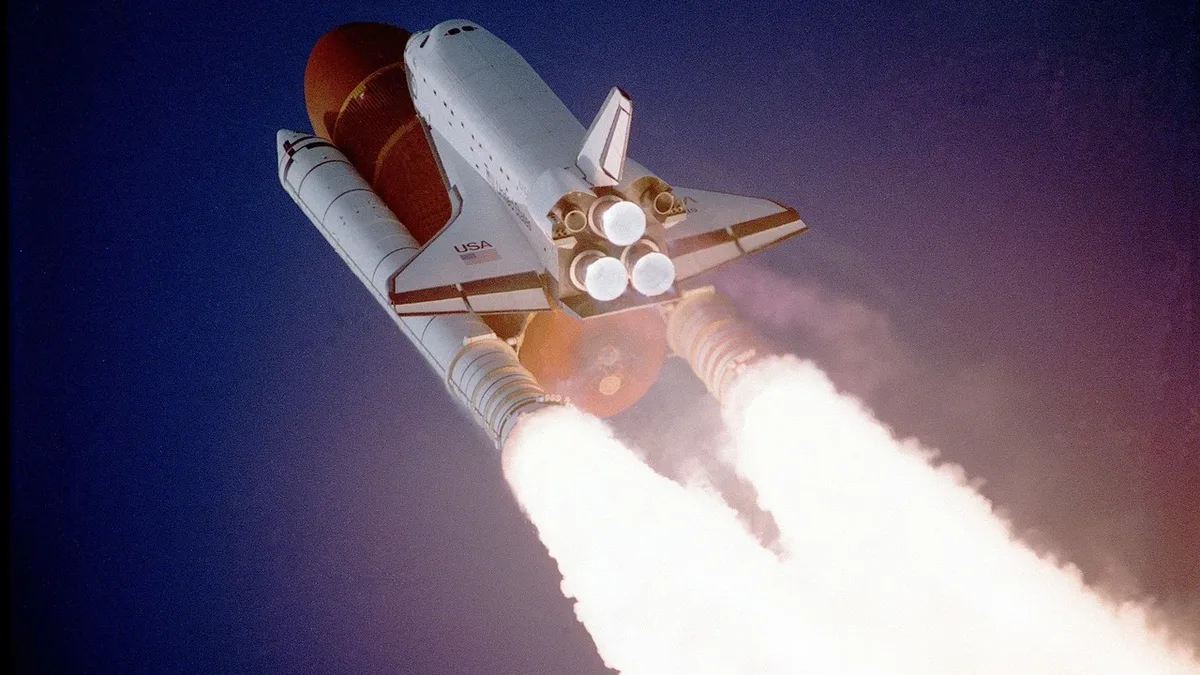
Stoke Space Secures $1 Billion Series E Funding
Stoke Space has raised an initial $1 billion in a Series E funding round, bringing total capital raised to $2.3 billion.
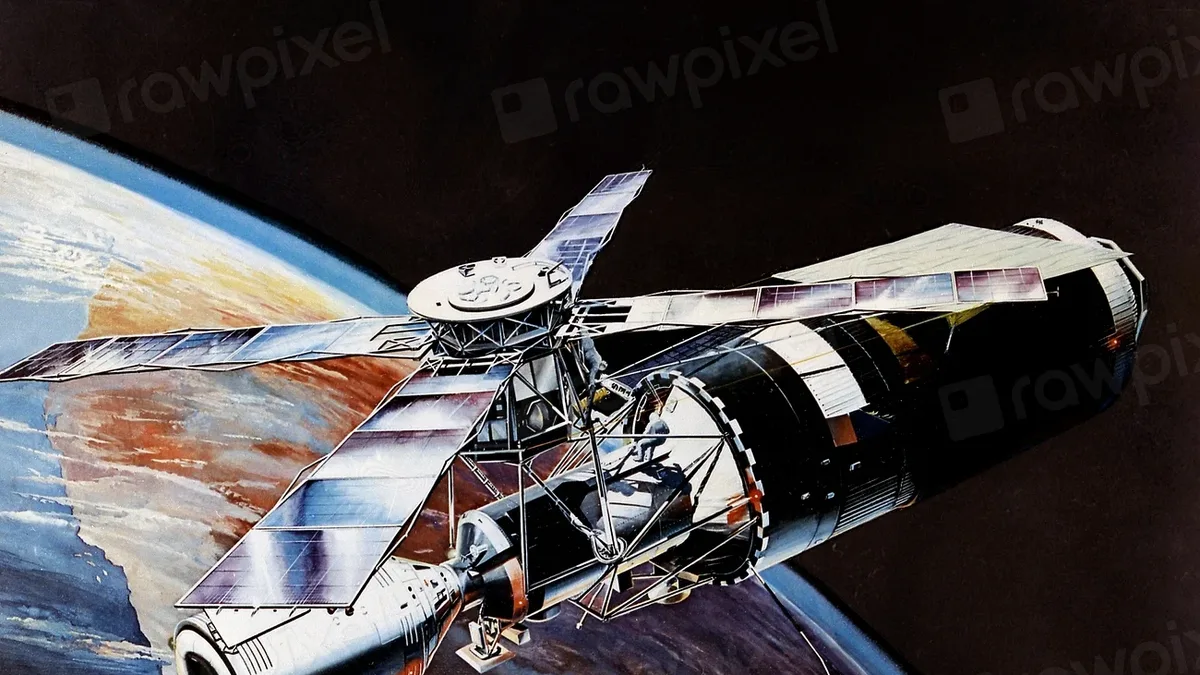
ESA Hosts FLEX and Sentinel-3C Launch Re-Watch Event
The European Space Agency will host a media event on September 15, 2026, to re-watch the Vega-C launch of the FLEX and Sentinel-3C Earth observation
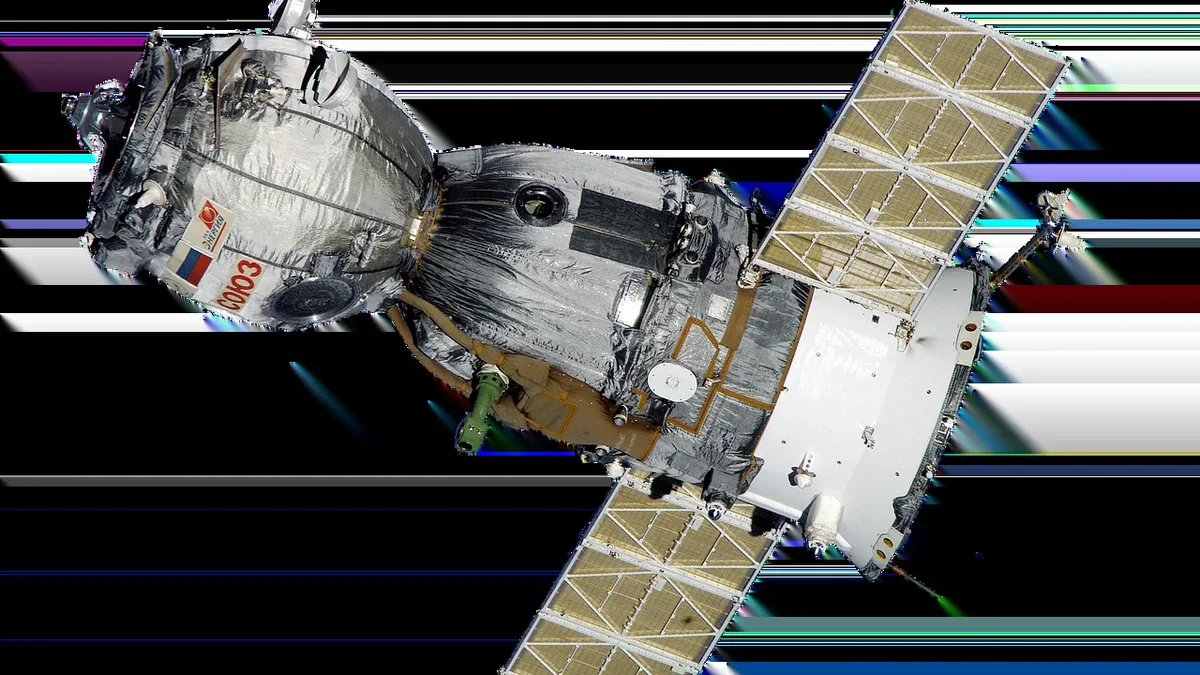
ESA Reviews Rocket Capacity as Amazon Orders Pressure Launch
The European Space Agency is assessing if its current rocket fleet can handle a satellite launch demand surge expected to peak around 2030, driven by...

Isar Aerospace's Spectrum Rocket Reaches Orbit on First
Isar Aerospace successfully launched its Spectrum rocket from Norway, deploying five CubeSats. This marks the first privately funded European orbital...

European Space CEOs Call for Overhaul of Fragmented Sector
A report from trade group ASD Eurospace, based on anonymous interviews with 15 industry CEOs, reveals deep dissatisfaction with Europe's fragmented...
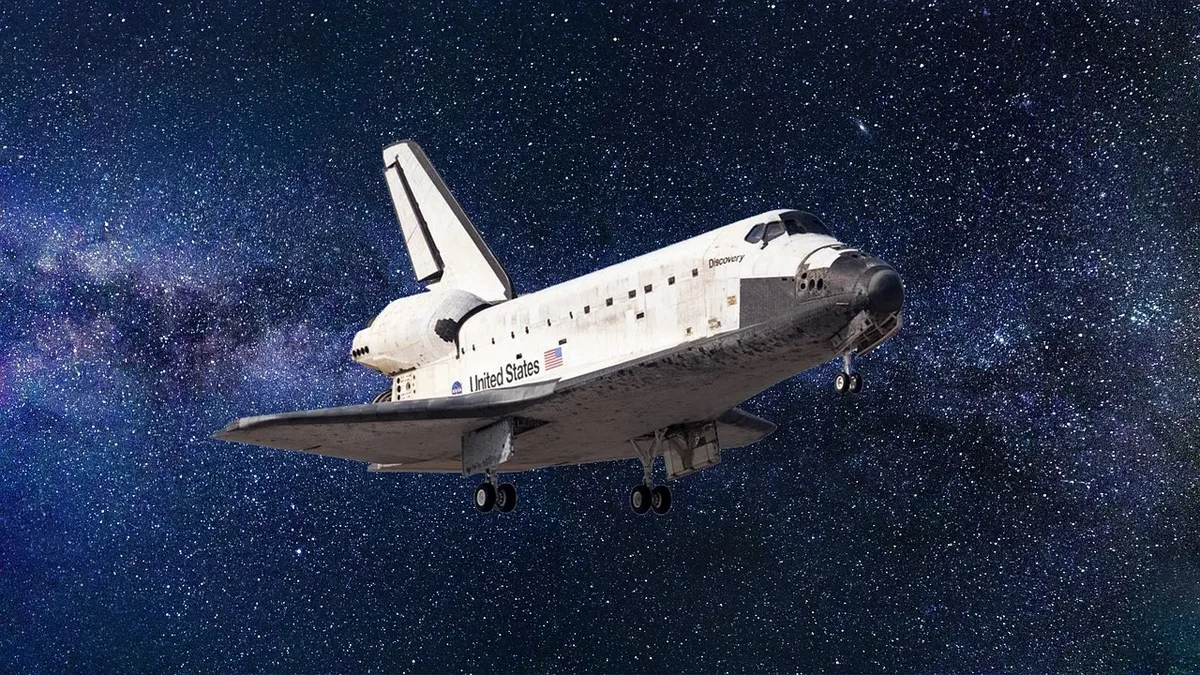
Sierra Space Books Dream Chaser First Flight Payloads
Sierra Space has secured undisclosed national security and commercial customers to fly payloads on the inaugural mission of its Dream Chaser...