
Space Traffic Management
| Launch vehicle | Name of the rocket used for the launch |
|---|---|
| Payload | Type and name of the satellite or cargo being launched |
| Launch window | Planned date and time range for the launch |
| Launch site | Name of the facility from which the launch occurs |
| Orbit | Intended orbital destination or trajectory |
| Mission operator | Organization responsible for the mission |
| Mission status | Current phase (e.g., scheduled, in flight, completed) |
Origin and history
Space Traffic Management (STM) is a conceptual and operational framework that originated from the need to coordinate increasing activity in Earth's orbital regions. Its foundational principles are derived from international air traffic management systems, adapted for the unique conditions of space. The concept began to coalesce in the late 20th century, particularly during the 1990s, as the number of operational satellites and debris objects grew noticeably. Initial discussions were largely driven by spacefaring nations and organizations like NASA and the European Space Agency, recognizing future congestion risks. The field gained significant formal traction in the 2010s with the planning and deployment of large commercial satellite constellations. It is not the product of a single country but an international evolution, with the United States, through the Department of Commerce and the Space Force, now playing a leading role in developing operational capabilities.
What it is for
Space Traffic Management exists to ensure the safe, sustainable, and efficient use of outer space, specifically the orbits around Earth. Its primary function is to prevent collisions between active spacecraft, such as satellites and crewed vehicles, and with the vast population of orbital debris. It serves to deconflict launch and re-entry windows, ensuring a vehicle's path to orbit does not intersect with existing objects. The framework is for managing the positional data of thousands of objects, providing conjunction assessments and warnings to operators. It is also for coordinating radiofrequency spectrum use to prevent communications interference between satellites. Ultimately, STM is for preserving the long-term usability of key orbital pathways, like low Earth orbit and geostationary orbit, by preventing a cascade of collisions known as the Kessler Syndrome.
Overview
Space Traffic Management is a comprehensive system encompassing tracking, data analysis, communication, and regulatory or policy guidelines. It relies on a global sensor network of ground-based radars and optical telescopes, and increasingly space-based sensors, to maintain a catalog of objects in orbit. This catalog includes active payloads, spent rocket bodies, fragmentation debris, and even tiny particles, though tracking focus is on objects large enough to cause catastrophic damage. Data from these sensors is processed by organizations like the U.S. Space Force's 18th Space Defense Squadron and commercial entities to calculate orbital trajectories and predict close approaches. When a high-risk conjunction is forecast, STM protocols involve alerting the relevant satellite operator, who may then plan and execute a collision avoidance maneuver. The overview extends to the pre-launch phase, where launch providers must often file flight plans and ensure their intended orbital insertion does not conflict with protected zones or other traffic.
What to know
A core thing to know is that there is no single, global governing authority for Space Traffic Management akin to air traffic control; it is a complex patchwork of national efforts, commercial services, and voluntary data-sharing agreements. You should know that the foundational dataset, the Space Object Catalog, is maintained militarily by several nations but is increasingly supplemented by commercial data. It is critical to understand that conjunction alerts are probabilistic; they present a calculated risk of collision, not a certainty, and operators must assess the cost of a maneuver against the risk. Know that "right of way" rules in space are not universally codified, leading to diplomatic and operational challenges when close approaches occur between satellites from different nations or companies. You should be aware that STM concerns extend through a satellite's entire lifecycle, including its eventual deorbiting or disposal, to ensure it does not become a long-term hazard. Finally, know that the regulatory environment is evolving rapidly, with new national and international guidelines emerging to address registration, data sharing, and best practices for space operations.
Common questions
A common question is who is responsible if two satellites collide, given the lack of a central traffic controller; liability is currently addressed through international space law treaties and bilateral discussions, which can be protracted. People often ask how close is "too close" for satellites; while there is no universal threshold, a standard metric used is the probability of collision, with many operators taking action if the risk exceeds 1 in 10,000. Many wonder why we cannot simply track everything; the physical limitations of sensor networks and the immense computational power needed for precise predictions of hundreds of thousands of objects make complete, real-time tracking of small debris impossible. A frequent question is whether STM will delay launches; while it adds a coordination step, the goal is to integrate launch schedules into the traffic picture to avoid delays caused by last-minute collision risks. Operators commonly ask about the cost of compliance, which includes purchasing conjunction data services, maintaining maneuver capability, and potentially losing revenue from mission interruption during a maneuver. Lastly, people question if STM can clean up existing debris; while STM focuses on preventing new debris and collisions, active debris removal is a separate, complementary technological challenge that STM would need to integrate.
Pros and cons
A significant pro of Space Traffic Management is that it directly enables the continued growth of the space economy by providing the coordination needed to safely operate thousands of new satellites. It reduces the risk of catastrophic, mission-ending collisions for valuable payloads, protecting both commercial assets and national security infrastructure. The development of STM services has also spurred innovation in space situational awareness technology and data analytics. A primary con is the current lack of a unified, international system, which creates ambiguity, increases operational overhead for global companies, and leaves gaps in coverage and standards. The voluntary nature of many guidelines means compliance is inconsistent, and actors with less capable satellites or irresponsible disposal practices can degrade the environment for all. A common mistake is for new space operators to underestimate the burden and cost of continuous collision avoidance operations, treating STM as an afterthought rather than a core mission requirement. Operators often regret choosing satellites without adequate propulsion for maneuverability, as they become passive hazards and liabilities in congested orbits.
Who it suits
Space Traffic Management suits national space agencies and military space operations, for whom protecting high-value government assets is a paramount concern. It is essential for large commercial satellite constellation operators, like those in communications and Earth observation, whose business models depend on safely managing fleets of dozens or hundreds of satellites. Launch service providers and launch sites require STM integration to plan and clear safe flight corridors for each mission. It suits insurance companies underwriting space missions, as robust STM practices lower risk and can potentially reduce premiums. Academic and research institutions conducting space science also benefit from and contribute to STM through tracking and modeling efforts. Finally, it suits any new space entrant planning a sustainable, long-term presence in orbit, as responsible participation in STM frameworks is increasingly seen as a license to operate.
Latest Space Traffic Management news
Latest reporting
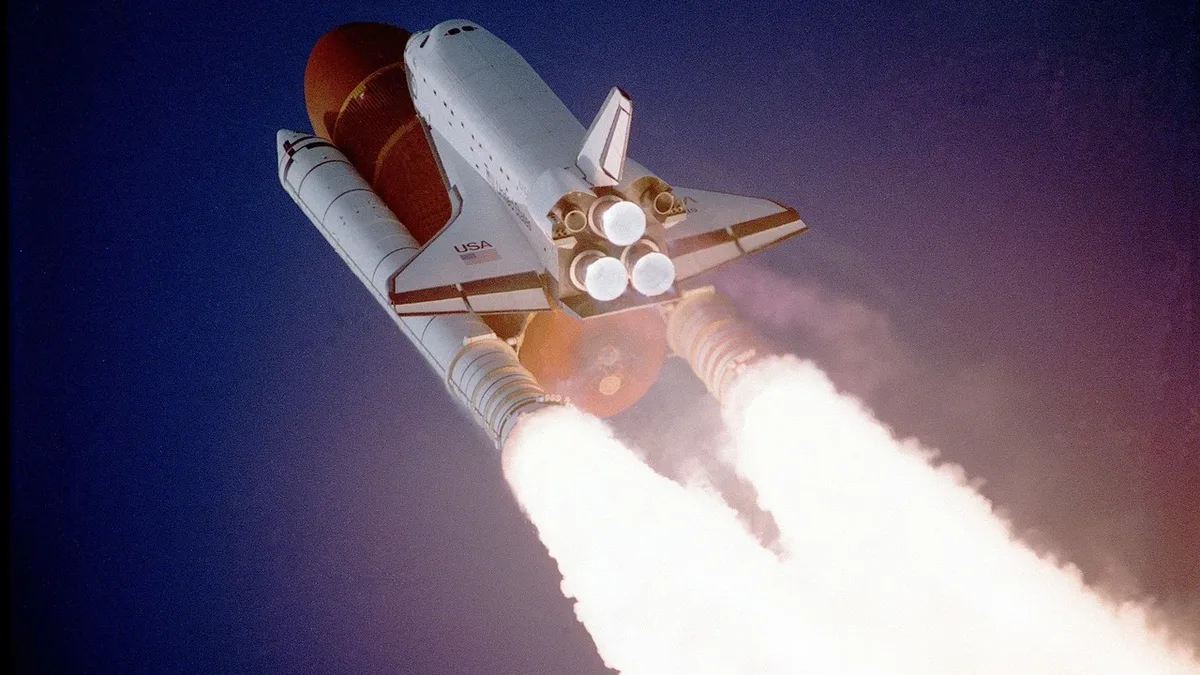
Stoke Space Secures $1 Billion Series E Funding
Stoke Space has raised an initial $1 billion in a Series E funding round, bringing total capital raised to $2.3 billion.
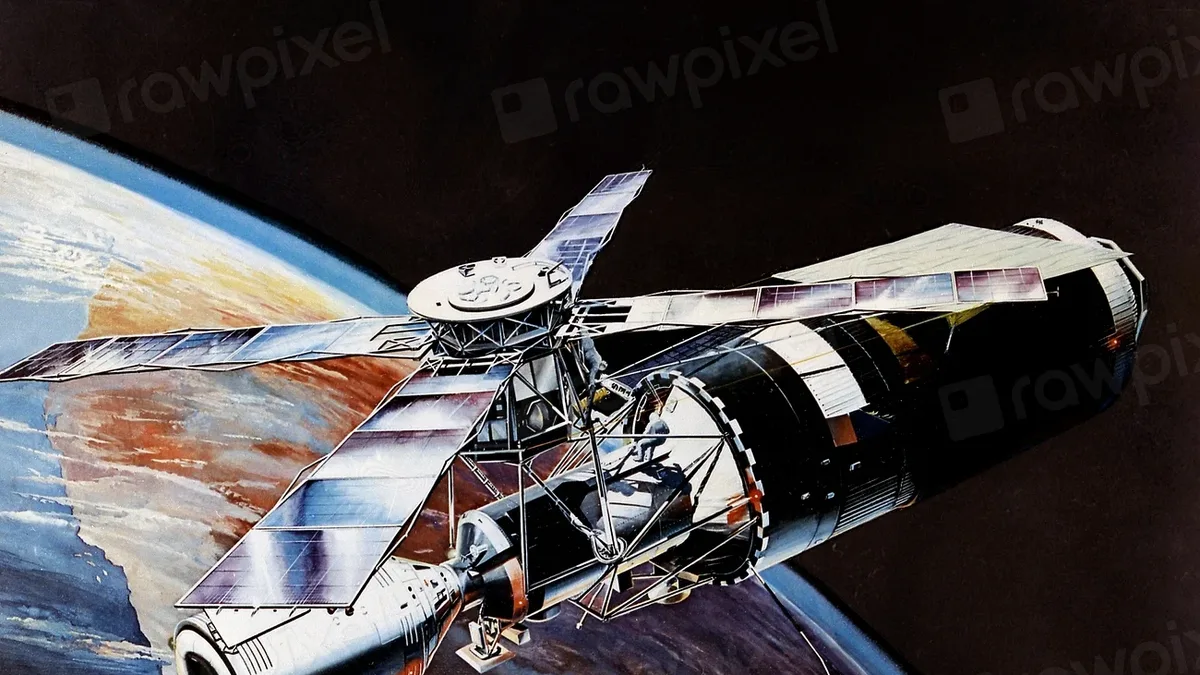
ESA Hosts FLEX and Sentinel-3C Launch Re-Watch Event
The European Space Agency will host a media event on September 15, 2026, to re-watch the Vega-C launch of the FLEX and Sentinel-3C Earth observation
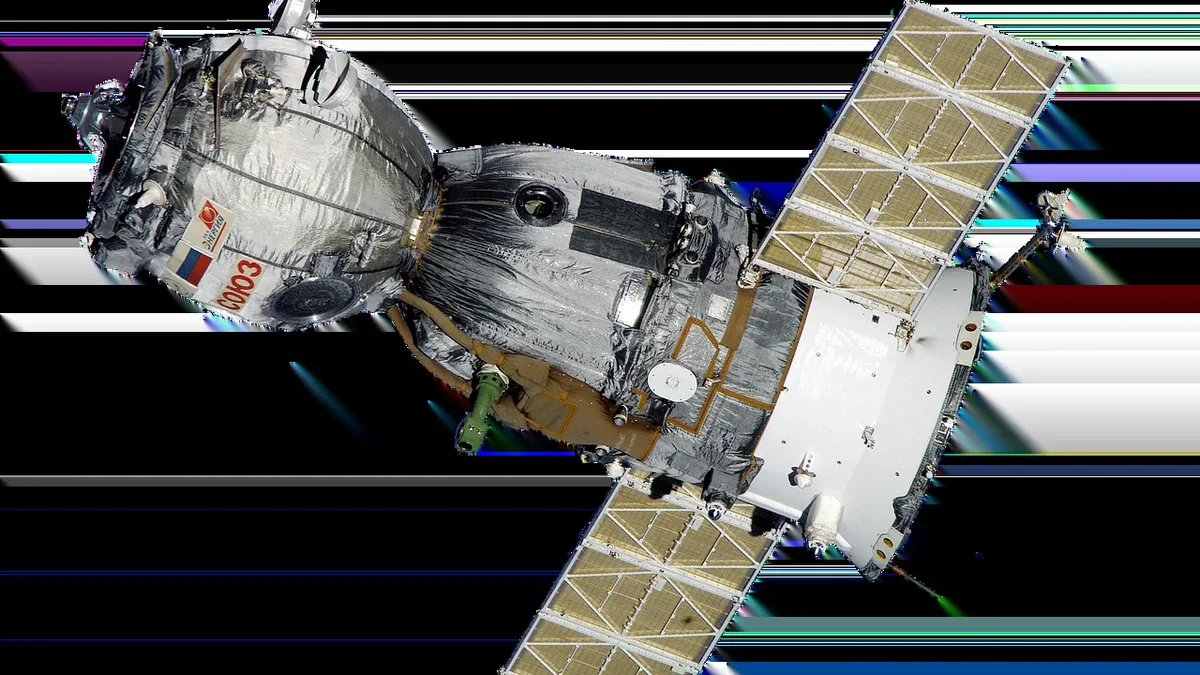
ESA Reviews Rocket Capacity as Amazon Orders Pressure Launch
The European Space Agency is assessing if its current rocket fleet can handle a satellite launch demand surge expected to peak around 2030, driven by...

European Space CEOs Call for Overhaul of Fragmented Sector
A report from trade group ASD Eurospace, based on anonymous interviews with 15 industry CEOs, reveals deep dissatisfaction with Europe's fragmented...
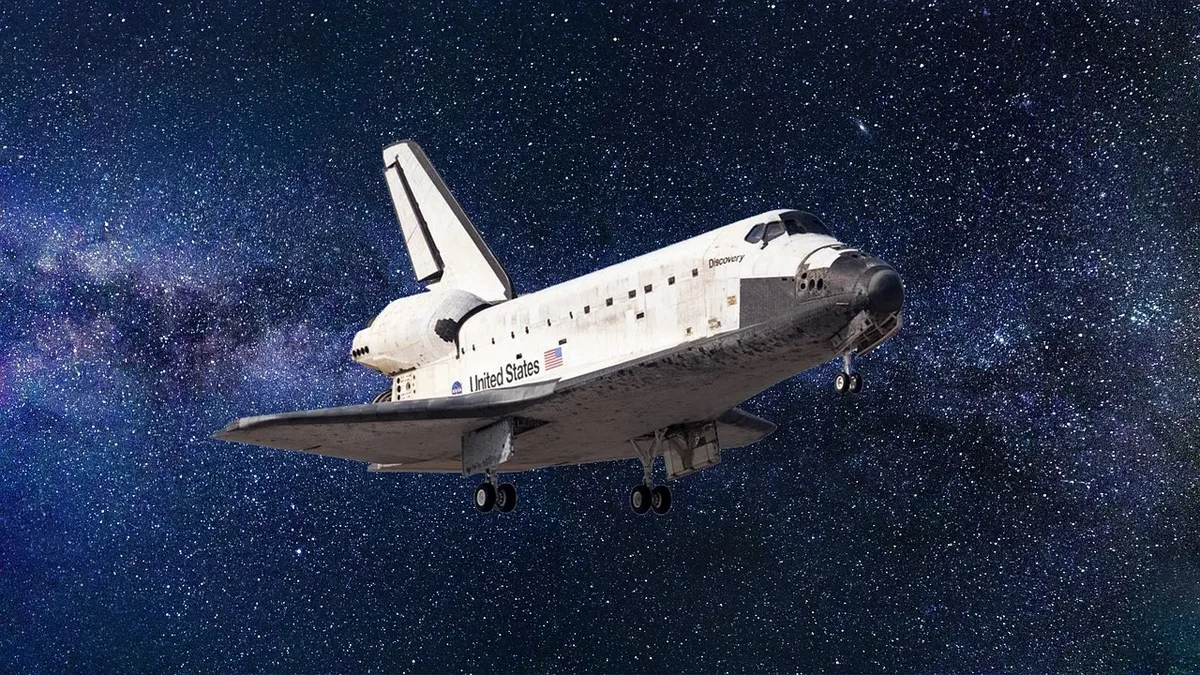
Sierra Space Books Dream Chaser First Flight Payloads
Sierra Space has secured undisclosed national security and commercial customers to fly payloads on the inaugural mission of its Dream Chaser...
China’s Rocket Startups Tie Orbital Flights to IPO Plans
Chinese commercial space firms must achieve orbital insertion with reusable medium-to-large launch vehicles to qualify for STAR Market listings...