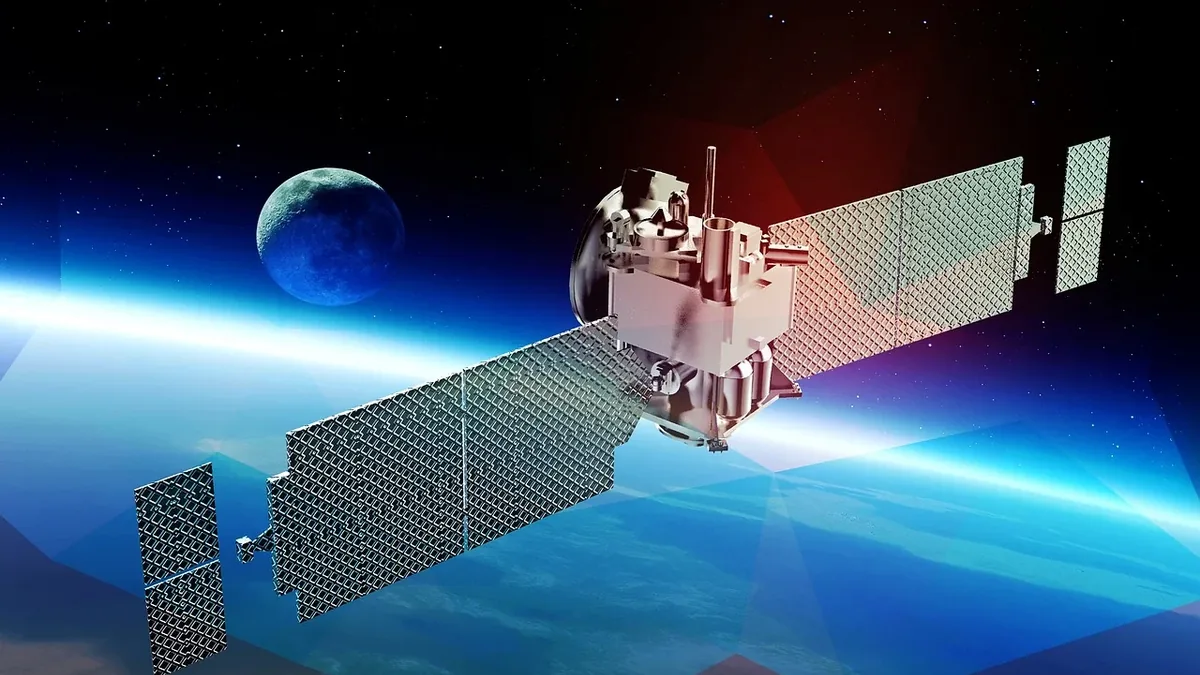
Space Weather Missions
| Launch vehicle | Rocket type used to deploy the mission |
|---|---|
| Payload | Primary instrument suite for space weather observation |
| Launch window | Specific orbital or temporal requirement for mission start |
| Operator | Agency or organization managing the mission |
| Orbit | Type (e.g., geostationary, L1 Lagrange point, heliocentric) |
| Primary objective | Specific space weather phenomenon or process studied |
| Mission duration | Planned operational lifetime |
Origin and history
Space weather missions as a dedicated scientific endeavor originated primarily in the United States and Europe in the latter half of the 20th century. The concept evolved from early satellite observations of solar phenomena and their effects on Earth's magnetosphere in the 1960s. The International Sun-Earth Explorer (ISEE) program, a joint NASA and ESA venture launched in the 1970s, is often cited as a foundational series of missions for this field. The term "space weather" itself gained formal traction in the 1990s as the societal dependence on vulnerable satellite technology grew. This led to the development of dedicated monitoring missions like NASA's Advanced Composition Explorer (ACE), launched in 1997, which became a cornerstone for real-time solar wind data. The early 21st century saw a significant expansion with multi-agency missions from the United States, Europe, Japan, and China aimed at both monitoring and understanding the fundamental physics of space weather.
What it is for
Space weather missions are designed to observe, analyze, and predict conditions in the solar-terrestrial environment that can impact technology and human activity. Their primary purpose is to monitor the Sun's activity, including solar flares, coronal mass ejections (CMEs), and solar wind streams. These missions provide crucial data to forecast geomagnetic storms that can disrupt power grids, satellite operations, and high-frequency radio communications. They are essential for protecting astronauts from harmful radiation exposure during spacewalks and transits beyond Earth's protective magnetosphere. Furthermore, these missions advance fundamental heliophysics research, studying the Sun's structure and the flow of energy and matter throughout the solar system. The data they collect supports the development of operational forecasting centers that issue alerts to satellite operators, airlines, and utility companies.
Overview
A space weather mission typically involves one or more spacecraft equipped with a suite of specialized scientific instruments. These payloads commonly include coronagraphs to image the Sun's outer atmosphere, magnetometers to measure interplanetary magnetic fields, and particle detectors to analyze solar energetic particles and plasma. Missions can be positioned at various strategic locations, such as the Sun-Earth Lagrange Point 1 (L1), about 1.5 million kilometers upstream from Earth, providing an advance warning of solar wind conditions. Other missions may orbit Earth, the Sun, or fly in formation to create a three-dimensional picture of space weather phenomena. The coordination between multiple missions, such as NASA's Solar Dynamics Observatory, the ESA/NASA Solar and Heliospheric Observatory (SOHO), and the NOAA's DSCOVR, creates a comprehensive observational network. This integrated system allows for continuous monitoring from the solar interior to the Earth's upper atmosphere.
What to know
The launch of a space weather mission is a critical event governed by precise orbital mechanics and spacecraft design requirements. The launch vehicle is selected based on the required mass of the observatory and the energy needed to reach its intended orbit, such as a geostationary transfer orbit or a direct trajectory to the Sun-Earth L1 point. The payload is the collection of scientific instruments, which are often hardened against the very radiation they are measuring to ensure longevity and data integrity. The launch window for such missions is frequently not a single instant but can span several days or weeks to achieve the correct planetary alignment for complex trajectories, including gravity assists. Missions destined for L1 often launch on an eastward trajectory to leverage Earth's rotational speed, but specific windows are calculated to ensure the spacecraft enters its precise orbital slot. Understanding the distinction between operational monitoring missions, like DSCOVR for real-time data, and scientific discovery missions, like Parker Solar Probe, is key to grasping the field's structure.
Common questions
A common question is why we cannot use terrestrial telescopes alone to monitor space weather, which is because many crucial phenomena, like the solar wind and interplanetary magnetic field, must be measured in situ. People often ask how much warning a mission at the L1 point can provide, which is typically between 15 to 60 minutes for the arrival of solar wind disturbances, though alerts for light-speed radiation from solar flares are nearly immediate. Many wonder if these missions can predict solar storms with high certainty, but while monitoring has improved, predicting the exact timing and magnitude of a storm's impact remains a significant scientific challenge. A frequent inquiry concerns the cost and justification for these missions, which is typically framed against the potential economic damage from a severe geomagnetic storm to critical infrastructure. Questions also arise about the lifespan of these spacecraft, which often operate for years or decades beyond their designed mission duration, though they gradually degrade in the harsh space environment. Finally, individuals often ask about public access to the data, which is generally freely available in near-real-time from agency websites for both scientific and educational use.
Pros and cons
They enable a proactive approach to protecting billions of dollars worth of satellite assets and terrestrial grid infrastructure from catastrophic failure. However, a major con is the extremely high cost and long development timelines, which can lead to gaps in coverage if an aging satellite fails before its replacement is launched, as nearly occurred with the ACE mission. Missions specializing in fundamental science may not always prioritize the specific data formats or continuity required by operational forecasters, leading to integration challenges. A common mistake in program planning is underestimating the need for sustained, long-term funding for operational monitoring, treating it as a one-off scientific project rather than a critical utility. Operators of commercial satellites sometimes regret relying solely on public mission data without investing in hardened spacecraft design, as forecasts can still contain uncertainties that leave assets vulnerable.
Who it suits
This field suits government space agencies and national meteorological services that have a mandate to protect public infrastructure and national security assets from environmental threats. It is critical for commercial satellite operators and telecommunications companies whose business models depend on the reliable operation of spacecraft in Earth orbit. Airlines operating polar routes, which are more exposed to radiation during solar storms, also rely on the forecasts generated from this data to reroute flights and ensure passenger safety. The research suits astrophysicists and heliophysicists focused on understanding plasma physics, solar dynamics, and star-planet interactions across the universe. Electrical grid operators in mid-to-high-latitude regions are key stakeholders, as they use alerts to manage grid loads and protect transformers from geomagnetically induced currents. Finally, it suits policymakers and insurance companies who must understand and mitigate the systemic economic risks posed by extreme space weather events.
Latest Space Weather Missions news
Latest reporting
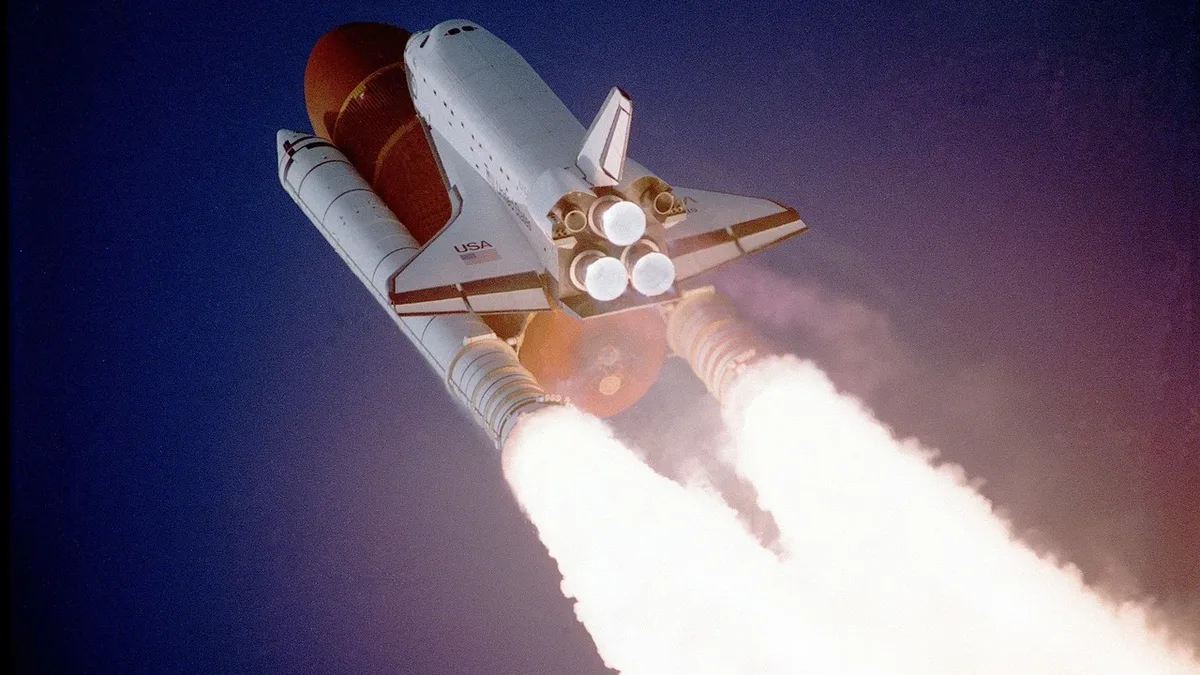
Stoke Space Secures $1 Billion Series E Funding
Stoke Space has raised an initial $1 billion in a Series E funding round, bringing total capital raised to $2.3 billion.
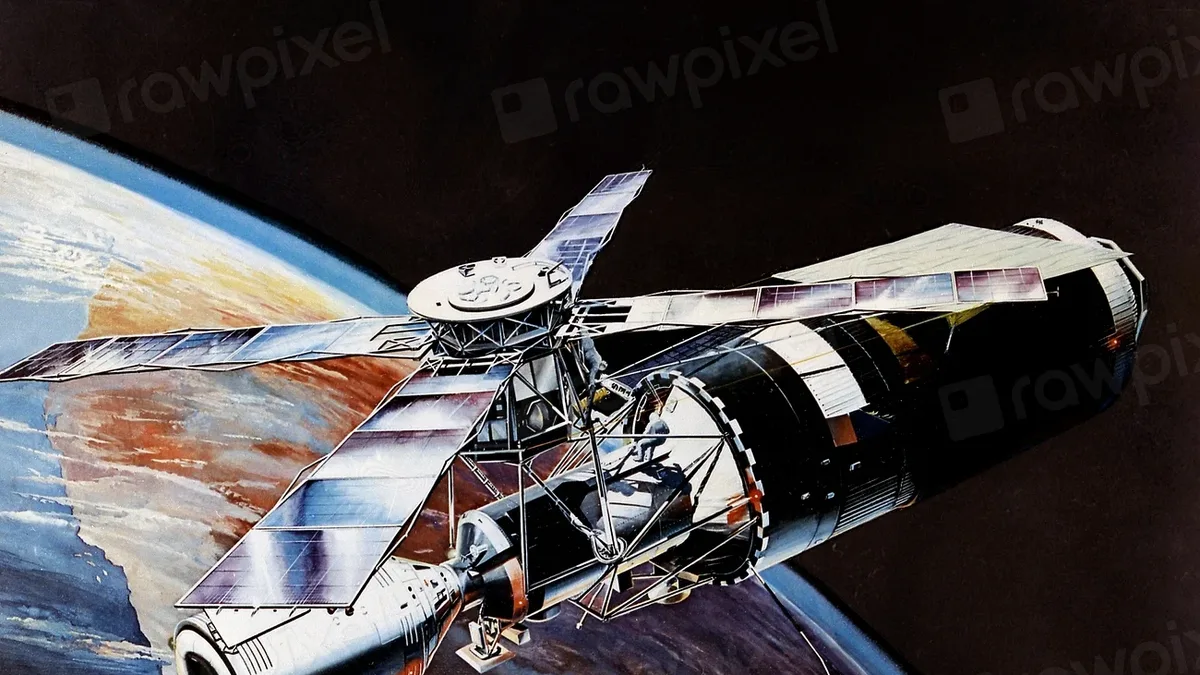
ESA Hosts FLEX and Sentinel-3C Launch Re-Watch Event
The European Space Agency will host a media event on September 15, 2026, to re-watch the Vega-C launch of the FLEX and Sentinel-3C Earth observation
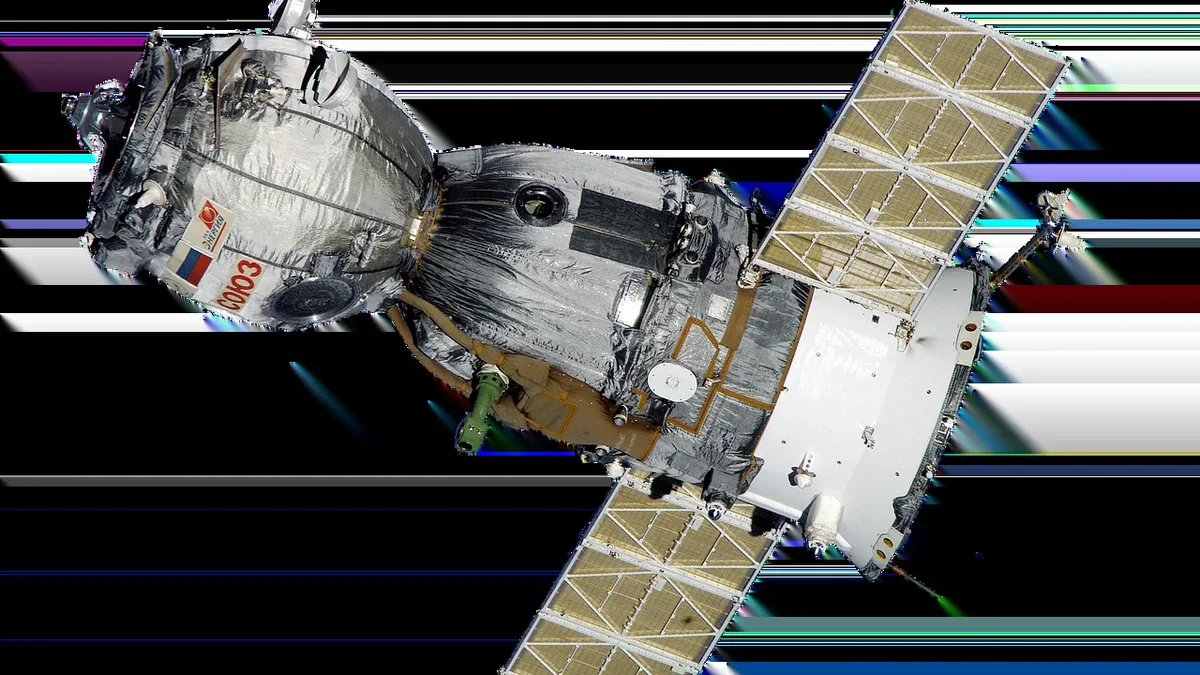
ESA Reviews Rocket Capacity as Amazon Orders Pressure Launch
The European Space Agency is assessing if its current rocket fleet can handle a satellite launch demand surge expected to peak around 2030, driven by...
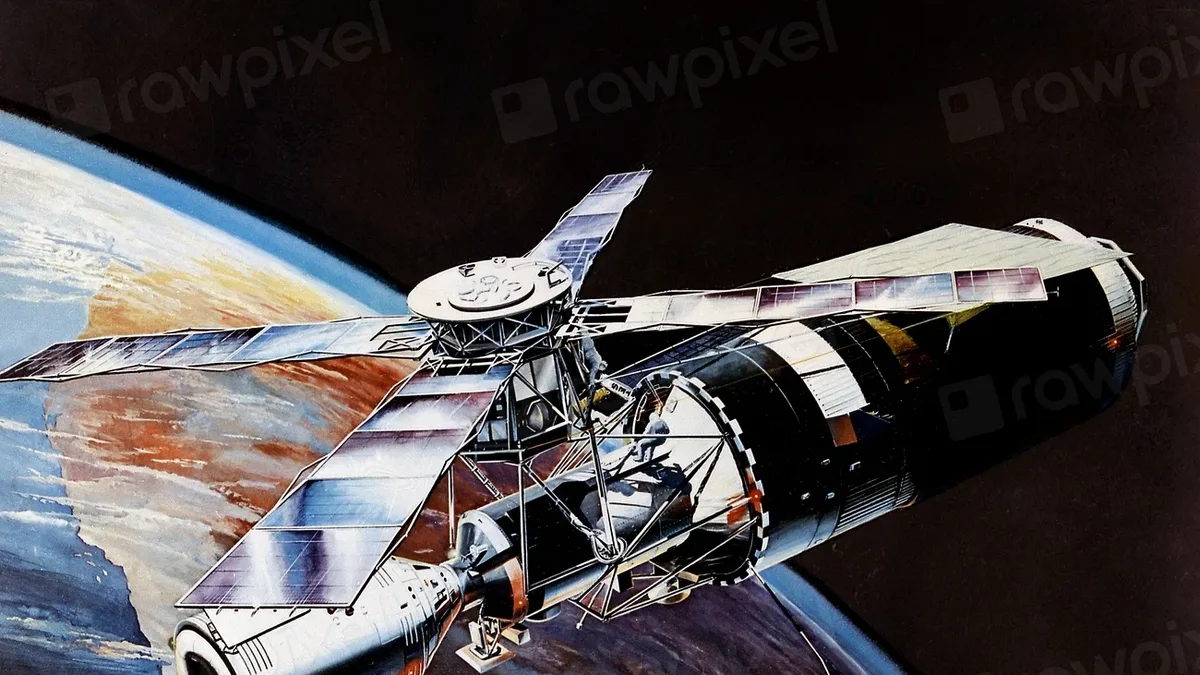
China Tests Earth-Moon Laser Link for Lunar Missions
China has successfully demonstrated a two-way laser communications link across 400,000 km between Earth and the Moon, a key technology for its planned
European Space CEOs Call for Overhaul of Fragmented Sector
A report from trade group ASD Eurospace, based on anonymous interviews with 15 industry CEOs, reveals deep dissatisfaction with Europe's fragmented...
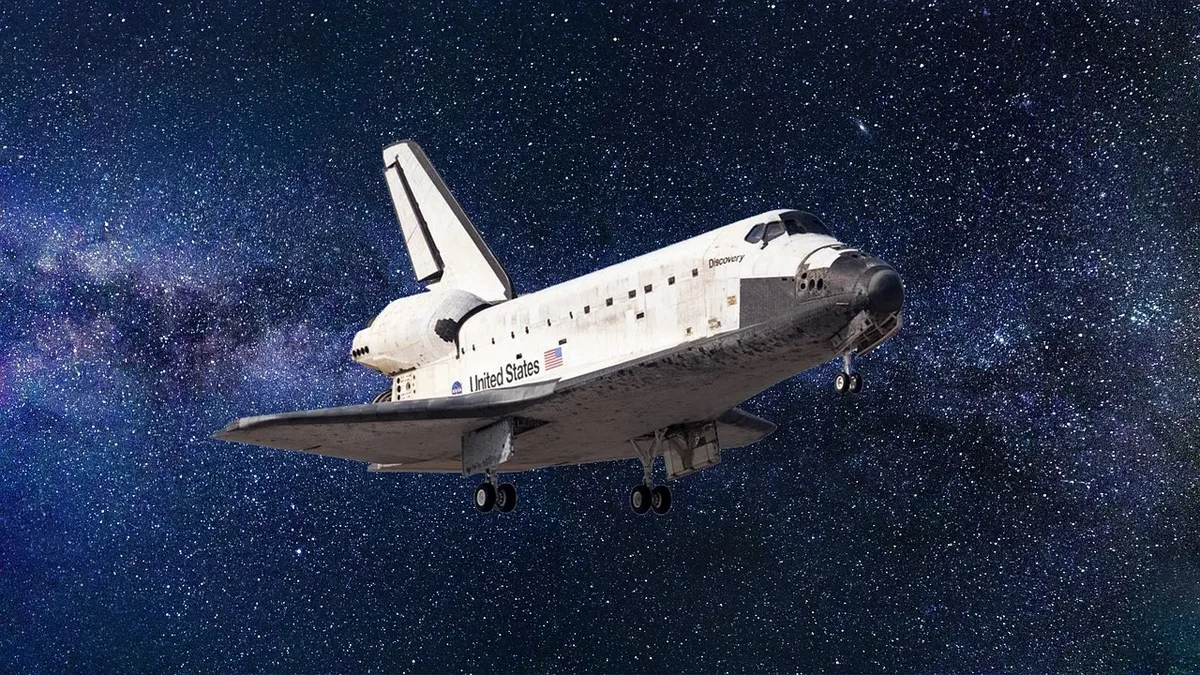
Sierra Space Books Dream Chaser First Flight Payloads
Sierra Space has secured undisclosed national security and commercial customers to fly payloads on the inaugural mission of its Dream Chaser...