
Space Weather
| Launch vehicle | Rocket family and model used to carry the payload. |
|---|---|
| Payload | Primary satellite or instrument package being launched. |
| Launch window type | Fixed instantaneous or flexible daily/period. |
| Launch site | Primary geographical location and facility. |
| Mission operator | Organization responsible for the spacecraft. |
| Orbit target | Intended orbital regime (e.g., Geostationary, Sun-synchronous). |
| Primary mission | Core scientific or operational objective. |
Origin and history
Space Weather as a scientific discipline originated from coordinated international observations in the mid-20th century, though its phenomena have been observed for centuries. The foundational understanding stems from early studies of solar-terrestrial interactions, notably following the advent of radio technology. The critical realization that the Sun's variable emissions directly affect Earth's technological systems coalesced in the 1950s and 1960s. This period saw the establishment of dedicated monitoring networks, such as those for geomagnetic storms, by agencies in the United States, Europe, and the Soviet Union. The field expanded significantly with the dawn of the space age, as satellites provided direct measurements of the solar wind and Earth's magnetosphere. Its formalization as a distinct applied science is largely a product of the late 20th century, driven by growing dependence on satellites and power grids.
What it is for
Space Weather forecasting and analysis exist to protect technological infrastructure and human activity both in space and on Earth. Its primary purpose is to provide advance warning of solar storms that can induce harmful currents in long-distance power lines and pipeline networks. It is essential for safeguarding satellites from particle radiation, which can cause electronic malfunctions, memory upsets, and accelerated component degradation. The field informs the planning and execution of crewed space missions, particularly outside the protective shield of Earth's magnetosphere, to avoid excessive radiation exposure. Aviation, especially on polar routes, relies on space weather reports to assess risks of communication blackouts and increased radiation doses at flight altitudes. It also supports the accuracy of Global Navigation Satellite Systems (GNSS) by accounting for ionospheric disturbances that degrade positioning and timing signals.
Overview
Space Weather encompasses the dynamic conditions in the solar-terrestrial environment, driven primarily by the Sun's activity. These conditions include solar flares, coronal mass ejections (CMEs), high-speed solar wind streams, and energetic particle events. The solar material and magnetic fields interact with Earth's own magnetic field and atmosphere, transferring energy into the magnetosphere and ionosphere. This interaction can cause geomagnetic storms, ionospheric disturbances, and increases in radiation levels in near-Earth space. The effects are not uniform across the globe, with polar regions typically experiencing more pronounced impacts due to the geometry of Earth's magnetic field. Monitoring involves a global fleet of ground-based observatories and spacecraft positioned at locations like the Sun-Earth L1 Lagrange point for early solar wind detection.
What to know
The solar activity cycle, averaging about 11 years, dictates the frequency and severity of space weather events, with peaks offering higher probability of major storms. Geomagnetic storms are measured by indices like Kp and Dst, which quantify global magnetic disturbance levels. A coronal mass ejection (CME) is distinct from a solar flare; a flare is a burst of radiation, while a CME is an eruption of magnetized plasma, with CMEs being the primary driver of severe geomagnetic storms. The travel time of a CME from the Sun to Earth can range from less than a day to several days, allowing for limited forecasting windows. The Carrington Event of 1859 is a historical benchmark for an extreme space weather storm, illustrating the potential scale of impact on modern infrastructure. Users of forecasts should understand the probabilistic nature of predictions and the difference between watches, warnings, and alerts issued by monitoring centers.
Common questions
What causes the aurora? The aurora borealis and australis are caused by charged solar particles being guided by Earth's magnetic field and colliding with atoms in the upper atmosphere. Can a solar storm cause permanent damage? Yes, extreme storms can induce ground currents strong enough to damage large power transformers, potentially leading to prolonged regional blackouts. Does space weather affect human health? For the general public on Earth, the atmosphere provides sufficient protection, but astronauts and high-altitude airline crew can receive elevated radiation doses. How accurate are space weather forecasts? Forecasts of the arrival time and intensity of geomagnetic storms have improved but remain subject to uncertainty, particularly regarding the magnetic orientation of incoming CMEs. Why do solar storms affect radio communications? They alter the ionosphere's density and structure, absorbing or bending high-frequency radio waves used for long-distance communication. Are other planets affected? Yes, space weather is a universal phenomenon, affecting all planets with atmospheres and magnetic fields, and is a key consideration in planetary science and exploration.
Pros and cons
A major advantage of modern space weather monitoring is its integration into operational decision-making, allowing satellite operators to place hardware in safe modes and grid operators to manage loads proactively. The science has matured to provide actionable lead times, however limited, for many disruptive events. A significant drawback is the persistent gap in forecasting the precise magnetic structure of a CME, which ultimately determines its geoeffectiveness; a missed prediction can lead to false alarms or unpreparedness. The field often struggles with communicating nuanced probabilistic forecasts to the public and decision-makers who may expect binary yes/no predictions. A common mistake is underestimating the threat of a moderate storm due to a focus on extreme events, yet cumulative effects on satellite electronics can be financially costly. Those who rely solely on public, simplified aurora forecasts often regret the lack of localized and specific intensity information needed for successful viewing.
Who it suits
Space Weather services are essential for operators of national power transmission networks and pipeline systems in mid-to-high geomagnetic latitudes. Satellite designers, manufacturers, and operators are the primary consumers, using environmental data for mission planning, component hardening, and real-time anomaly resolution. Airlines conducting polar flights and military or civilian communication networks relying on HF radio or precise timing require regular space weather briefings. Government agencies responsible for national infrastructure protection and emergency response maintain dedicated space weather monitoring and analysis teams. Research scientists in heliophysics, astrophysics, and atmospheric sciences form the core community that advances the predictive models. Amateur radio operators and aurora enthusiasts also actively use forecasts, though they must learn to interpret technical parameters beyond simple aurora alerts.
Latest Space Weather news
Latest reporting
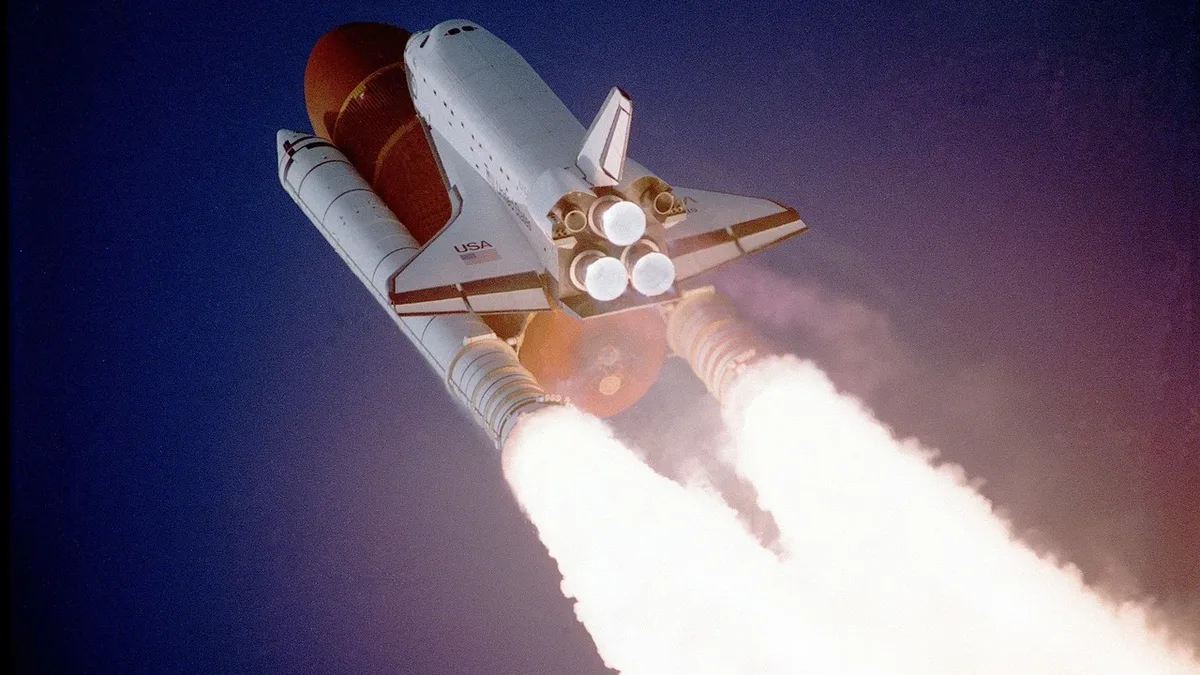
Stoke Space Secures $1 Billion Series E Funding
Stoke Space has raised an initial $1 billion in a Series E funding round, bringing total capital raised to $2.3 billion.
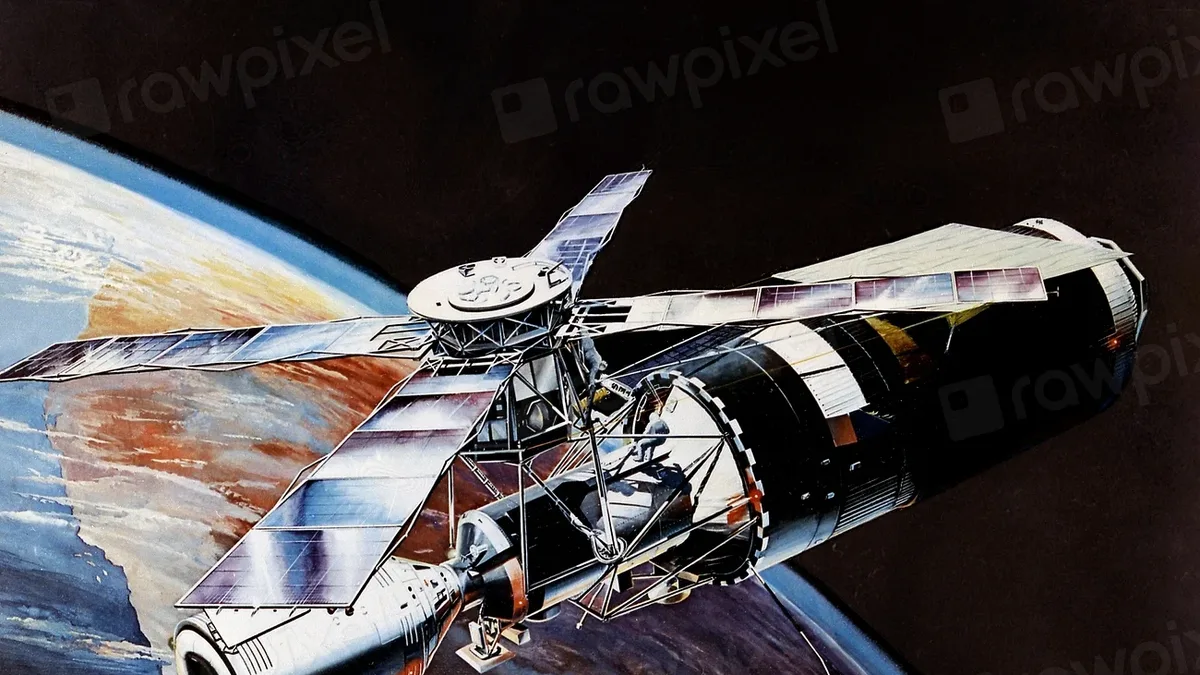
ESA Hosts FLEX and Sentinel-3C Launch Re-Watch Event
The European Space Agency will host a media event on September 15, 2026, to re-watch the Vega-C launch of the FLEX and Sentinel-3C Earth observation
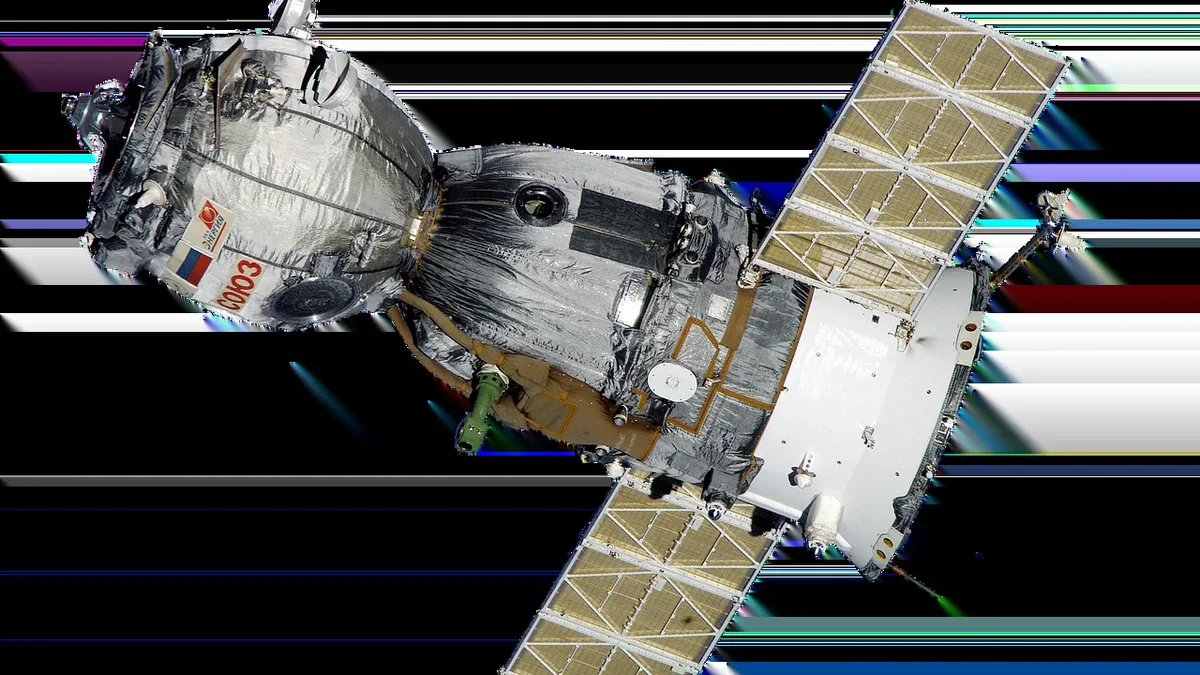
ESA Reviews Rocket Capacity as Amazon Orders Pressure Launch
The European Space Agency is assessing if its current rocket fleet can handle a satellite launch demand surge expected to peak around 2030, driven by...
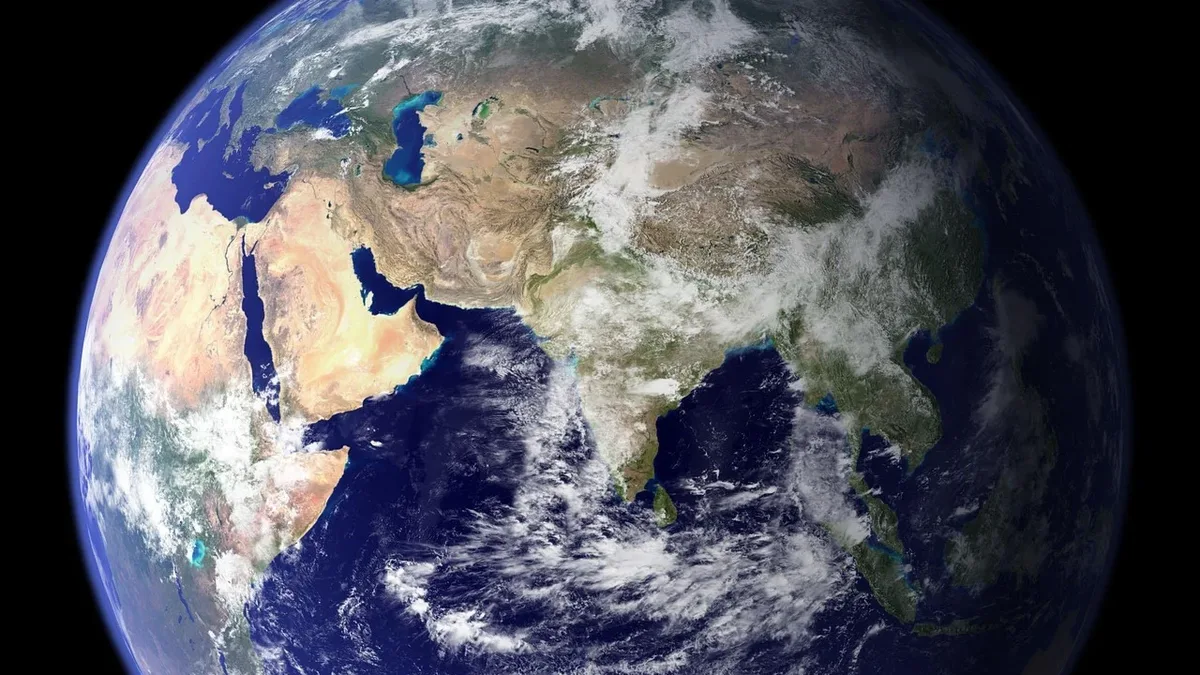
European Space CEOs Call for Overhaul of Fragmented Sector
A report from trade group ASD Eurospace, based on anonymous interviews with 15 industry CEOs, reveals deep dissatisfaction with Europe's fragmented...
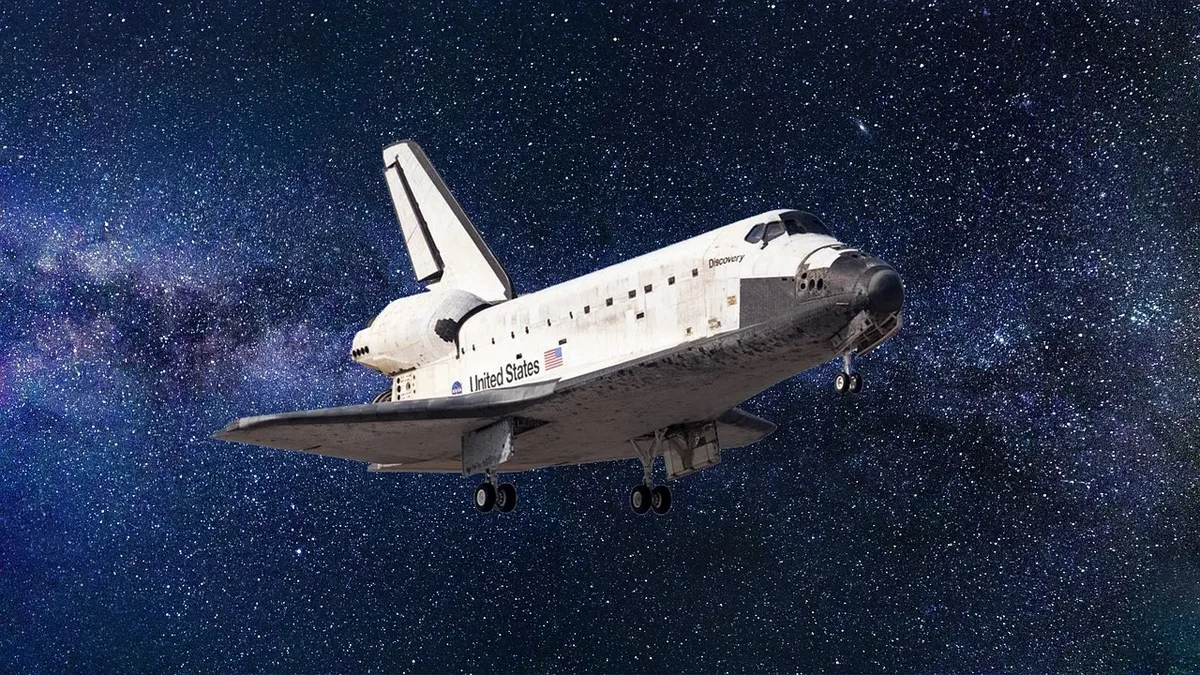
Sierra Space Books Dream Chaser First Flight Payloads
Sierra Space has secured undisclosed national security and commercial customers to fly payloads on the inaugural mission of its Dream Chaser...
China’s Rocket Startups Tie Orbital Flights to IPO Plans
Chinese commercial space firms must achieve orbital insertion with reusable medium-to-large launch vehicles to qualify for STAR Market listings...