Thales Alenia Space
| Founded | 2005 |
|---|---|
| Headquarters | Cannes, France |
| Ownership | Joint venture |
| Parent companies | Thales Group (67%), Leonardo S.p.A. (33%) |
| Primary sector | Space systems |
| Key activities | Satellites, orbital infrastructure, space exploration |
| Notable projects | International Space Station modules, ExoMars rover, Galileo satellites |
Overview
Thales Alenia Space is a Franco-Italian aerospace manufacturer specializing in the design, integration, and operation of space systems. It is a joint venture between the French technology corporation Thales Group and the Italian defense and aerospace conglomerate Leonardo. The company's core activities encompass satellites, orbital infrastructures, payloads, and systems for telecommunications, navigation, Earth observation, exploration, and science. It acts as a prime contractor for complex space programs, managing large-scale projects from concept through to in-orbit delivery. Its products include pressurized modules for the International Space Station, communication satellite platforms, and sophisticated instruments for scientific missions. The company operates major industrial facilities in France and Italy, with additional sites across Europe, reflecting its multinational structure and workforce.
History
Thales Alenia Space was formed in the mid-2000s through the merger of the space divisions of its two parent companies, consolidating decades of prior European aerospace history. Its origins are firmly rooted in the national space industries of France and Italy, dating back to the latter half of the 20th century. The company's heritage includes the legacy of Alenia Spazio, an Italian entity with deep involvement in early European launcher and satellite programs, and the space activities of Thales, which absorbed elements of the French industry. Key historical contributions from its predecessor entities include major roles in the development of the Spacelab module for the NASA Space Shuttle and the pressurized modules for the International Space Station. The merger was a strategic move to create a European champion capable of competing on a global scale with other major space system integrators. This consolidation brought together complementary expertise in telecommunications, observation, and orbital infrastructure under a single corporate entity.
How it works today
The company functions as a systems architect and integrator, managing the entire lifecycle of a space segment project from initial design to on-orbit commissioning. It develops and manufactures satellite platforms, such as the Spacebus series for telecommunications and the Prima platform for flexible missions, which serve as the structural and functional backbone for various payloads. For orbital infrastructures, it designs and builds pressurized modules, cargo vehicles, and complex systems, leveraging its heritage from the International Space Station program for future commercial and exploration platforms. A significant portion of its work involves the integration of sophisticated payloads, which include communication transponders, high-resolution optical and radar sensors for Earth observation, and scientific instruments for astronomy and planetary study. The engineering process involves rigorous testing in specialized facilities simulating the vacuum, thermal extremes, and vibrations of launch and space environments. Collaboration is fundamental, as the company frequently works within international consortia, supplying critical subsystems or acting as prime contractor for European Space Agency (ESA) and other institutional missions.
Why it matters
Thales Alenia Space is a pivotal industrial actor in European and global space endeavors, providing critical infrastructure that enables essential services. Its communication satellites form the backbone of global broadcasting, telephony, and broadband connectivity, particularly for secure government and military communications. The company's Earth observation satellites supply vital data for weather forecasting, climate monitoring, disaster management, and resource mapping, supporting both scientific understanding and operational decision-making. Its contributions to orbital infrastructure, most notably the pressurized modules for the International Space Station, were fundamental to establishing a permanent human presence in low Earth orbit. The company's role as a prime contractor consolidates complex European industrial supply chains, ensuring technological sovereignty and maintaining high-value engineering jobs within Europe. Furthermore, its instruments and systems for scientific missions enable fundamental research in astrophysics and planetary science, expanding human knowledge of the universe.
Common misconceptions
A common misconception is that Thales Alenia Space is a launch provider, whereas it is primarily a manufacturer of spacecraft and orbital systems, not the rockets that carry them into space. Another is that it is a purely commercial entity; in reality, a substantial portion of its portfolio consists of institutional contracts from agencies like ESA, NASA, and national governments for scientific and security missions. Some may overestimate its independence, not recognizing that it operates as a joint venture whose strategic direction and investment are influenced by its two major shareholders and their respective national industrial policies. There is also a tendency to view its products as standalone satellites, underestimating its core competency as a systems integrator responsible for the complex interplay of thousands of components functioning reliably in the harsh space environment. Finally, while it is a European leader, it is not a monopoly, facing significant competition from other global aerospace primes and, increasingly, from new commercial space entities.
Latest Thales Alenia Space news
Latest reporting
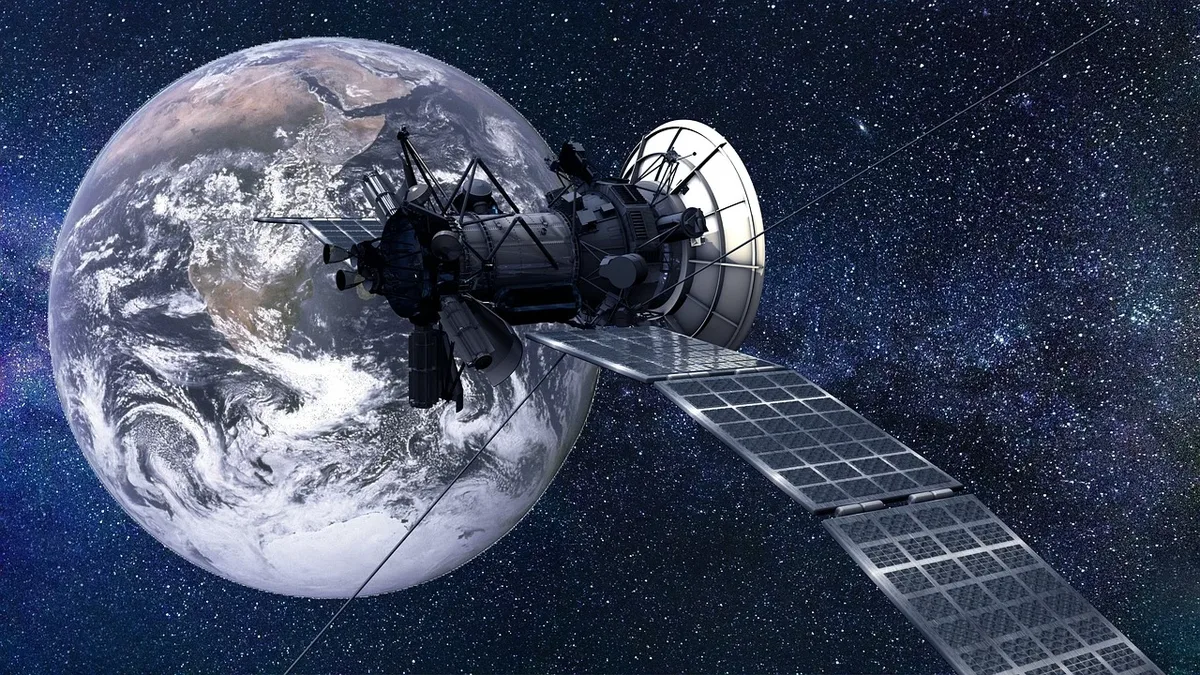
Xona secures $250M Series D to accelerate Pulsar GPS constellation
Xona Space Systems raised $250 million in a Series D funding round, valuing the company at $2.45 billion. The capital will accelerate production of...
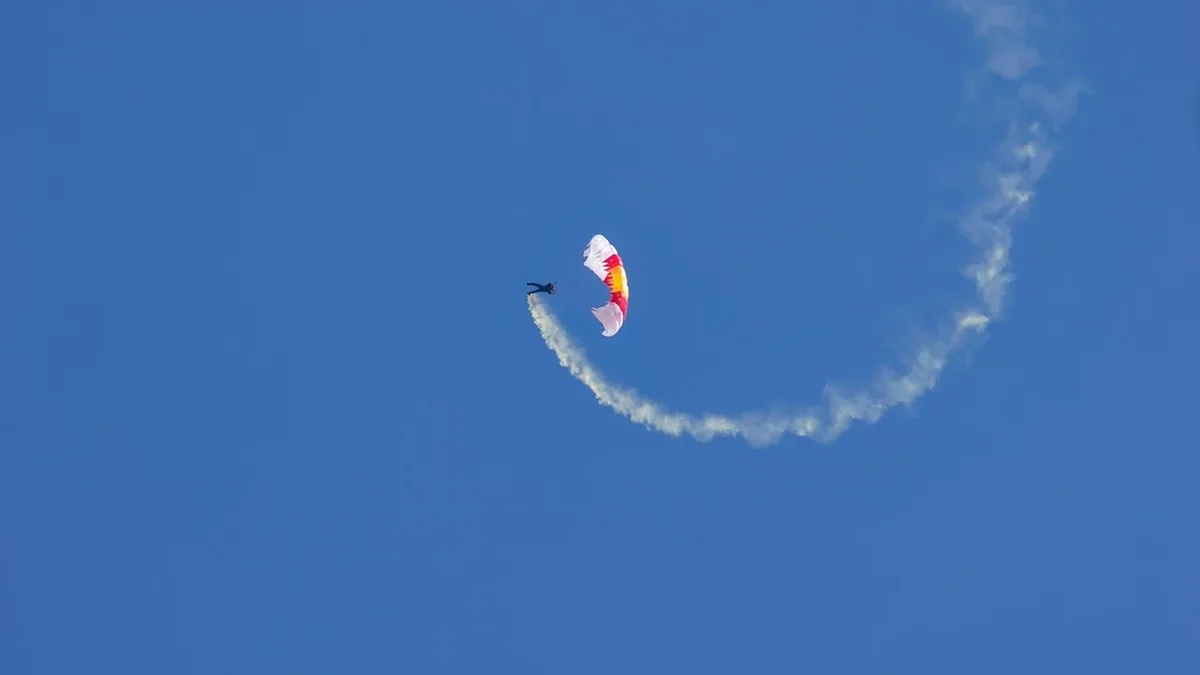
ESA Space Rider parafoil failure halts descent test campaign
A critical drop test for Europe's reusable Space Rider spacecraft failed when the main parafoil detached during deployment, destroying the test model.

SpaceNukes Wins DARPA Award to Test Active Kilopower Reactor
Space Nuclear Power Corporation secured a DARPA agreement to ground-test a Kilopower reactor with autonomous control rods, advancing technology for...
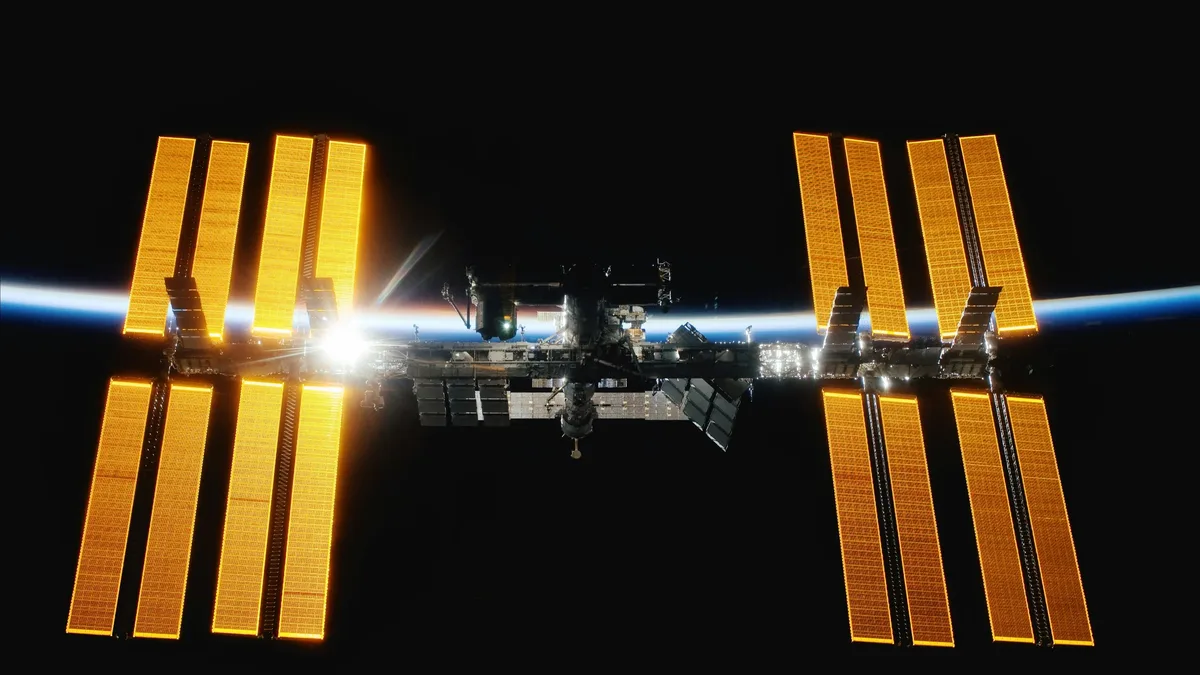
Marble Sat-1 to test 10 Gbps laser communications in 2027
Marble Imaging, Reflex Aerospace, and Odysseus Space will launch a laser communications demonstration mission in early 2027. The Marble Sat-1...

Seraphim Space Trust's portfolio more than doubles in FY26
Seraphim Space Investment Trust's valuation soared to £605.5 million in FY26, driven by the massive growth of its top holding, ICEYE, and a major new...
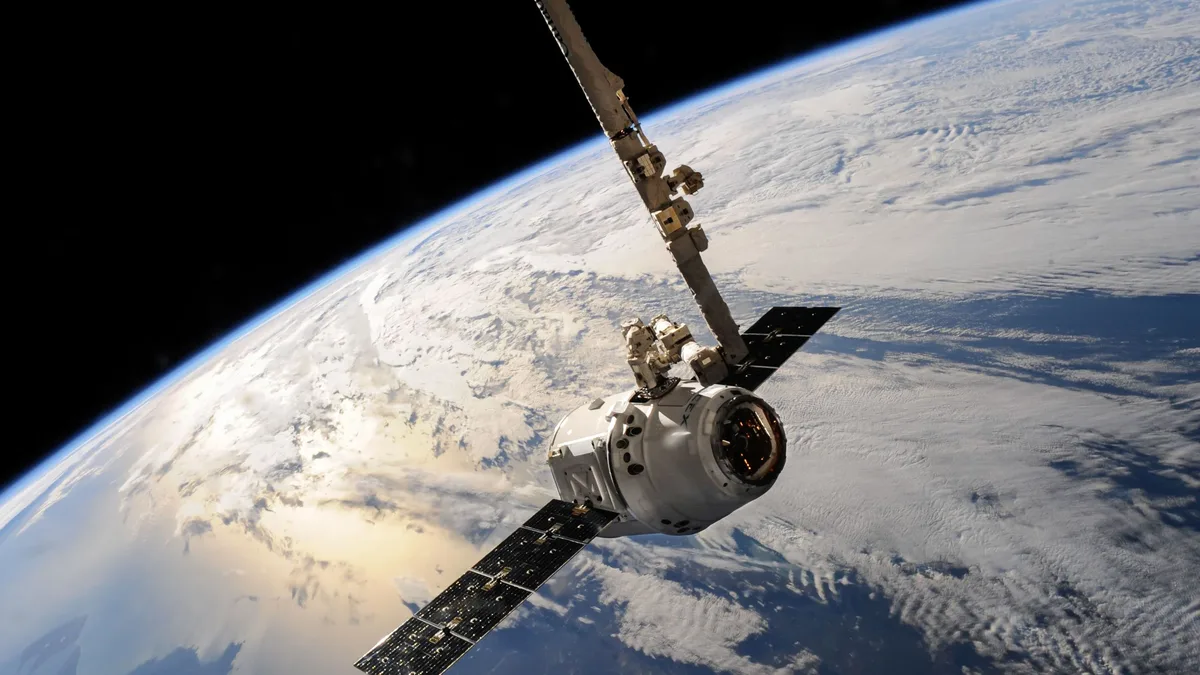
BlackSky and HEO Extend Space Imaging Partnership with Gen-3 Access
BlackSky Technology has signed a seven-figure annual contract extension with HEO, expanding their automated space domain awareness partnership.