Kourou Csg
| Official name | Centre Spatial Guyanais |
|---|---|
| Operator | European Space Agency (ESA) |
| Country | France |
| Location | Kourou, French Guiana |
| Original use | Satellite launches |
| First launch | 1970 |
| Launch vehicles | Ariane, Soyuz, Vega |
| Launch direction | East (equatorial) |
Origin and history
The Centre Spatial Guyanais (CSG), commonly referred to as Kourou, is a spaceport located in French Guiana, an overseas department of France. Its establishment was initiated by the French government in the mid-1960s following the independence of Algeria and the consequent loss of the previous primary launch site at Hammaguir. The site was selected for its advantageous geographical position very close to the equator. Construction of the base began in the late 1960s, with the first orbital launch occurring in 1970 using a Diamant B rocket. The facility's operation was later placed under the management of the French space agency, CNES. In the early decades, it primarily served European launch vehicles like Ariane, building a reputation for reliability. The spaceport's infrastructure and role expanded significantly with the formation of Arianespace and the increased involvement of the European Space Agency.
What it is for
The Kourou spaceport is designed for the assembly, integration, and launch of orbital launch vehicles. Its primary function is to provide a secure and optimized base for launching satellites into Earth orbit, particularly into geostationary transfer orbit (GTO). The site hosts multiple launch complexes tailored to specific rocket families, such as the Ariane, Soyuz, and Vega vehicles operated by European providers. It supports a wide range of payloads, including commercial telecommunications satellites, scientific probes, and Earth observation satellites for European and international clients. The facility also manages the preparation and integration of these payloads with their launch vehicles in dedicated clean rooms and assembly buildings. Furthermore, it serves as the launch site for missions by the European Space Agency and for elements of international programs like the Galileo satellite navigation system.
Pros and cons
A primary advantage of Kourou is its location just 5 degrees north of the equator, which provides a significant performance boost for launches to equatorial orbits due to the maximal rotational velocity of the Earth. This "slingshot" effect allows rockets to carry heavier payloads or conserve fuel compared to launches from higher latitudes. The site's location also offers a vast open sea to the east, providing a safe corridor for rocket stages to fall away without risk to populated areas. A notable con is the high operational cost associated with maintaining a major, remote spaceport in a tropical environment, which contributes to the overall expense of launches. The complex logistics of transporting rocket components and satellites from Europe and elsewhere to South America can also introduce delays and vulnerabilities in the supply chain. Some commercial operators have regretted the relative lack of launch schedule flexibility and higher price point compared to emerging, lower-cost providers, which can be a disadvantage for smaller or more cost-sensitive missions.
Who it suits
The Kourou spaceport is ideally suited for institutional space agencies, particularly the European Space Agency and CNES, requiring a reliable and performance-optimized facility for their scientific and governmental missions. It is a natural fit for satellite operators, both commercial and governmental, that are launching heavy, high-value telecommunications satellites into geostationary orbit, where the equatorial launch advantage is most beneficial. The site also suits international collaborative projects that prioritize established safety protocols, extensive heritage, and stable political oversight under French and European jurisdiction. It is less suited for operators seeking very high launch frequency, ultra-low-cost services, or dedicated small-lift launches for lightweight payloads, as these needs are increasingly met by other global launch sites. Furthermore, it is a necessary base for any European launch vehicle program, such as Ariane and Vega, whose operational infrastructure is permanently established there.
Latest Kourou Csg news
Latest reporting
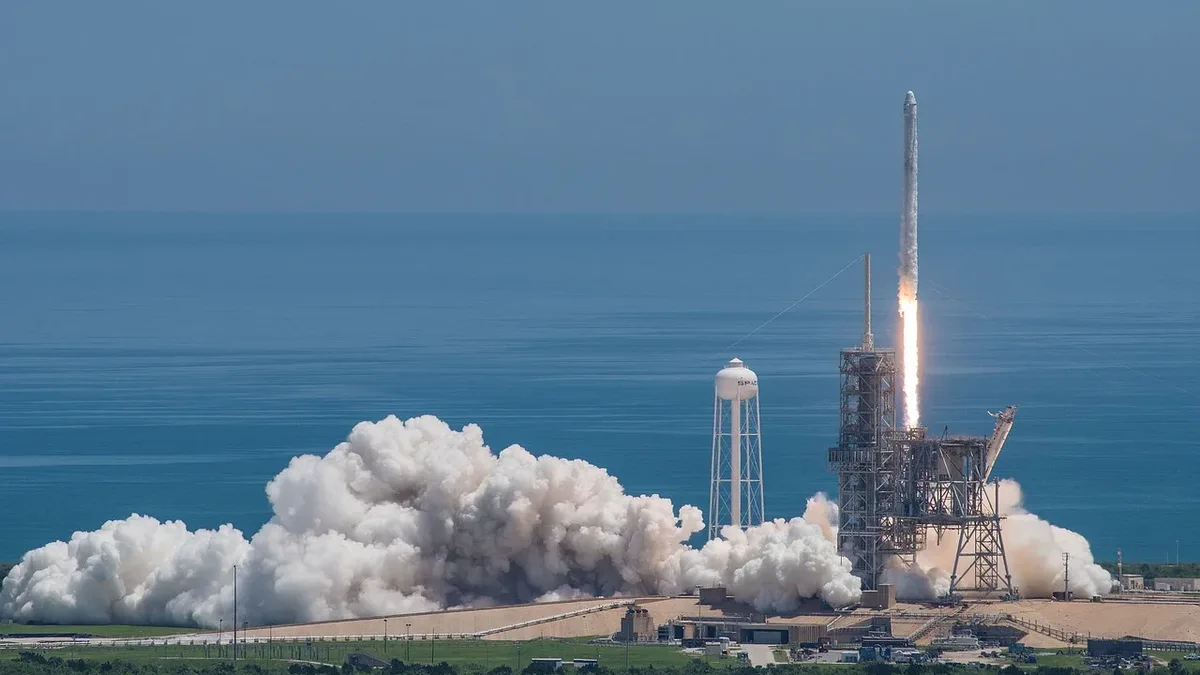
Ariane 6 Launches Advanced Weather Satellite
The Ariane 6 rocket launched the 3.8-tonne MTG-I2 weather satellite from Europe's Spaceport in Kourou, marking the vehicle's first flight to a
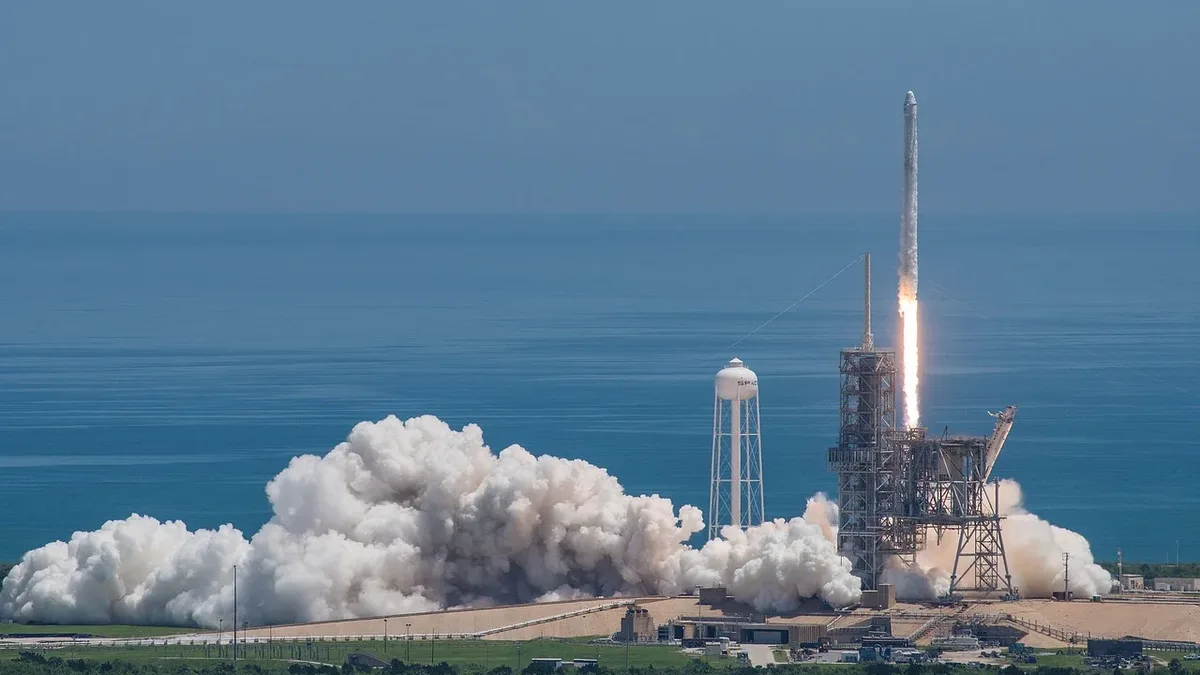
Ariane 6 launches MTG-I2 weather satellite
An Ariane 6 rocket has launched the 3.8-tonne MTG-I2 weather satellite from Europe's Spaceport in Kourou. The mission, featuring a...