Ariane 6
| Country of origin | European Space Agency member states (primarily France and Germany) |
|---|---|
| First launched | 2024 |
| Original use | Launching satellites to geostationary transfer orbit, medium Earth orbit, and low Earth orbit |
| Manufacturer | ArianeGroup (prime contractor) |
| Launch site | Guiana Space Centre, French Guiana |
| Vehicle family | Ariane (successor to Ariane 5) |
| Propulsion | Liquid hydrogen/liquid oxygen main stage with solid rocket boosters |
Origin and history
The Ariane 6 is a launch vehicle developed by the European Space Agency (ESA). Its development was initiated in the early 2010s following decisions made by ESA member states. The vehicle is the direct successor to the Ariane 5, which had been Europe's primary heavy-lift launcher since the 1990s. The program was officially approved at the ESA Ministerial Council in 2014, with the goal of ensuring Europe's continued independent access to space. Its design and industrial organization are built upon decades of European launch vehicle expertise, primarily stemming from French and German aerospace leadership. The historical context for its creation was increasing global competition and the need to significantly reduce launch costs compared to its predecessor.
What it is designed for
The Ariane 6 is designed to launch payloads into a variety of orbits, including geostationary transfer orbit (GTO), low Earth orbit (LEO), and Sun-synchronous orbit (SSO). Its primary mission is to maintain Europe's autonomous access to space for institutional missions, such as launching Galileo navigation satellites and Copernicus Earth observation satellites. The vehicle is also intended to be competitive in the commercial satellite launch market, targeting dual-satellite launches to GTO. The design emphasizes flexibility, allowing for configurations that can accommodate different payload sizes and orbital requirements through interchangeable hardware. A key operational requirement is a reduced launch preparation timeline compared to Ariane 5, aiming for a faster turnaround between missions. The system is engineered to operate from the Guiana Space Centre in French Guiana, Europe's spaceport.
Development and versions
Development of the Ariane 6 is led by ESA, with prime contractor Airbus Defence and Space responsible for the upper stage and systems integration, and ArianeGroup responsible for the main stage and overall production. The vehicle was conceived in two main configurations from the outset: the Ariane 62 and the Ariane 64. The Ariane 62 configuration uses two solid rocket boosters (P120C) and is designed for medium-lift missions, such as single large satellites or smaller government payloads. The Ariane 64 configuration uses four solid rocket boosters and provides a heavier lift capacity, intended for the dual-satellite launch market to GTO. Major components include a reignitable Vinci engine on the upper stage for precise orbital insertion and a new, simplified lower stage powered by the Vulcain 2.1 engine. The development process involved a significant re-organization of the European industrial landscape to streamline production and lower costs.
Pros and cons
A primary advantage of the Ariane 6 is its role in guaranteeing European strategic independence for launching critical institutional payloads without reliance on foreign launch providers. Its two-configuration design offers a flexible solution that can be tailored to different mission profiles, potentially improving cost efficiency for lighter payloads. The use of common booster modules (P120C) shared with the Vega C program aims to generate economies of scale in production. A significant con is its entry into a launch market that has become far more competitive and price-driven since its conception, particularly due to the rise of reusable launch vehicles from other providers. A common criticism is that, despite design simplifications, its per-launch cost may remain higher than competitors employing partial reusability, which could limit its commercial appeal. Operators of small to medium satellites may regret choosing it if their payload cannot share a ride efficiently, as its minimum cost for a dedicated launch is inherently high due to the vehicle's size.
Who it suits
The Ariane 6 suits European governments and the European Union requiring guaranteed and sovereign launch capacity for flagship science, navigation, and Earth observation missions. It is appropriate for commercial satellite operators with large geostationary communications satellites, especially those planning to launch in pairs on the Ariane 64 variant. The vehicle suits institutional missions with complex orbital requirements that benefit from the precision of the Vinci engine's multiple reignition capability. It is a logical choice for payloads already integrated for compatibility with the launch environment and interfaces of the Ariane family of rockets. The Ariane 62 configuration suits single, large payloads to GTO or medium-lift missions to polar orbits that do not require the full capacity of the heavier variant. It is less suited for operators of very small satellites seeking low-cost, dedicated launch opportunities or for missions requiring extremely high launch cadence and rapid scheduling flexibility.
Latest Ariane 6 news
Latest reporting
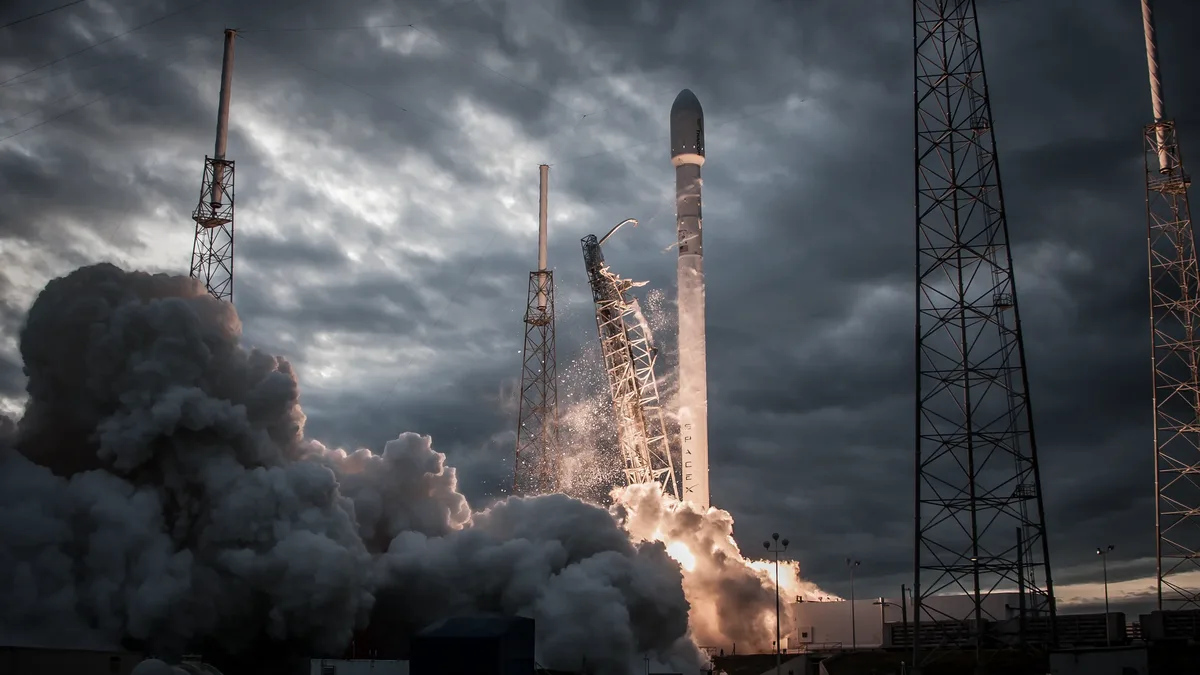
Arianespace Ariane 64 Targets Amazon Leo Launch in November
Arianespace is preparing an Ariane 64 rocket to launch 36 Amazon Leo satellites from French Guiana no earlier than November 23, 2026, in a mission...
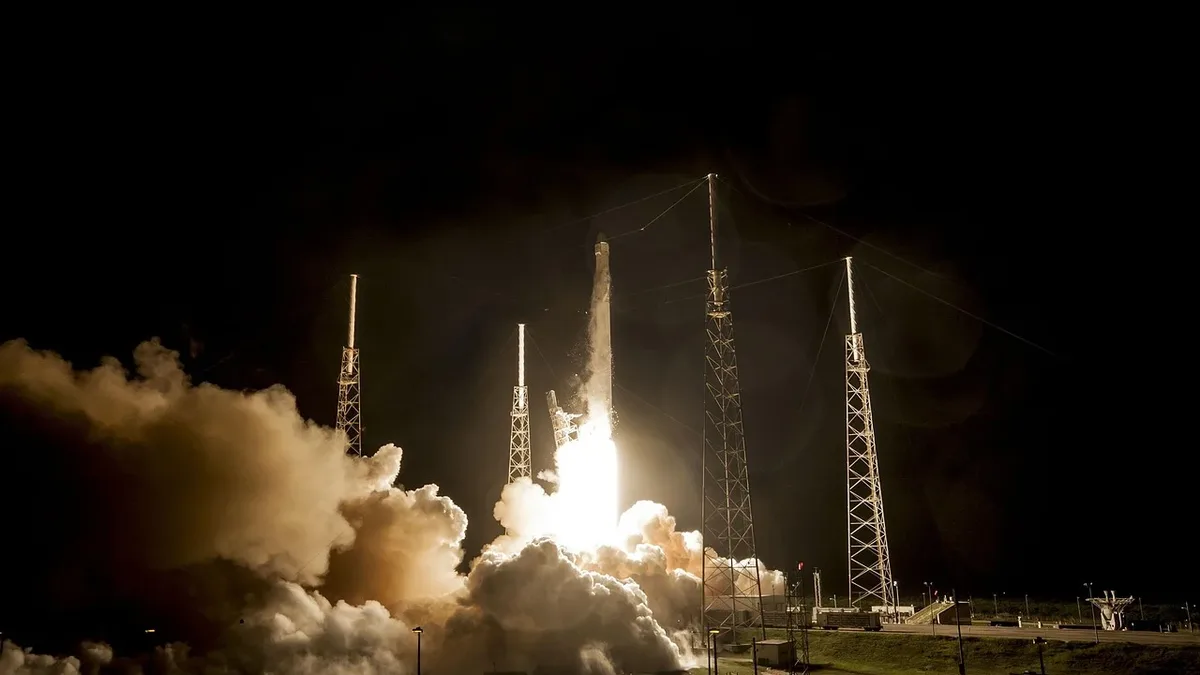
Ariane 6 Launch Cadence Cut by Turbopump Anomaly
A turbopump issue found in August ground tests will limit Ariane 6 to five or six launches in 2026, down from a planned eight.

Amazon Leo orders six more Ariane 64 launches
Amazon Leo has ordered six additional Ariane 64 launches from Arianespace, expanding its total commitment from 18 to 24 missions.
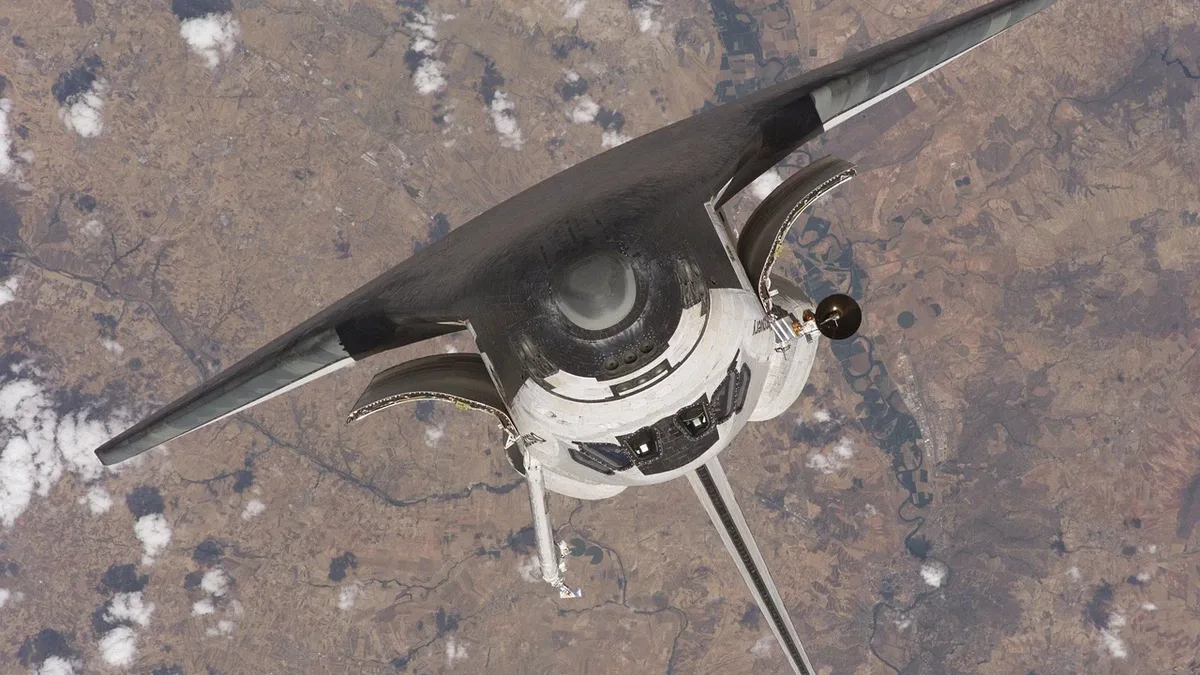
Arianespace and ICEYE sign MoU for Ariane 6 launches
Arianespace and ICEYE have signed a Memorandum of Understanding to explore launching ICEYE's synthetic aperture radar satellites on Ariane 6 rockets.
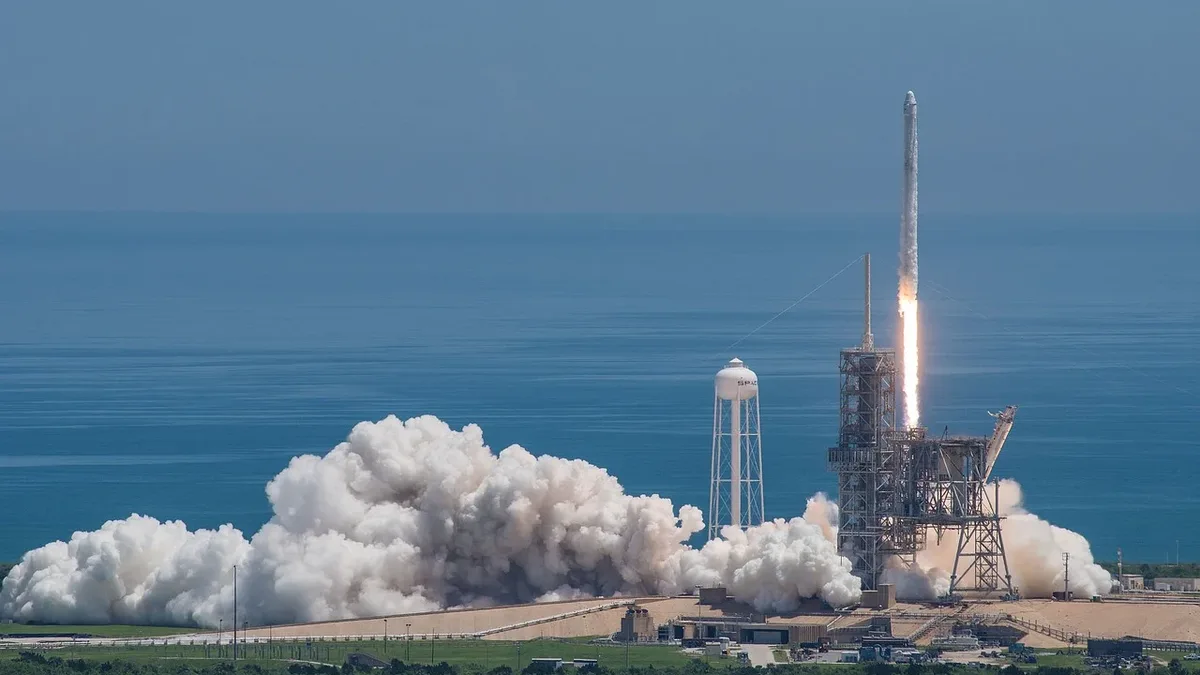
Ariane 6 Launches Advanced Weather Satellite
The Ariane 6 rocket launched the 3.8-tonne MTG-I2 weather satellite from Europe's Spaceport in Kourou.
ESA May Accelerate Ariane 6, Vega-C Launches
The European Space Agency is assessing a potential increase in the launch rate of its Ariane 6 and Vega-C rockets to meet a forecasted surge in...