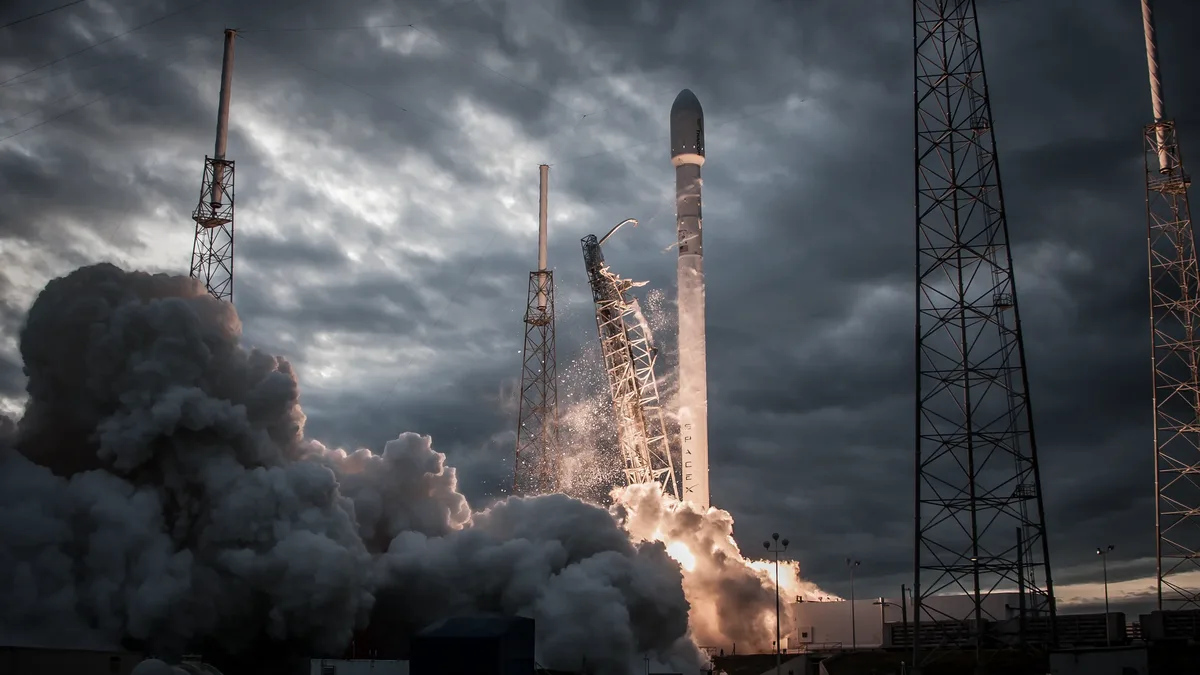
NASA's Artemis III mission will test three launch vehicles and docking
NASA's Artemis III mission, launching next year, will test three launch vehicles, a lunar lander, and the Orion capsule in a 14-17 day LEO mission.
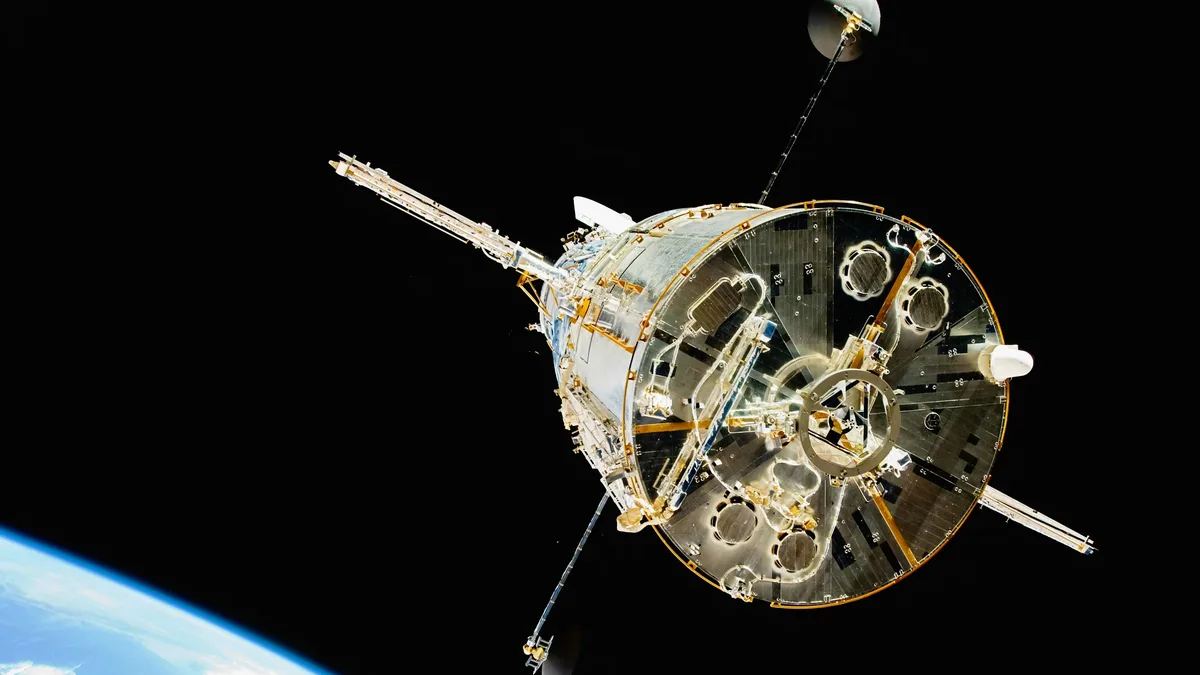
NASA plans to return US astronauts to the Moon in 2028, targeting the Artemis III mission in 2027 and Artemis IV in 2028. The Artemis III mission next year will launch four astronauts to test life support and systems with Blue Origin's Blue Moon Mark 1 lander and SpaceX's Starship upper stage. It will be a 14- to 17-day mission in low Earth orbit, testing three launch vehicles, one lunar lander, and the Orion crew capsule. The mission begins with an uncrewed launch of Blue Origin’s New Glenn rocket carrying the Blue Moon test lander.
Launch vehicle coordination and testing sequence
Artemis III requires three coordinated rocket launches: Blue Origin's New Glenn, SpaceX's Super Heavy-Starship, and NASA's Space Launch System. NASA’s SLS rocket will launch the Artemis III crew and Orion spacecraft to orbit. On Day 3, Orion and the Blue Moon test lander will attempt to rendezvous and dock. The crew will then enter Blue Moon on Days 4 and 5 to validate subsystems including environmental controls, life-support, and emergency scenarios.
On Day 6, SpaceX’s Starship will launch to orbit. It will attempt to dock with the crewed Orion vehicle on Day 8. The Artemis III crew will not transfer from Orion to Starship during this docking test. They will, however, float inside to test systems for two days. After the Starship docking demo, the crew will complete additional tests on Orion, including the new survival suit.
Commercial launch vehicle development status
SpaceX and Blue Origin are under pressure to demonstrate their systems. SpaceX has launched 13 suborbital Super Heavy-Starship test flights since 2023 and completed its first uncrewed orbital flight in September. The company plans to launch multiple Super Heavy-Starships per week by the end of 2027. Blue Origin plans to send two unpiloted Blue Moon Mark 1 landers to the lunar surface by the end of next year. Its New Glenn rocket suffered a launch pad explosion in May, with resuming flights expected late this year or early 2027.
NASA requires successful unpiloted moon landings from SpaceX or Blue Origin before allowing astronaut flights. SpaceX will attempt to demonstrate in-orbit propulsion transfer in early 2027, a key capability for its Human Landing System to reach the lunar surface.
Mission challenges and schedule pressures
Artemis III is about 90 days behind schedule on paper, but NASA says it is not due to lack of effort. NASA officials are working with vendors to accelerate supply chains and stretch hardware capabilities. Updates include creating a 'stretch' Vulcan rocket for Artemis III and shrinking requirements on the Axiom spacesuit for Artemis IV. Multiple launches of Starship and New Glenn are expected before Artemis III and Artemis IV to build confidence.
The broader Artemis program is driven by competition with China. NASA Administrator Jared Isaacman stated that NASA wants to reach the Moon in two years to beat China. China is predicted to send a crewed mission around the Moon in 2027 and aims to land taikonauts on the moon by 2030. NASA wants to land first to explore lunar south pole ice deposits for fuel, air, and water to establish a moon base in the 2030s.
For Artemis IV in 2028, NASA has two mission plans: one using SpaceX’s Starship and human landing system, and another using Blue Origin’s New Glenn and Mark 2 lander. The agency has not confirmed which company will provide the lunar landing system. NASA will launch astronauts to space using the SLS rocket and Orion capsule regardless of lander choice. NASA Administrator Jared Isaacman called the Artemis IV mission ambitious and extraordinarily difficult. Before any astronaut flights for Artemis III, NASA requires successful unpiloted moon landings from SpaceX or Blue Origin.