SpaceNukes Wins DARPA Award to Test Active Kilopower Reactor
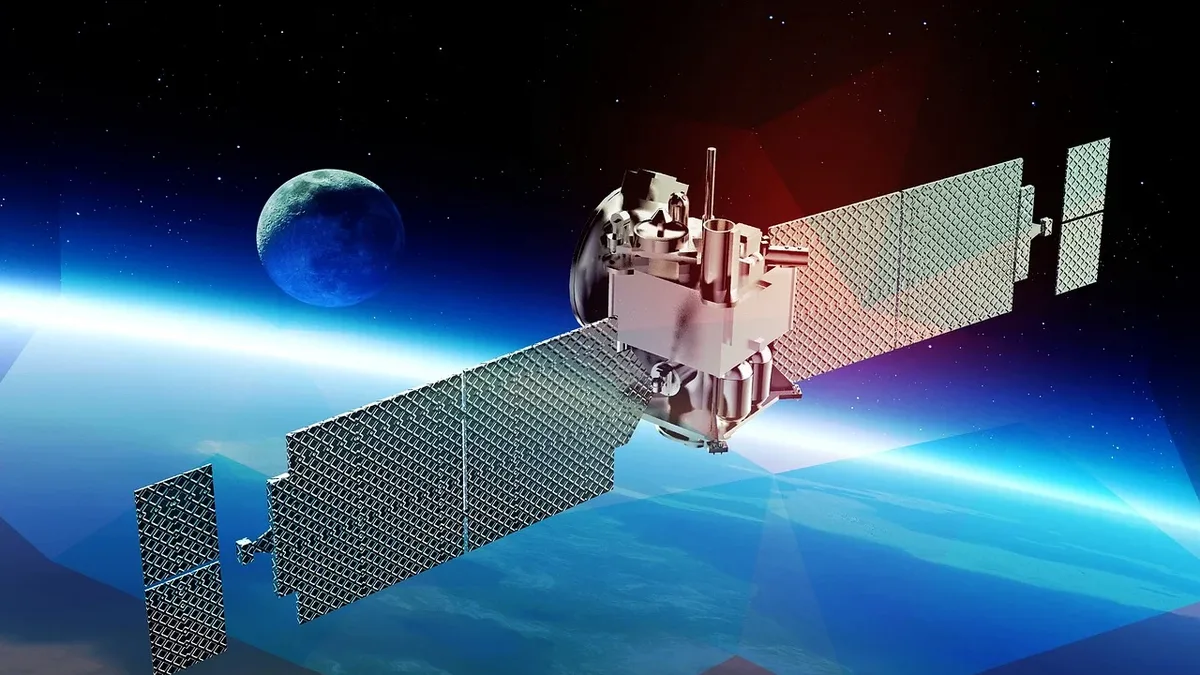
Space Nuclear Power Corporation secured a DARPA agreement to ground-test a Kilopower reactor with autonomous control rods, advancing technology for deep space power.
DARPA has awarded Space Nuclear Power Corporation an Other Transaction Agreement under its Fast Capacitance program. The agreement funds SpaceNukes and Los Alamos National Laboratory to design, build, and ground test a Kilopower reactor featuring active control rod operation.
This new work directly extends the 2018 KRUSTY project, which was the only full-power ground test of a new American space reactor in fifty years. That earlier test used a passively controlled design with a solid uranium-235 core the size of a paper towel roll, running for 28 hours without moving parts. The critical new element is the addition of active control rods. This upgrade enables autonomous operation, a necessity for spacecraft on missions far from Earth where real-time ground control is impossible.
Team continuity and leadership
The core team behind the 2018 KRUSTY demonstration is leading this new effort. Key personnel include David Poston and Patrick McClure, who performed the foundational work at Los Alamos National Laboratory and now serve as SpaceNukes' CTO and COO. Marc Gibson, who led the program at NASA Glenn Research Center, is the chief engineer and will lead integration of the new test hardware at the company's workshop in Medina, Ohio. CEO Andy Phelps and former NASA engineer Omar Mireles complete the team.
Patrick McClure stated, "This award recognizes the maturity and continuity of the team that designed, built, and tested KRUSTY in 2018." The company holds a license from Los Alamos for the Kilopower technology and operates from headquarters in Los Alamos, New Mexico, alongside its Ohio workshop.
Positioning for future missions
The contract supports the development of advanced reactor control technologies that extend American nuclear power capability. The work aims to position U.S. industry to provide reliable nuclear power for a broader range of mission profiles. These include missions requiring dynamic power management and rapid response under varying conditions, which are essential for future deep space exploration and national security objectives.
Andy Phelps emphasized the value of proven technology, saying, "There is no substitute for demonstrated technology when American national security objectives are at stake." Dr. Tabitha Dodson leads the Defense Sciences Office within the Fast Capacitance program overseeing the award.
The phased program will proceed through design, procurement, and integration gates before the ground demonstration.