Ground Segment & Spectrum
| Frequency band | Varies by mission and allocation |
|---|---|
| Original use | Command, control, and telemetry for spacecraft |
| Country of origin | Varies by ground station operator |
| First created | Mid-20th century |
| Signal type | Uplink and downlink |
| Modulation | Varies by protocol (e.g., PCM, PM, BPSK) |
| Antenna type | Parabolic dish |
| Antenna size | Medium to large (e.g., 5m to 70m diameter) |
Origin and history
The term "ground segment and spectrum" originates from the broader field of satellite communications and space operations, with its conceptual foundations established in the mid-20th century alongside the dawn of the Space Age. Its development is not attributable to a single country but evolved through international efforts, primarily led by the United States and the Soviet Union during the Cold War era. The necessity for a ground segment became immediately apparent with the launch of the first artificial satellites, which required dedicated Earth-based stations to communicate with and control the spacecraft. The management of the radio frequency spectrum as a critical resource for these links was formalized through international bodies like the International Telecommunication Union (ITU) in the latter half of the 20th century. The framework for what constitutes the ground segment, encompassing tracking, telemetry, command, and data reception, was standardized through decades of practice by national space agencies and commercial satellite operators. This historical evolution established the ground segment and its associated spectrum use as the indispensable Earth-based foundation for all space missions.
What it is for
The ground segment and spectrum serve as the critical terrestrial infrastructure that enables command, control, and data acquisition from a spacecraft. Its primary function is to establish and maintain a bidirectional radio frequency link between the Earth and the space vehicle throughout all mission phases. This link is used to transmit telecommands from operators on the ground to the spacecraft, directing its functions, maneuvers, and payload operations. Conversely, it receives telemetry data from the vehicle, which includes information on the spacecraft's health, status, and position, as well as the scientific or commercial data collected by its payload. The allocated radio spectrum is the medium through which this communication occurs, and its careful management prevents harmful interference with other satellite systems and terrestrial services. Furthermore, the ground segment processes, archives, and distributes the received data to the mission's end-users, scientists, or customers, making it the final and essential node in the chain of space-based information delivery.
Pros and cons
A significant advantage of a robust ground segment is the provision of continuous mission control and real-time situational awareness, allowing for rapid response to anomalies and maximizing mission success. The dedicated use of carefully coordinated spectrum ensures reliable, high-fidelity communication links that can handle the vast amounts of data generated by modern payloads. However, a major con is the extremely high capital and operational cost of building, maintaining, and staffing major ground station facilities, often requiring a global network for continuous coverage. The reliance on specific radio spectrum allocations is also a vulnerability, as these frequencies are a finite resource subject to increasing congestion and risk of interference from other services. A common mistake is underestimating the complexity and cost of the ground segment during mission planning, leading to budget overruns or a capability gap where the spacecraft cannot downlink all its data. Operators often regret choosing overly complex or proprietary ground systems that lead to vendor lock-in, high long-term support costs, and difficulties in adapting to new mission requirements.
Who it suits
This infrastructure fundamentally suits any entity that operates a spacecraft, including national and international space agencies conducting scientific exploration, Earth observation, or astronomy missions. It is equally critical for commercial satellite operators providing telecommunications, broadcasting, and broadband internet services from geostationary or low Earth orbit. Government organizations utilizing satellites for national security, defense, and environmental monitoring are primary users, requiring secure and highly reliable ground segments. The architecture also suits academic and research institutions that own or operate small satellites, though they often rely on shared or commercial ground station networks to reduce costs. Large-scale commercial constellations, comprising hundreds or thousands of satellites, necessitate highly automated and software-defined ground segments with globally distributed antennas to manage the fleet efficiently. Ultimately, any mission where command, control, and data retrieval are required is wholly dependent on a suitably designed ground segment and access to the necessary spectrum.
Latest Ground Segment & Spectrum news
Latest reporting

Isar Aerospace's Spectrum Rocket Reaches Orbit on First
Isar Aerospace successfully launched its Spectrum rocket from Norway, deploying five CubeSats. This marks the first privately funded European orbital...

Isar Aerospace Launches First Payload Mission Tonight
Isar Aerospace will launch its Spectrum rocket's second flight tonight from Norway, carrying six payloads for the first time as part of its...
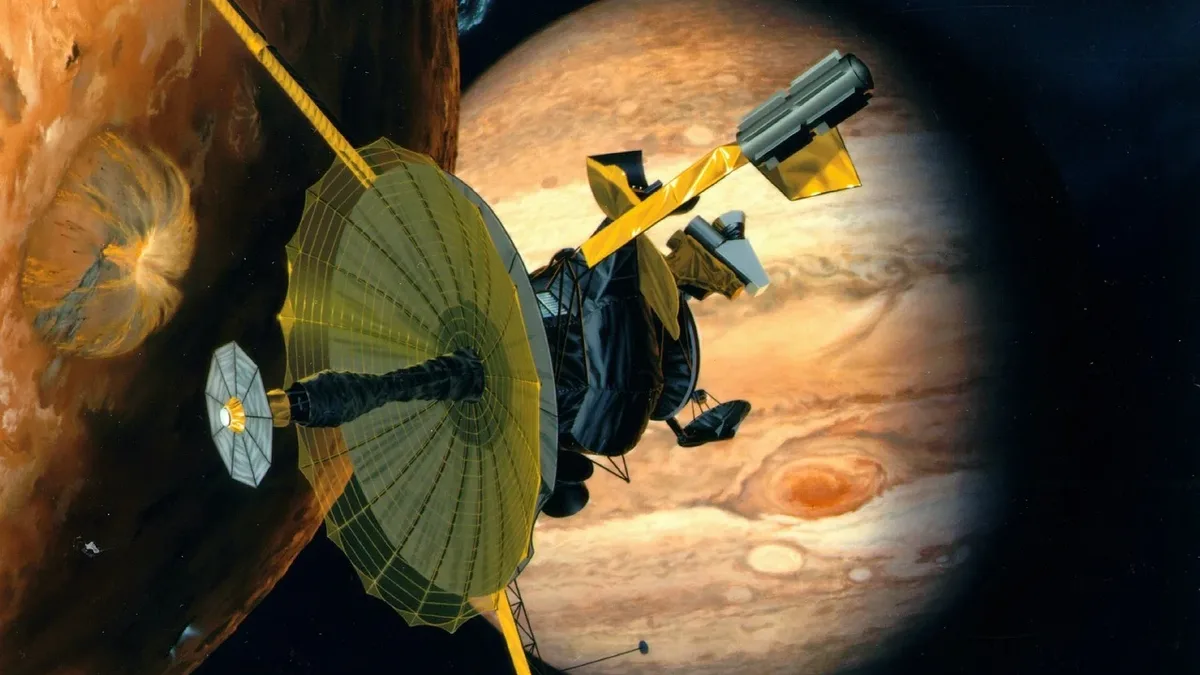
Astroscale Picks Isar for 2027 Debris Removal
Astroscale Japan has selected Isar Aerospace's Spectrum rocket to launch its ADRAS-J2 mission in FY2027. The mission aims to capture and deorbit a...
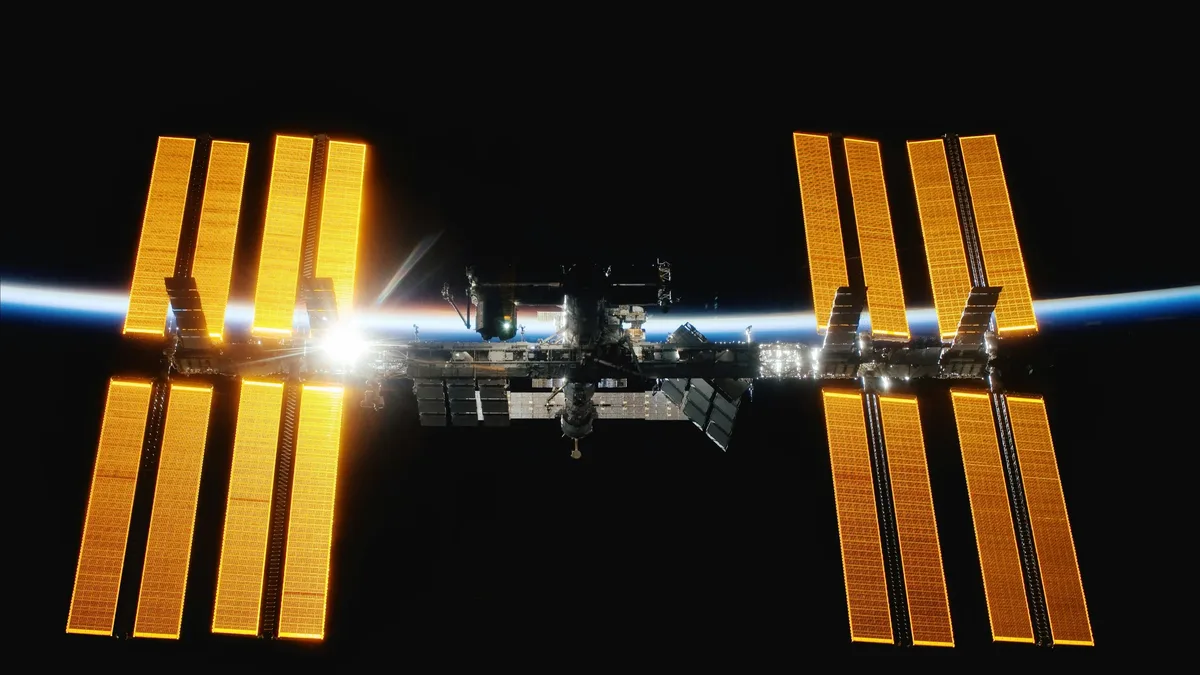
OHB Wins €1bn SES IRIS2 Satellite Contract
OHB has been awarded a €1 billion contract by SES to build 18 satellite platforms for the MEO segment of Europe's IRIS2 secure communications
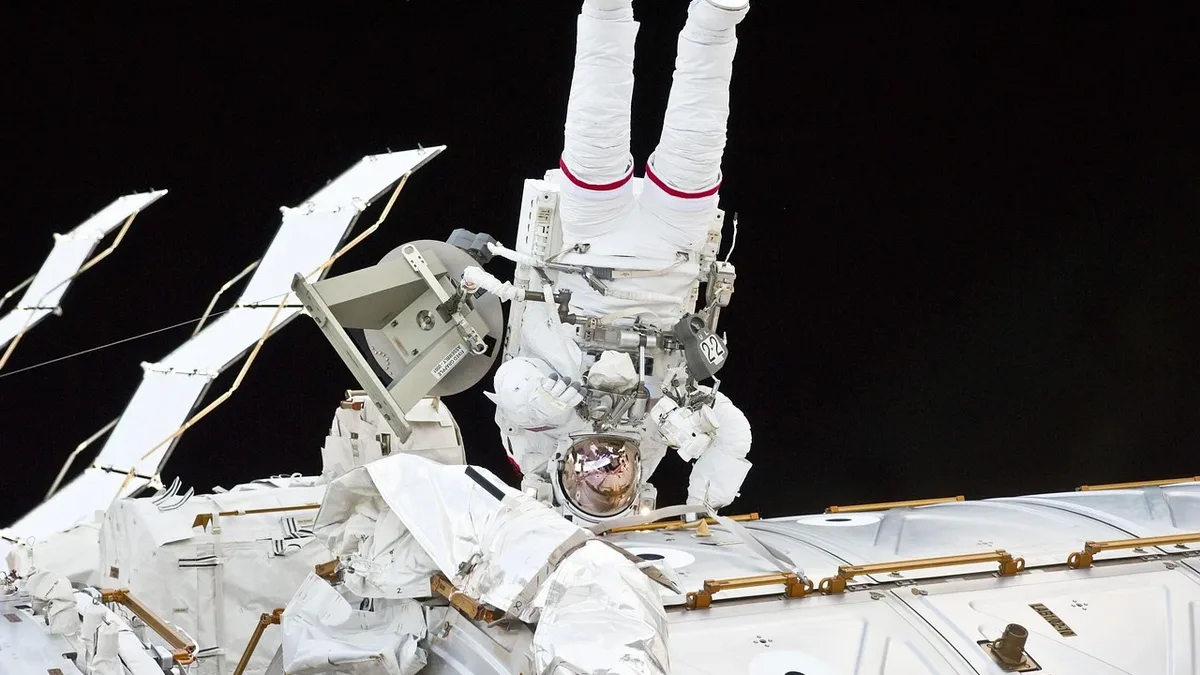
ISS Crew Completes Antenna Repair Spacewalk
NASA astronaut Anil Menon and ESA astronaut Sophie Adenot successfully installed a replacement for the failed Space-to-Ground Antenna 2 on August 25
LatConnect 60 and Phi Earth Partner to Connect Space and Soil
LatConnect 60 and Phi Earth Technologies have announced a strategic partnership to integrate satellite Earth Observation with ground-truth field data...