Astroscale Picks Isar for 2027 Debris Removal
Astroscale Japan has selected Isar Aerospace's Spectrum rocket to launch its ADRAS-J2 mission in FY2027. The mission aims to capture and deorbit a 3-ton Japanese rocket upper stage, building on a prior inspection flight.
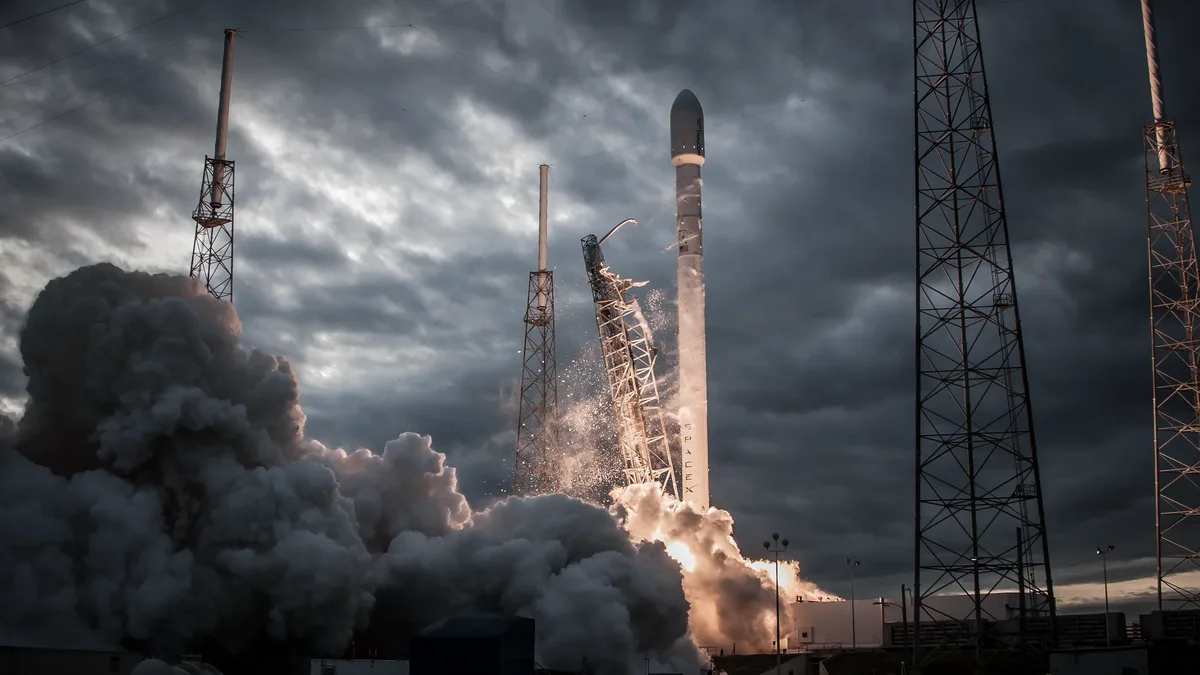
Astroscale Japan has chosen Germany's Isar Aerospace to launch its ADRAS-J2 active debris removal mission. The flight is scheduled for Japan's fiscal year 2027, which runs from April 2027 to March 2028, and will use Isar's Spectrum rocket from the Andøya Space spaceport in Norway.
This flight follows the ADRAS-J demonstration, which in 2024 successfully performed autonomous rendezvous and proximity operations (RPO) around a non-cooperative object in low Earth orbit. That earlier spacecraft photographed a Japanese H-IIA rocket upper stage left in orbit since a 2009 launch.
Mission Targets Real Debris
Unlike demonstrations that use purpose-built dummy targets, ADRAS-J2 will attempt to capture and remove an existing piece of large orbital debris. The target is the same upper stage previously inspected, which measures roughly 11 meters long and 4 meters in diameter and weighs about 3 tons. The ADRAS-J mission confirmed the stage's payload attach fitting-the planned capture point for ADRAS-J2-was undamaged.
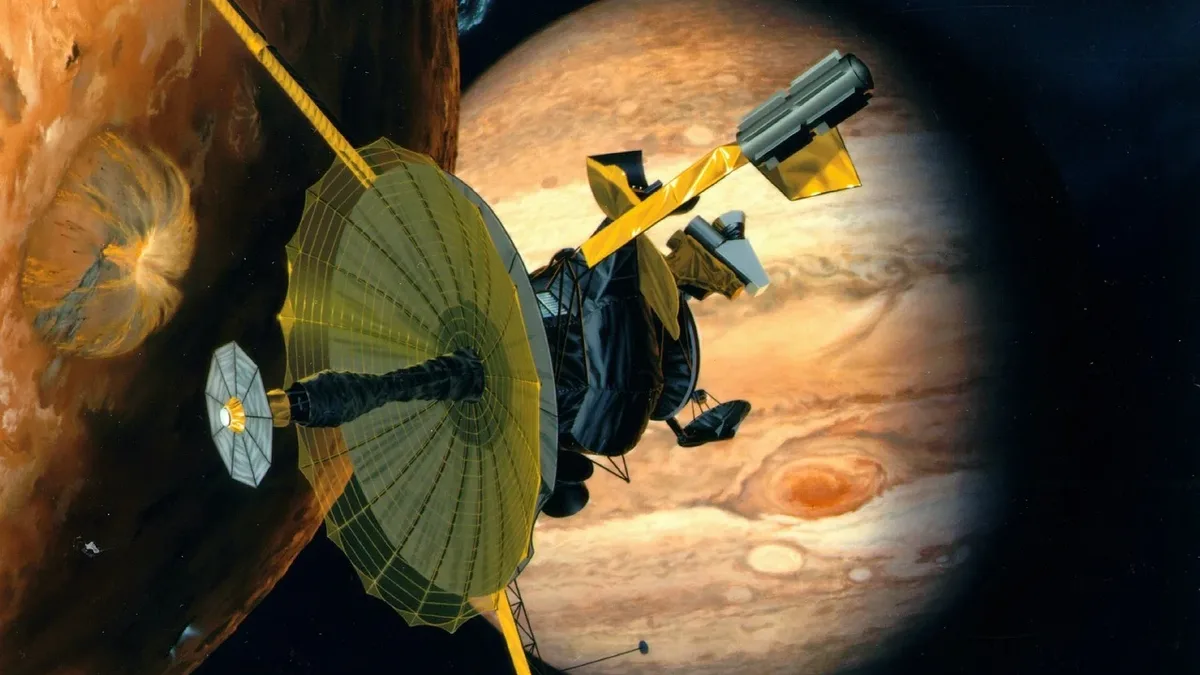
The new spacecraft will combine Astroscale's RPO capabilities with its in-house robotic arm technology to grapple and remove the non-cooperative upper stage. An Astroscale spokesperson told Payload the project is a key step. "ADRAS-J2 is an important step toward demonstrating that debris removal can become a repeatable, commercial service," they said. "Our goal is to build on the mission's capabilities and pursue future removal missions with government customers who have a need to responsibly remove large debris from orbit."
JAXA's Commercial Debris Program
ADRAS-J2 is being developed under Phase II of the Japan Aerospace Exploration Agency's (JAXA) Commercial Removal of Debris Demonstration (CRD2) project. This government initiative aims to build a commercial active-debris removal market by partnering with private companies to tackle Japanese-originated debris. The 2024 ADRAS-J mission constituted Phase I of the same program.
Astroscale's contract for the CRD2 project is valued at approximately ¥13.2 billion, or about $82 million. The financial terms of the launch agreement with Isar Aerospace were not disclosed by either company.
Isar's Path to First Flight
The selection comes as Isar Aerospace works to prove its launch vehicle. The company's Spectrum rocket has not yet reached orbit. Its debut test flight in March 2025 was lost just 30 seconds after liftoff. A second test flight was scrubbed in June 2025, and a new date has not been confirmed.
The German launch startup plans multiple Spectrum flights to demonstrate and enhance reliability before the scheduled ADRAS-J2 mission. Astroscale expressed confidence in Isar's ability to meet the schedule, noting the importance of Spectrum's precise orbital insertion capability for the debris removal mission.
A Second Mission on the Books
Astroscale has now booked a second flight on Isar's Spectrum rocket. In March, Astroscale's UK subsidiary signed an agreement with Isar to launch the ELSA-M in-orbit demonstration. That mission, aiming to capture satellites fitted with magnetic docking plates, is scheduled for launch during Astroscale's 2028 fiscal year.