IRIS2 programme reshaped as market rescue wrapped in strategic autonomy language
Analysis of the European satellite constellation initiative reveals structural shifts from defence focus to commercial viability amid funding uncertainty.
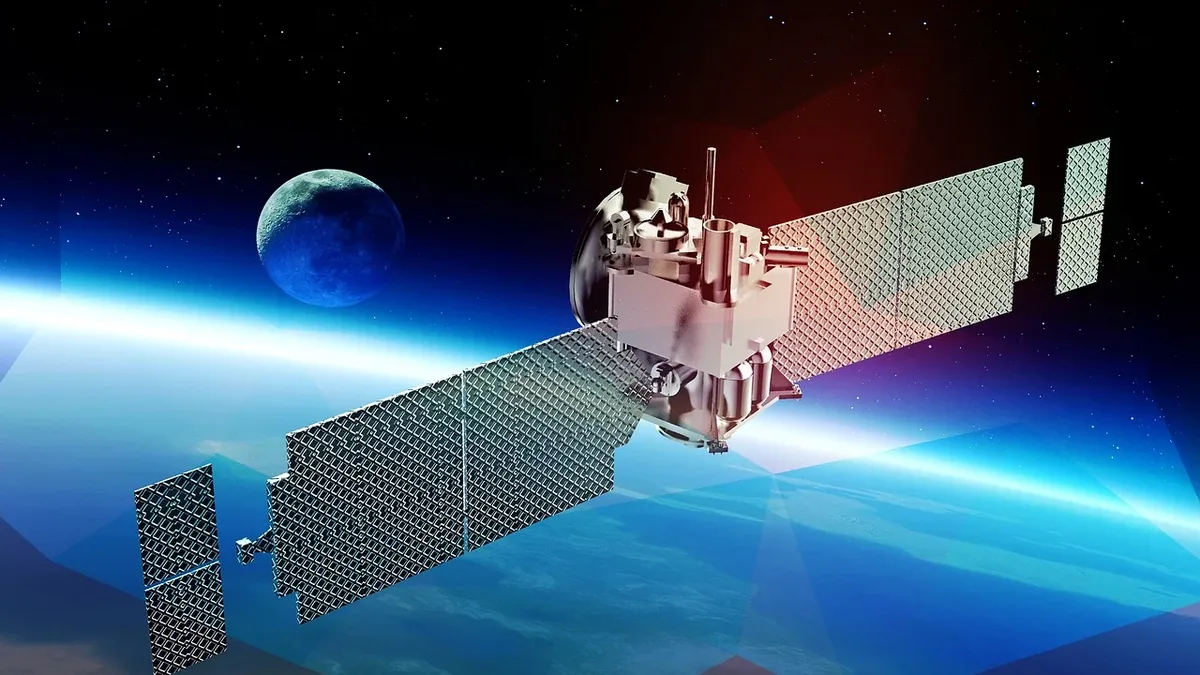
The European Commission's IRIS2 satellite constellation programme has undergone a fundamental reorientation since its inception, transforming from a defence-driven initiative into a market rescue mechanism wrapped in the language of strategic autonomy. According to a #SpaceWatchGL analysis, the programme's evolution reflects broader tensions between European defence ambitions and the practical realities of space infrastructure financing.
The IRIS2 project, initially conceived as a secure communications network for EU defence purposes, has seen its scope expand to include commercial satellite operators as key partners. This shift comes as the programme faces pressure to justify its multi-billion euro budget amid competing priorities within the European space sector. The analysis notes that the constellation's design has been adjusted to accommodate existing commercial satellite capabilities, blurring the lines between public defence needs and commercial market development.
A central theme of the report is the tension between strategic autonomy objectives and the financial sustainability of the project. While the EU frames IRIS2 as essential for reducing dependence on non-European satellite services, the analysis suggests the programme's structure increasingly resembles market intervention rather than pure strategic investment. The report highlights how the Commission has sought to leverage private sector investment while maintaining political control over critical space infrastructure.
The analysis also examines the regulatory framework surrounding IRIS2, noting that spectrum allocation and orbital slot coordination have become contentious points between member states and existing satellite operators. These technical negotiations have taken on political significance as the programme attempts to balance competing claims on limited space resources.
Critics within the space industry have questioned whether the programme's structure effectively serves either defence requirements or commercial viability, suggesting the 'strategic autonomy' narrative may mask more pragmatic considerations about market positioning and industry support. The report indicates that ongoing dialogue between EU institutions and the space sector will determine whether IRIS2 achieves its dual objectives of strategic independence and commercial sustainability.", "
Programme Evolution and Structure", "The
IRIS2 constellation began as a purely defence-oriented project but has progressively incorporated commercial satellite operators into its architecture. This structural change reflects attempts to spread programme costs across a broader base of industry participants while maintaining political oversight of critical space capabilities. The analysis documents how initial defence specifications have been modified to accommodate commercial payload requirements, creating a hybrid architecture that neither fully serves military needs nor pure commercial markets.", "
Financial Framework and Market Impact", "Funding mechanisms for
IRIS2 have shifted to incorporate private sector investment alongside public capital, creating a hybrid financing model that the analysis describes as market rescue rather than pure strategic investment. The report notes that this approach aims to make the constellation financially viable while preserving EU strategic objectives, but questions remain about whether the blended model can satisfy both defence readiness and commercial return expectations simultaneously.", "
IRIS2 programme, with competing claims from existing satellite operators and new entrants creating friction in the regulatory process. The analysis suggests these technical negotiations have taken on political dimensions as the EU attempts to balance strategic autonomy goals with existing industry relationships and international space governance frameworks.", "
IRIS2 can simultaneously achieve its stated objectives of strategic autonomy and commercial sustainability. The analysis concludes that the programme's future trajectory will depend on the EU's ability to reconcile defence requirements with market realities, with ongoing negotiations between institutions and industry players likely to shape the constellation's final configuration and operational capabilities.
Source: SpaceWatch.Global