
Launch Sites
| Country of origin | United States |
|---|---|
| First created | 1960s |
| Original use | To launch the X-15 rocket-powered aircraft |
| Type | Mobile, rail-based |
| Launch platform | Modified B-52 Stratofortress aircraft |
| Launch altitude | Approximately 45,000 feet (13,700 meters) |
| Payload | Research aircraft (specifically the North American X-15) |
Origin and history
Launch sites are specialized facilities constructed for the purpose of launching vehicles, typically rockets, into space. Their origin is intrinsically linked to the development of ballistic missile programs in the mid-20th century. The first dedicated space launch sites emerged from repurposed missile test ranges, such as those in the Soviet Union and the United States. Geographical considerations, particularly the need for vast, unpopulated areas downrange, heavily influenced the selection of these early locations. Over decades, these sites evolved from rudimentary pads with minimal infrastructure into complex spaceports supporting multiple launch providers. The history of launch sites reflects the broader technological and geopolitical narrative of space exploration from its inception.
What it is designed for
A launch site is engineered to provide the necessary infrastructure for the assembly, fueling, and safe ignition of a launch vehicle. Its primary function is to manage the immense energies involved in a launch, directing exhaust plumes and acoustic energy away from the vehicle and ground equipment. The site must accommodate the transportation and integration of the vehicle's stages and its payload, which can include satellites, scientific probes, or crewed spacecraft. Furthermore, it is designed to establish a controlled safety perimeter and to facilitate the tracking of the vehicle during the initial phase of flight. The complex also serves as a operational hub for launch teams, providing facilities for mission control, communications, and range safety operations. Ultimately, its design aims to ensure a controlled departure from Earth's surface for a specific mission within a defined launch window.
Development and versions
Launch site development has progressed from simple concrete pads to integrated spaceports with multiple launch complexes. Early versions were single-purpose installations built for specific rocket families, like those for the V-2 or the R-7, and were often temporary or minimally developed. The advent of larger, more complex launch vehicles necessitated versions with massive mobile service structures, flame trenches, and sound suppression systems, as seen at sites like Kennedy Space Center's Launch Complex 39. Modern versions are increasingly designed for flexibility, capable of supporting multiple different vehicle types from various providers through standardized interfaces. Some recent developments focus on commercial spaceports built specifically for small launch vehicles, emphasizing rapid turnaround. Another version is the sea-based launch platform, which offers equatorial launch access and reduced overland flight risks.
Overview
A launch site is a geographically fixed installation comprising the pad itself, support structures, propellant storage, and integration facilities. The pad is the immediate point of departure, featuring the launch mount, hold-down arms, and flame deflection systems. Support structures include mobile service towers for vehicle access and fixed umbilical towers providing electrical, pneumatic, and propellant connections. Ancillary infrastructure encompasses propellant farm storage for cryogenic and hypergolic fuels, ordnance storage for pyrotechnics, and high-pressure gas systems. The site is integrated with a network of roads, railways, or waterways for transporting vehicle components and payloads. It operates as part of a larger range, which includes downrange tracking stations and safety offices to monitor the launch corridor.
What to know
Launch sites are chosen for specific orbital inclinations based on their latitude, with equatorial sites offering performance advantages for geostationary orbits. Every launch is governed by a window, a precise time frame calculated to achieve the desired orbital parameters or to rendezvous with another object. The payload is integrated with the vehicle either vertically on the pad or horizontally in a separate hangar, a decision that affects the pad design and flow. Range safety is a paramount concern, requiring large exclusion zones for public safety and the inclusion of flight termination systems on the vehicle. Weather constraints, including winds, lightning, and precipitation, are critical factors that can scrub a launch attempt even when the vehicle is technically ready. Access to a clear downrange path over ocean or sparsely populated land is a fundamental requirement for most major launch sites.
Common questions
What is the difference between a launch site and a spaceport? A spaceport typically refers to a larger facility that may host multiple launch sites, along with visitor centers and other aerospace-related infrastructure. Why are so many launch sites located on coastlines? Coastal locations allow for launches over open ocean, minimizing risk to populated areas from falling debris or potential malfunctions during ascent. How is a launch window determined? It is calculated based on orbital mechanics to meet mission objectives, such as reaching a specific orbit or aligning with the International Space Station's orbit. Can any rocket launch from any site? No, a launch vehicle must be compatible with the pad's physical interfaces, propellant supply systems, and safety protocols. What happens if a launch is scrubbed? The vehicle is typically safed, propellants may be drained, and the launch team will recycle operations for the next available window. Are launch sites reusable? Yes, pads are designed for multiple uses, though they require inspection and refurbishment after each launch, especially following significant events like explosions.
Pros and cons
A primary pro is that a well-established launch site provides proven, reliable infrastructure, reducing the technical risk and development burden for launch providers. Sites with equatorial locations offer a natural performance boost for certain orbits, making them highly efficient for specific missions. A significant con is their geographical inflexibility; a land-based site commits a provider to fixed orbital inclination options and often requires overflight of other territories. Launch sites are also immensely expensive to build and maintain, with costs often borne by government entities rather than commercial companies. A common mistake is underestimating the environmental and community impact of launch operations, leading to regulatory delays and public opposition. Providers often regret selecting a site with high congestion or limited launch azimuths, which can severely constrain their launch manifest and business model.
Who it suits
Government space agencies suit established, large-scale launch sites for their flagship missions due to the need for high reliability, extensive safety protocols, and complex payload processing facilities. Large commercial launch providers, operating medium to heavy-lift vehicles, suit major existing spaceports that can handle their scale and provide international logistics support. Small launch vehicle startups often suit newer, commercially-oriented spaceports designed for rapid turnaround and multiple launches per year, with less bureaucratic overhead. Providers focusing on specific orbital inclinations, such as sun-synchronous orbits, suit high-latitude sites that offer direct access to these trajectories. Organizations requiring high-frequency launch capacity for constellation deployment suit sites with multiple pads and a streamlined range control process to support a high launch tempo.
Latest Launch Sites news
Latest reporting
HyImpulse Targets 5 October for Second SR75 Flight
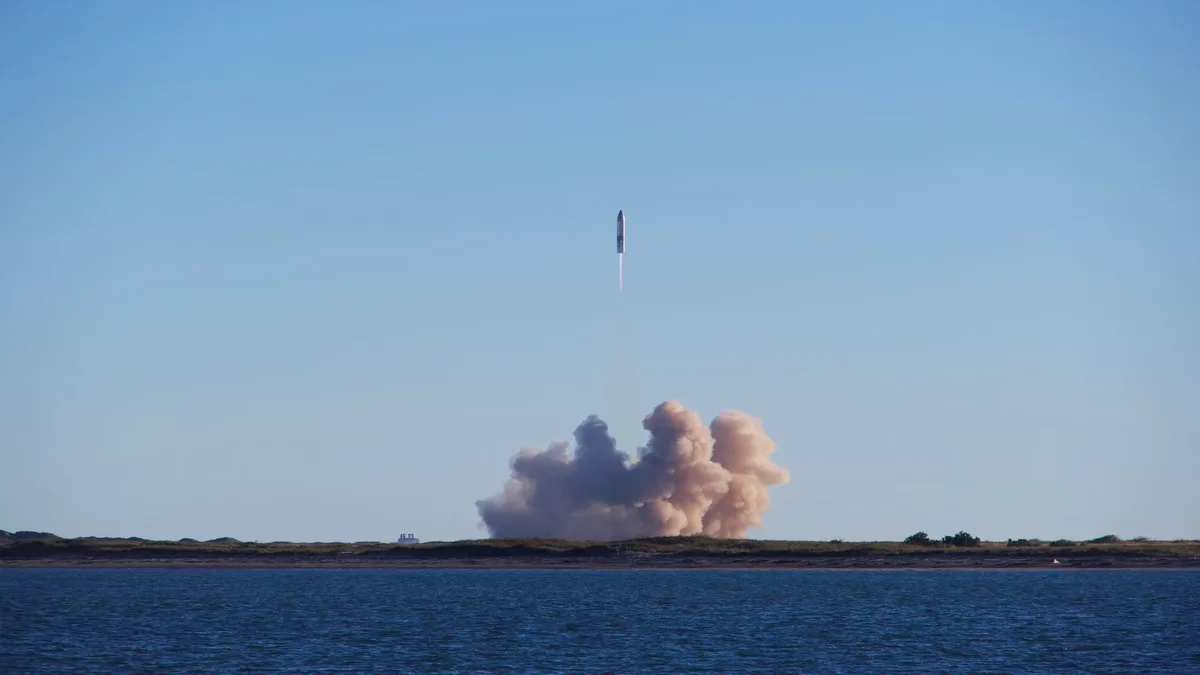
German launch firm HyImpulse could launch its SR75 suborbital rocket from Scotland's SaxaVord Spaceport as early as 5 October, according to maritime...
ESA Hosts FLEX and Sentinel-3C Launch Re-Watch Event
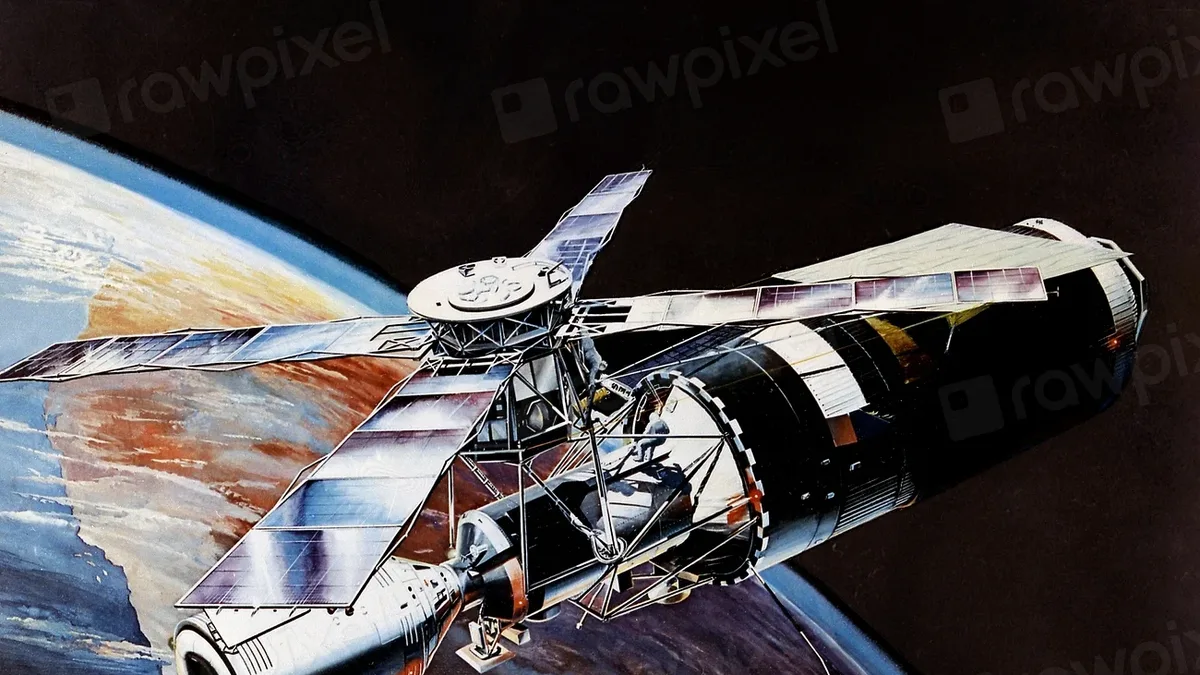
The European Space Agency will host a media event on September 15, 2026, to re-watch the Vega-C launch of the FLEX and Sentinel-3C Earth observation
ESA Reviews Rocket Capacity as Amazon Orders Pressure Launch
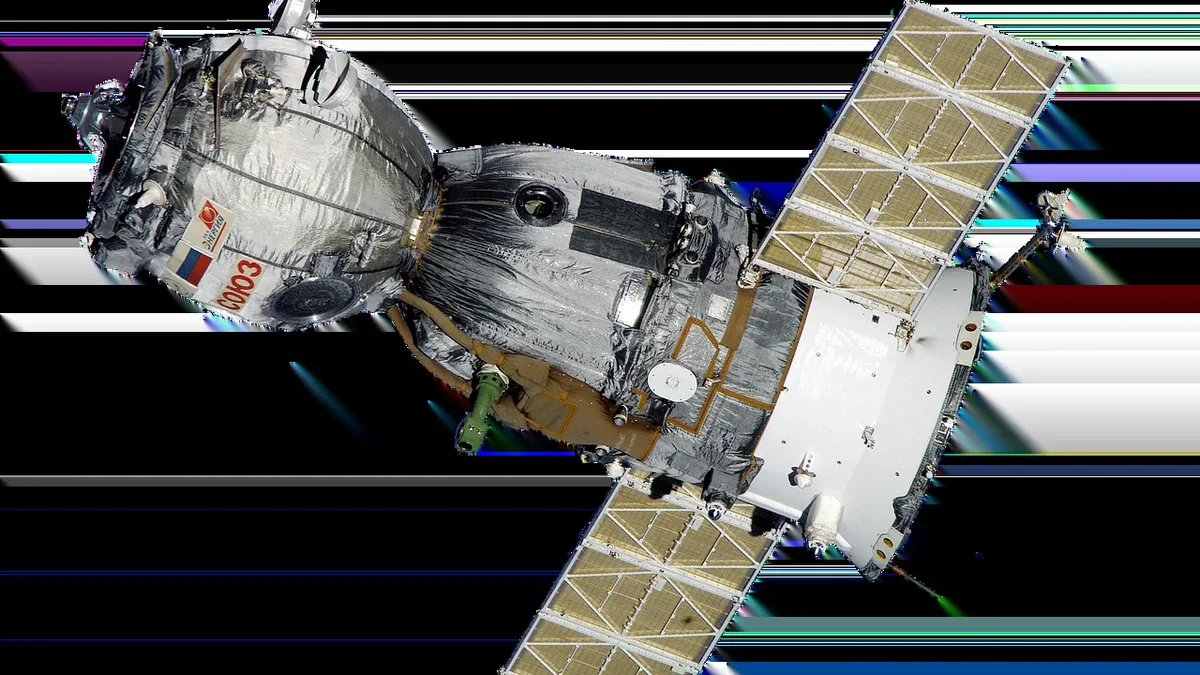
The European Space Agency is assessing if its current rocket fleet can handle a satellite launch demand surge expected to peak around 2030, driven by...
Isar Aerospace's Spectrum Rocket Reaches Orbit on First
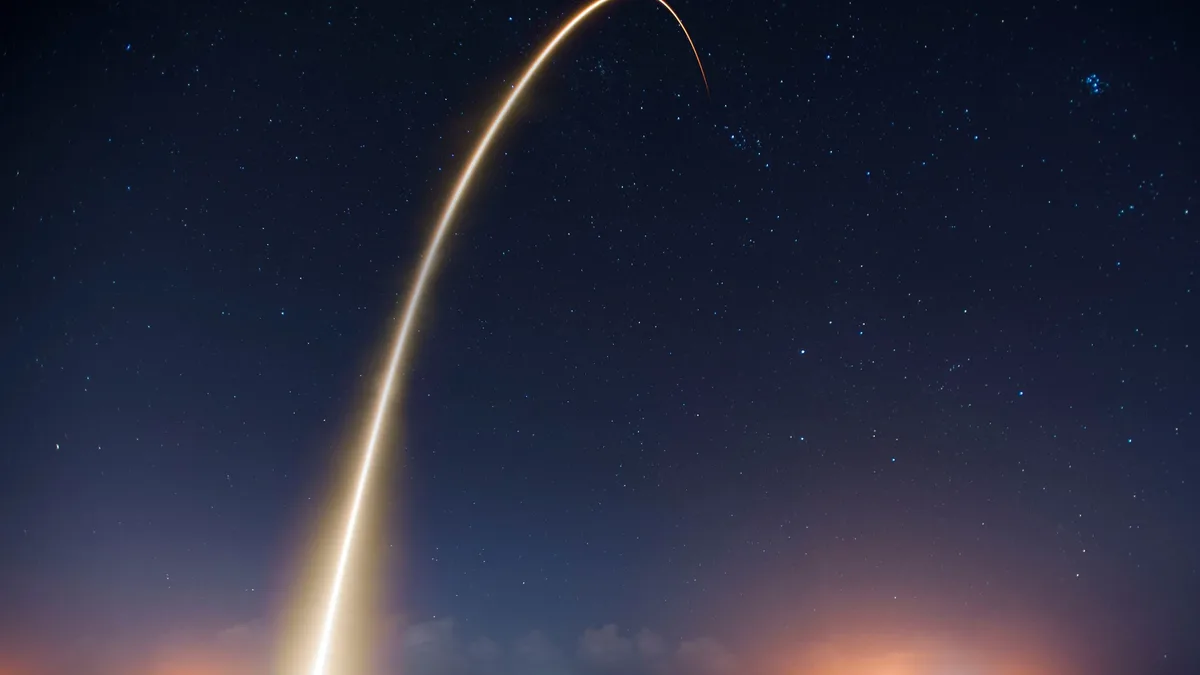
Isar Aerospace successfully launched its Spectrum rocket from Norway, deploying five CubeSats. This marks the first privately funded European orbital...
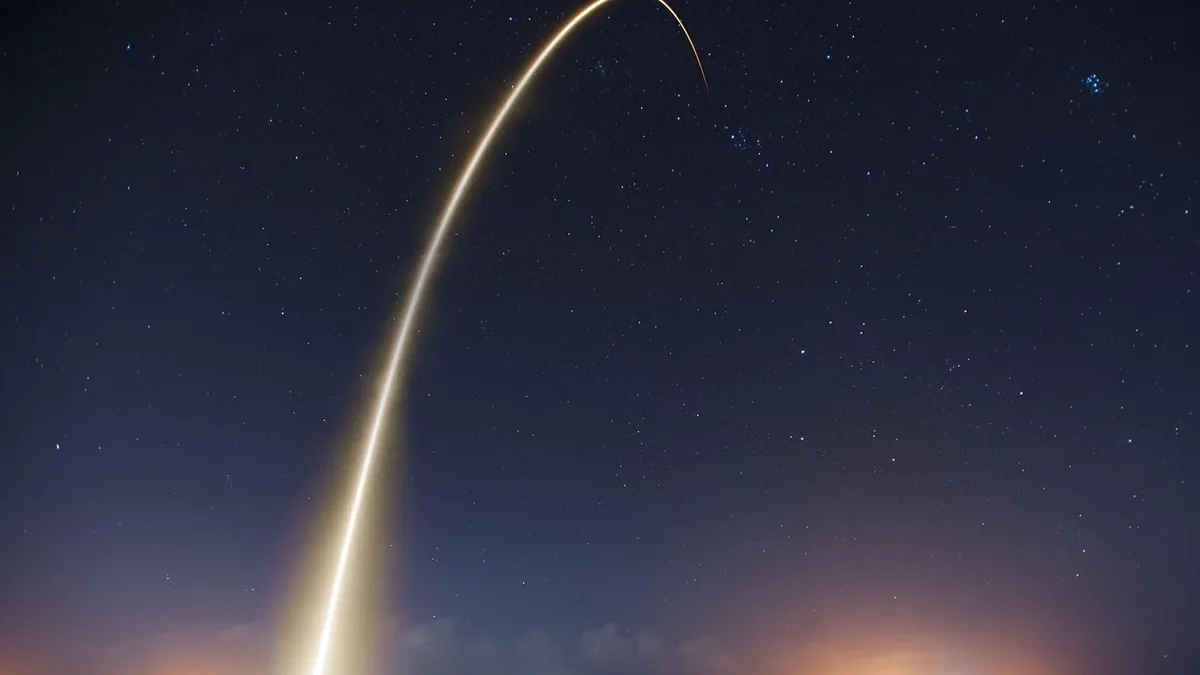
Isar Aerospace Launches First Payload Mission Tonight
Isar Aerospace will launch its Spectrum rocket's second flight tonight from Norway, carrying six payloads for the first time as part of its...
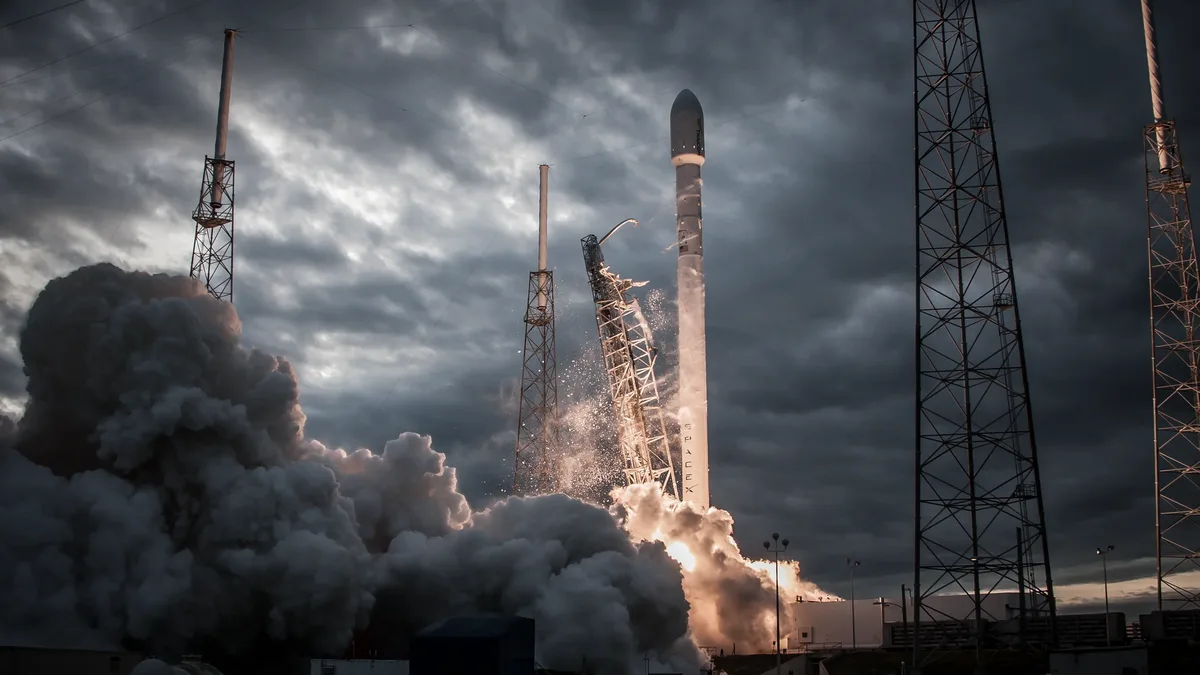
Sentinel-3C Launch Secures Climate Monitoring Continuity
Sentinel-3C will launch on 15 September on a Vega-C rocket from French Guiana, joining Sentinel-3A and 3B to ensure uninterrupted climate data...