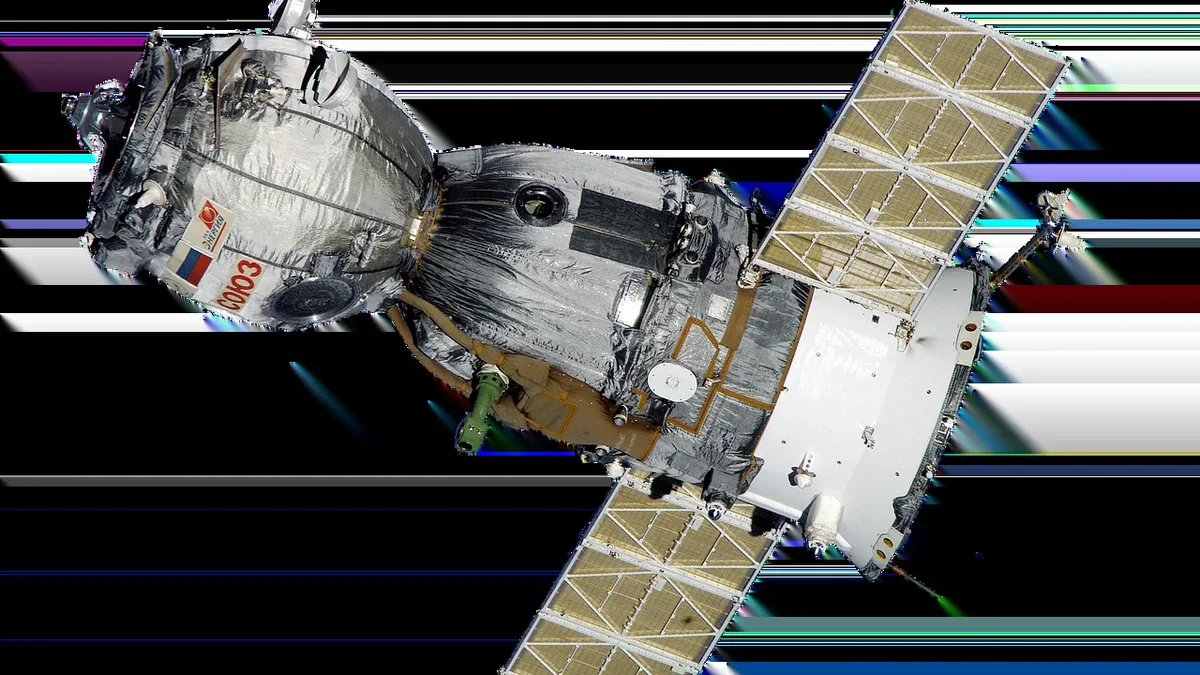
SmallSat 2026: Launch Shortage Drives New
The Small Satellite Conference highlighted industry anxiety over launch capacity shortages, prompting new rideshare agreements from Exolaunch, SEOPS, and a
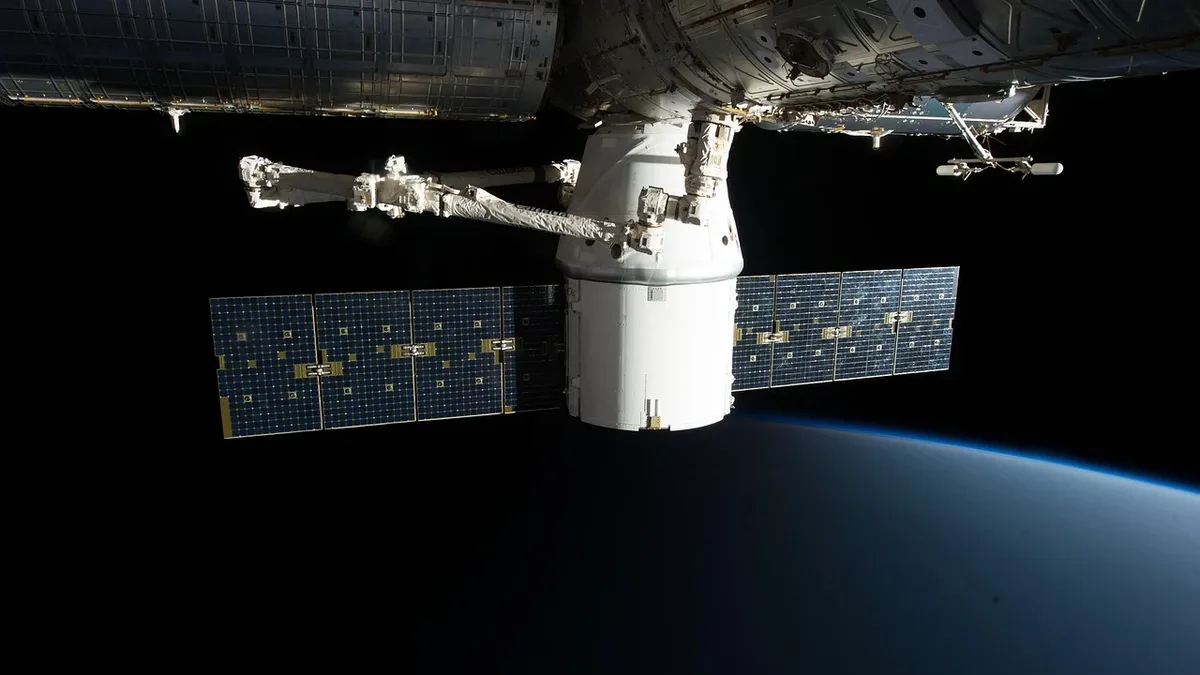
The Small Satellite Conference in Utah revealed deep industry concerns about a looming launch capacity shortage. Satellite and payload operators are pushing ahead with new, more capable spacecraft designs despite this uncertainty.
According to the source report from Payload Space, the event's progress was overshadowed by a shared understanding that the space industry faces a major launch bottleneck. The growing fear is that SpaceX rideshares might become less available, similar to the fate of the Northrop Grumman Pegasus.
New Rideshare Initiatives Emerge
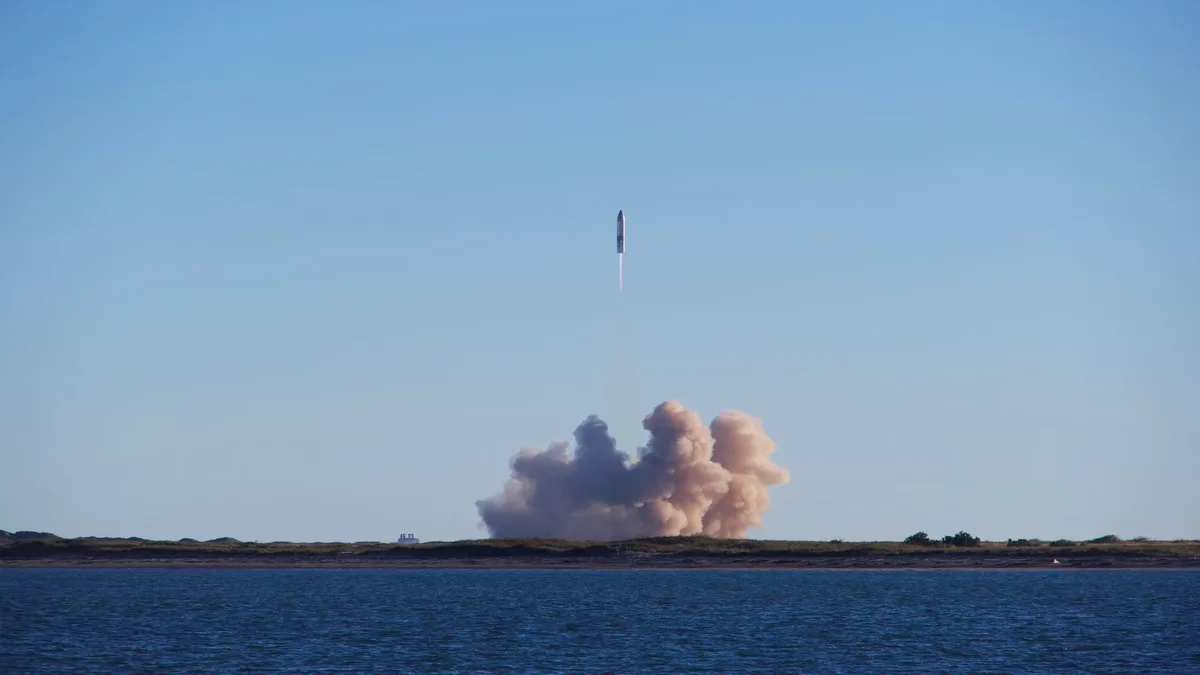
This anxiety fueled intense interest in launch integrators offering alternative rideshare options. Exhibitions operated by Exolaunch and SEOPS, two launch integrators who have purchased Falcon 9 rockets to run their own rideshare programs, were reportedly packed.
Other companies are also building new rideshare opportunities to capitalize on the shortage. On Monday, French launch broker RIDE! announced a deal with MaiaSpace to utilize excess capacity on the new launcher vehicle once it begins commercial operations. RIDE! CEO Valentin Benoit stated the company expects to offer capacity on up to six flights beginning in 2028, though specifics of the agreement were not shared.
Satellite Platforms Adapt for Efficiency
In response to launch constraints, satellite operators are focusing on designs that maximize the number of spacecraft per launch. The Aerospace Corporation's updates on its flat-satellite design, DiskSat, highlighted this trend. The platform is built to maximize the number of spacecraft that can fit in a typical rocket fairing.
Four commercial partners are already planning to use the new DiskSat platform for their own businesses. Satlyt intends to use it to build an in-orbit data center network. Orbotic Systems will use DiskSat for missions ranging from remote sensing to Space Domain Awareness (SDA). Sarmony plans to build its Synthetic Aperture Radar (SAR) network on DiskSat buses. Neumann Space has developed a propulsion system specifically to power the DiskSat platform.
Advancing Data Speed and On-Orbit Compute
The conference also showcased technical advancements aimed at reducing data latency and increasing on-board computing power. Companies highlighted progress on real-time communications from orbit to the ground.
Lithuanian optical-comms-terminal manufacturer Astrolight announced a deal with ATMOS Space Cargo to provide laser communications during the reentry phase of future ATMOS missions. KSAT provided details on its work with Norway's maritime domain awareness network, emphasizing the strength of its ground network in enabling low-latency insights for military applications. Viasat announced a deal with Addvalue to reduce latency for US government customers through new inter-satellite links.
Updates were also presented from companies building higher-power compute systems for spacecraft. Luxembourg-based Edge Aerospace tapped Redwire to manufacture its data processing units in the United States. KSAT and Unibap announced an agreement to bring edge-computing capabilities to two KSAT demonstration satellites launching no earlier than late 2027. Separately, Cesium Astro acquired 1Aardvark to expand its autonomous mission capabilities.