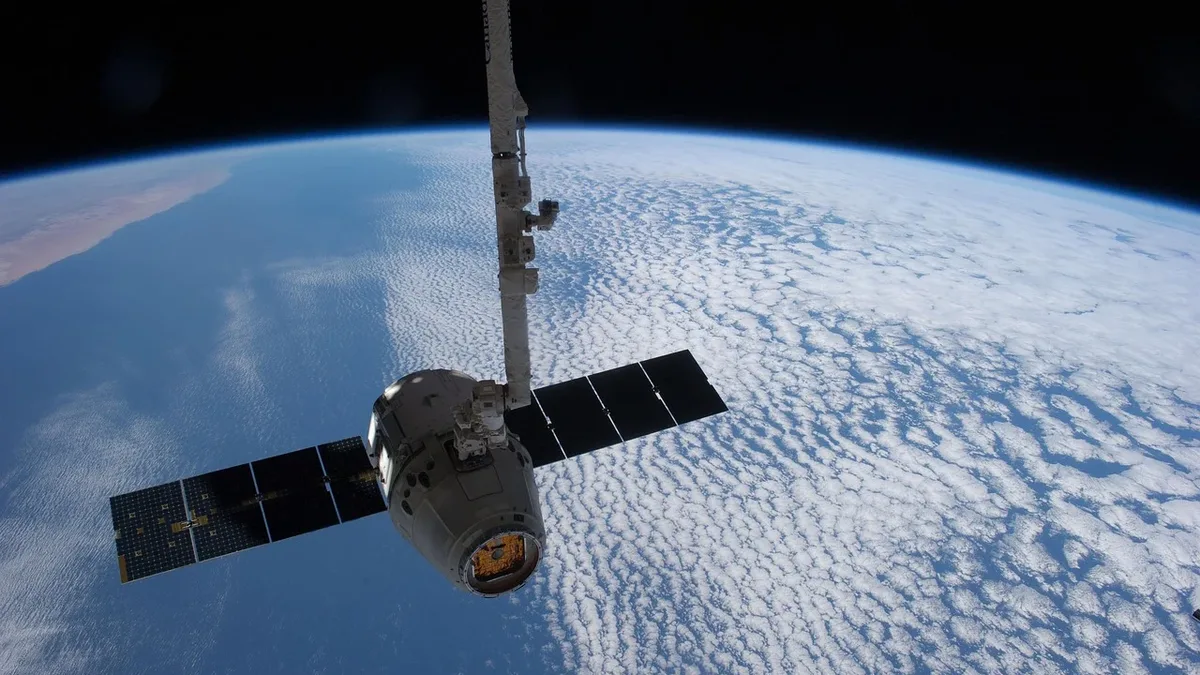
Orbital Matter 3D prints first structural boom in space
Orbital Matter's Replicator 2 satellite has successfully 3D printed a structural boom in the open vacuum of space, proving the feasibility of on-orbit manufacturing for building large-scale satellite components like solar arrays on demand.
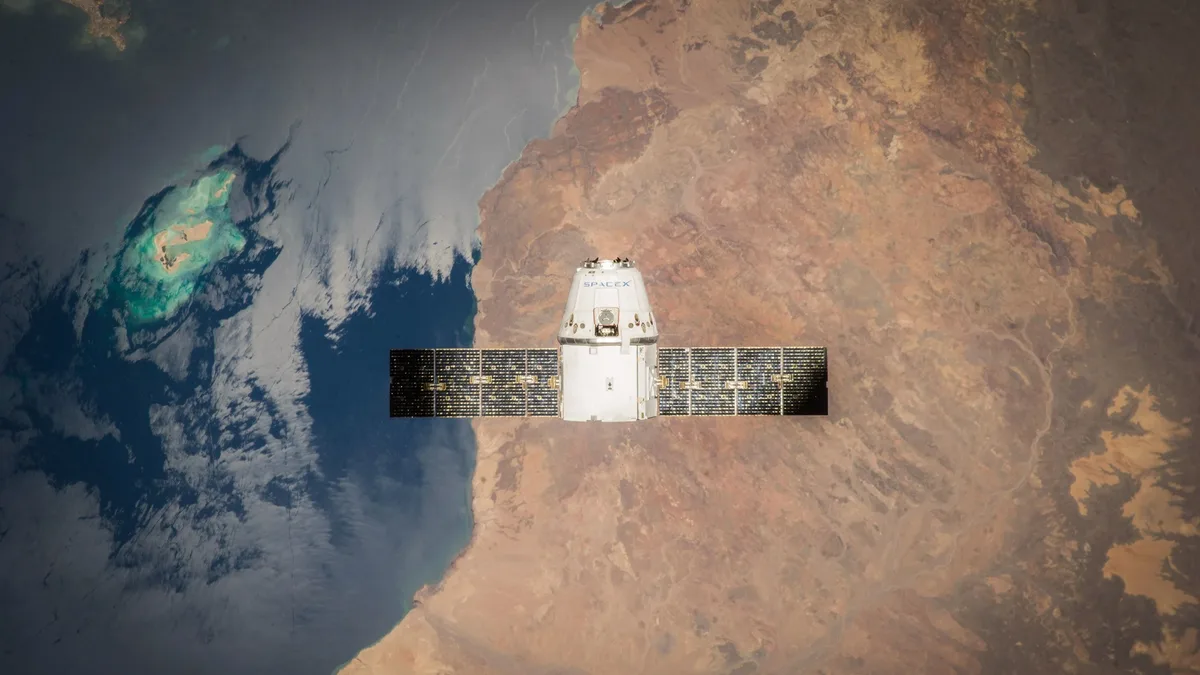
Orbital Matter has demonstrated the first in-space 3D printing of a structural boom. The company's Replicator 2 satellite printed the component in the open vacuum of space on October 21, 2026, a milestone the firm calls "the first 3D print made in the open vacuum of space."
The satellite, launched on a SpaceX rideshare mission on July 7, 2026, carried four of the company's 3D printers. This event marked the second successful print for Replicator 2, following an initial extrusion and curing test on August 12. The October print created the first structural boom the company has manufactured in orbit.
According to Orbital Matter, "the print took about 30 minutes and produced a continuous structure with clean bonding between layers, reaching 30 cm out from the satellite." The process confirmed that additive manufacturing in microgravity is viable for future space infrastructure.
Solar array deployment proof
One of the satellite's printers was designed to deploy a flexible solar array using the newly printed beam. This function succeeded, serving as a critical proof-of-concept for on-demand construction in orbit. The beam acted as the structural element for the array. For scale, SpaceX's current Starlink V2 Mini satellites use deployed solar arrays approximately 20 meters long.
Not all systems performed perfectly. One of the four printers onboard experienced an anomaly during the demonstration. Despite this, the core objective was achieved.
Scale and future ambition
The successful test opens a pathway to much larger structures. Orbital Matter's engineers believe the technology could feasibly produce booms extending 100 meters. This capability would allow for the construction of large-scale space infrastructure beyond the mass and volume constraints imposed by traditional rocket launches.
CEO and co-founder Jakub Stojek stated that Replicator 2 proves arrays can be built in space at whatever size a mission demands. The event, which occurred in November 2026, validates the concept for on-orbit manufacturing.
Company and mission context
Orbital Matter was founded in 2022 by Jakub Stojek and Robert Ihnatisin, both former engineers at 3D printing company Formlabs. The Warsaw- and Berlin-based startup raised a $3 million seed round to develop its printer-assisted deployment system, known as PADS.
The company is now collaborating with satellite manufacturers who are considering integrating PADS to extend solar panels, antennas, and other components after launch. Chief Technology Officer Robert Ihnatisin acknowledged the work ahead, emphasizing the need to demonstrate the technology's capabilities fully.
Orbital Matter will continue its testing program, focusing on printing longer booms and integrating its systems into satellite builder pipelines for on-orbit solar array extension.