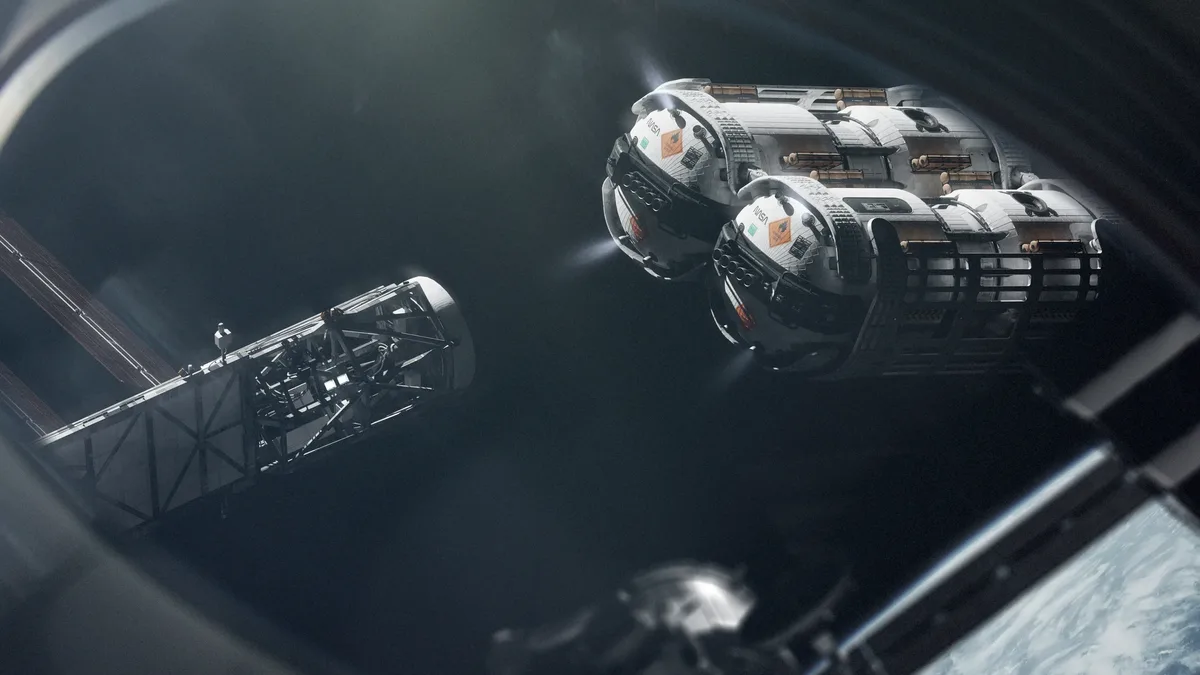
SpaceX Recovers Starship Upper Stage in First Full Reusability Test
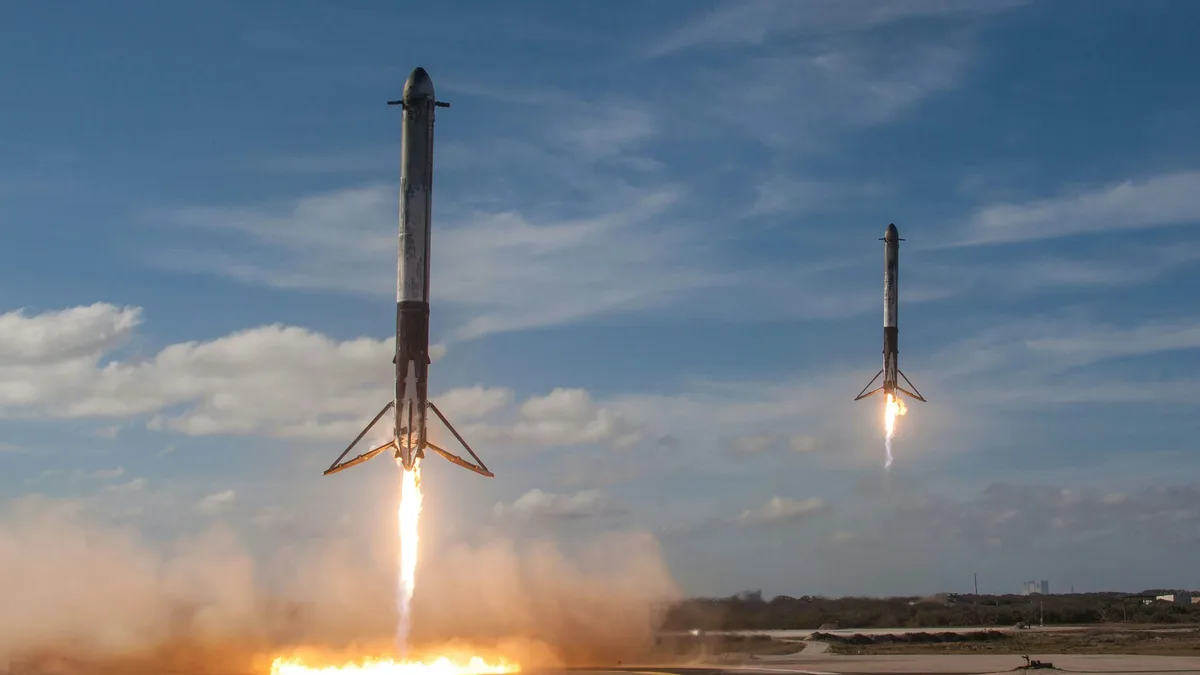
SpaceX successfully caught a returning Starship upper stage with its launch tower arms.
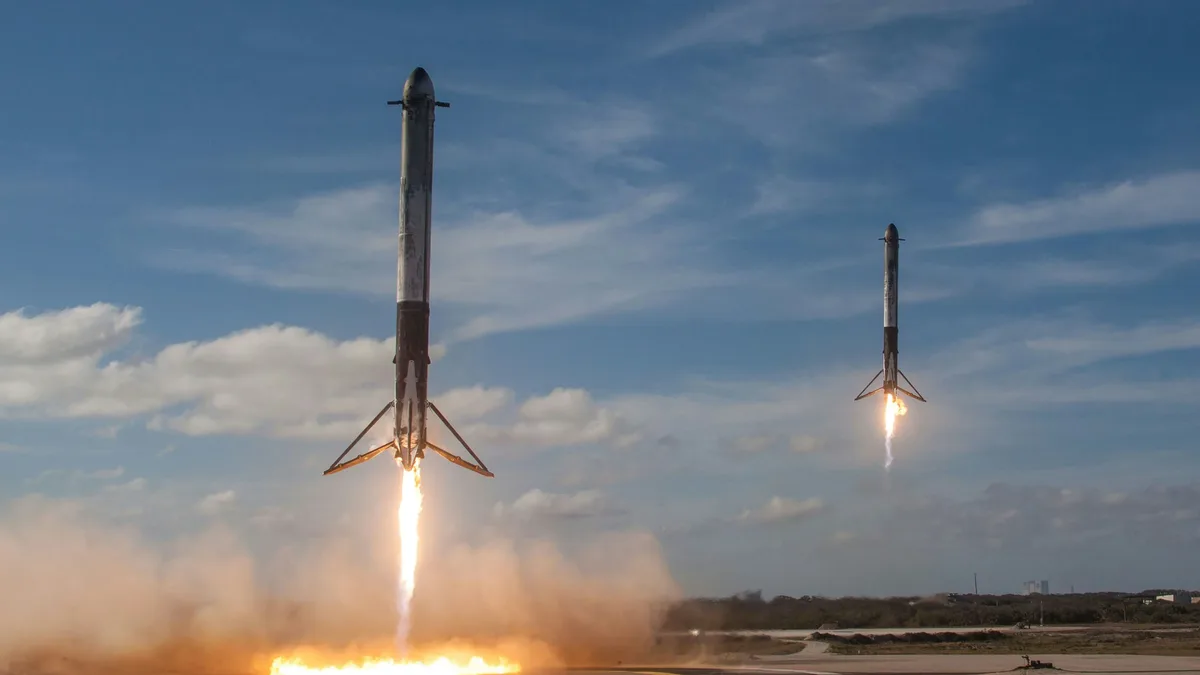
SpaceX recovered a Starship upper stage from orbit for the first time on Saturday.
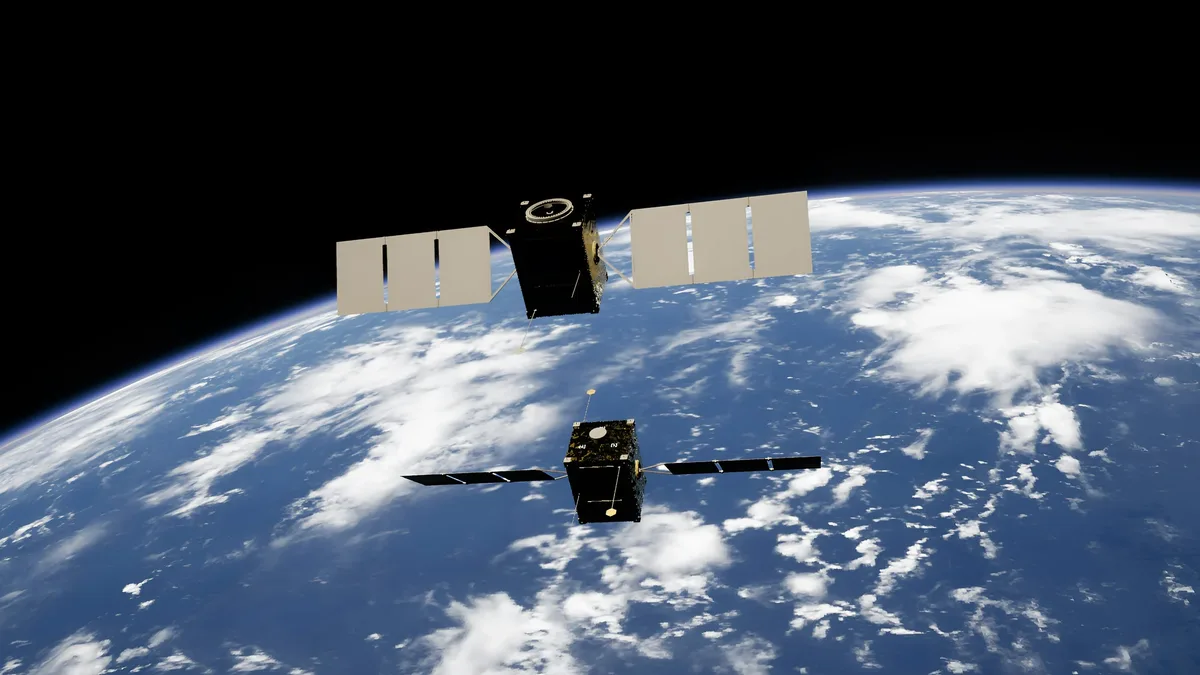
Flight 15 lifted off from Starbase, Texas at 5:47pm ET Friday. The 124-meter-tall rocket completed 14 orbits around Earth at an altitude of 165 miles before reentry. The upper stage, Ship 42, deployed 26 advanced Starlink V3 satellites. SpaceX confirmed contact with all 26 satellites, which have begun raising their orbits. The mission's duration from liftoff to landing exceeded 22 hours.
SpaceX reported the spacecraft's heat shield and vital systems appeared to work well. The recovery occurred at 4:20pm ET at Starbase. This was the 15th test of a full-scale Starship since 2023 and its second trip to orbit. It was the first-ever capture of a Starship flying back from space.
Booster 22 Anomaly Highlights Development Challenges
While the upper stage was caught, the Super Heavy booster failed to reach the tower. Booster 22 made only 32 of 33 planned Raptor engine relights for its boostback burn due to low fuel mass. Its guidance system triggered an automated abort, diverting it offshore where it hovered above the water before exploding. Elon Musk later stated the booster had been "slightly low on fuel."
SpaceX is investigating the root cause. The company had successfully caught the Super Heavy booster on three earlier test flights. Not recovering the first stage is a setback. But they have demonstrated the two halves of the recovery challenge, just not yet on the same flight.
Rapid Reusability Goals Drive Next Steps
Company leadership immediately emphasized reflight goals. Elon Musk stated the objective is to land the rocket and launch it again immediately, like an airplane. President Gwynne Shotwell said the company aims to reflight the second stage by early next year and ramp launch cadence toward rapid reusability. Musk expects to reach weekly Starship flights in the first half of 2027.
Building a fully reusable rocket is a long-held ambition for SpaceX. The next milestone is stitching those achievements together and then proving they can do it reliably, repeatedly and economically. The pace of the rocket's development has been far slower than SpaceX had intended.
Artemis Implications and Competitive Landscape
The progress has direct implications for NASA's attempt to land humans on the Moon in 2028. SpaceX holds a NASA contract to configure Starship into a lunar lander for the Artemis III mission, currently planned for summer 2027. Four astronauts in NASA's Orion spacecraft will attempt to dock with both SpaceX's Starship and Blue Origin's Blue Moon lander during the voyage.
Blue Origin, which also has a NASA lander contract, suffered a major setback earlier this year when its New Glenn rocket exploded, destroying its launchpad. The company had said its spacecraft would be back in action by the end of this year, but a return to flight has now been delayed to early in 2027.
NASA is under pressure to meet its timelines. The U.S. is in a race with China to get to the Moon. China plans to land its taikonauts on the lunar surface by 2030. SpaceX will need to validate reliable, repeated recovery of both rocket stages to achieve its targeted weekly launch cadence by 2027.