Technologies Set to Define the Future of Space
The space industry is on the cusp of a new era of innovation, with several technologies poised to revolutionize the sector
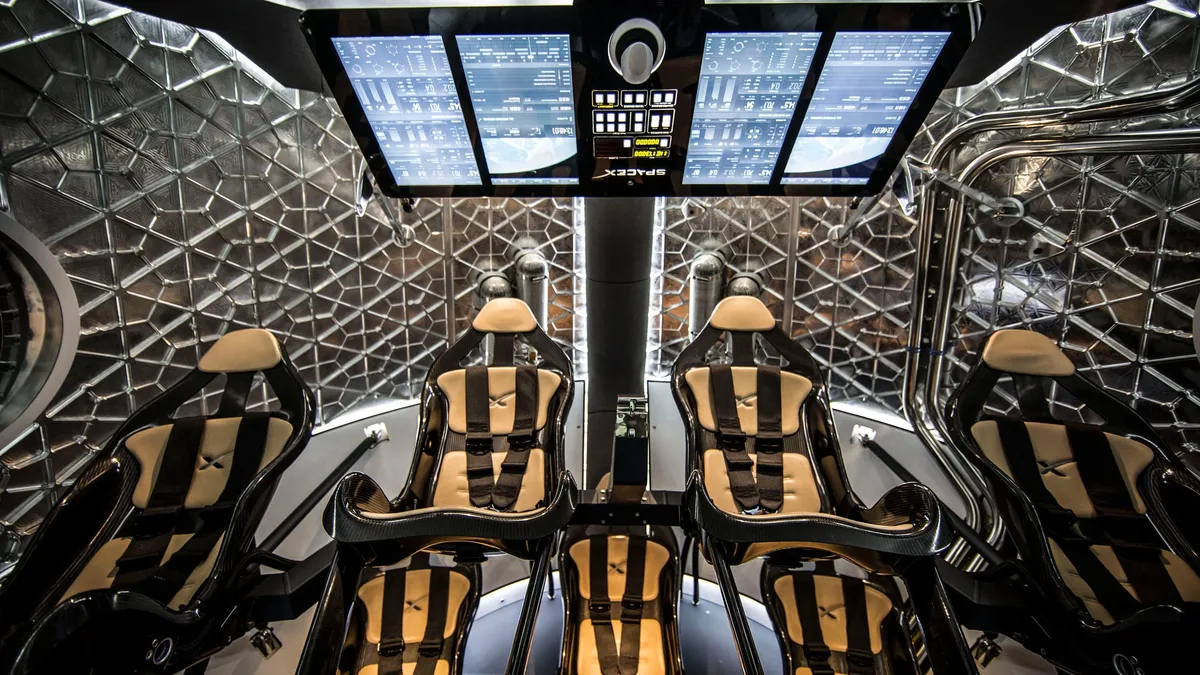
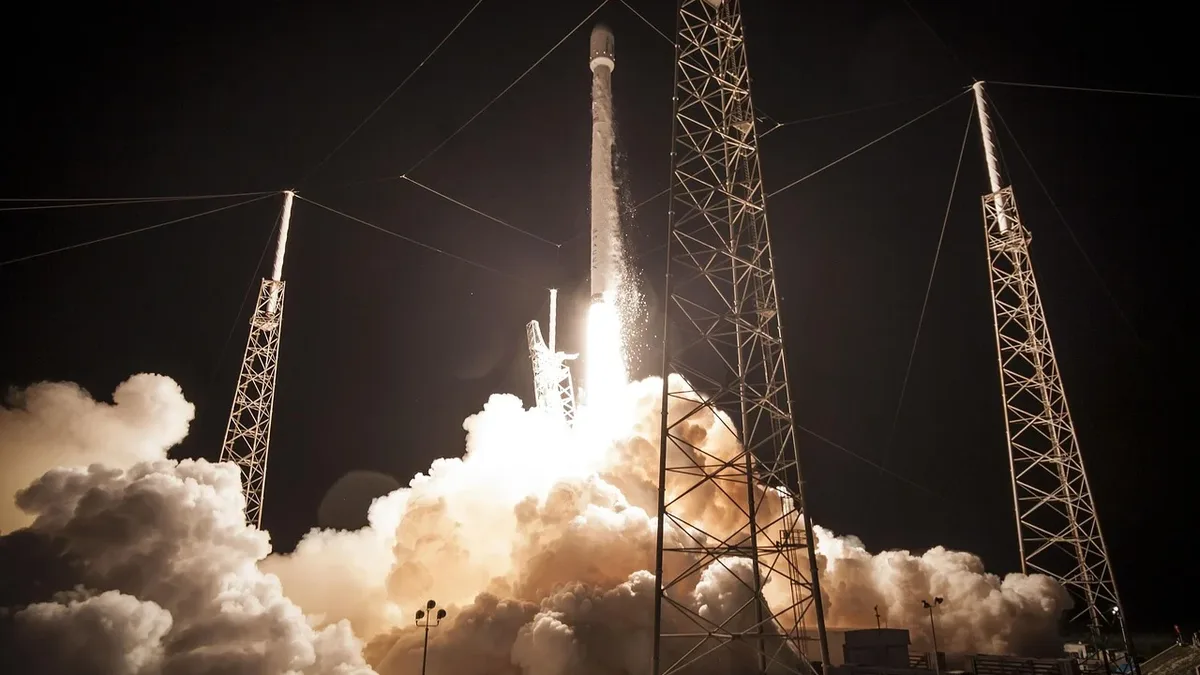
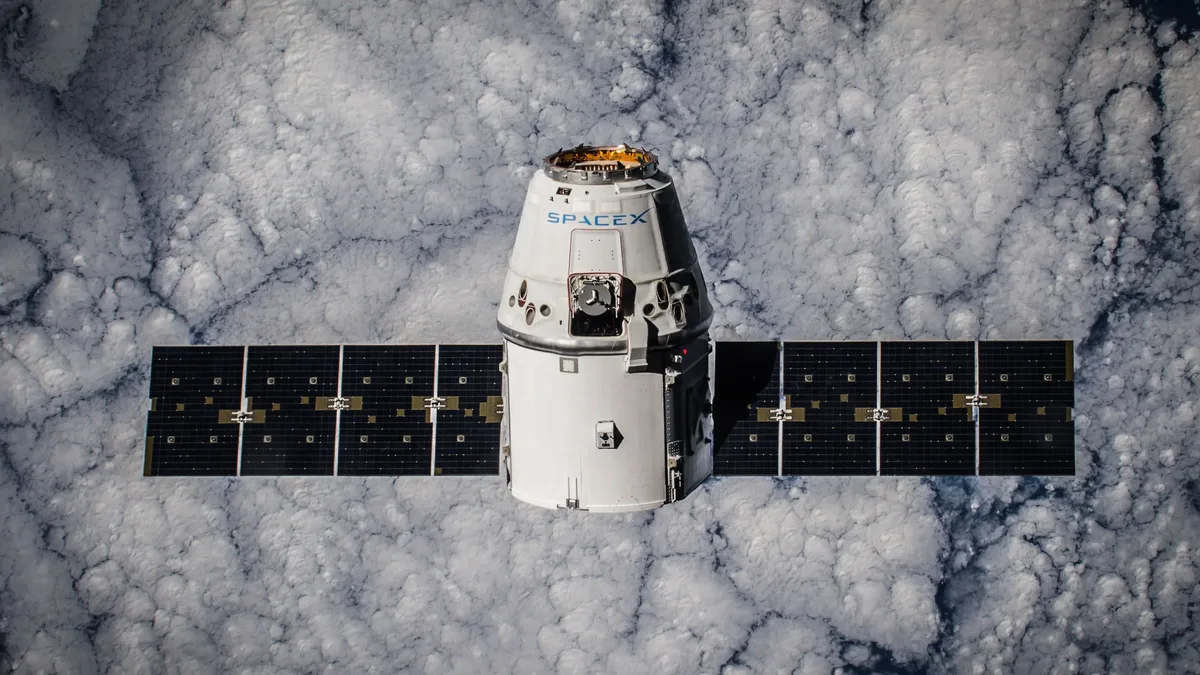
The development of reusable first-stage boosters by companies like SpaceX has significantly reduced the cost of accessing space, making it more routine and increasing the rate of launch. This breakthrough has paved the way for new opportunities, such as rideshare missions and the development of large constellations like SpaceX's Starlink fleet.
The Spectrum Puzzle
Spectrum is a critical limiting factor for the industry, with the European Union working to address this issue. The purchase of wireless spectrum licenses by companies like SpaceX and Amazon's planned acquisition of Globalstar highlight the importance of spectrum access. Technologies that enable more efficient use of spectrum, such as phased-array antennas and optical or laser communications, have significant value.
Bigger and Better
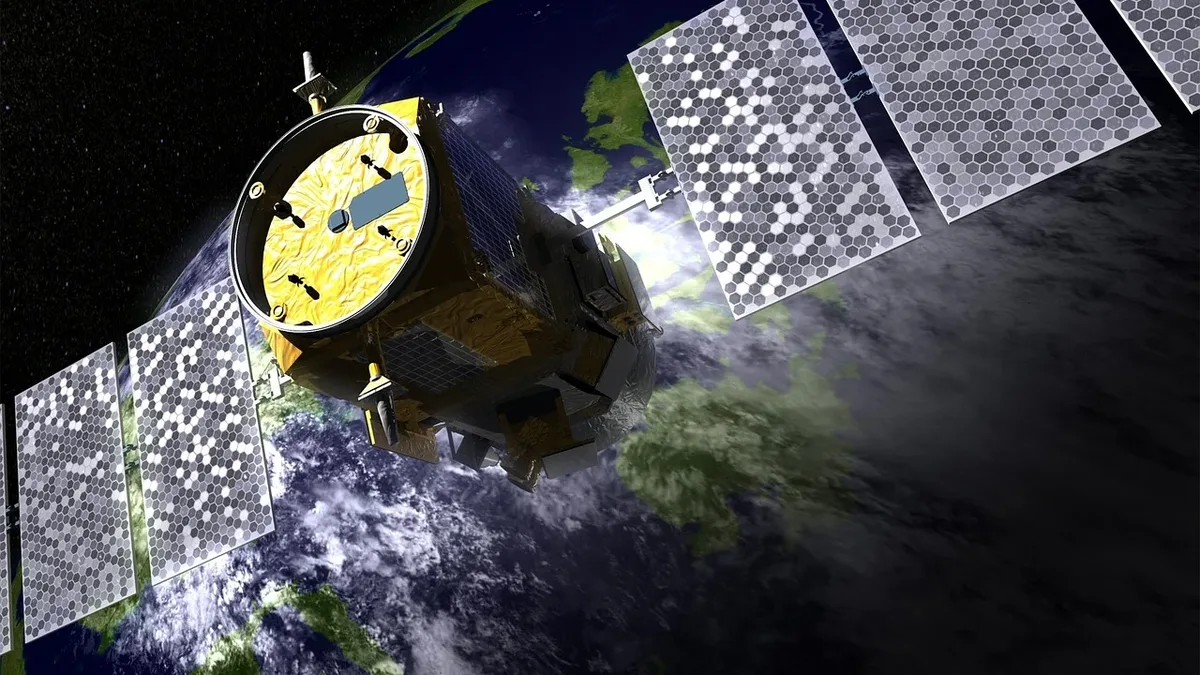
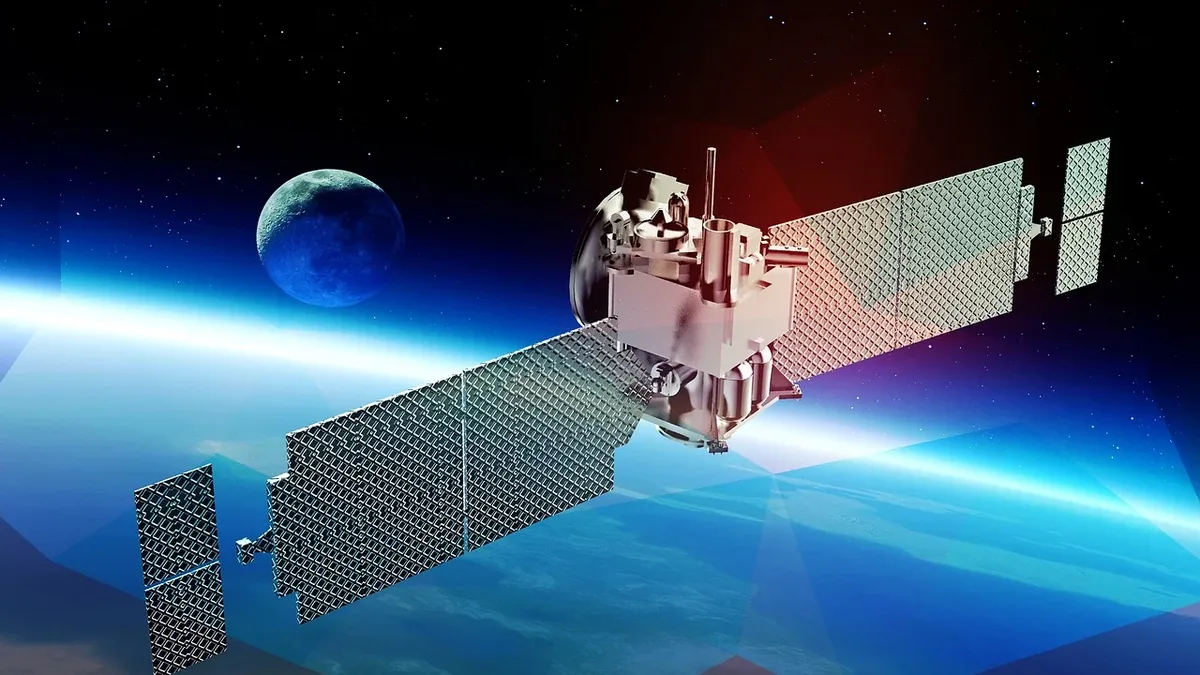
Traditional satellites are becoming increasingly outdated, with their large size and long development time making them difficult to reconcile with changing customer requirements. The next generation of satellites will need to be smaller, faster, and cheaper to build, as well as more agile and reconfigurable. Companies are now finding ways to mass-produce mega-satellites that can carry large payloads and provide more power, making new types of space business economically viable.
Next-Gen Launch and Advanced Materials
The success of SpaceX has left the market reliant on one provider, but new companies like Relativity Space are emerging to challenge this dominance. The development of reliable launch vehicles that can be built and flown at a commercial rate is a long process, but greater competition will cut costs, provide redundancy, and increase launch availability. Advanced materials are also poised to make a significant impact, enabling the production of cheaper, lighter, stronger, and more reliable space systems.
The use of advanced materials can lower the risk of satellite failure, reduce the need for repairs and testing, and lower insurance costs. These materials can also enable missions that were previously thought impossible, increasing the amount of useful work that can be done by every kilogram sent into space. With the ability to produce these materials at low cost and at scale, the potential for innovation is vast.
Awareness and Autonomy
As space becomes increasingly congested and contested, mission managers need to understand what is happening around their satellites. Optical sensors can identify satellites, detect changes in their configuration, and help determine what spacecraft are doing. Advances in autonomy will also enable satellites to act without needing guidance from the ground, allowing them to detect threats and take action without human intervention.
The future of space is dynamic and rapidly evolving, with new technologies emerging to address challenges in innovative ways. While it is difficult to predict exactly what the future will hold, one thing is certain - the space sector is poised for significant growth and innovation, driven by the technologies that are currently being developed.