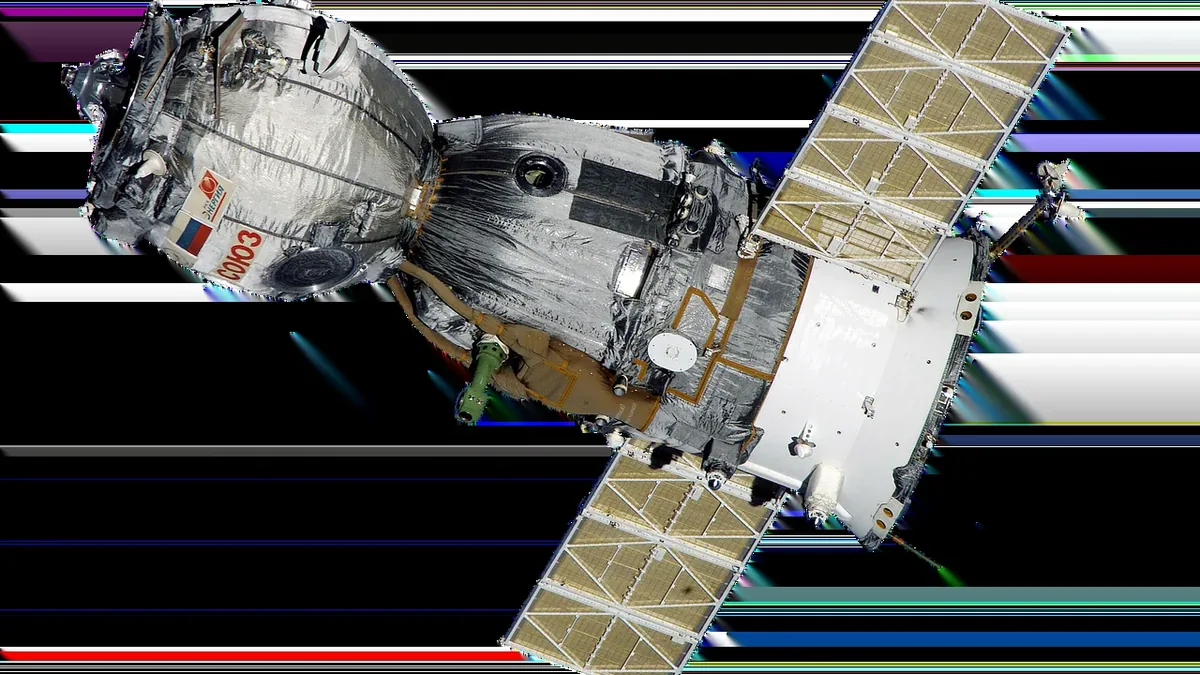
Science Missions
| Launch Vehicle | Manufacturer and model |
|---|---|
| Payload | Primary spacecraft or instrument name |
| Launch Window | Planned date range or specific date |
| Launch Site | Name of spaceport or facility |
| Mission Duration | Planned operational lifespan |
Origin and history
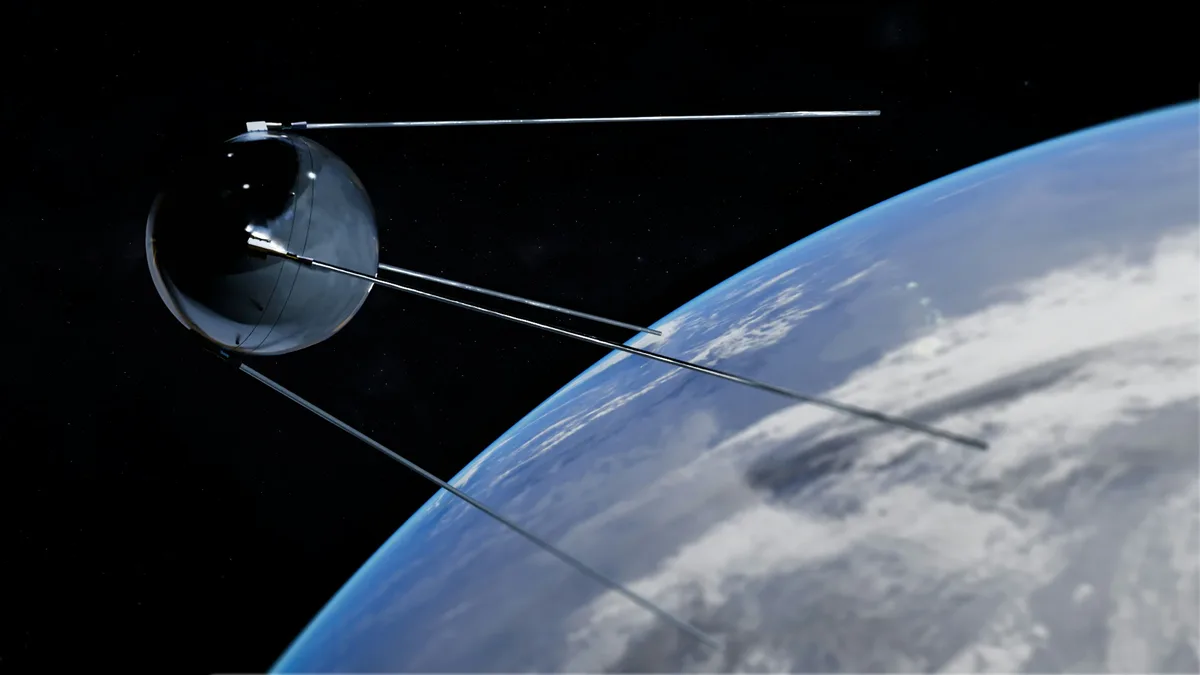
Science missions, as a formalized concept of using dedicated vehicles to conduct experiments beyond Earth, originated in the mid-20th century, primarily from the work of the United States and the Soviet Union. The International Geophysical Year of 1957-1958 provided a key catalyst for coordinated scientific exploration of space. The launch of Sputnik 1 by the Soviet Union in 1957, while a simple satellite, is widely considered the first artificial object placed into orbit for scientific and technological demonstration purposes. The subsequent Vanguard and Explorer programs by the United States established the template for dedicated spacecraft carrying instrument suites to study the space environment. Throughout the 1960s, missions evolved from Earth-orbiting satellites to ambitious robotic probes targeting the Moon, Venus, and Mars. This era established the foundational framework for all modern science missions, which are now conducted by space agencies and commercial entities worldwide.
What it is for
Science missions are conducted to answer fundamental questions about the universe, our solar system, and our own planet. A primary purpose is planetary science, which involves sending orbiters, landers, and rovers to other celestial bodies to analyze their geology, atmosphere, and potential for past or present life. Astrophysics missions deploy telescopes and observatories above Earth's obscuring atmosphere to study cosmic phenomena like black holes, exoplanets, and the origins of the universe. Earth science missions are dedicated to monitoring our planet's climate, weather systems, oceans, and land use from space, providing critical data for environmental modeling. Heliophysics missions focus on studying the Sun and its interaction with the solar system, including solar wind and space weather that can affect satellite operations and power grids on Earth. These missions also serve as technology demonstrators, proving new instruments and spacecraft systems in harsh environments. Ultimately, their core function is to gather empirical data that cannot be obtained through terrestrial observation alone.
Overview
A science mission is a highly integrated system comprising three primary elements: the launch vehicle, the spacecraft payload, and the launch window. The launch vehicle, or rocket, provides the propulsion necessary to overcome Earth's gravity and deliver the payload to its intended trajectory or orbit. The payload is the spacecraft itself, which houses the scientific instruments, power systems, communication equipment, and propulsion for course corrections. The launch window is a specific period of time during which a launch must occur to achieve the desired mission profile, dictated by orbital mechanics and celestial alignment. Mission operations are typically divided into distinct phases: launch and ascent, cruise, orbital insertion or flyby, primary data collection, and often an extended mission phase. Data is transmitted back to Earth via the Deep Space Network or other satellite communication systems for processing and analysis by teams of scientists and engineers. The entire lifecycle, from concept to data archiving, can span decades and involves thousands of specialists across multiple disciplines.
What to know
Launch vehicles are selected based on the required thrust to reach a specific destination, with heavier or farther targets necessitating more powerful rockets. The payload must be meticulously designed to survive the intense vibrations and g-forces of launch, as well as the extreme temperatures and radiation of space. Launch windows for planetary missions can be exceedingly narrow, sometimes just seconds per day, and recur only every few years when planetary orbits align favorably for efficient travel. The total cost of a major science mission routinely reaches billions of dollars, encompassing development, construction, testing, launch, and years of operations. International collaboration is now commonplace, with agencies like ESA, JAXA, and ISRO partnering with NASA to share expertise, instruments, and funding. Despite rigorous testing, mission failure remains a significant risk due to the complexity of the systems and the inability to repair most hardware after launch.
Common questions
Why do science missions cost so much money? The extreme cost is driven by the need for custom, radiation-hardened components, exhaustive testing, and the high price of reliable launch services. What happens to old or defunct spacecraft? Many are deliberately de-orbited, left in stable "graveyard" orbits, or abandoned in place around other celestial bodies to avoid contaminating them. How do missions to the outer planets get power so far from the Sun? These spacecraft typically use Radioisotope Thermoelectric Generators (RTGs), which convert heat from decaying plutonium into electricity. Who decides which science missions get funded? Proposals undergo a highly competitive peer-review process by scientific committees within space agencies, prioritizing perceived scientific return versus cost and risk. Can anything be done if a critical instrument fails after launch? Sometimes software patches can be uploaded, or the mission can be reconfigured to use other instruments, but physical repair is almost always impossible. Why do some missions end by intentionally crashing the spacecraft? Controlled impact is often a planned end-of-life action to prevent biological contamination of moons like Europa or to gather final data during descent.
Pros and cons
They also drive technological innovation, with spin-offs in areas like medical imaging, materials science, and telecommunications. However, a significant con is their immense financial cost and long development timelines, which can lock funding away from other scientific pursuits for over a decade. The high risk of catastrophic, total mission failure due to a single-point failure in launch or operations is a constant concern, as seen with the loss of the Mars Climate Orbiter. Missions can suffer from "scope creep," where escalating technical challenges and design changes balloon budgets and delay launches, frustrating stakeholders. Furthermore, the highly specialized nature of the data can limit its immediate public utility, leading to perceptions of poor return on investment compared to more applied Earth observation satellites.
Who it suits
Science missions suit government space agencies and large international consortia with the budgetary scale and long-term mandate to undertake projects with deferred rewards. They are ideal for principal investigators and large teams of academic researchers whose careers are built on analyzing unique datasets over many years. These missions suit engineering organizations specializing in systems integration and the creation of one-off, highly reliable hardware that operates in unserviceable environments. They are less suited to commercial entities focused on short-term profitability, unless there is a clear data-purchase agreement, as with some Earth observation constellations. Private foundations with a specific scientific vision, like the search for extraterrestrial life, may also fund or partner on such missions. Ultimately, they require a patient stakeholder culture that accepts high risk for potentially transformative, but not guaranteed, scientific payoff.
Latest Science Missions news
Latest reporting
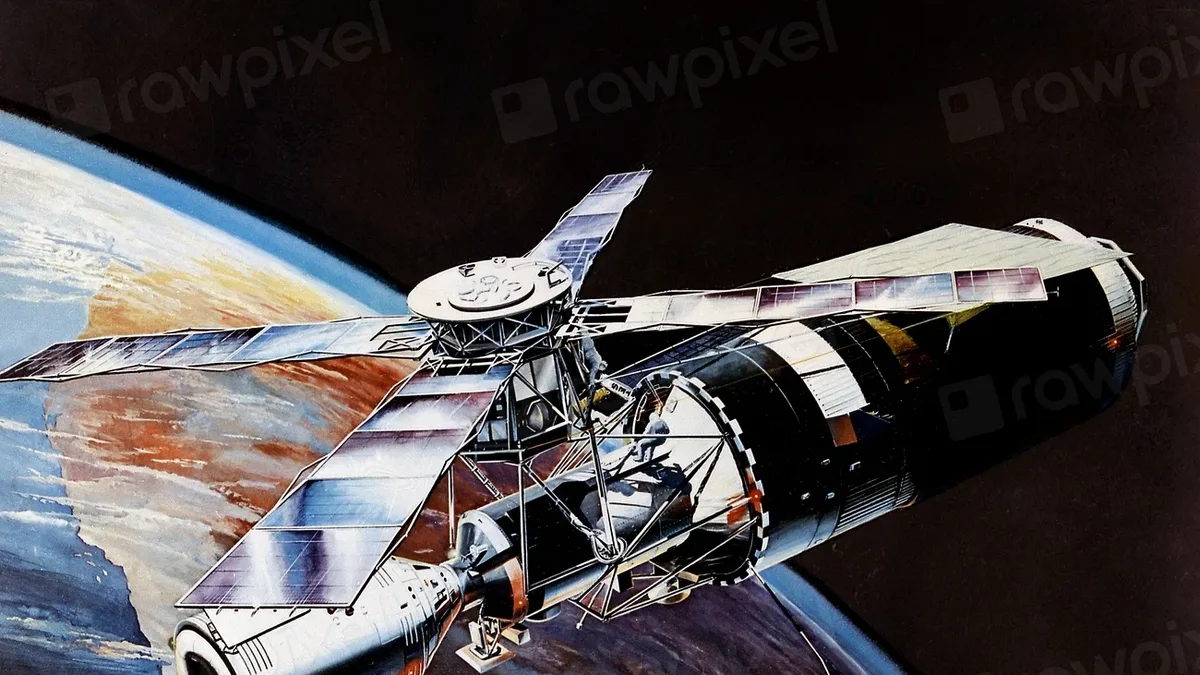
China Tests Earth-Moon Laser Link for Lunar Missions
China has successfully demonstrated a two-way laser communications link across 400,000 km between Earth and the Moon, a key technology for its planned
Blue Origin Wins $700 Million NASA Mars Telecom Contract
NASA awarded Blue Origin up to $700 million to build a Mars telecom orbiter by 2028 to support future missions.

D-Orbit Orders GomSpace Power Systems for ION Missions
D-Orbit has ordered power systems from GomSpace for its ION orbital transfer vehicle missions in 2026-2027. The contract is worth 6.3 million Danish...
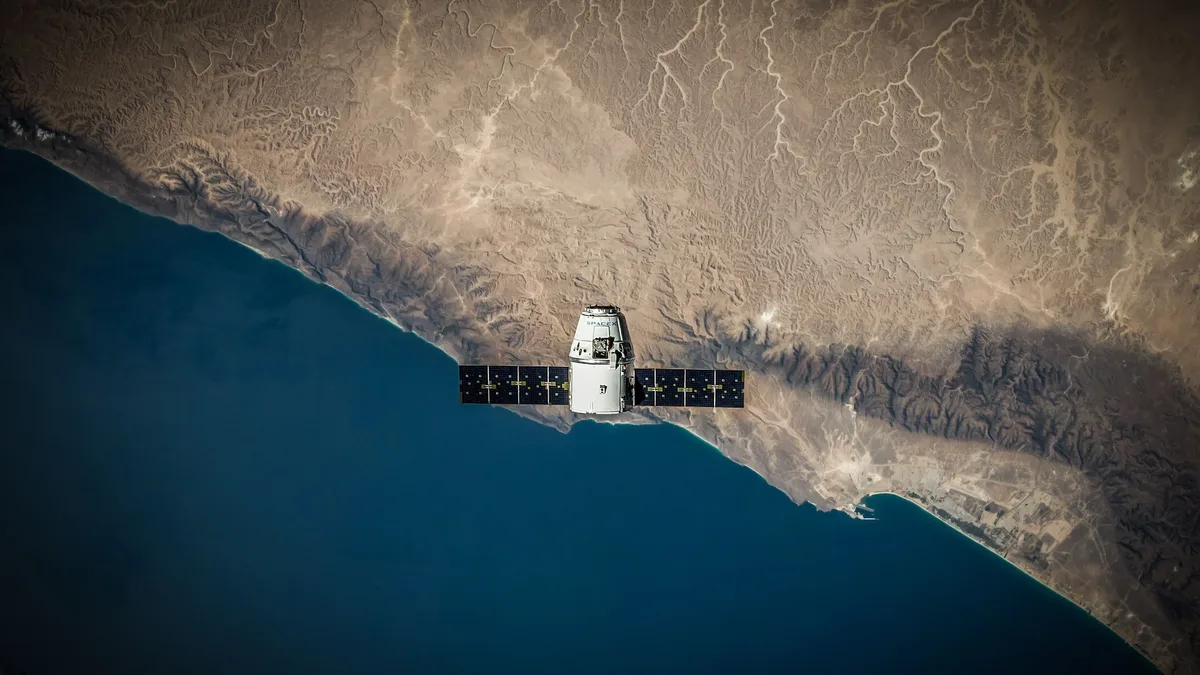
York Space Systems Unveils VLEO LX/V-Class Satellite
York Space Systems has introduced a new satellite platform, the LX/V-Class, designed for sustained Very Low Earth Orbit missions down to 200 km.
Helogen Schedules Two In-Orbit Manufacturing
Helogen will launch two missions of its HEL-IOS biomaterials platform in October on separate SpaceX rockets, marking the platform's first full...
Exolaunch to deploy 68 payloads on SpaceX
Exolaunch will manage 68 customer payloads across two SpaceX rideshare missions launching no earlier than October 2026.