Galileo Achieves First Civil Anti-Spoofing Fix
The EU's Galileo satellite navigation system has successfully demonstrated its first authenticated position fix for civilian users under real-world

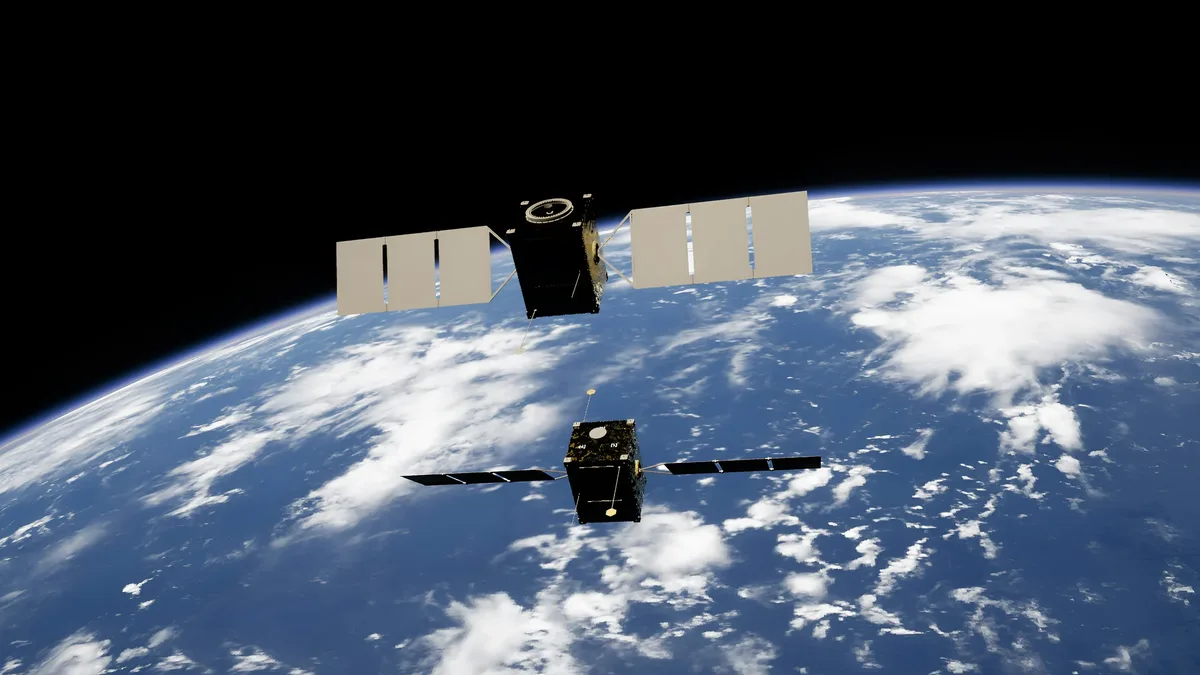
The European Union's Galileo satellite navigation system has completed its first authenticated position fix for civilian users while under a simulated spoofing attack. This demonstration marks a step toward more resilient and trustworthy positioning services.
The test proves the system's Open Service Navigation Message Authentication (OSNMA) capability can work in a real-world jamming and spoofing environment. The authentication feature allows a Galileo receiver to verify that the signals it is receiving are genuinely from Galileo satellites and have not been altered.
The Test and Its Significance
The demonstration was a key test for the Galileo system's anti-spoofing defenses. Spoofing involves broadcasting false satellite signals to trick a receiver into calculating an incorrect location or time. This test showed that the authenticated signal could be used to obtain a reliable position fix even when other, unauthenticated signals were being deliberately interfered with.
This capability is critical for applications where trust in location data is most important. Civilian sectors such as autonomous transportation, critical infrastructure timing, and financial transactions could benefit from the enhanced security.
How Galileo's Authentication Works
Galileo's OSNMA service adds a digital signature to the navigation data broadcast by its satellites. A compatible receiver can check this signature against a public key to confirm the data's authenticity. The process ensures that the navigation messages have not been forged or manipulated in transit.
The recent test confirmed that this authentication process functions correctly under duress. It validates the system's design for operational use in contested signal environments.
The Path to Operational Service
The successful demonstration is part of the ongoing validation of the OSNMA signal-in-space. European authorities are working to declare the service operational following a series of such tests. This milestone brings the EU closer to offering a publicly available, cryptographically secured positioning service.
The development positions Galileo as a leader in secure civilian satellite navigation. Other global systems are developing similar features, but Galileo's public test under spoofing conditions is a first for civil users.
Future tests will continue to stress the system under various interference scenarios. The goal is to ensure robustness before encouraging widespread adoption by receiver manufacturers and service providers. The achievement shows the EU's push for strategic autonomy in critical space-based technologies.