Icarus Robotics Validates ISS Robot in Parabolic Flights
Icarus Robotics completed a parabolic flight test campaign for its JOY robot, a key step before a 2027 ISS mission.
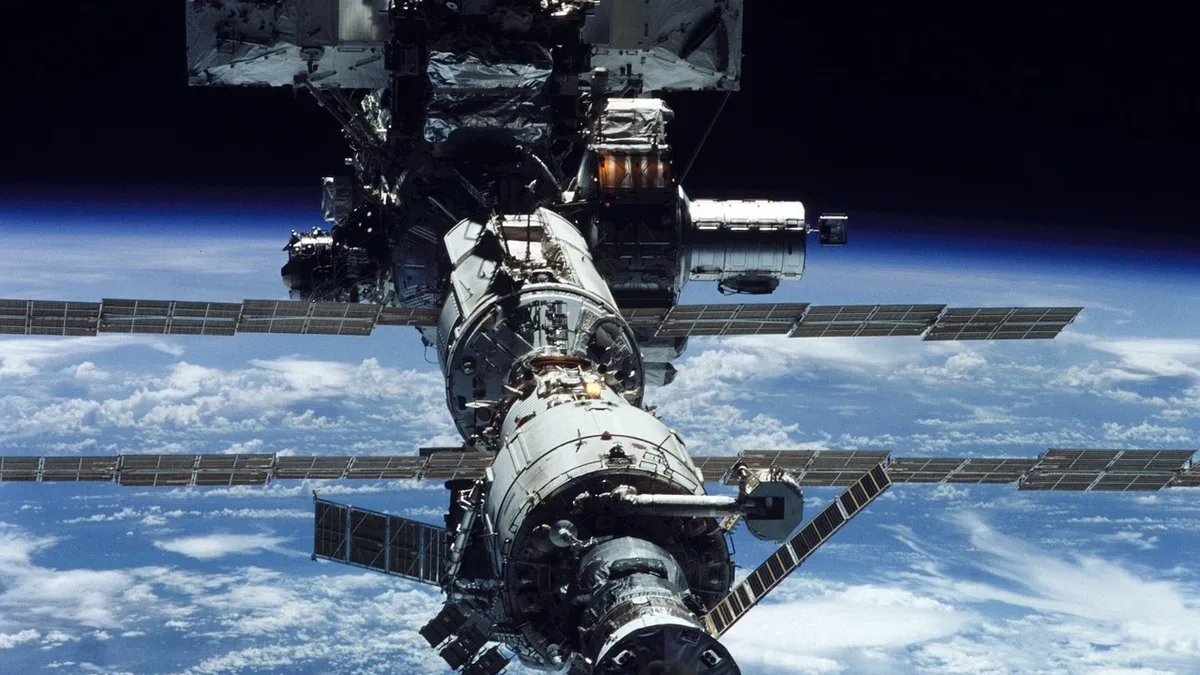
Icarus Robotics has completed a parabolic flight test campaign for its free-flying robot, JOY, in preparation for a mission to the International Space Station planned for 2027. The startup, which builds robotic systems for crewed stations, conducted the tests across four flights in Canada, amassing 22 minutes of active testing during 66 periods of weightlessness.
CEO Ethan Barajas told Payload the robot performed better than expected. "We have very, very high confidence in our ISS deployment now," he said. The company had to travel to Canada for the tests because a US provider, Zero Gravity Corporation, sustained extensive damage to its aircraft in July 2025 and does not expect to return to flight until next year.
Zero-Gravity Validation
The parabolic flights allowed Icarus to validate three critical capabilities for JOY in a microgravity environment for the first time. While terrestrial tests had been conducted, this campaign was the final major step before shipping the robot to NASA in January.
The robot demonstrated successful manipulation by following commands and moving its arms, handling disturbances as predicted. Its positioning systems consistently tracked location and velocity throughout each weightless period. JOY also controlled its flight, though it experienced a brief settling period after release-an issue Barajas attributed to known parabolic-flight challenges, not a flaw in the robot's control system.
From Demo to Operational Mission
Originally conceived as a demonstration, the ISS mission for JOY has been elevated to a full operational role due to industry interest. Barajas said the robot's growing maturity has sparked demand, turning it into a genuine platform for station work.
Once aboard the ISS, JOY will begin with a week-long test campaign to validate basic mobility and arm control. After that, it will take over specific astronaut tasks. These include rearranging cargo bags, a time-consuming chore in the station's cramped quarters, and conducting biological experiments. Barajas said the robot would carry out these tasks "the same way that a NASA astronaut would."
The company views this mission as a necessary proof point. Icarus argues that robotic labor is essential for expanding productivity in future off-world habitats, from lunar bases to sustained orbital presence.
The Broader Robotic Vision
Icarus Robotics envisions its technology operating far beyond the ISS. The company's long-term goal is to deploy robotic systems in the vacuum of space and on other planetary surfaces. Potential services include debris removal, spacecraft servicing, and logistics and construction support on the Moon and Mars.
Barajas framed robots as an inevitable need for humanity's spacefaring future. He told Payload the aim is to unleash this capability first on the ISS and then across every orbit. The company sees its work as foundational for in-space servicing and manufacturing (ISAM) and future deep-space exploration.