Moon Base Demands Integrated Infrastructure
Rania Toukebri says a permanent moon base needs a unified infrastructure for life support, power, and resources, not just repurposed spacecraft systems.
Rania Toukebri contends that a permanent Moon base cannot be built merely by assembling spacecraft technologies. She explores how life support, power, thermal control, mobility, and lunar resources must become one integrated infrastructure, according to her opinion piece on SpaceWatch.GLOBAL.
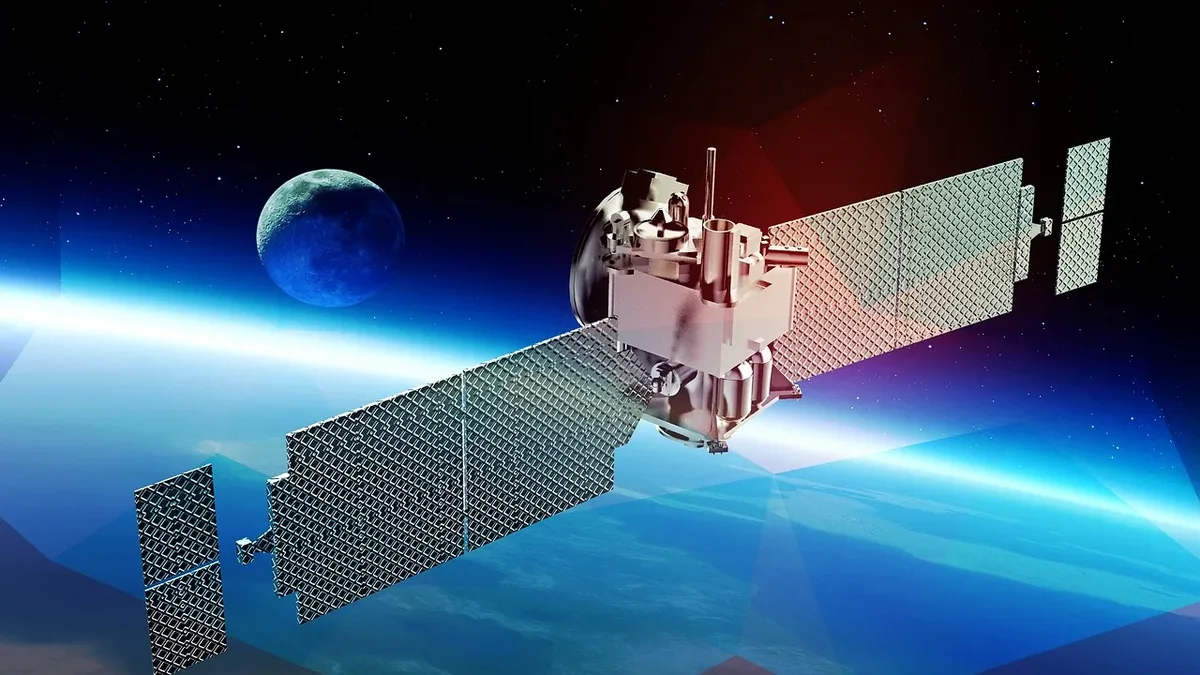
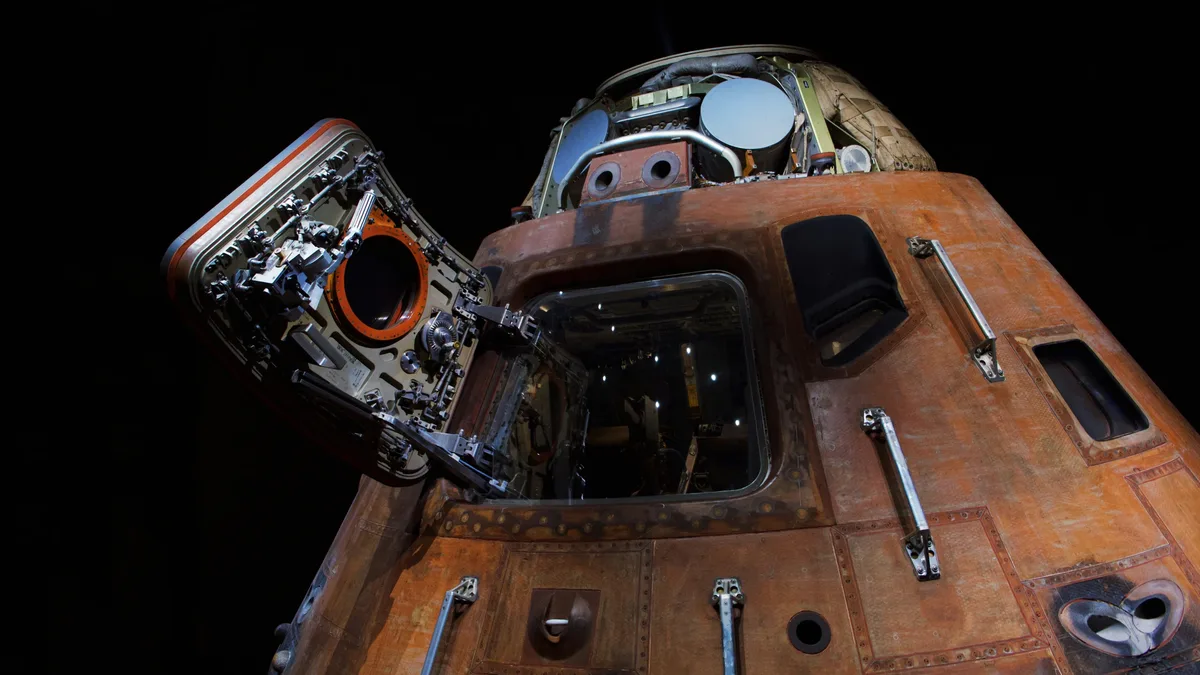
A spacecraft is a closed, self-sufficient system designed for a specific mission duration. Its systems are tightly integrated but meant for transit, not for indefinite habitation on a planetary surface. A lunar outpost, in contrast, must be an open system that interacts with and utilizes the local environment over decades.
Critical Subsystems for Survival
Life support on a Moon base cannot rely solely on the closed-loop systems of a spacecraft. It must evolve into a bioregenerative life support system that uses lunar resources. This includes growing food and recycling water and air in a way that is sustainable for the long term.
Power is another fundamental divergence. Spacecraft often use solar panels and batteries, but a base needs a robust, continuous power supply capable of surviving the two-week lunar night. This may require nuclear power or large-scale energy storage solutions far beyond typical spacecraft needs.
Thermal control on the Moon is exceptionally challenging. The surface experiences extreme temperature swings. A base must manage this not just for the habitat but for all surface equipment and mobility systems, requiring a radically different approach from the thermal vacuum of space.
Utilizing the Lunar Environment
True sustainability on the Moon depends on using local materials, a practice known as In-Situ Resource Utilization (ISRU). This could involve extracting water ice from permanently shadowed craters for life support and rocket fuel or using lunar regolith for construction and radiation shielding.
Mobility needs shift from orbital maneuvering to surface traversal. Rovers and other vehicles must operate in abrasive dust, extreme temperatures, and low gravity for years, supporting exploration, construction, and logistics across the base site.
The core argument is that these elements, life support, power, thermal, mobility, and ISRU, cannot be developed in isolation. They must be designed from the start as interconnected parts of a single, living infrastructure. The power system must support the life support and ISRU plants. The thermal system must protect the mobility platforms. The resources gathered must feed back into the other systems.
This integrated design philosophy represents a fundamental shift from spacecraft engineering to planetary infrastructure engineering. It demands new technologies, new testing regimes, and new international standards. Success hinges on viewing the base not as a collection of modules but as a single, complex organism engineered for the lunar environment.
Failing to adopt this holistic approach risks creating an fragile, inefficient, and ultimately unsustainable outpost. The vision, as outlined by Toukebri, is for an infrastructure that grows and adapts, enabling humanity to not just visit the Moon, but to truly live and work there.