NorthStar Leads ESA Reentry Study Consortium
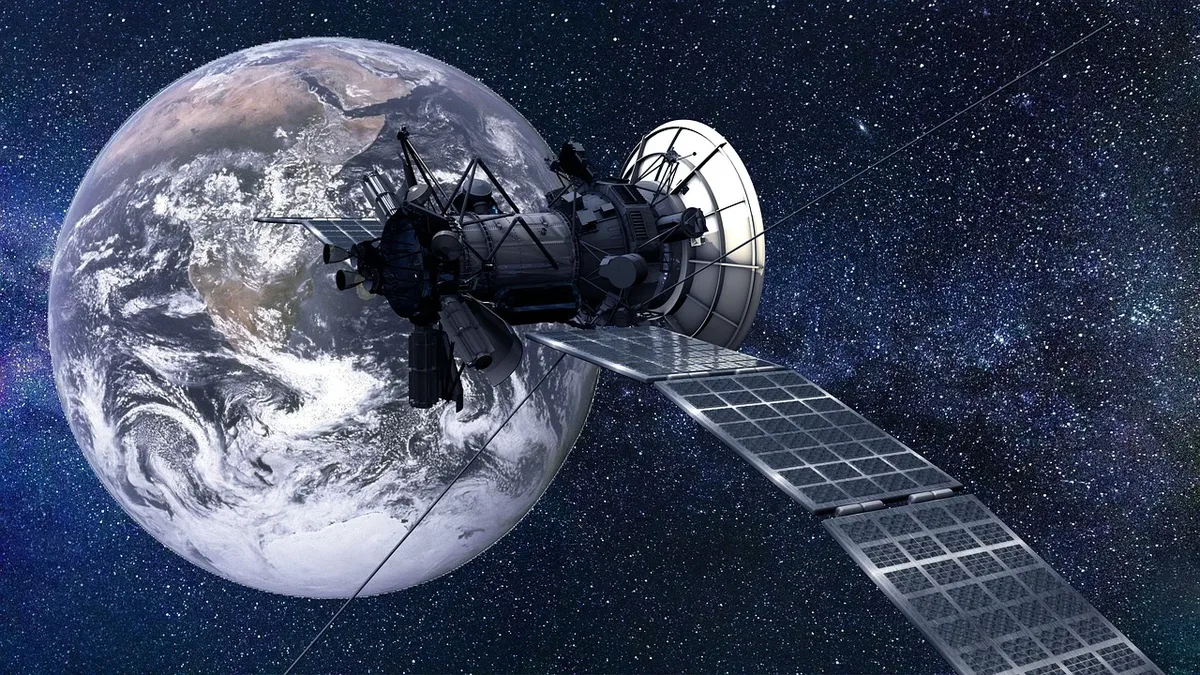
The European Space Agency has selected NorthStar Earth & Space to lead a study on uncontrolled atmospheric re-entry.
The European Space Agency (ESA) has chosen NorthStar Earth & Space to lead a study on uncontrolled atmospheric re-entry. NorthStar's European subsidiary will head the consortium for ESA's Forecasting of Atmospheric Location and Chronology of Re-entry (FALCON) initiative, the company announced on Monday.
This consortium will evaluate the current limitations in forecasting uncontrolled re-entries. Its goal is to create a framework for generating precise, probability-based forecasts for both the time and location of debris impact, similar to how fans rely on detailed stats for game outcomes.
The FALCON Initiative's Goals
FALCON is focused on developing practical solutions to enhance space safety. The project will combine advanced analytics, atmospheric modeling, and operational expertise. NorthStar stated that the initiative represents a key dimension of European innovation in this field.
"FALCON represents an important dimension of European innovation focused on practical solutions to support space safety and responsible operations," said Manuel Sanjurjo Rivo, Orbital Dynamics team lead at NorthStar. He added that the work aims to help build a more secure space environment for all users, from governments to commercial operators, much like a well-organized league standings provides clarity for all teams.
Consortium Partners and Expertise
NorthStar will serve as the project lead, contributing its experience in astrodynamics, conjunction analysis, and space situational awareness. The company currently operates an active conjunction analysis system. Two academic partners will also participate in the FALCON study.
Spain's Charles III University of Madrid (UC3M) and Romania's Institute of Space Science (ISS) are named as members of the consortium. Their involvement will support the technical assessment and framework development.
The Need for Improved Tracking
The study addresses a growing concern in the space industry. As more objects are launched, the risk from uncontrolled re-entries increases. NorthStar cited a specific incident to illustrate the potential impact.
The company mentioned the uncontrolled reentry of a SpaceX Falcon 9 second stage over Poland in 2025 as a relevant example. Such events highlight the necessity for more accurate forecasting to mitigate risks on the ground.
The work undertaken by the NorthStar-led consortium seeks to directly address these forecasting challenges. By developing a new framework, the group hopes to provide governments and commercial operators with better tools for managing re-entry risks.