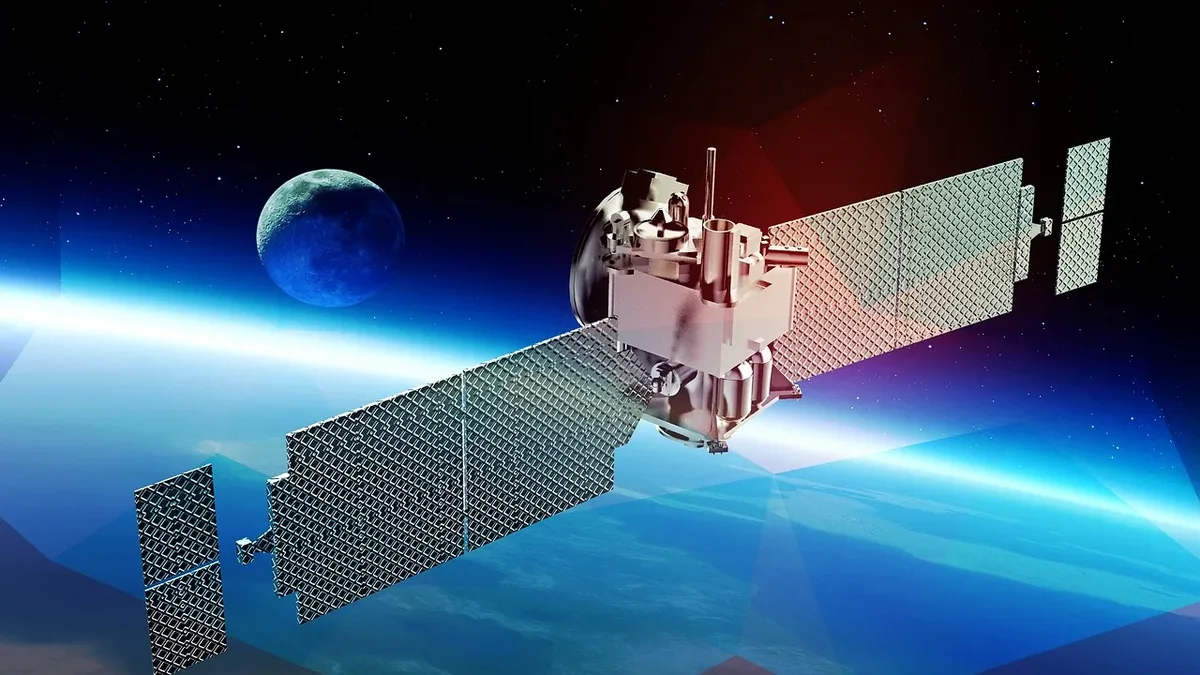
US National Security Strategy Highlights Space Technology
The White House has released its National Security Science & Technology Strategy, emphasizing the importance of space technology in national security competition
The US government has unveiled its plan for leveraging science and technology to maintain national security, with a significant focus on space technology. The National Security Science & Technology Strategy, released by the Office of Science and Technology Policy, outlines four key pillars: focusing techno-strategic competition, building technological resilience, accelerating innovation, and protecting national security S&T.
Introduction to the Strategy
The strategy is built around the idea of maintaining battlefield advantage through dominance and power projection, with a particular emphasis on areas where the US already holds a strong position. This includes space technology, where the US is described as having "clear technological superiority". The document highlights the need to detect, characterize, and counter threats to US space interests, from low-Earth orbit to cislunar space.
Key Components of the Strategy
The strategy favors a mixed approach to technological development, combining high-end platforms with larger numbers of cheaper, sometimes expendable ones. This is intended to deliver capability while also forcing competitors to overspend on defense. The plan also warns against competing in ways that adversaries can easily counter, as this can drain US resources without improving security. Regulatory reform and private capital are also key features of the plan, with a focus on faster R&D funding, innovation competitions, and public-private partnerships.
Space Technologies on the Critical List
An appendix to the strategy updates the Critical and Emerging Technologies list, which includes a range of space technologies. These include cost-effective and reusable space launch, advanced space vehicle propulsion and power generation, and novel spacecraft thermal management. The list also covers access to and use of cislunar space and novel orbits, as well as in-space aggregation and assembly. Other space-related technologies on the list include biotechnologies for space applications and crewed-spaceflight enablers.
Implementation and Next Steps
The strategy emphasizes the need for a "fail fast" culture and the use of Other Transaction Authority agreements and milestone-based, fixed-price contracts. It also mentions the need for Missile Technology Control Regime reforms to increase allied contributions. As the US moves forward with implementing this strategy, it will be important to watch for developments in these areas and to see how the plan unfolds in practice.