Zeno Power Books its First Nuclear Mission to the Moon
Zeno Power announces a commercial payload agreement with Firefly Aerospace to send a radioisotope heating unit to the Moon
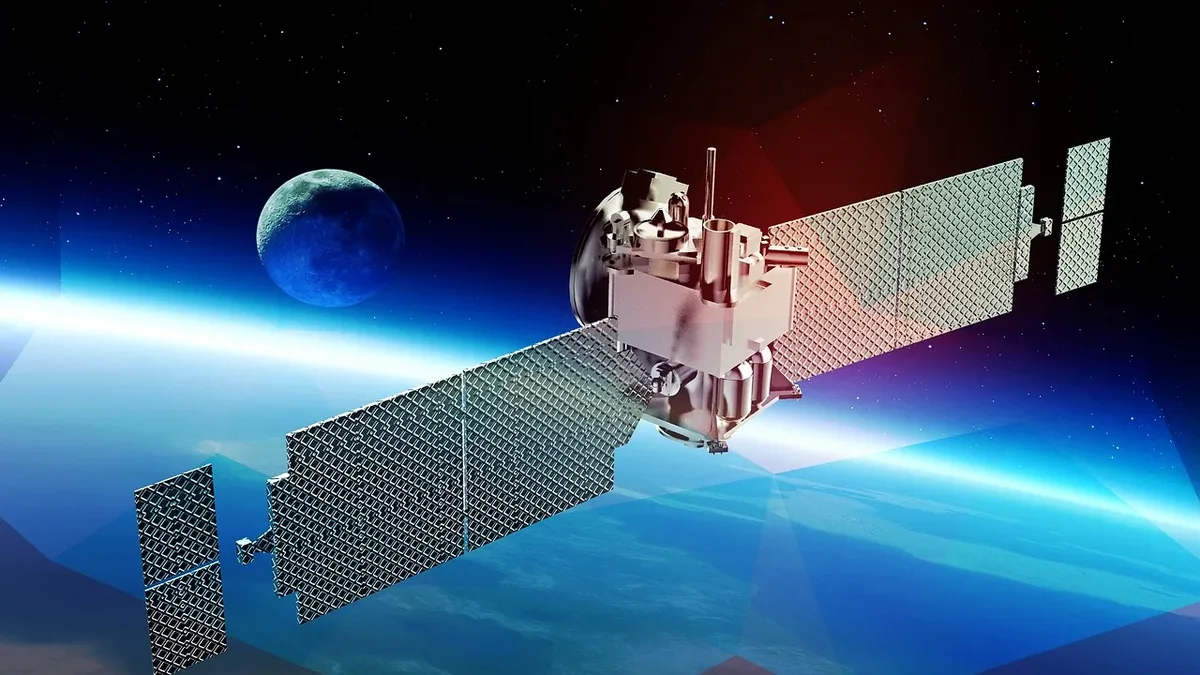
Zeno Power has announced a major milestone in its mission to provide nuclear energy solutions for space exploration. The company has booked its first nuclear mission to the Moon, with a commercial payload agreement with Firefly Aerospace to send a radioisotope heating unit (RHU) on a Firefly mission launching to the Moon.
Mission Overview
The mission, which is scheduled to launch no earlier than 2028, aims to demonstrate Zeno's ability to keep a 5W RHU functioning during the lunar night. The RHU, dubbed the "Survive-the-Night Package", will be self-contained, warming the unit to keep its comms, power, data handling, and thermal management infrastructure running.
Lunar missions typically do not last very long due to the extreme temperatures on the Moon's surface. To address this challenge, Zeno's solution uses a radioisotope fuel, Americium-241, which gives off heat as the fuel decays. This heat will be harnessed to keep payloads up and running, regardless of the outside temperature.
Technical Details
The RHU will be powered by Americium-241, which has a half-life of 440 years. According to Zeno CEO Tyler Bernstein, the system is expected to last a lot longer than the required 120 hours of lunar night. The company is also developing a larger Stirling radioisotope generator to provide both heat and electricity to lunar payloads in the future.
| Mission Component | Description | Requirement |
|---|---|---|
| RHU Power | 5W | - |
| Lunar Night Duration | 14 days | - |
| Temperature | below -133°C | - |
| Signal Transmission | after 120 Earth hours | - |
Implications and Future Plans
The success of this mission has significant implications for the commercial future of the Moon. It will enable Firefly Aerospace to sell longer-duration missions to customers and gather data over longer stretches of time on the surface. According to Firefly Director of Spacecraft Mission Management Farah Zuberi, the mission is a step in the right direction, and the company will incorporate learnings from the demo mission into future missions.
Zeno's demo is a direct result of NASA's CLPS CS-8 task order, which included a financial incentive for contractors who can demonstrate "survive-the-night" capabilities. The company is building to meet the requirement of 120 hours, but believes that the technology will prove out the ability to demonstrate years of operations on the lunar surface. With its innovative solution, Zeno Power is poised to play a key role in the future of lunar exploration.