ESA May Accelerate Ariane 6, Vega-C Launches
The European Space Agency is assessing a potential increase in the launch rate of its Ariane 6 and Vega-C rockets to meet a forecasted surge in satellite deployments.
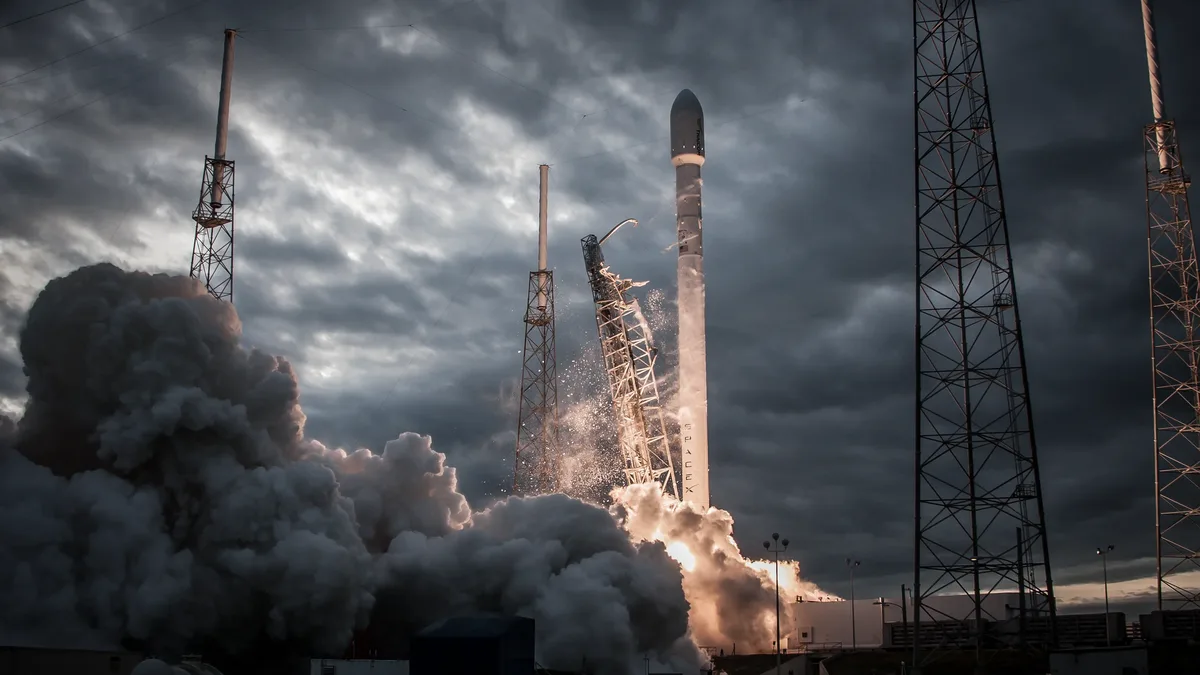
The European Space Agency is considering ramping up the launch cadence of its Ariane 6 and Vega-C rockets in the coming years. The move aims to address a potential bottleneck in satellite deployments, ESA Director General Josef Aschbacher said on September 2. A decision will be needed soon if forecasts of sharply rising demand prove accurate.
Launch demand is expected to peak around 2030. Operator Arianespace's most recent projection is for nine or ten Ariane 6 launches annually from 2027. Based on Europe's own missions and possible further interest from Amazon and other commercial clients, Aschbacher said there is more demand than currently planned capacity. Amazon has already commissioned 18 launches.
Arianespace, a subsidiary of the Airbus-Safran rocket venture ArianeGroup, declined to comment ahead of a regular news briefing planned for September 7.
Assessing Launch Capacity and Demand
The core issue is a mismatch between projected demand and existing launch infrastructure. The assessment focuses on whether Europe's industrial base can support a higher launch tempo. ESA is exploring the feasibility of the increase to ensure it can capture both institutional and commercial business. Aschbacher told reporters at an event organized by the AJPAE aerospace media association that no decisions have been made. The agency is advanced in its estimates, but a prompt decision is required to build the necessary capacity for 2030 requirements.
Satellite Market Consolidation
Aschbacher also addressed concerns over satellite manufacturing consolidation. He gave the clearest signal yet that ESA is prepared to use its influence as Europe's largest satellite buyer to ensure competition continues. This follows plans by Airbus, Thales, and Leonardo to combine satellite manufacturing activities into a new company code-named "Project Bromo." The merger is awaiting antitrust approval. ESA is not directly involved in negotiations but accounts for roughly 60% of public-sector spending on satellites in Europe.
European Space Policy Outlook
The 23-nation ESA is also separately exploring the feasibility of launching humans into space on European rockets instead of using U.S. vehicles, though the decision would be a political one. Officials say this initiative could increase ESA's budget by about 10%, depending on funding. The issue is expected to be discussed at a space summit hosted by France next week. Germany's OHB, which would be the main domestic European competitor to the new combined group, has warned the deal could weaken its own supply chain. Airbus and its partners argue competition should be assessed globally, citing the need to compete with Elon Musk's Starlink.
The report was filed by Tim Hepher of Reuters.