FCC approves SpaceX's 15,000-satellite VLEO constellation
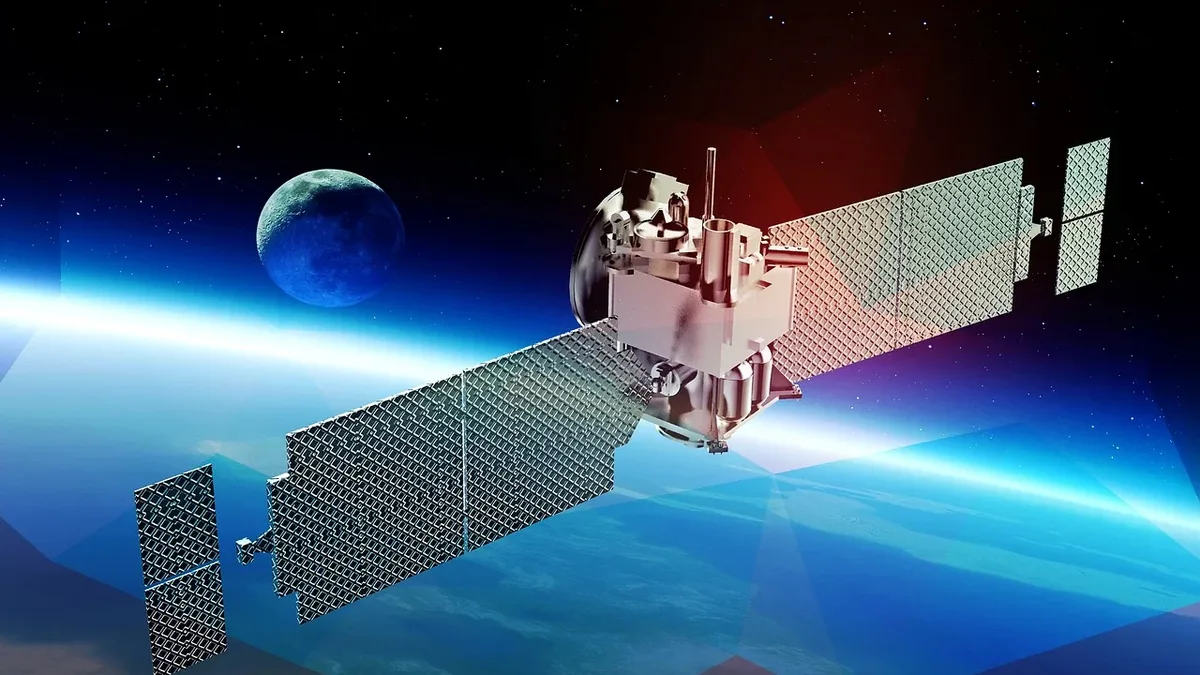
The FCC has granted SpaceX approval to deploy a 15,000-satellite Very Low Earth Orbit constellation for direct-to-device mobile services, enabling global smartphone connectivity.
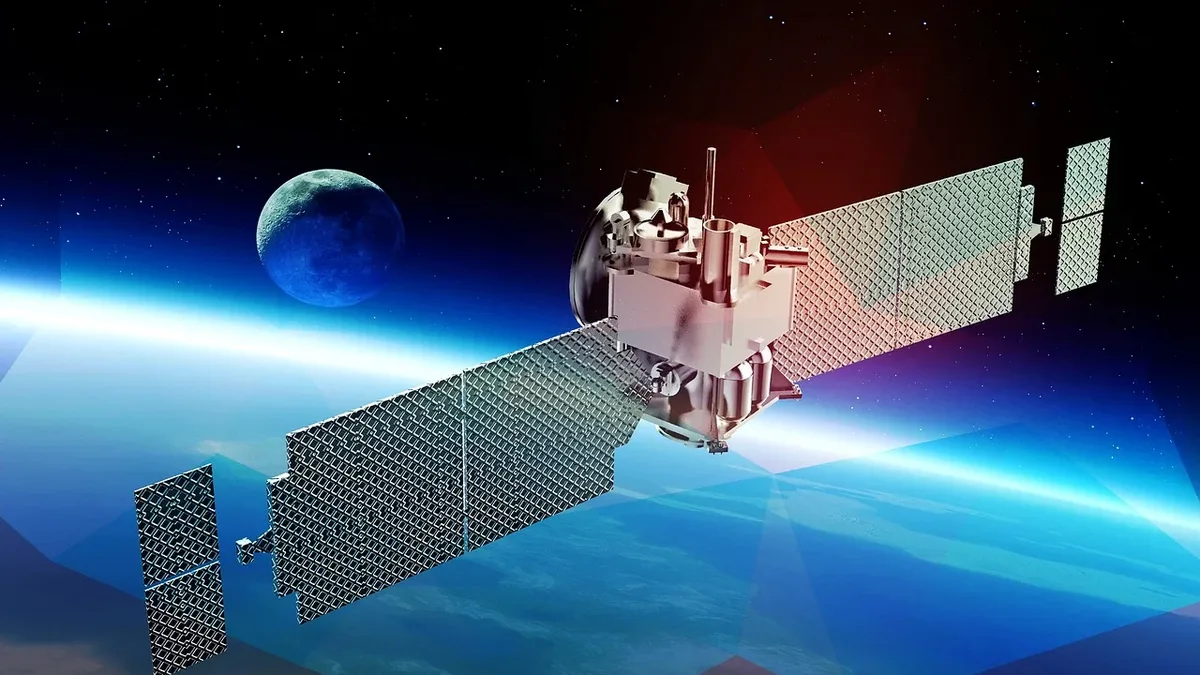
The Federal Communications Commission has approved SpaceX’s request to deploy a 15,000-satellite constellation in Very Low Earth Orbit for direct-to-device services. On October 7, 2026, the FCC granted regulatory approval for the launch and operation of this system, resolving an administrative review initiated in late 2025.
This new network, called Starlink Mobile, is separate from the existing Starlink broadband constellation. It is designed to provide mobile satellite services and direct-to-cell connectivity using spectrum from EchoStar. The system will offer supplemental coverage from space within the U.S. and direct-to-cell services globally, alongside fixed satellite services backhaul.
System designed for global mobile connectivity
The 15,000-satellite system aims to provide connectivity virtually anywhere on Earth. It will support voice, high-speed data, and additional services for standard smartphones. The constellation will operate in nine orbital shells at altitudes between 326 and 335 kilometers.
This VLEO altitude is significantly lower than the core Starlink shells near 550 kilometers. Operating lower reduces signal latency and free-space path loss, enabling reliable links with unmodified phones. The layer integrates dedicated Mobile Satellite Services spectrum and advanced high-power phased arrays. The upgraded architecture targets user transmission speeds of up to 150 Mbps.
Technical advantages and operational challenges
Operating between 326 and 335 kilometers presents distinct engineering challenges. Satellites in VLEO face perpetual atmospheric drag from Earth's upper atmosphere. To counteract orbital decay, each satellite requires continuous electric propulsion for station-keeping.
Upon propellant depletion, atmospheric drag accelerates orbital decay. This necessitates an active orbital replenishment pipeline to replace retiring satellites continuously. Maintaining full constellation density will require launching thousands of replacement units annually due to the rapid decay below 350 kilometers.
Deployment using Starship and Gen3 satellites
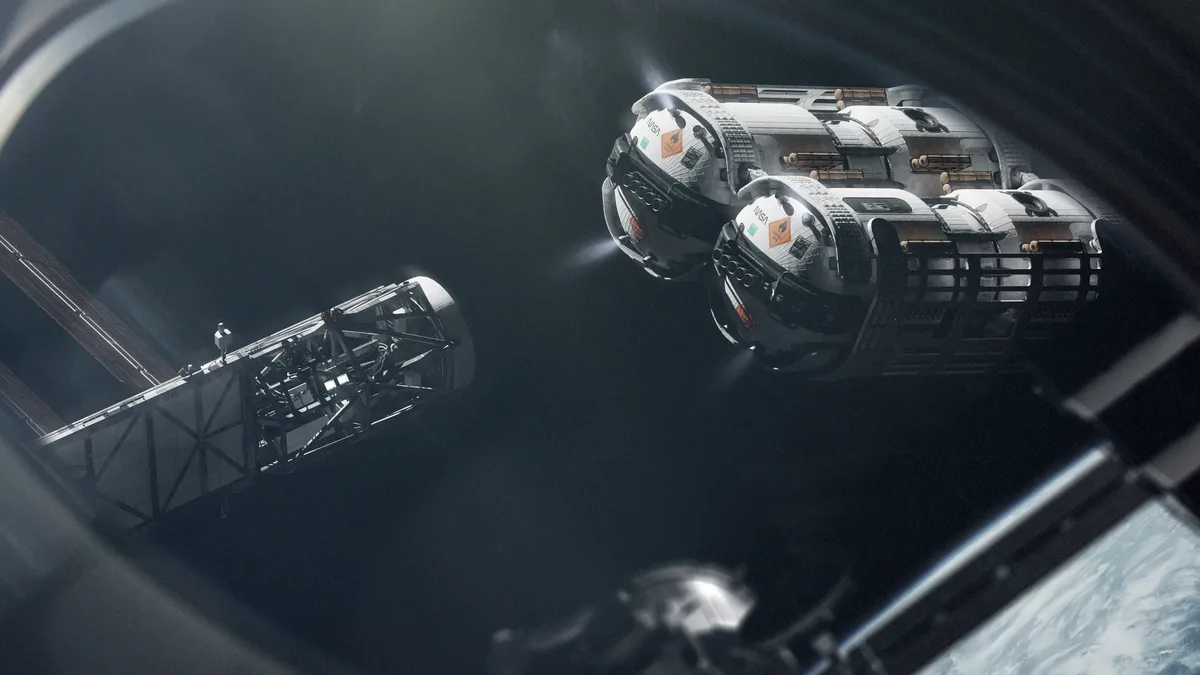
SpaceX plans rapid deployment using its Starship vehicle and third-generation satellites. The physical scale and mass of the Gen3 spacecraft tie deployment directly to the operational flight rate of Starship. Its heavy payload fairing and high mass-to-orbit performance are needed to loft dozens of high-mass VLEO satellites per launch.
The Starlink Gen3 architecture builds upon a 250 kW platform and incorporates custom Nvidia Vera Rubin NVL72 onboard edge compute hardware. This enables real-time digital beamforming and dynamic frequency allocation in orbit. SpaceX President Gwynne Shotwell said the company plans to start flying second-generation Starlink Mobile satellites next year, aiming to provide service by the end of that year.
FCC frames approval as pro-competition
The FCC stated the deployment will improve competition and give consumers more choices in more places, arguing it is in the public interest. FCC Chairman Brendan Carr stated that the decision would help boost competition while expanding the country's technological leadership. He added that Americans are about to see another big upgrade as satellite begins to compete directly with traditional cable and wireless providers for in-home and mobile subscribers.
With full regulatory authorization secured, SpaceX will begin initial orbital deployment flights to establish regional direct-to-device coverage shells before transitioning toward commercial service rollout.