Crew-12 Undocking Targeted for October 7, 2026
NASA and SpaceX are targeting no earlier than 1:05 a.m. EDT on Oct. 7, 2026, for the Crew-12 mission's undocking from the ISS, with splashdown planned for Oct. 8 off the California coast.
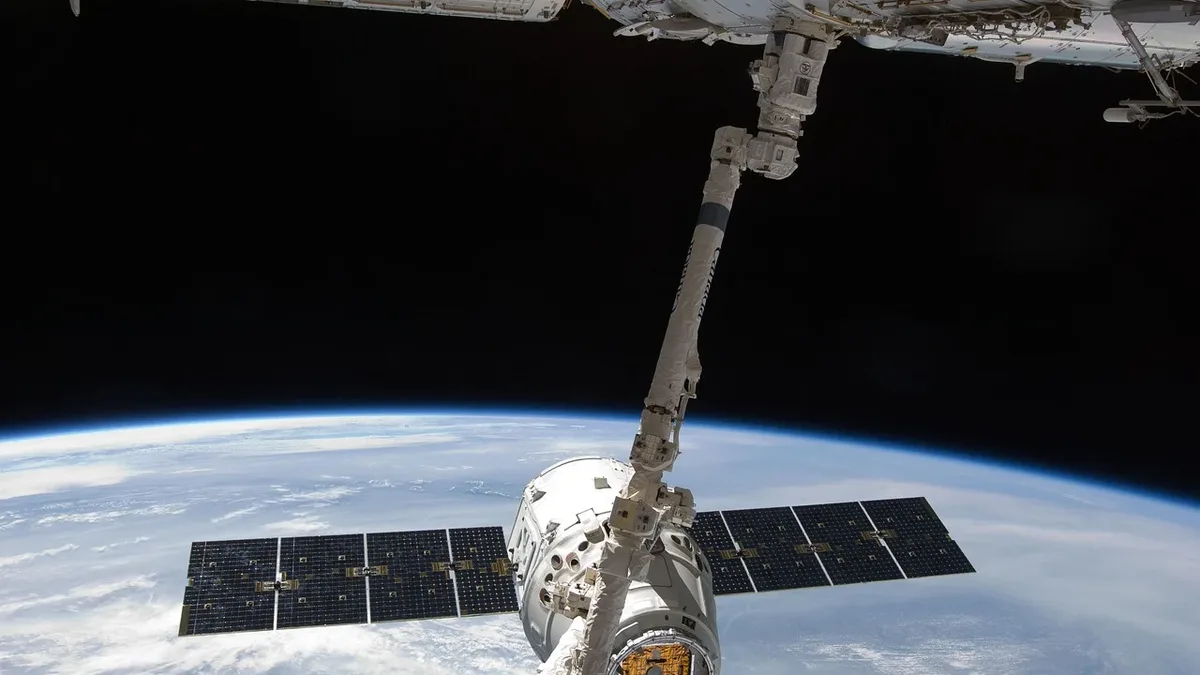
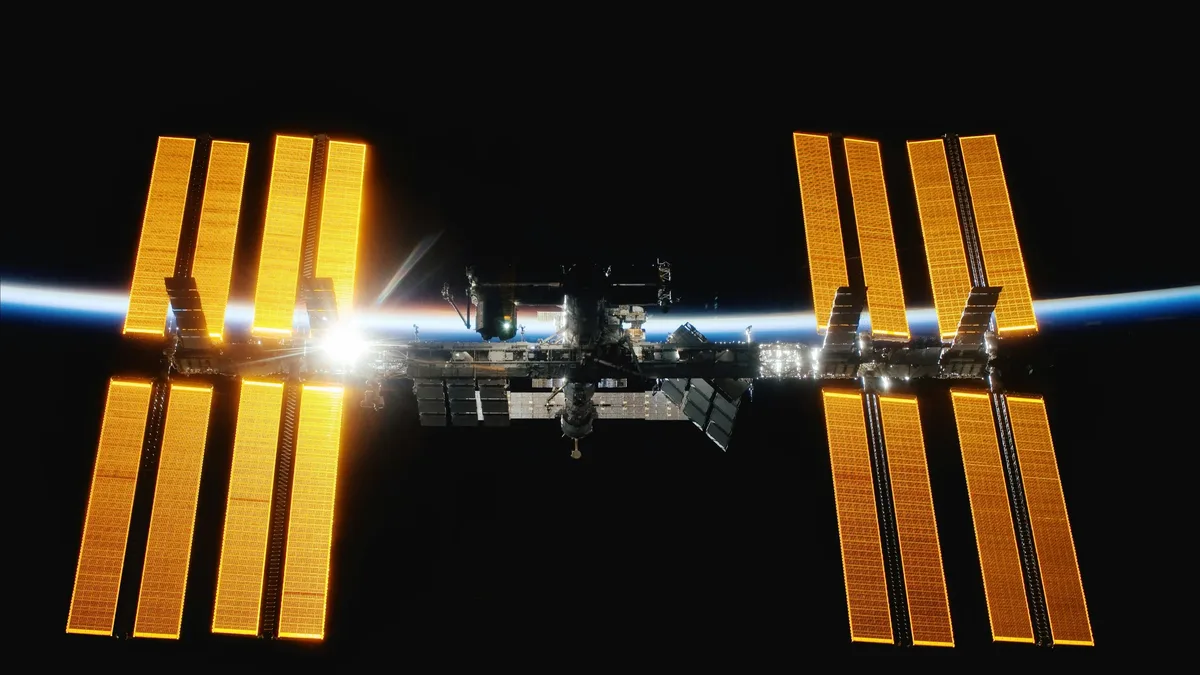
NASA and SpaceX are targeting no earlier than 1:05 a.m. EDT on Wednesday, October 7, 2026, for the undocking of the Crew-12 mission from the International Space Station. Splashdown is planned for approximately 11:25 a.m. EDT on Thursday, October 8, off the coast of California, concluding an orbital stay of over seven months. The exact timing and location remain subject to final reviews of weather, sea conditions, spacecraft readiness, and recovery team status, with a key weather assessment scheduled about 48 hours before undocking.
The mission's four crew members are NASA astronauts Jessica Meir and Jack Hathaway, ESA astronaut Sophie Adenot, and Roscosmos cosmonaut Andrey Fedyaev. Their departure follows the arrival of the Crew-13 mission on October 1, which created a temporary crew overlap. This rapid handover illustrates NASA's operational model of maintaining a continuous transportation and research cycle in low Earth orbit.
Mission responsibilities transferred ahead of return
A formal change-of-command ceremony is scheduled for 10:20 a.m. EDT on October 4. During this event, outgoing ISS commander Jessica Meir will hand over station command to Roscosmos cosmonaut Pyotr Dubrov. The ceremony will also include farewell remarks from the departing crew. NASA stated that the event will be streamed, adding, "NASA will provide more information about the agency’s coverage in the coming days."
Crew-12 research and mission legacy
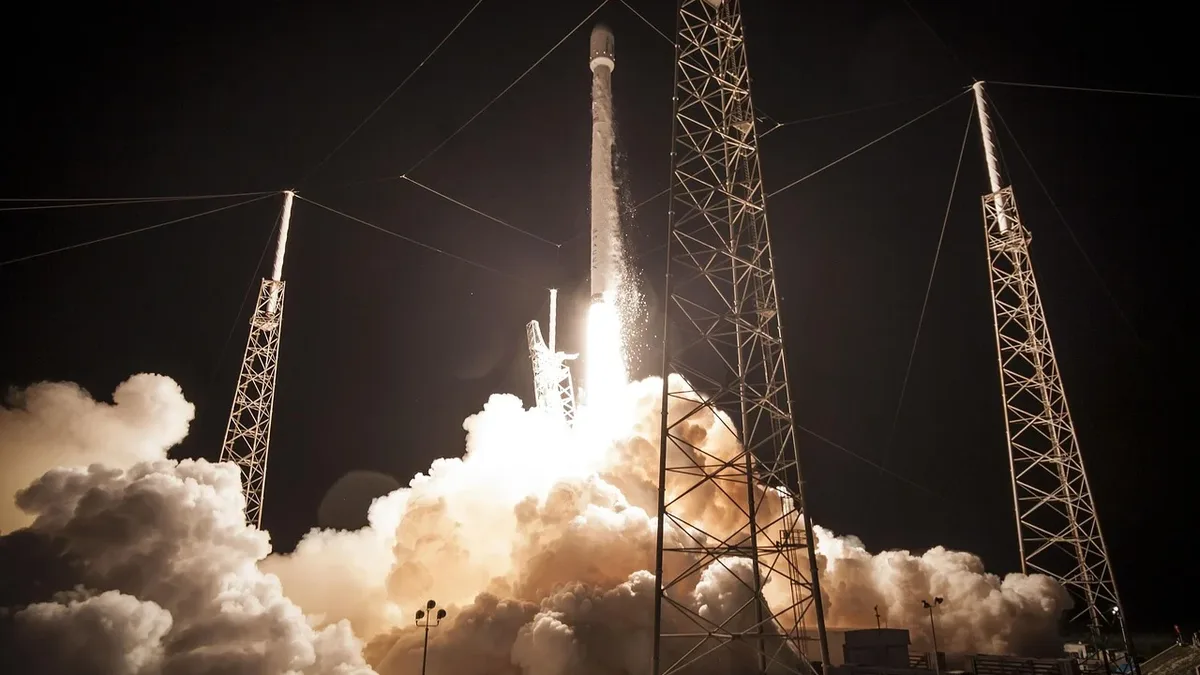
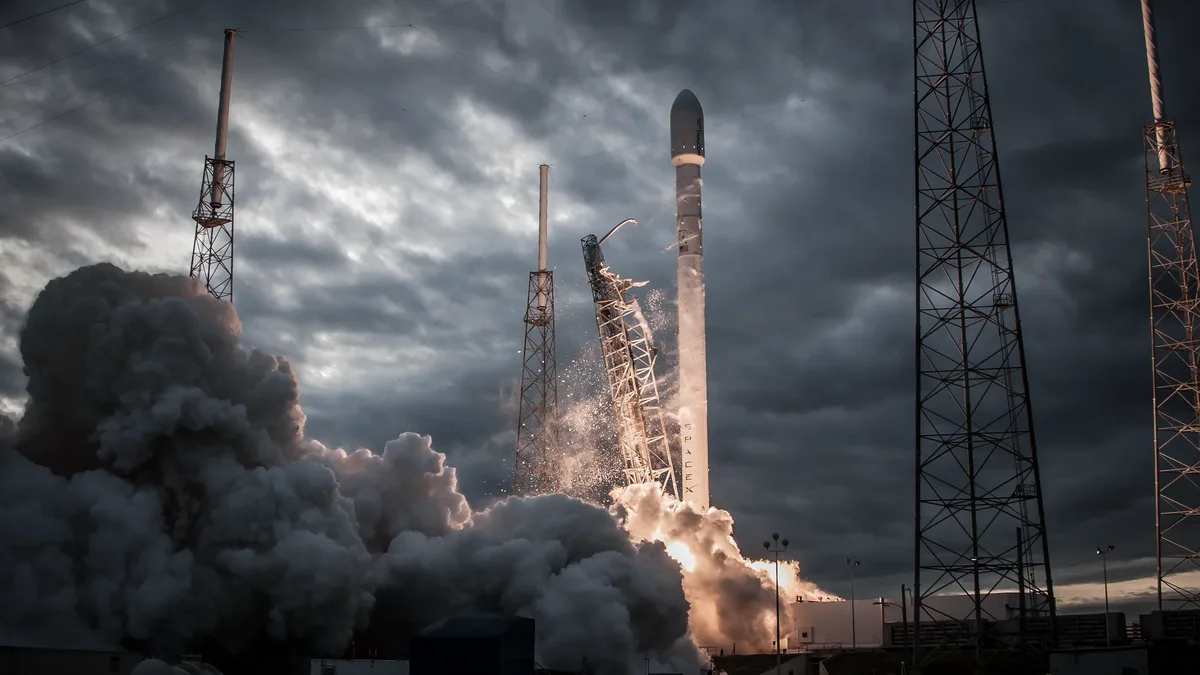
Crew-12 launched on February 13, 2026, from Cape Canaveral Space Force Station in Florida. During their seven-month expedition, the crew conducted a wide array of scientific investigations. Their work advanced microgravity research in several critical areas with applications for both space exploration and medicine on Earth.
Sophie Adenot installed a metal 3D printer on the station, and several small manufactured parts have already been returned to Earth for analysis against ground-produced equivalents. Jack Hathaway ran experiments studying how microgravity affects bone marrow cells and tested for antibiotic-resistant bacteria, a significant concern in closed spacecraft environments. Adenot also worked with a bone scaffold made from wood to study bone cell growth, research that could aid in developing treatments for osteoporosis.
The Intravenous Fluid Generation Mini investigation explored producing IV fluids in microgravity, a key step for long-duration missions where medical supplies have limited shelf life. NASA emphasizes that these technologies are still in development. Future systems must prove reliable, repeatable, and capable of quality control under extended mission conditions to be operationally viable.
Supporting future deep space missions
The mission's research portfolio directly supports the development of technologies needed for future lunar and Mars missions. In environments where resupply is infrequent and medical support is limited, the ability to manufacture parts and produce essential fluids becomes critical. NASA Administrator Jared Isaacman noted the mission's role in advancing technologies for deep space exploration while also delivering benefits on Earth. He emphasized managing risk responsibly to expand human presence in low Earth orbit and prepare for voyages to the Moon and Mars.
Crew-12 is the 12th crew rotation mission and the 13th human spaceflight to the station supported by SpaceX's Dragon spacecraft under NASA's Commercial Crew Program. The program aims to provide reliable transportation to and from the ISS while expanding access to low Earth orbit for research and commercial activity. The return of Crew-12 supports sustained operations in low Earth orbit and advances the technologies needed for future lunar and Mars missions.