Falcon 9
| Manufacturer | SpaceX |
|---|---|
| Country of origin | United States |
| First launched | 2010 |
| Original use | Orbital launch vehicle |
| Propellant | Liquid oxygen and rocket-grade kerosene (RP-1) |
| Stages | Two |
| Landing capability | Partially reusable (first stage) |
| Payload to LEO | Medium-lift capacity |
Origin and history
The Falcon 9 launch vehicle originates from the United States, developed by the private aerospace company SpaceX. Its development was initiated in the first decade of the 21st century, with public funding from NASA's Commercial Orbital Transportation Services program playing a significant role. The vehicle was designed from the outset to reduce space launch costs through the pioneering reuse of its major components. Its historical context is rooted in a period where traditional government-led launch systems dominated, and its introduction represented a fundamental shift in launch industry economics. The first Falcon 9 launch occurred in the early 2010s, marking the beginning of its operational history. Since that inaugural flight, it has become one of the most frequently launched orbital rockets globally.
What it is designed for
The Falcon 9 is designed as a two-stage, partially reusable medium- to heavy-lift launch vehicle for orbital missions. Its primary design purpose is to reliably transport payloads, including satellites and spacecraft, into various Earth orbits and beyond. The vehicle is engineered to service a wide range of customers, including commercial satellite operators, NASA, the U.S. Department of Defense, and other government agencies. A core design objective is the vertical landing and recovery of the first-stage booster, enabling its refurbishment and reuse on subsequent missions. It is built to launch missions to the International Space Station, both cargo resupply and crewed flights under NASA's Commercial Crew Program. Furthermore, the design accommodates missions to geostationary transfer orbit, low Earth orbit constellations, and interplanetary trajectories for scientific payloads.
Development and versions
The Falcon 9 has undergone several major iterative versions since its initial design, each introducing significant performance and reusability improvements. The first version, now retired, featured a non-recoverable first stage and was powered by the Merlin 1C engine. The subsequent Falcon 9 v1.1 introduced a longer fuselage, more powerful Merlin 1D engines, and a redesigned fuel tank structure, which allowed for first-stage landing attempts. The current and most-flown iteration is the Falcon 9 Full Thrust, also known as the Falcon 9 v1.2 or Block 5, which first flew in the late 2010s. The Block 5 variant incorporates numerous upgrades for enhanced reusability, including a more durable thermal protection system, improved landing legs, and engines designed for multiple flights with minimal refurbishment. These sequential developments have substantially increased the rocket's payload capacity to various orbits while achieving the routine reuse of its first-stage boosters.
Pros and cons
A primary advantage of the Falcon 9 is its significant reduction in launch costs achieved through the repeated reuse of first-stage boosters, disrupting traditional launch market economics. Its high launch cadence and reliability record provide frequent and predictable access to space for a variety of payloads. However, a notable con is its reliance on a complex vertical landing sequence, which, despite high success rates, introduces a failure mode not present on entirely expendable rockets and can result in the loss of a valuable booster. Customers with extremely sensitive, one-of-a-kind scientific or national security payloads have sometimes expressed hesitation, preferring the perceived lower-risk profile of traditional, non-reusable systems despite higher costs. A common mistake is underestimating the integration and scheduling implications of flying on a shared rideshare mission, where a secondary payload's requirements can influence the primary mission's launch timeline. Furthermore, while reuse lowers costs, the technical and logistical overhead of inspecting, refurbishing, and recertifying flown hardware presents an ongoing operational challenge that newer competitors seek to simplify.
Who it suits
The Falcon 9 suits commercial satellite operators seeking cost-effective and regular launches for communications, Earth observation, and technology demonstration satellites. It is well-suited for NASA and other government space agencies requiring reliable transportation for cargo and crew to the International Space Station. The vehicle also suits companies deploying large constellations of small satellites in low Earth orbit, benefiting from dedicated and rideshare launch options. It is a match for scientific missions, such as planetary probes and space telescopes, that require high performance but must operate within constrained budgetary limits. Customers with a higher risk tolerance who prioritize lower launch costs over the heritage of traditional launch providers often find Falcon 9 aligns with their objectives. It is less suited for payloads requiring extremely large fairings or lift capacity beyond its performance envelope, which necessitates the use of the larger Falcon Heavy or other vehicles.
Latest Falcon 9 news
Latest reporting
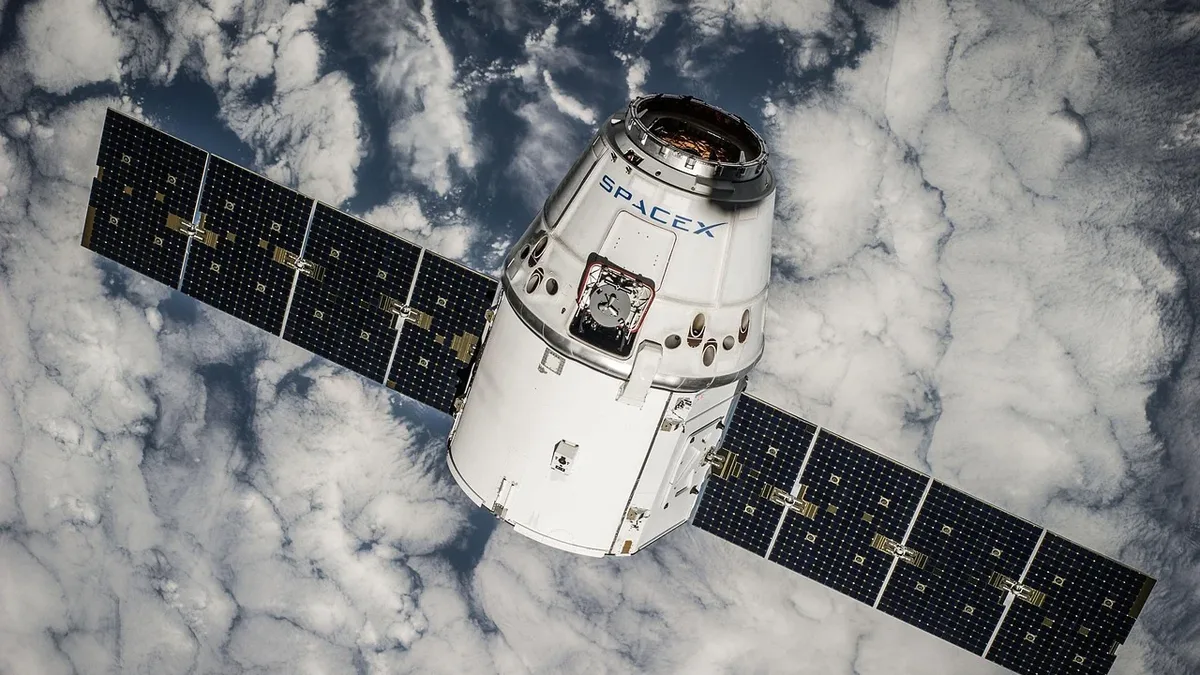
SpaceX Transporter-18 launches 130 payloads
SpaceX launched 130 payloads on its Transporter-18 Falcon 9 rideshare mission from Vandenberg Space Force Base on October 1.
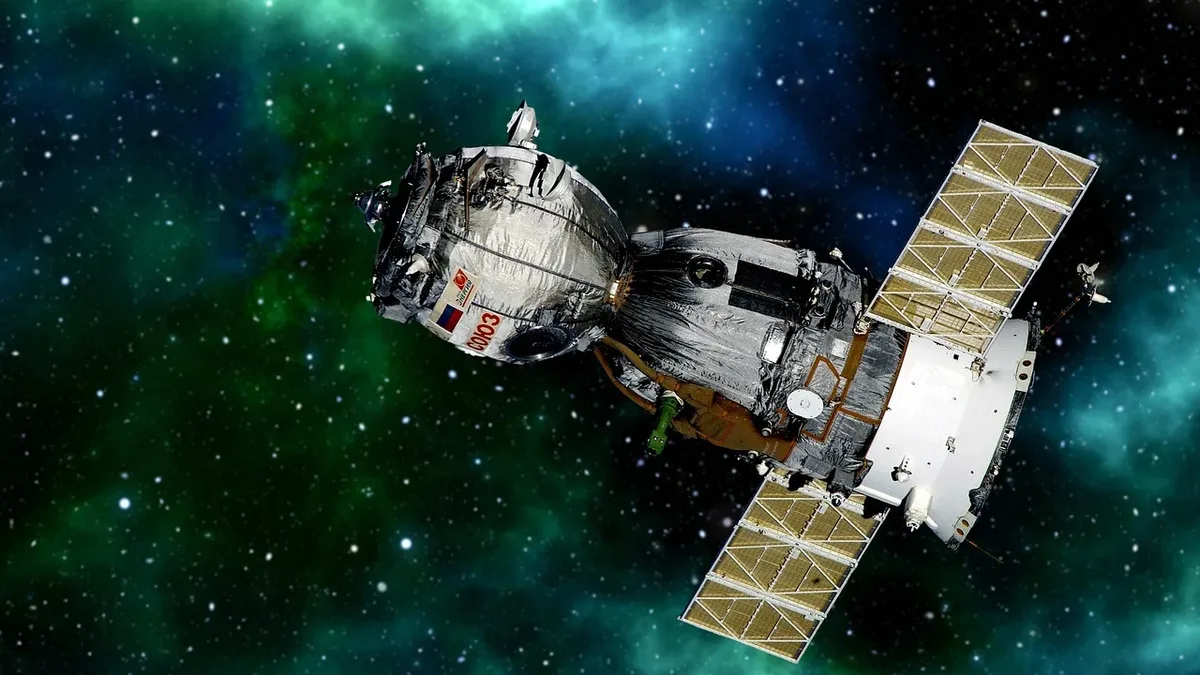
Astranis to Launch Dedicated GEO Satellite for Saudi Arabia's stc
Saudi telecom operator stc group has ordered a dedicated, small GEO communications satellite from Astranis. The satellite is scheduled for launch on...
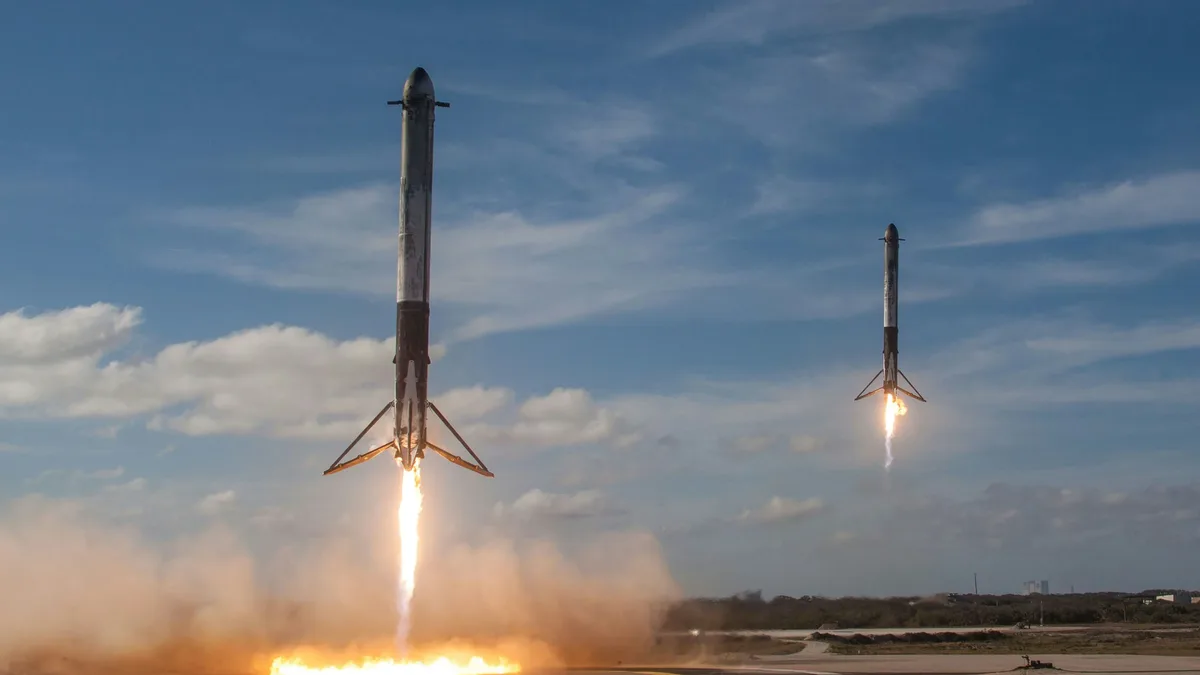
NASA's Roman Telescope launches Sunday
NASA's Nancy Grace Roman Space Telescope is scheduled to launch on a SpaceX Falcon Heavy rocket from Kennedy Space Center on Sunday morning.
Portal Books Dedicated Falcon 9 Amid Constrained Launch Market
Portal Space Systems has purchased a whole SpaceX Falcon 9 rocket for its Motus Via Sol 2028 mission to secure its launch future.