Europe Advances Non-Debris Space Defense as US Confirms Orbital Arms
European nations are developing defensive satellite capabilities to counteract threats without creating debris, following US confirmation of orbital weapons. Programs like BODYGUARD and UK initiatives focus on non-destructive effects, as ESA reaffirms its no-weapons stance.
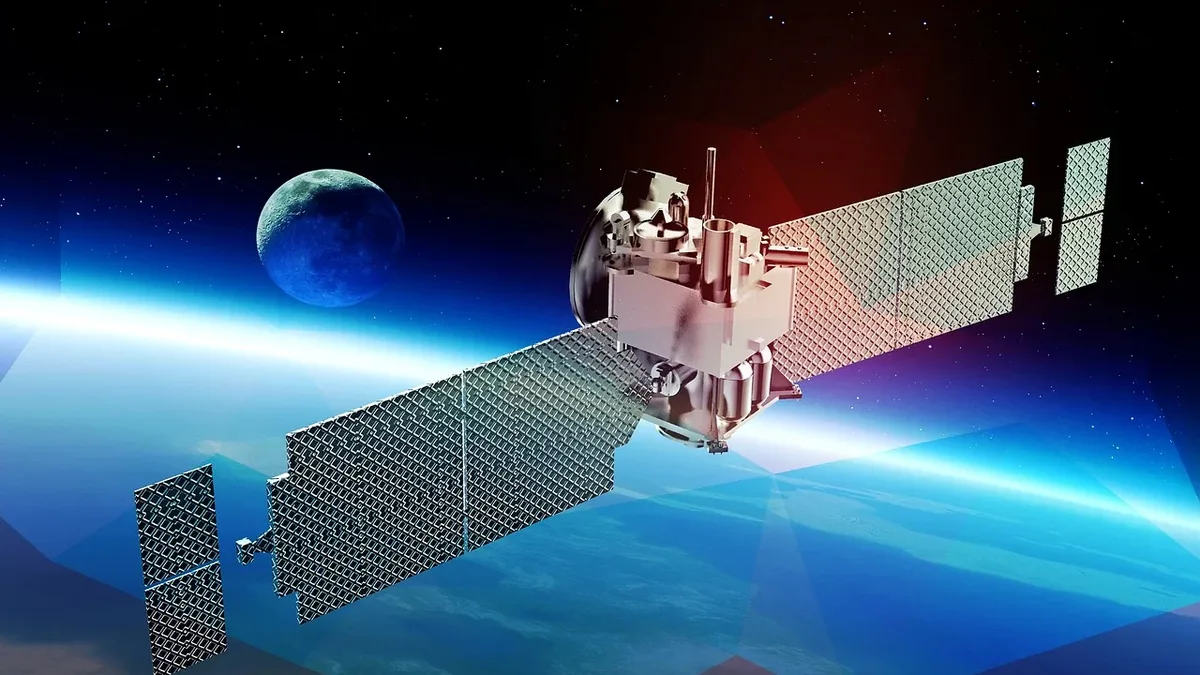
Europe is advancing satellite programs designed to counter adversarial spacecraft without generating debris. This push aligns with the European Space Agency's firm stance against deploying weapons in orbit.
Josef Aschbacher, ESA's Director General, warned that using weapons to damage satellites would spread debris and potentially make space unusable for all. "Europe does not deploy weapons in space," Aschbacher said, clarifying that this policy certainly applies to ESA. European programs are building defensive satellites to protect government assets. Many go beyond intelligence gathering into affecting adversarial satellites in a non-destructive fashion.
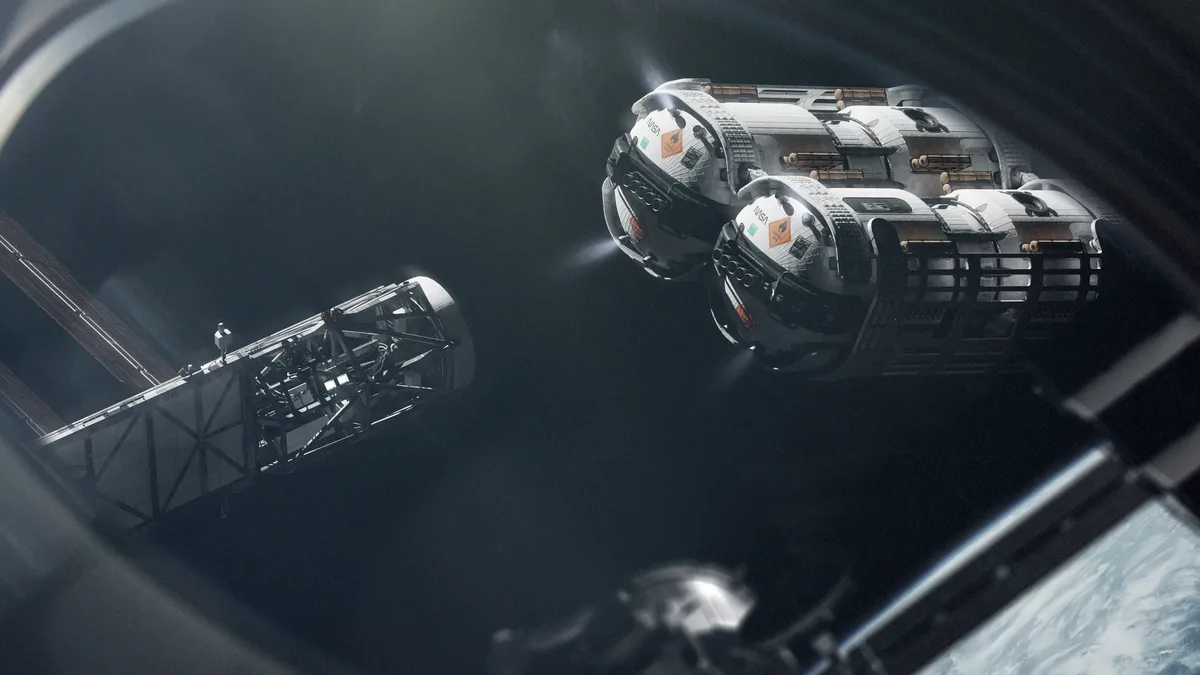
All 27 EU member states have approved a new collective framework to respond to threats in orbit. In 2023, the European Defense Fund gathered a coalition of companies across eight countries to develop the BODYGUARD project. It aims to create an autonomous Space Situational Awareness satellite capable of detecting adversarial satellites up close and counteracting them with a robot or laser.
National initiatives are proliferating. Germany’s 2025 Space Safety and Security Strategy called for developing bodyguard satellites and reusable spaceplanes to inspect and affect an adversary’s systems. France is developing a pair of GEO satellites set to launch before 2030 to demonstrate new defense maneuvers and has the FLAMHE program for laser-based capabilities to disable satellites without causing debris.
Last month, the UK Ministry of Defence announced the creation of a Space Effects Squadron. This unit is focused on disrupting, degrading, and denying enemy activity targeting British interests in space. It will contribute to developing space-warfare capabilities including electronic-warfare systems and countermeasures.
US confirms orbital weapons, prompting European caution
US officials have disclosed the presence of space-based weapons, leading European leaders to warn against the debris risks of orbital warfare. US Air Force Secretary Troy Meink confirmed the presence of US weapons in orbit on September 14 at a defense conference in Maryland. The US Space Force maintains 'on-orbit space control weapons' capable of defending American forces. US officials say these are needed to counter Russian and Chinese anti-satellite programs.
In 2024, Washington accused Moscow of developing a new anti-satellite weapon launchable from space. China's Foreign Ministry stated Beijing opposes the weaponization of outer space. The Kremlin said Russia believes space must be free of any weapon, while a Russian Foreign Ministry spokeswoman accused Washington of ignoring the catastrophic consequences of armed conflict in orbit. She said Russia would present UN General Assembly resolutions on barring weapons from space.
The 1967 Outer Space Treaty bans nuclear weapons and weapons of mass destruction in orbit but does not explicitly prohibit conventional weapons. Aschbacher considers war in space unlikely due to its complexity and the self-destructive consequences of debris.
Industry perspective on graduated response
The UK-based security satellite startup Lodestar Space is building co-orbital spacecraft that can fly alongside national assets to identify and characterize adversarial spacecraft. These spacecraft are designed to deliver non-debris generating effects. Thomas Santini, CEO of Lodestar Space, emphasized a distinction between defense and weaponization.
"Being able to defend yourself in space isn’t the same as putting weapons in space," Santini said. The company stated it is giving allied forces a graduated set of options, from watching to responding, arguing that deterrence only works if adversaries believe a response is possible. With upcoming missions, Lodestar aims to move from demonstration to demonstrating autonomous response in operationally relevant orbits. The company will not discuss specific effects publicly but notes the direction is clear: from awareness to action.
ESA leadership and broader space context
Aschbacher reaffirmed Europe’s no-weapons stance at the 77th International Astronautical Congress in Antalya, Turkey. He said Europe is moving as fast as the US and China despite a smaller budget, praising the Copernicus Earth observation program as the best in the world and noting Galileo's superior precision.
The International Space Station is scheduled for retirement around 2030, and Europe lacks its own crew vehicle. Member states have given Aschbacher a mandate to develop plans for guaranteed European access to space after 2030. Earlier this year, states endorsed buying a dedicated SpaceX Crew Dragon flight to the ISS in early 2028.
Aschbacher also discussed growing interest in putting computing power and AI directly in orbit. He said processing information on satellites could offer the greatest practical benefit. ESA was the first to use an AI chip on an Earth observation satellite, Φ-sat-1, launched in September 2020, which filtered out cloud-covered images on board.
Upcoming ESA ministerial meeting
Future European space ambitions will be shaped at an interim ESA ministerial meeting in Rome this December. This gathering will address funding and strategic plans for the period beyond 2030. The meeting follows last year's approval of €22.3 billion in contributions by ESA member states at a ministerial meeting in Bremen.
ESA's interim ministerial meeting will take place in Rome in December.