SpaceX Transporter-18 launches 130 payloads
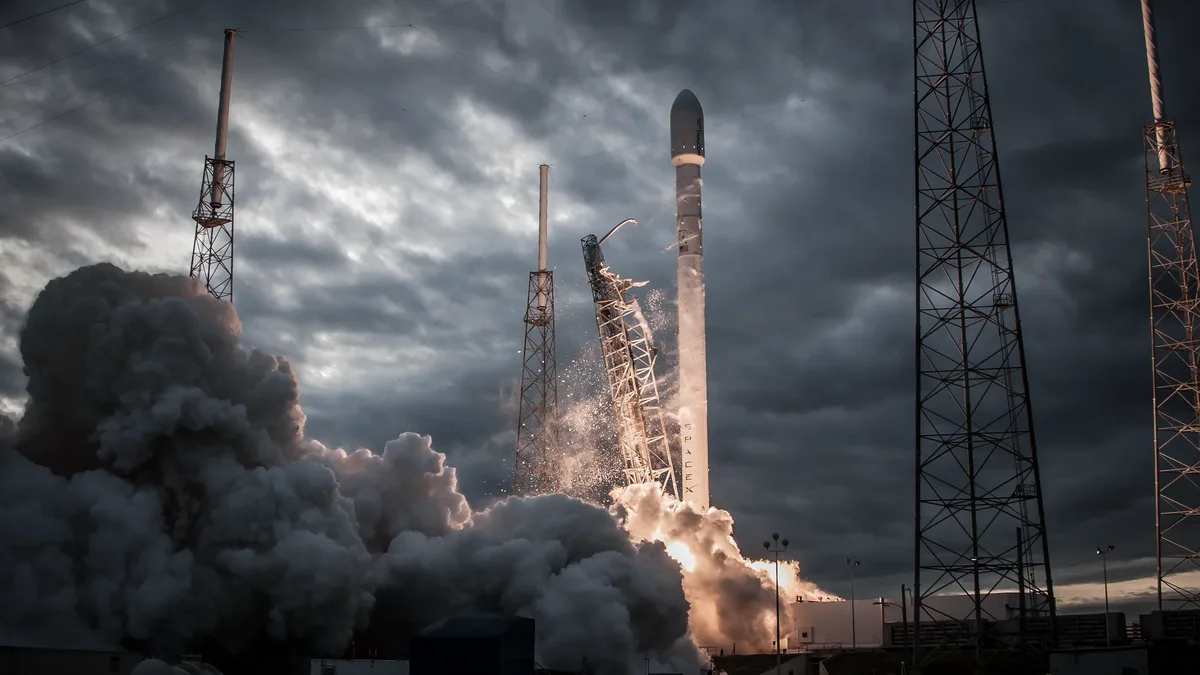
SpaceX launched 130 payloads on its Transporter-18 Falcon 9 rideshare mission from Vandenberg Space Force Base on October 1.
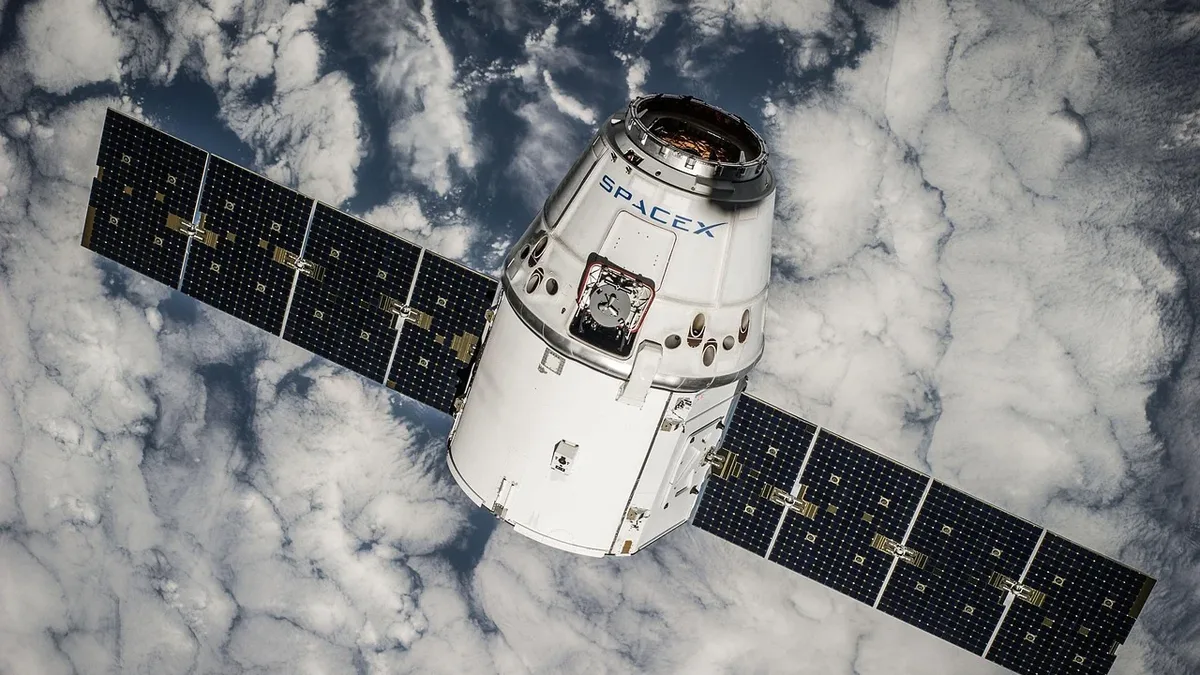
SpaceX launched 130 payloads on its Transporter-18 Falcon 9 rideshare mission from Vandenberg Space Force Base in California at 11:32 a.m. PT on October 1. Planet Labs was the largest single customer on the flight, which carried a diverse array of prototype satellites testing advanced orbital capabilities.
Technology demonstrations aboard
The mission served as a proving ground for several pioneering space technologies. Planet Labs launched the prototype satellite for Project Suncatcher, a collaboration with Google, to test Google models and the operation of Tensor Processing Unit (TPU) AI chips in space. Google stated the prototype is designed to gather in-orbit data on how TPUs handle the physical stress of spaceflight and radiation and thermal extremes.
Starfish Space launched its first Otter servicing vehicle to conduct the Small Spacecraft Propulsion and Inspection Capability (SSPICY) mission for NASA. Two other companies conducted power beaming experiments. StarCatcher launched its Protostar prototype power node to demonstrate power beaming between free-flying spacecraft, aiming to blaze a trail for an orbital power grid. Cowboy Space launched its Reason-1 satellite, designed to prove out technology to use a high-power laser to transfer energy from low Earth orbit to a ground receiver.
| Company | Payload | Primary Mission |
|---|---|---|
| Planet Labs / Google | Project Suncatcher M1 prototype | Test AI Tensor Processing Units in orbit |
| Starfish Space | Otter servicer | NASA SSPICY inspection mission |
| StarCatcher | Protostar | Demonstrate power beaming between spacecraft |
| Cowboy Space | Reason-1 | Test laser power transmission to ground |
Starfish Space's Otter servicing vehicle progress
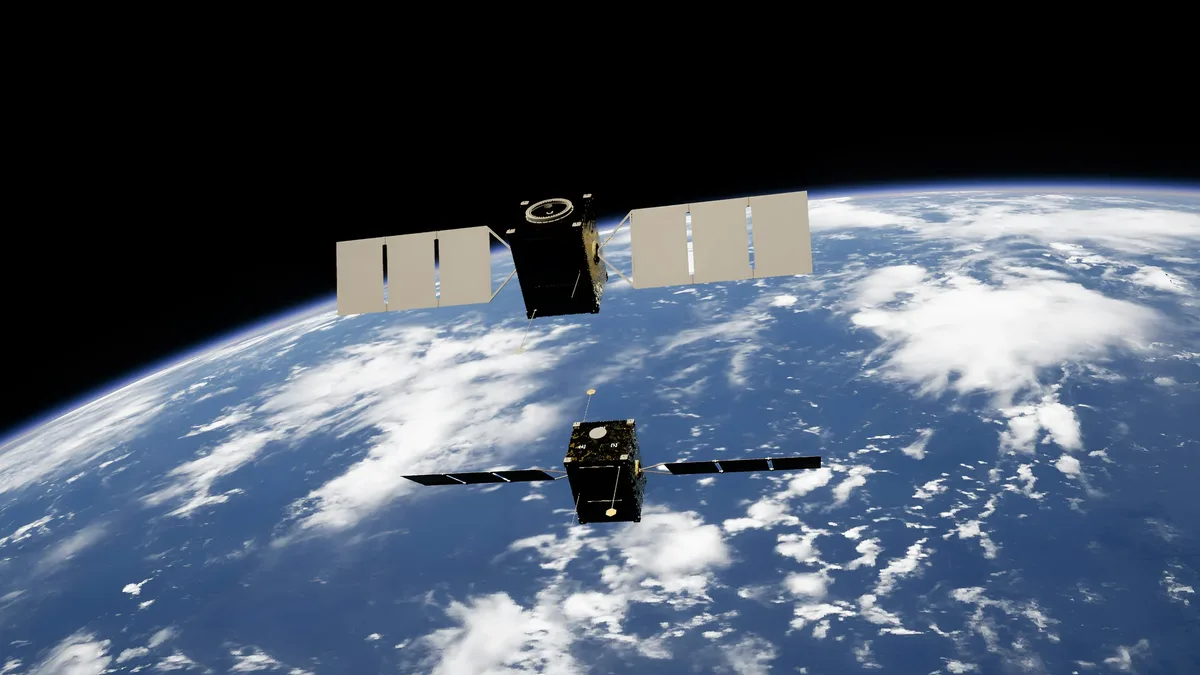
Starfish Space, based in Tukwila, Washington, achieved a major milestone with the launch of its first Otter spacecraft, which is roughly the size of a kitchen oven. Otter separated from the rocket's upper stage a little more than an hour after launch with its solar arrays folded, then powered up for orbital operations. The vehicle will rendezvous with and inspect inoperable satellites for the $15 million NASA SSPICY mission; these capabilities could later be used to check the health of active satellites or dispose of defunct ones.
The company is preparing for two commercial satellite servicing missions in geostationary Earth orbit and may undertake additional missions beyond SSPICY. This launch follows two orbital flight tests with smaller Otter Pup prototypes. The first Otter Pup test failed to link up with its target but demonstrated Starfish's satellite-tracking system, while a second prototype launched last year is currently closing in on its target. Future planned Otter missions include a satellite disposal job for the Pentagon's Space Development Agency.
Other notable payloads and mission details
Transporter-18 was part of an ambitious triple-launch attempt by SpaceX on October 1. The Crew-13 Falcon 9 astronaut launch for NASA from Florida occurred at 11:10 a.m. ET, and a Falcon Heavy mission for the National Reconnaissance Office was scheduled for later that evening. SpaceX confirmed at 3:41 p.m. ET that "the rideshare deployment sequence had concluded."
The mission's extensive manifest included four orbital transfer vehicles from providers like Exolaunch and D-Orbit, which will deploy 41 payloads at a later time. Notable commercial and institutional payloads spanned Earth observation, communications, and science.
| Entity | Payloads / Details |
|---|---|
| GHGSat | Two methane-monitoring satellites (C18, C19) |
| Iceye | Four SAR satellites |
| Satellogic | Four optical satellites |
| Tomorrow.io | Two weather monitoring satellites |
| Unseenlabs | Two RF monitoring satellites (BRO-23, BRO-32) |
| Sateliot | Five IoT connectivity satellites |
| Varda Space Industries | Two reentry vehicles |
| CesiumAstro | Element, its first full satellite |
| Italian IRIDE program | Eight Eaglet II mini Earth Observation satellites |
| Dhruva Space | LEAP-2 satellite with multiple demo missions |
| University of Colorado | SPRITE CubeSat to study early universe evolution |
| Canadian universities | Ex-Alta 3 (U of Alberta) and PRESET (McMaster) |
Planet Labs also launched its second Tanager satellite for tracking methane emissions and 18 SuperDove satellites on the flight. The Falcon 9 first-stage booster returned to a nearby landing pad. Otter will now begin its primary task to rendezvous with and inspect inoperable satellites for the $15 million NASA SSPICY mission.