Uk Space Agency
| Founded | 2010 |
|---|---|
| Headquarters | Swindon, Wiltshire |
| Governing body | UK Government |
| Primary role | Civil space programme |
| Key programmes | Earth observation, telecommunications, navigation |
| Annual budget | Hundreds of millions GBP |
| International memberships | European Space Agency, NASA Artemis Accords |
Overview
The UK Space Agency is the United Kingdom's national body responsible for civil space activities. It coordinates UK space policy, funds space research and development, and represents the UK in international space collaborations. The agency's remit encompasses satellite communications, Earth observation, space science, exploration, and supporting the growth of the UK space sector. It does not operate its own launch vehicles or astronauts but provides funding and strategic direction for missions involving international and commercial partners. A key function is allocating government funding from the National Space Strategy to industry and academia for specific programs and technologies. The agency also holds regulatory responsibilities for licensing UK satellite launches and space activities.
History
The UK Space Agency was formally established in 2010, consolidating various civil space functions that were previously managed by several different government departments and research councils. Its creation marked a strategic move to centralize and elevate the UK's approach to space within government. The United Kingdom has a long heritage in space, being a founding member of the European Space Agency (ESA) in the 1970s and having developed early satellite launch capabilities in the 20th century. Prior to the agency's formation, British space policy and funding were fragmented, which was seen as a hindrance to competing globally. The new agency was designed to provide a single, clear voice for UK civil space ambitions and to improve coordination across the growing industrial sector. This reorganization aimed to strengthen the UK's position within ESA and other international partnerships while fostering commercial growth.
How it works today
The UK Space Agency operates as an executive agency of the Department for Science, Innovation and Technology. It functions primarily as a funding, policy, and regulatory body rather than as a hands-on mission operator like NASA. The agency develops and implements the UK's National Space Strategy, setting priorities for science, technology, and commercial development. A significant portion of its activity involves managing the UK's substantial financial contribution to the European Space Agency, through which it secures participation in major missions like those to Mars or the James Webb Space Telescope. It also runs direct grant funding programs for UK companies and research institutions to develop new satellite technologies, launch capabilities, and applications. On the regulatory side, it issues licenses for the operation of UK satellites and for launch activities from UK soil, such as those planned from spaceports in Scotland and Cornwall.
Why it matters
The UK Space Agency matters because it is the central government mechanism for securing strategic value and economic return from the UK's investment in space. A coordinated national agency enables the UK to punch above its weight in major international projects, giving British scientists and companies access to missions they could not fund alone. Its work in Earth observation is critical for national priorities like climate monitoring, disaster response, and security. By fostering the commercial space sector, the agency supports high-skilled jobs and technological spin-offs that benefit the wider economy. The agency's licensing role is also vital for safety, security, and ensuring the UK complies with international space treaties. Furthermore, its focus on growing launch capabilities from UK soil aims to create a complete domestic space ecosystem, from manufacturing to orbit.
Common misconceptions
A common misconception is that the UK Space Agency is a direct equivalent to NASA or ESA, with its own astronauts, rockets, and mission control. In reality, it is a much smaller organization focused on strategy, funding, and regulation, leveraging partnerships for execution. Another misconception is that the UK left the European Space Agency due to Brexit; the UK remains a leading member of ESA, which is an intergovernmental organization separate from the European Union. Some believe the agency's primary role is exploration, while in fact a major focus is on practical satellite applications for Earth observation and telecommunications. It is also incorrectly assumed that the agency designs and builds hardware itself, whereas it commissions this work from industry and academia. Finally, the notion that the UK has no launch capability is outdated, as the agency actively supports the development of multiple commercial spaceports for small satellite launches.
Latest Uk Space Agency news
Latest reporting

Euclid's First Data Release Maps 900 Million Galaxies
ESA's Euclid space telescope has released its first major data set, mapping over 900 million galaxies and 15,000 strong lensing candidates to advance...
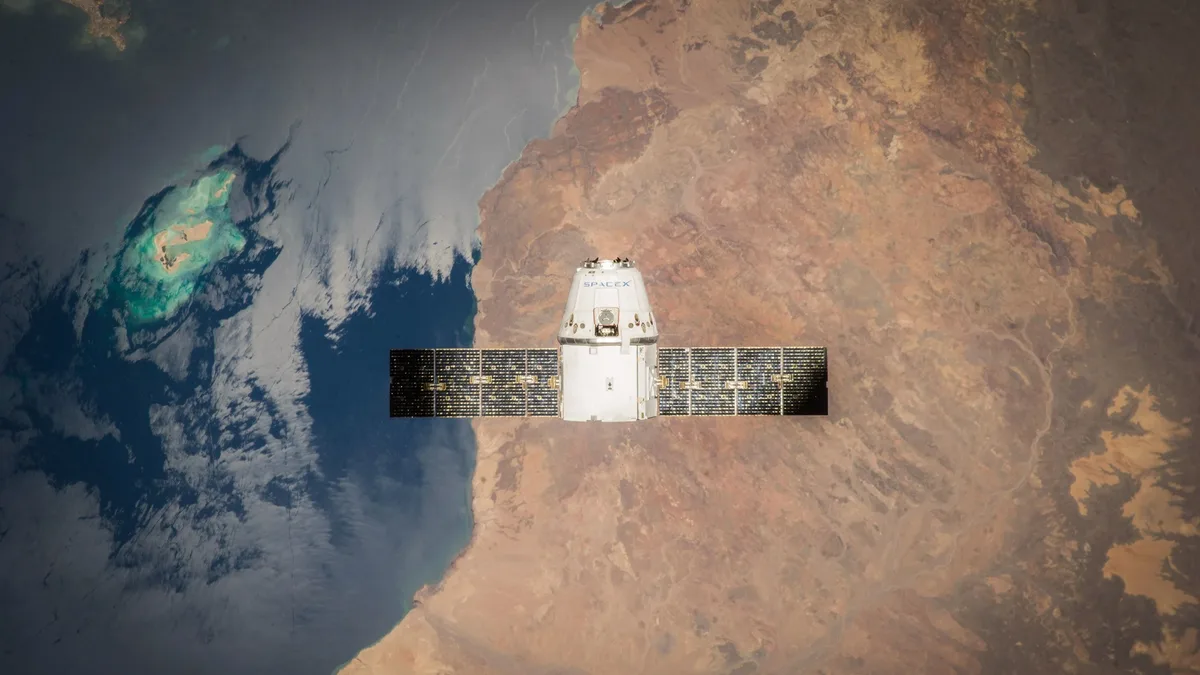
Orbital Matter 3D prints first structural boom in space
Orbital Matter's Replicator 2 satellite has successfully 3D printed a structural boom in the open vacuum of space, proving the feasibility of...
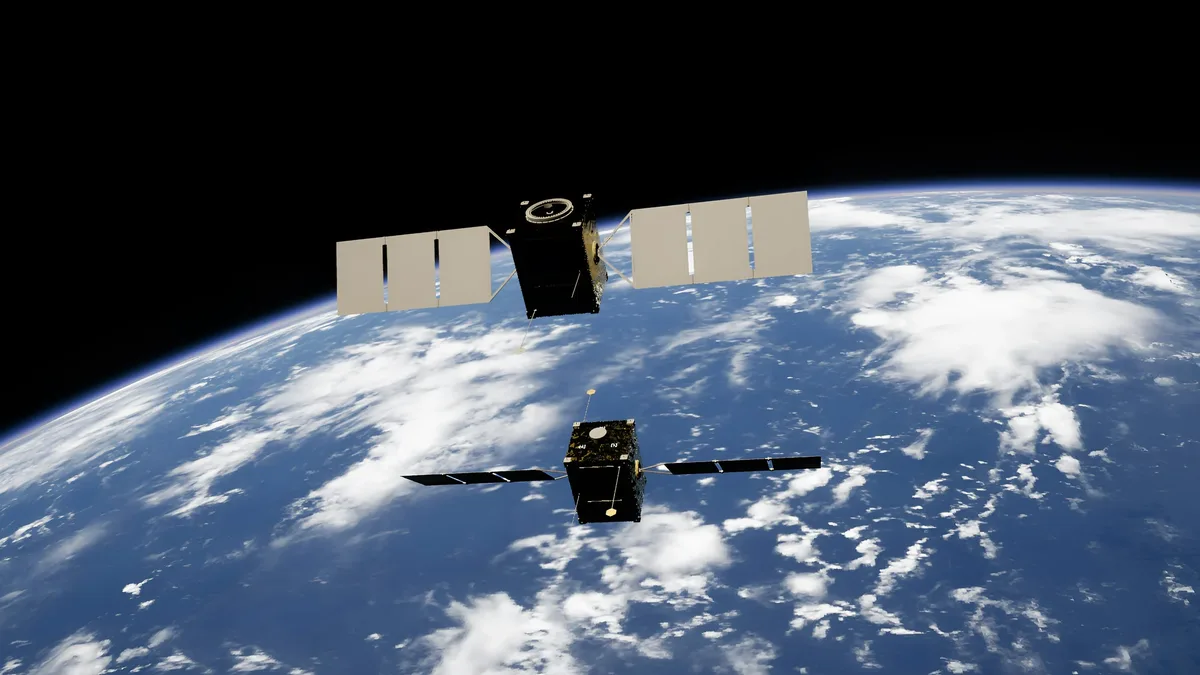
Anduril Launches First Satellite for Space Domain Awareness
Anduril Industries has launched its first satellite, ANDURIL-216, on a SpaceX rideshare. The spacecraft is demonstrating space domain awareness...
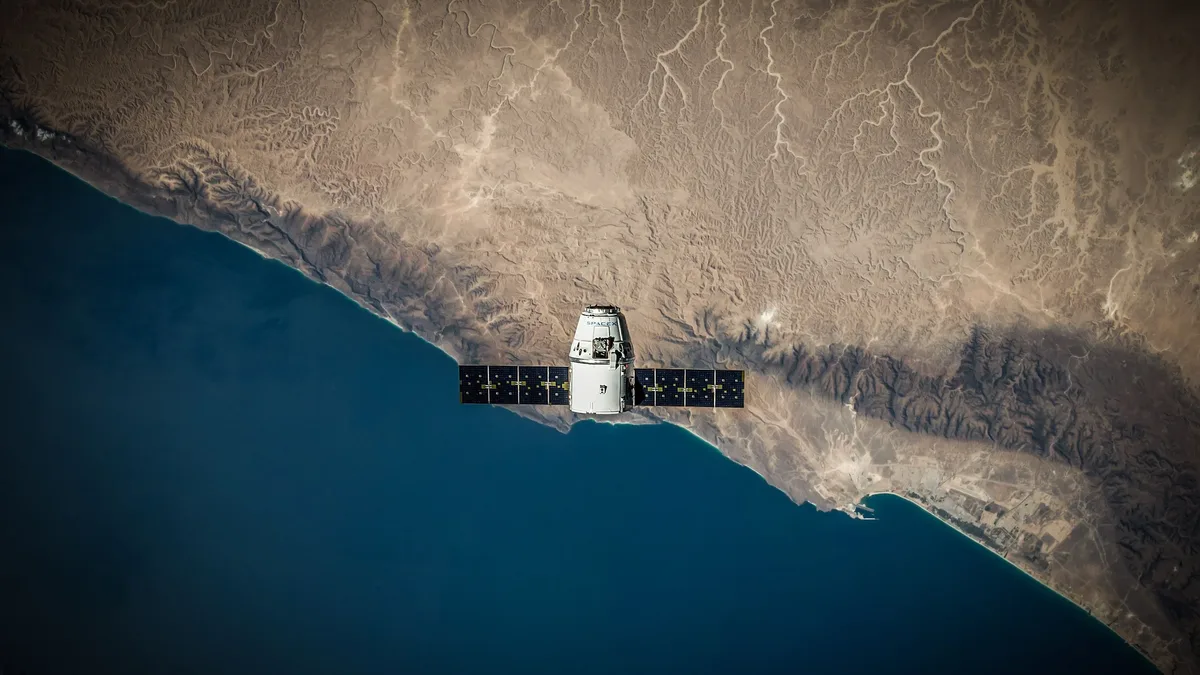
Orbital Eye monitors Dutch grid construction from space
Orbital Eye is deploying its AI-powered COSMIC-EYE satellite platform to monitor the construction of TenneT's Rilland-Tilburg high-voltage...
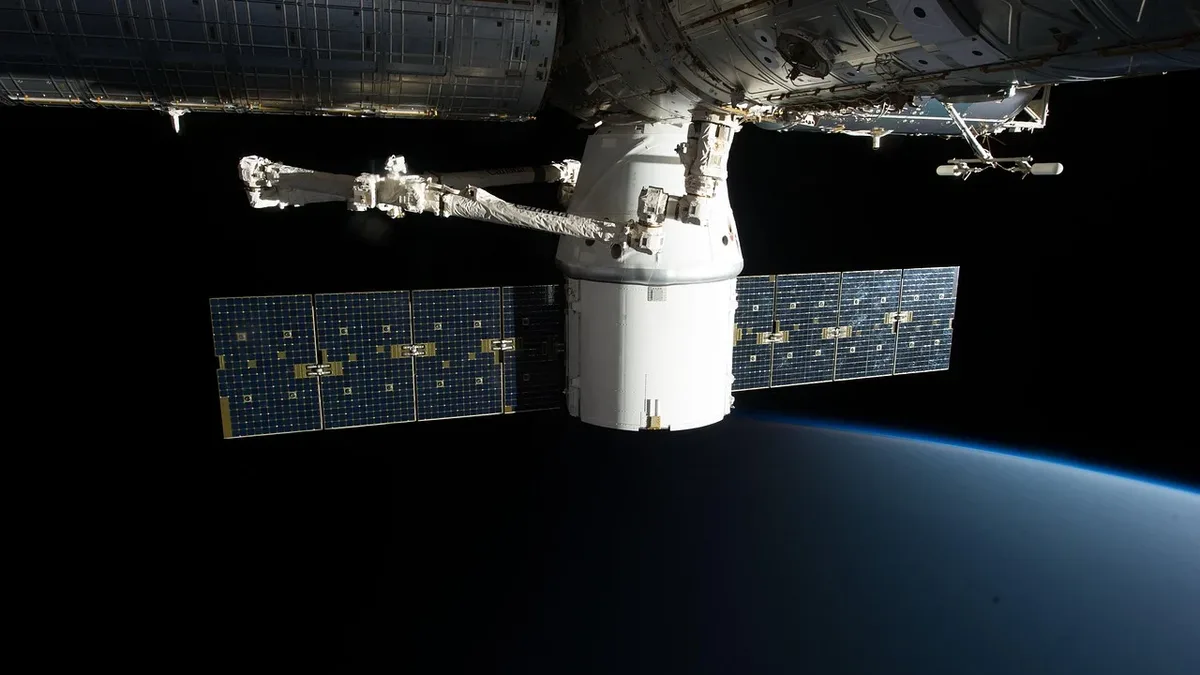
AST SpaceMobile Joins U.S. Space Force Sensing Program
AST SpaceMobile will support prime contractor STR under a U.S. Space Force program to advance space-based sensing using its commercial BlueBird...
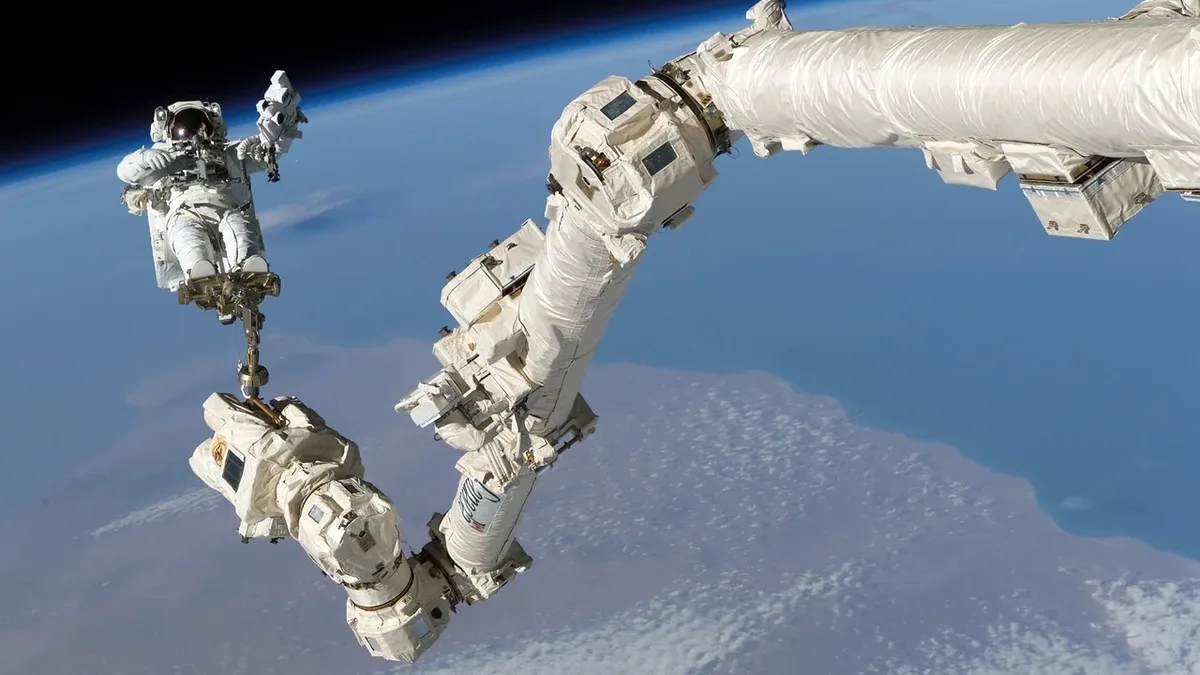
New Canadian Space Agency chief pushes for rapid lunar robotics and procurement reform
Alexander MacDonald, former NASA chief economist, has been named president of the Canadian Space Agency. His mandate includes reforming procurement...