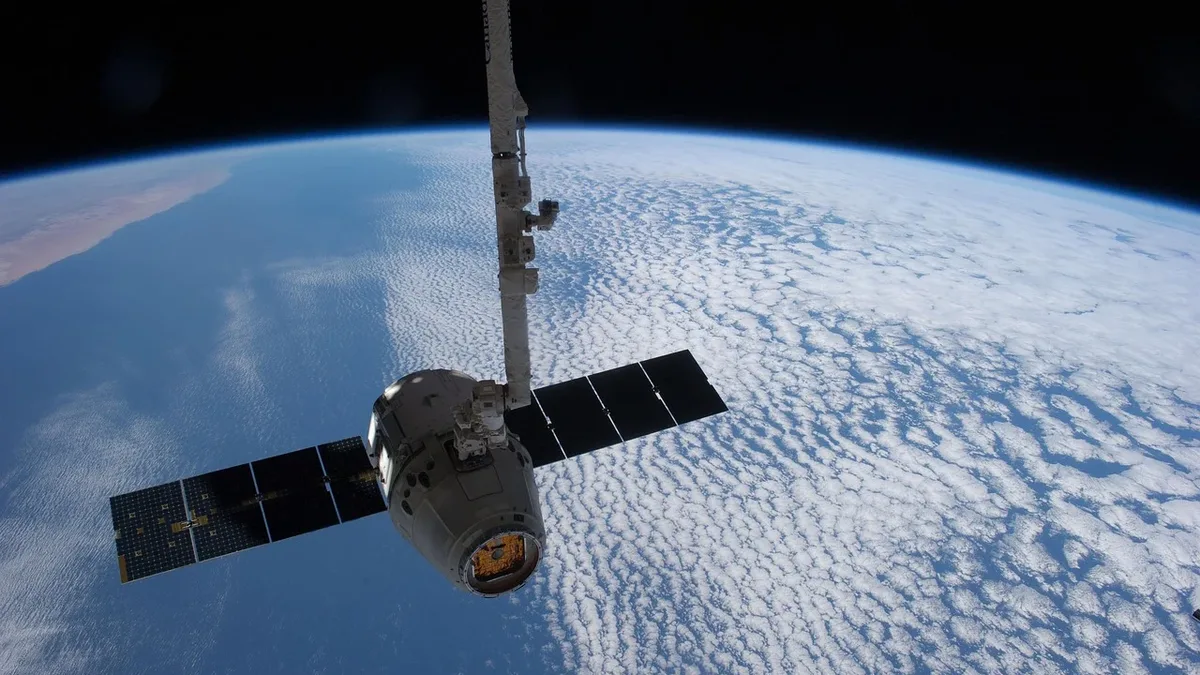
Orbital Eye monitors Dutch grid construction from space
Orbital Eye is deploying its AI-powered COSMIC-EYE satellite platform to monitor the construction of TenneT's Rilland-Tilburg high-voltage connection, providing weekly progress reports.
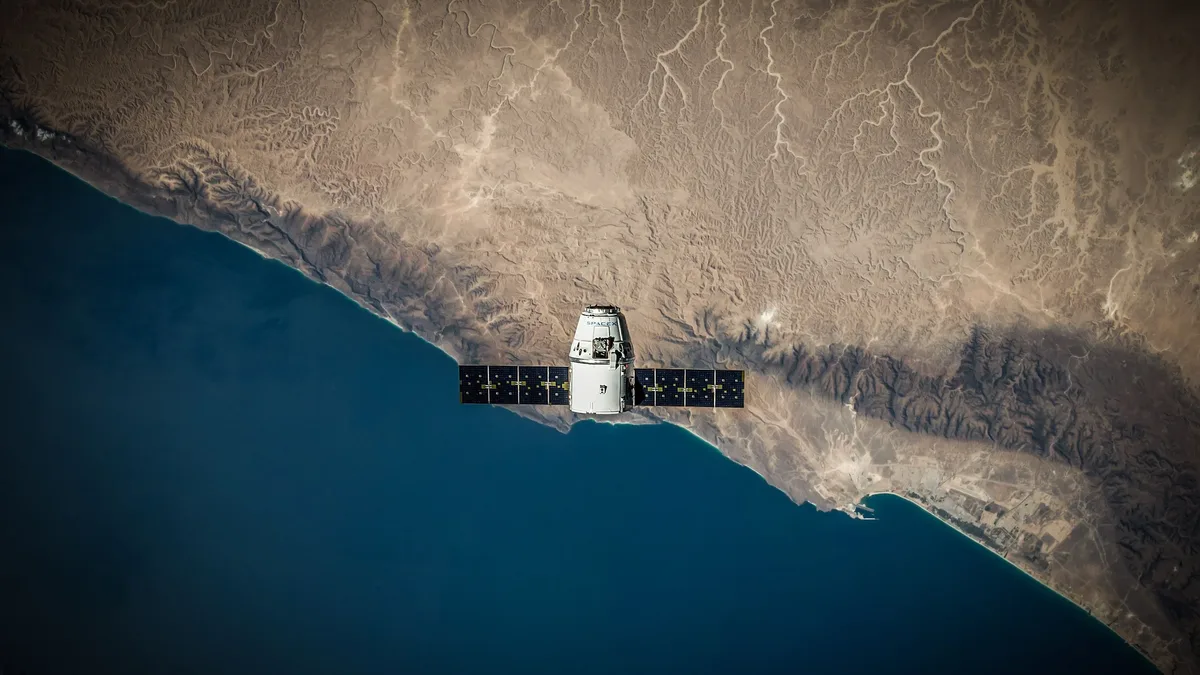
Orbital Eye is deploying its COSMIC-EYE platform to monitor the Rilland-Tilburg high-voltage connection construction from space. The Dutch satellite monitoring specialist, founded in Delft in 2012, will provide independent oversight for the grid operator TenneT.
This satellite monitoring provides an independent overview without requiring personnel at every location. The technology complements physical inspections rather than replacing them. TenneT is developing a high-voltage connection between Rilland and Tilburg with 263 electricity pylons. The project supports increasing electricity demand and the transition to a sustainable energy system in the southern Netherlands. Construction involves multiple contractors, landowners, and extensive geographical coverage.
Orbital Eye's platform detects changes including machinery movement, temporary materials, access roads, excavation, and material storage. TenneT receives weekly reports for project teams to monitor developments remotely. The company has over a decade of experience monitoring critical energy infrastructure, with prior experience in the pipeline industry now applied to electricity networks. Orbital Eye also has projects with major transmission system operators in France and Germany.
AI accessibility features enable remote monitoring
The COSMIC-EYE platform's AI accessibility tools ensure screen-reader and keyboard users can access monitoring data remotely. The website complies with WCAG 2.1 AA level accessibility guidelines and is compatible with screen readers including JAWS and NVDA. An AI-based application remediates HTML and adapts functionality for screen-readers and keyboard functions.
Screen-reader users receive automatic announcements to enable screen-reader mode and can activate adjustments by pressing Alt+1. The website uses ARIA attributes, provides accurate form labels, descriptions for actionable icons, and validation guidance. It also provides image-object-recognition-based descriptions for images and uses OCR technology to extract embedded text.
Keyboard navigation optimization includes Tab and Shift+Tab key navigation. Users can handle dropdowns with arrow keys, close them with Esc, and trigger buttons with Enter. The background process handles triggered popups by moving keyboard focus. Users can access quick-navigation via shortcuts: M for menus, H for headings, F for forms, B for buttons, and G for graphics.
The website also offers several specialized modes to enhance accessibility:
The website supports browsers including Google Chrome, Mozilla Firefox, Apple Safari, Opera, and Microsoft Edge, aiming to support over 95% of the user market share. Some pages may not be fully accessible yet, as the website is continually improving its features and technologies.
Technical capabilities for infrastructure monitoring
COSMIC-EYE detects construction changes like machinery movement and material storage to provide weekly progress reports. These weekly insights give TenneT clarity into construction progress and contractor activities. The platform is used internationally by infrastructure operators.
Arnaud van den Berg, Chief Commercial Officer at Orbital Eye, confirmed the collaboration marks the company's expansion into the electricity transmission market. This move leverages their established monitoring expertise for a new sector of critical national infrastructure.