New Canadian Space Agency chief pushes for rapid lunar robotics and procurement reform
Alexander MacDonald, former NASA chief economist, has been named president of the Canadian Space Agency. His mandate includes reforming procurement and accelerating lunar robotics projects.
Alexander MacDonald has been appointed president of the Canadian Space Agency. Industry Minister Mélanie Joly announced the appointment in Ottawa on November 8, 2026. MacDonald, a dual Canadian-U.S. citizen, succeeds Lisa Campbell, who led the CSA from September 2020 until July of this year. He previously served as NASA's first chief economist for about 17 years, a role he held until December 2024.
MacDonald helped shape NASA's Moon to Mars strategy and the Artemis program. His career at the U.S. space agency began at the Ames Research Center designing small satellite missions. He later moved to the Jet Propulsion Laboratory to work on commercial space initiatives. MacDonald also served as program executive for the International Space Station National Laboratory. NASA awarded him the Exceptional Service Medal in 2024.
Key Challenges and Recommendations
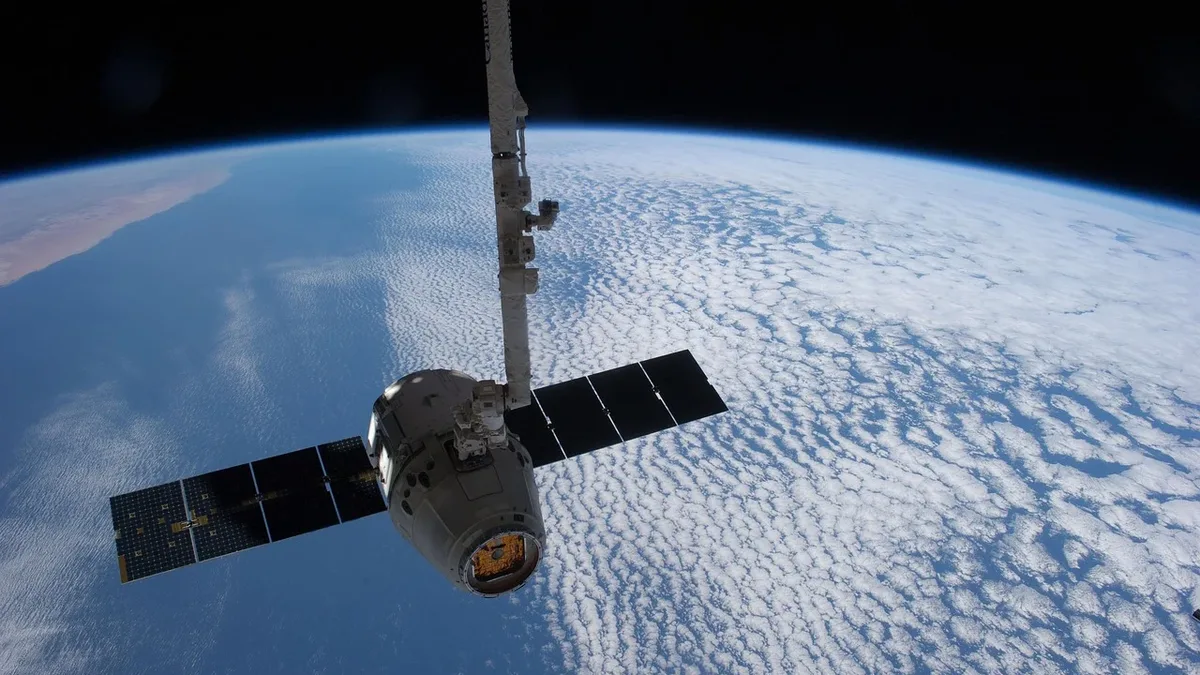
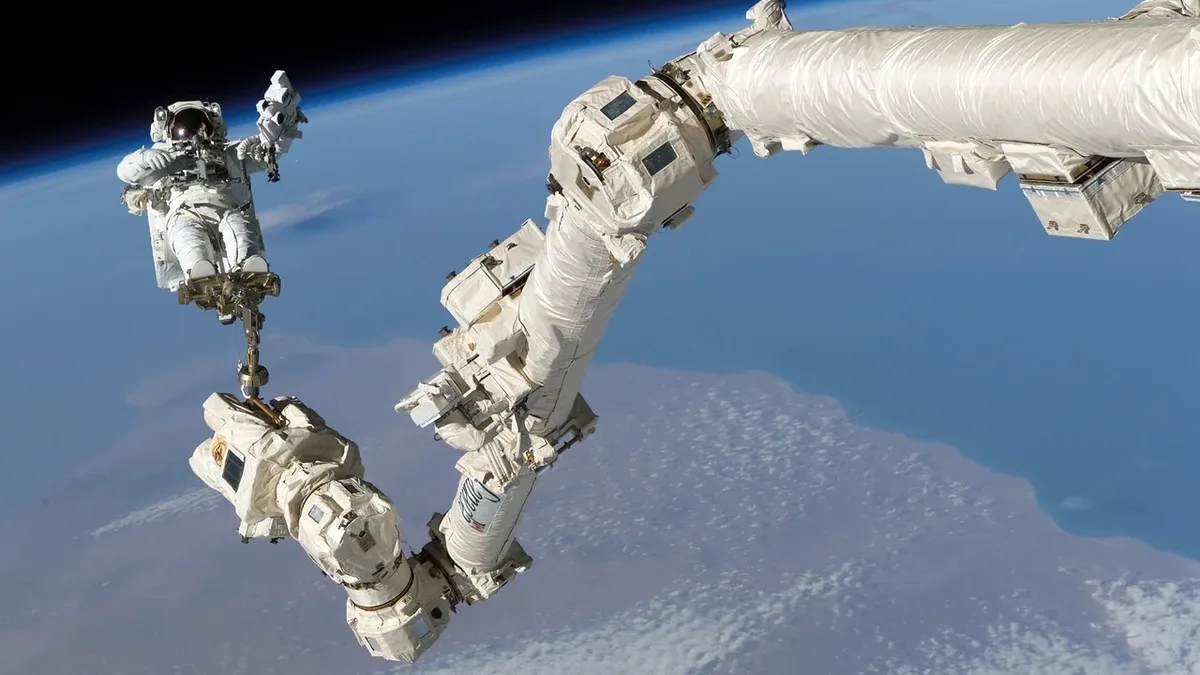
MacDonald takes the helm with urgent recommendations for Canada's lunar ambitions. At Space Canada's Horizons conference in May, he told the sector that NASA's decision to pause the Lunar Gateway left Canada's flagship contribution without a home. "NASA no longer has a clear near-term use for the Canadarm3," MacDonald said.
He recommended the CSA redirect remaining Canadarm3 funding toward surface robotics. His plan involves buying two or three rides on NASA's Commercial Lunar Payload Services landers. The goal is to test Canadian robots on the Moon in 2027 and 2028. He also advised quickly narrowing the Lunar Utility Vehicle competition to two teams. MacDonald pointed to space nuclear power, medical systems, and food production as areas where Canadian firms could claim a role in NASA's Moon base.
Reform Agenda and Member Priorities
MacDonald now takes charge of a procurement shift initiated by his predecessor. At the same Horizons conference, Campbell stated the CSA was moving toward speed and iterative development. The agency is stepping away from rigidly defined mission requirements.
At the SpaceBound event in Gatineau last month, MacDonald relayed views from about 40 Space Canada members. Members see a legitimate opportunity for Canada to lead in space-based Arctic northern infrastructure. This comes as defence spending rises. They want faster procurement and a steadier demand signal. Empowering program managers and delegating authority is a key request. Members worry that government aversion to risk with new technology sometimes leads to micromanagement.
Background and First Actions
MacDonald holds a doctorate from the University of Oxford on the long-run economic history of American spaceflight. He is the author of The Long Space Age. Since leaving NASA, he has been a senior associate with the Aerospace Security Project at CSIS.
Two weeks prior to the Horizons conference, he spoke at NordSpace's Canadian Space Launch Conference in Ottawa. He walked through Canada's rocket history from the Black Brant sounding rocket to launches at Cape Parry. This was evidence, he argued, that the country can build its own orbital launch capability. MacDonald told the conference attendees: "We all in this room, now, need to just get this done."
The announcement of his appointment occurred during a tribute event for Marc Garneau, the first Canadian to travel to space. MacDonald's first actions will focus on implementing his recommended shifts in lunar robotics procurement. He prioritizes redirecting funds and securing commercial lunar payload slots.