United Launch Alliance
| Founded | 2006 |
|---|---|
| Headquarters | Centennial, Colorado, USA |
| Primary launch vehicles | Atlas V, Delta IV Heavy, Vulcan Centaur |
| Launch sites | Cape Canaveral Space Force Station, Vandenberg Space Force Base |
| Core business | Launch services for U.S. government and commercial payloads |
| Ownership | Joint venture of Boeing and Lockheed Martin |
| Vehicle manufacturing | Decatur, Alabama |
Overview
United Launch Alliance is a joint venture formed to provide reliable launch services for the United States government. It operates as a primary contractor for critical national security and scientific missions, ensuring access to space for payloads deemed vital to national interests. The company's launch vehicles are designed to deliver spacecraft into precise orbits with a high degree of reliability and schedule certainty. Its core customer base includes the U.S. Department of Defense, NASA, and the National Reconnaissance Office, alongside a limited number of commercial satellite operators. The company's operations are centered on the integration and launch of its vehicles from established spaceports in Florida and California. ULA's fleet has historically consisted of the Atlas V and Delta IV rocket families, though it is transitioning to a new, fully domestic vehicle.
History
United Launch Alliance was formed in the mid-2000s as a joint venture between two major aerospace defense contractors, Boeing and Lockheed Martin. Its creation consolidated the U.S. government's primary launch service providers for heavy and medium-lift missions into a single entity. This merger was driven by a U.S. government desire to ensure assured access to space and to stabilize the domestic launch industrial base for national security needs. The company inherited the Atlas rocket lineage from Lockheed Martin and the Delta rocket lineage from Boeing, both families with decades of prior development and flight history. For many years following its formation, ULA maintained a virtual monopoly on launches for the U.S. military and many NASA science missions due to its reliability and the lack of certified competitors. This period solidified its reputation for mission success but also drew scrutiny regarding launch costs and the need for ongoing innovation.
How it works today
The company currently manages a phased transition from its legacy Atlas V and Delta IV vehicles to its newly developed Vulcan Centaur rocket. ULA conducts missions from two primary launch sites: Space Launch Complex 41 at Cape Canaveral Space Force Station in Florida and Space Launch Complex 3E at Vandenberg Space Force Base in California. A mission begins with the integration of the payload, often a sensitive national security satellite or a deep-space probe, with its payload fairing and adapter in a vertical integration facility. The rocket's core stages and solid rocket boosters are assembled on the launch pad using a mobile launch platform. The launch window, a specific time frame determined by orbital mechanics and mission requirements, is strictly adhered to, with countdowns designed to hold at precise points to ensure optimal conditions. Following stage separations, the Centaur upper stage, known for its precision and long coast capabilities, executes multiple burns to inject the payload into its exact target orbit.
Why it matters
ULA provides the foundational, reliable launch capability upon which U.S. national security in space depends, launching satellites essential for communications, navigation, and strategic awareness. Its vehicles have been the exclusive launch platform for numerous high-value NASA scientific missions, such as the Mars rovers and the Parker Solar Probe, enabling discoveries that would otherwise be impossible. ULA's development of the Vulcan Centaur represents a significant modernization effort, replacing Russian-supplied engines with American-made alternatives and introducing new manufacturing techniques to improve performance and cost efficiency. Its role ensures that the U.S. government maintains independent, guaranteed access to space without reliance on foreign launch providers for its most critical missions. The company's launch infrastructure and experienced personnel constitute a vital national asset for space operations.
Common misconceptions
A common misconception is that ULA is a slow-moving, non-innovative entity solely due to its historical reliance on legacy systems; in reality, its operational focus has been deliberately on extreme reliability for government customers, a priority that often precludes rapid, iterative design changes. Another is that its rockets are inherently and unnecessarily expensive, without acknowledging that its pricing historically reflected the full cost of maintaining dedicated launch infrastructure, personnel, and mission assurance processes required for unique government missions with zero tolerance for failure. Some believe the company's joint venture structure stifled competition, whereas it was a direct response to U.S. government policy seeking to consolidate a then-fragile industrial base for assured access to space. It is also incorrect to assume ULA uses foreign technology exclusively; while the Atlas V used Russian-made RD-180 engines for its first stage, the Delta IV and the new Vulcan Centaur use American-produced propulsion systems. Finally, the perception that ULA is not a significant player in the modern launch market overlooks its deep backlog of high-priority government missions and its pivotal role in launching elements for commercial satellite constellations like Project Kuiper.
Latest United Launch Alliance news
Latest reporting
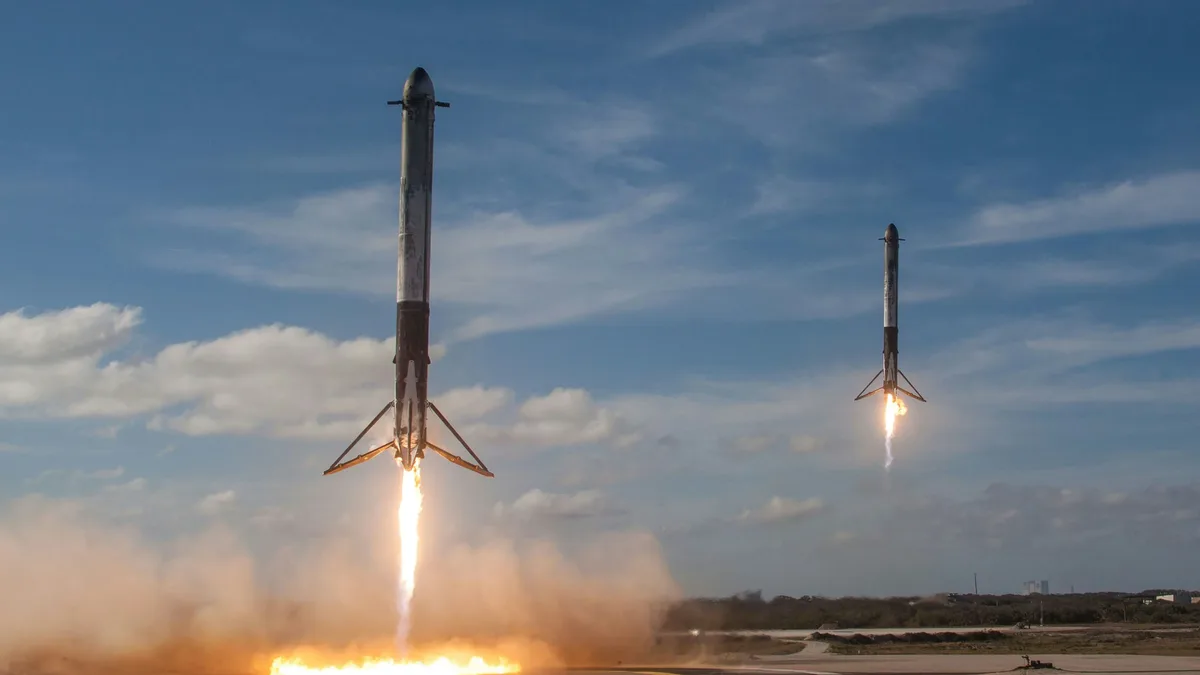
SpaceX Recovers Starship Upper Stage in First Full Reusability Test
SpaceX successfully caught a returning Starship upper stage with its launch tower arms.
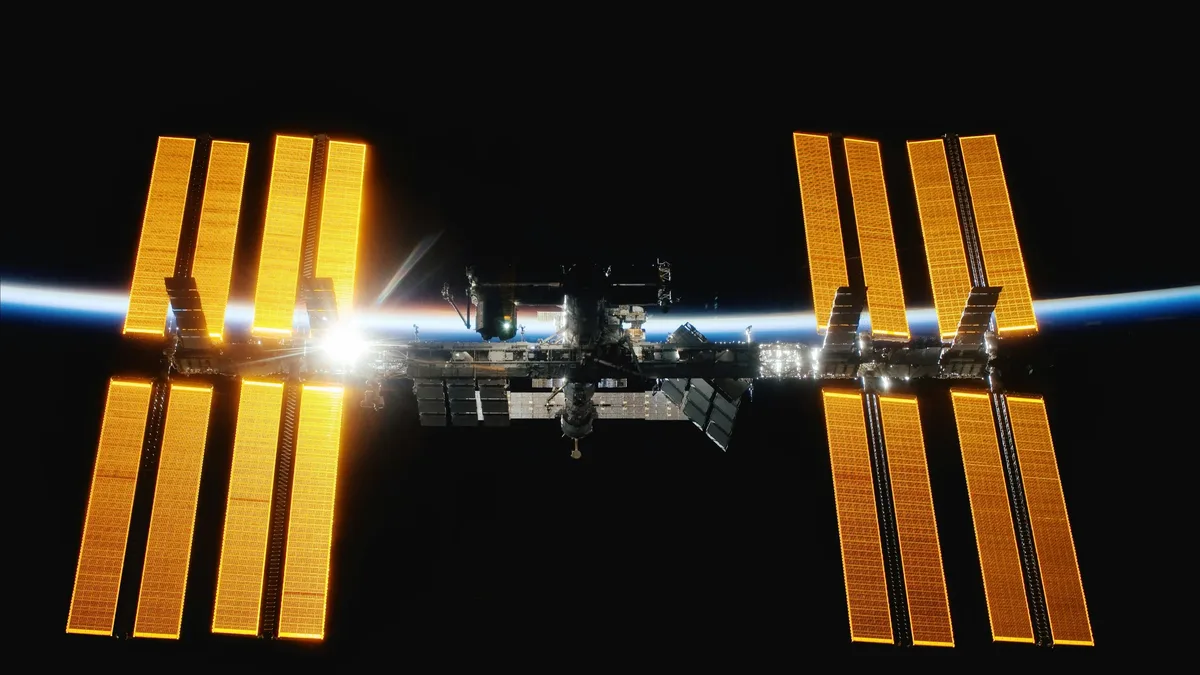
Gilat Satellite Networks lowers 2026 outlook on launch delays
Gilat Satellite Networks cut its 2026 revenue forecast due to persistent launch delays impacting satellite deliveries and commercial demand.
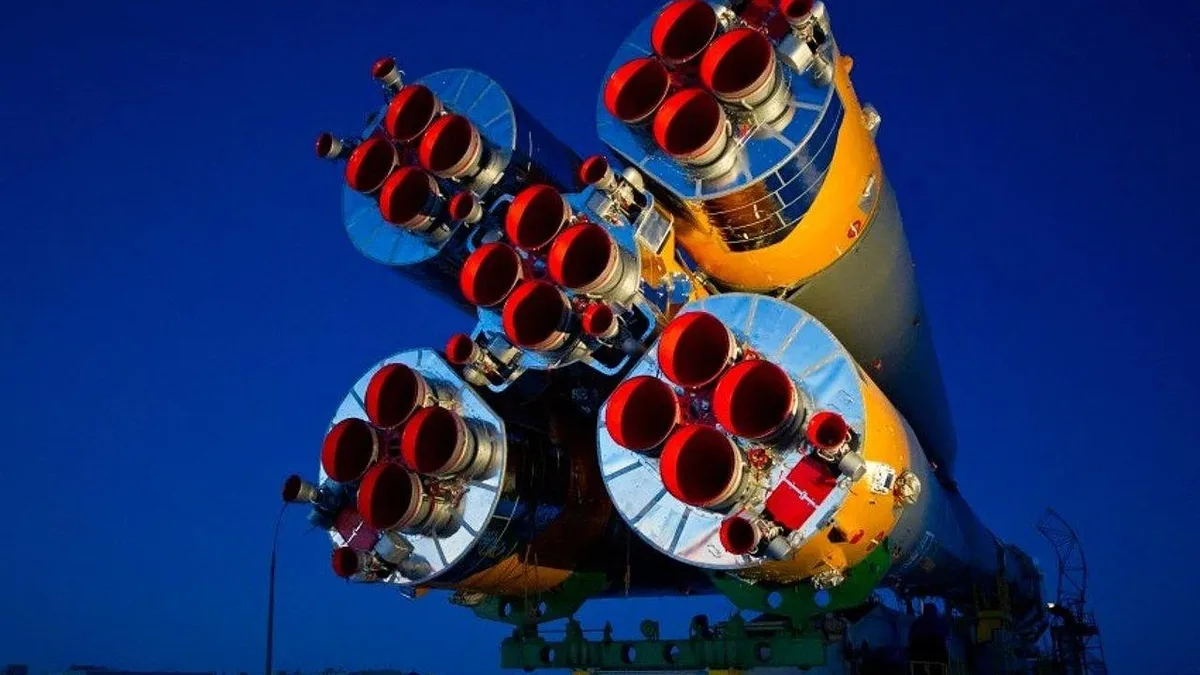
Rocket Lab Books Eight Neutron Launches in Q3 for Over $515 Million
Rocket Lab secured eight new Neutron launch contracts worth over $515 million in Q3 2026, expanding its backlog to a record $3.6 billion despite a...
Firefly Alpha to Launch 20 Synspective SAR Satellites
Firefly Aerospace will conduct up to 10 dedicated Alpha Block II launches for Synspective, each carrying two StriX synthetic aperture radar...
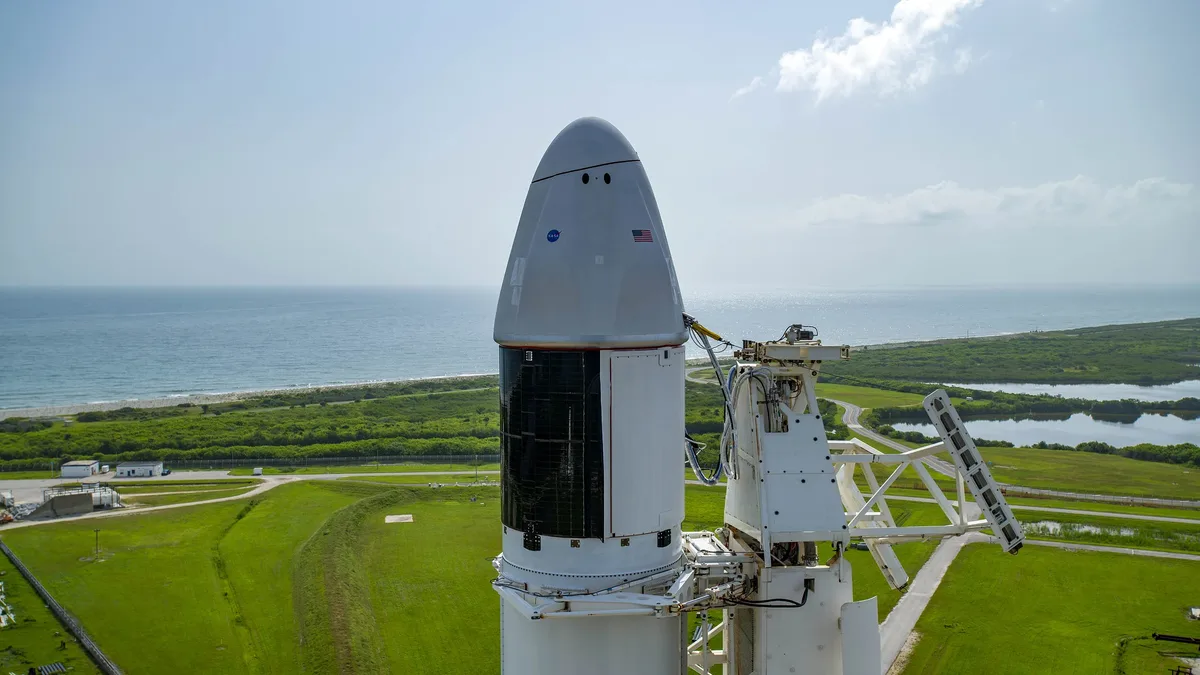
Canada's budget funds medium-lift rockets for post-Falcon 9 gap
Canada's new federal budget allocates funding to expand sovereign launch capability from small to medium-lift rockets, targeting a market gap...
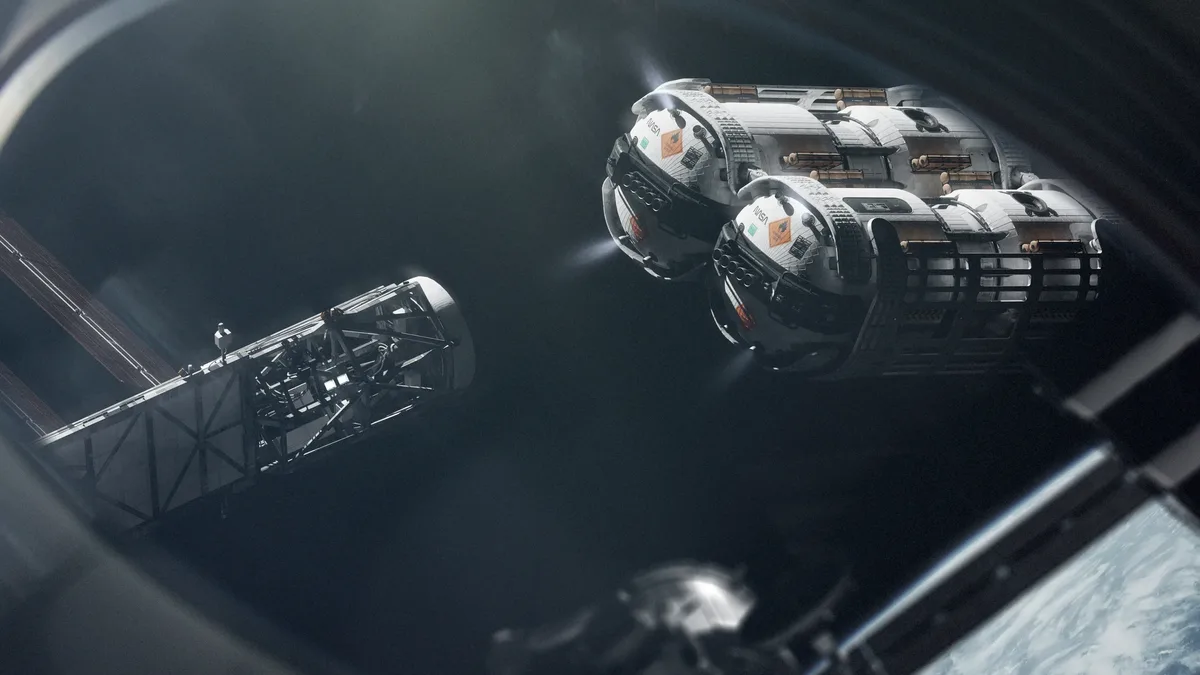
ESCAPADE spacecraft complete Earth flybys en route to Mars
NASA's twin ESCAPADE smallsats have successfully executed powered Earth flybys, using the Oberth effect to begin their journey to Mars and...