Canada's budget funds medium-lift rockets for post-Falcon 9 gap
Canada's new federal budget allocates funding to expand sovereign launch capability from small to medium-lift rockets, targeting a market gap expected from SpaceX's Falcon 9 retirement.
Canada's federal budget allocates funding to develop medium-lift rockets, aiming to fill a market gap created by SpaceX's planned Falcon 9 retirement. Finance Minister François-Philippe Champagne tabled the five-year spending plan, valued at C$142 billion, on Thursday, expanding the defence department's Launch the North initiative.
The budget confirms a goal to develop medium-lift launch vehicles as part of a defence industrial package worth up to $2.7 billion over five years. This shifts the Launch the North program's focus beyond its initial light-lift rockets. The initiative aims to support sovereign rockets flying from at least two nascent spaceports on Canada's east coast.
Defense funding for launch infrastructure
The Department of National Defence has committed significant funding for launch pad infrastructure. It signed a 10-year, $200 million lease for a dedicated launch pad at Maritime Launch Services' Spaceport Nova Scotia near Canso, N.S. A separate $20 million standby agreement is in place with NordSpace for its Atlantic Spaceport Complex in St. Lawrence, N.L.
These agreements secure infrastructure for future launches. The funding is part of broader defence spending, with core allocations set at $451 billion over five years on a cash basis.
Small rocket development timeline
Small rockets are scheduled to launch by 2028 as part of the initial phase of sovereign launch capability. Launch the North started in 2026 with an initial C$25 million for small rocket development by three companies.
In March, the defence department selected NordSpace, Canada Rocket Company, and Reaction Dynamics for $8.3 million each. Their task is to develop a small rocket capable of reaching orbit on four days' notice by 2028. Minister of National Defence David McGuinty emphasized this is just the beginning. He stated, "Small rockets are 'where we start; they're not where we stop.'"
Medium-lift market opportunity
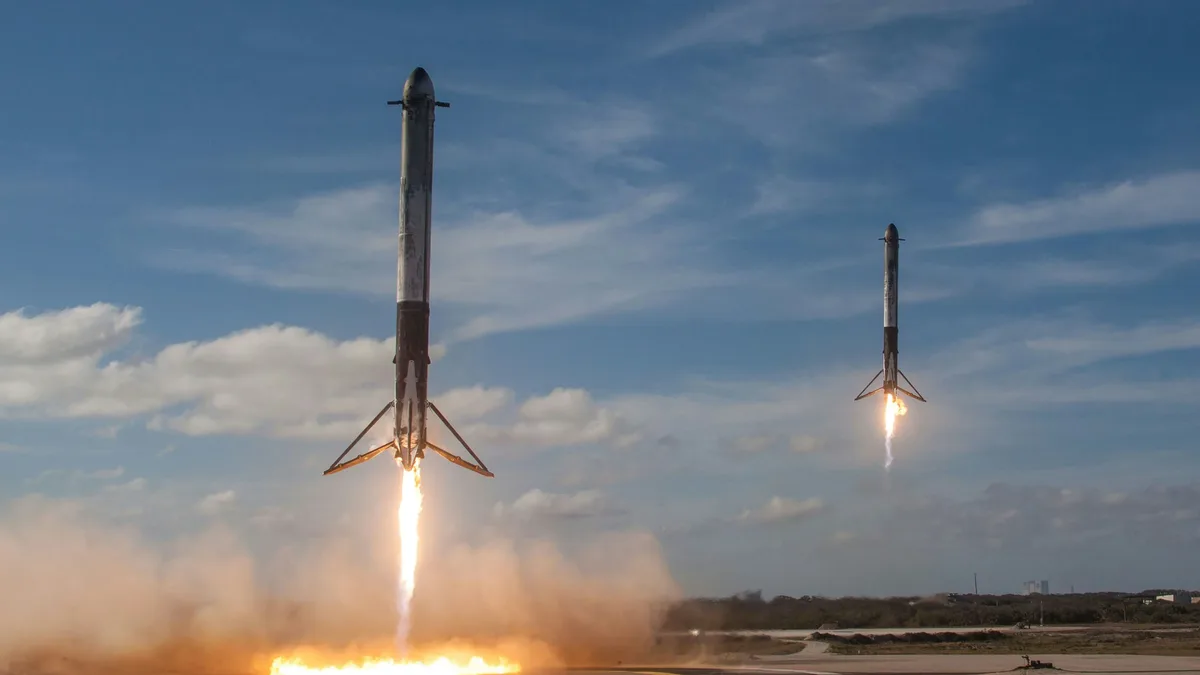
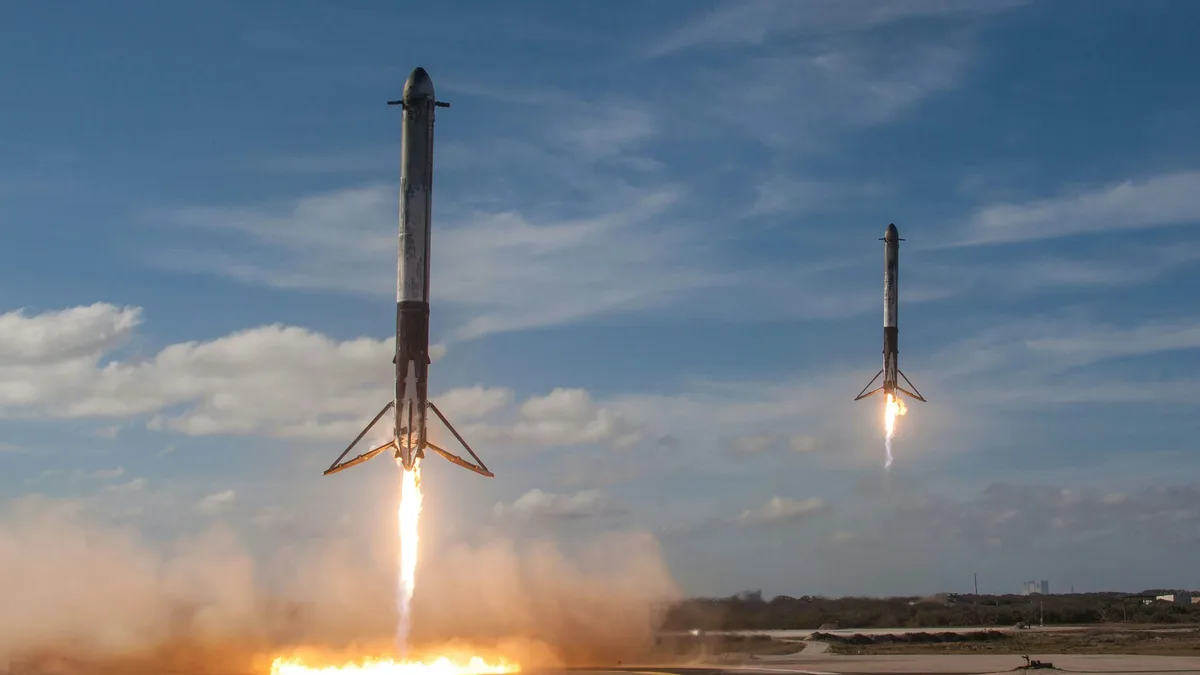
SpaceX's planned wind-down of its Falcon 9 rocket has increased the need for a Canadian medium-lift launch option. The expected retirement is projected to create a market gap in the medium-lift category, which Canada's new budget aims to address.
Canada's Defence Industrial Strategy formally lists launch capability as one of its top seven priorities. The three companies involved in small rocket development have already discussed or unveiled medium-lift rocket prototypes. Reaction Dynamics, for instance, unveiled Borealis, a six-tonne rocket targeted for 2031.
The $2.7 billion defence package supporting this effort is drawn from previously announced funding and is directed across seven priorities.
The budget does not specify how much of this total the launch capability priority will receive. The Canadian Space Agency, listed among the seven priorities, runs a Space Technology Development Program credited with a strong return on investment. Last year's budget allocated $182.6 million over three years to the defence department for establishing sovereign launch, and a $105 million challenge was opened through the Innovation for Defence Excellence and Security program.
Medium-lift rocket development is expected to begin in earnest after the 2028 small rocket launch milestone is achieved.