ESCAPADE spacecraft complete Earth flybys en route to Mars
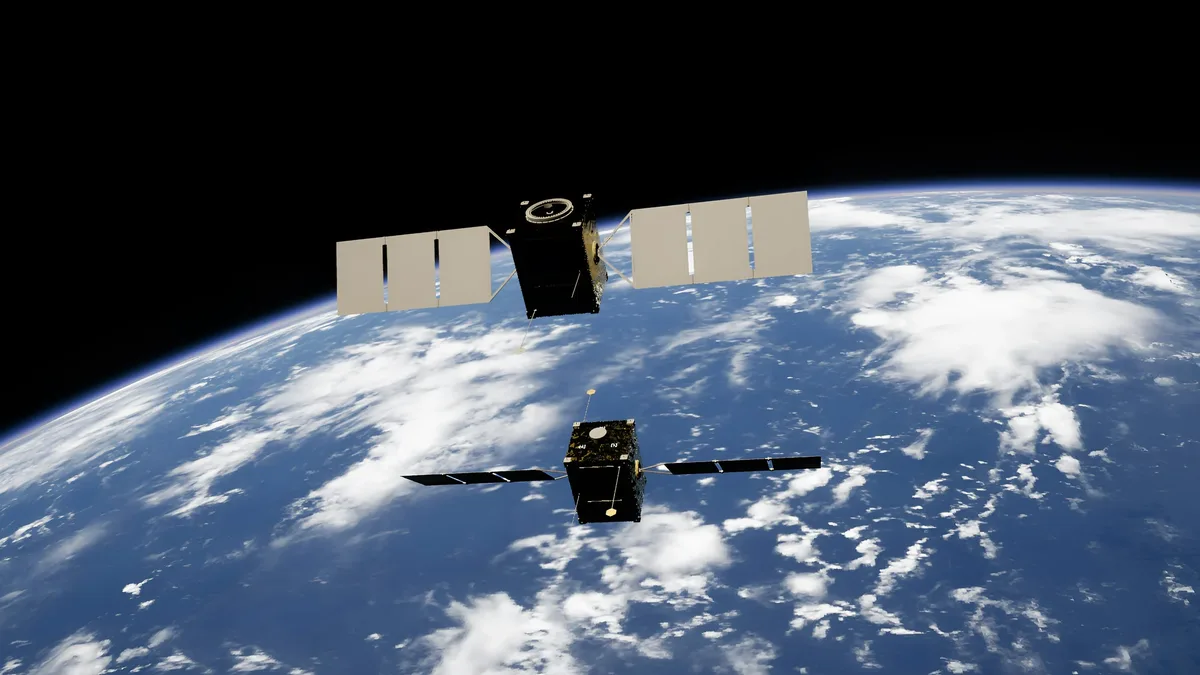
NASA's twin ESCAPADE smallsats have successfully executed powered Earth flybys, using the Oberth effect to begin their journey to Mars and demonstrating a flexible launch strategy that bypasses traditional two-year planetary alignment windows.
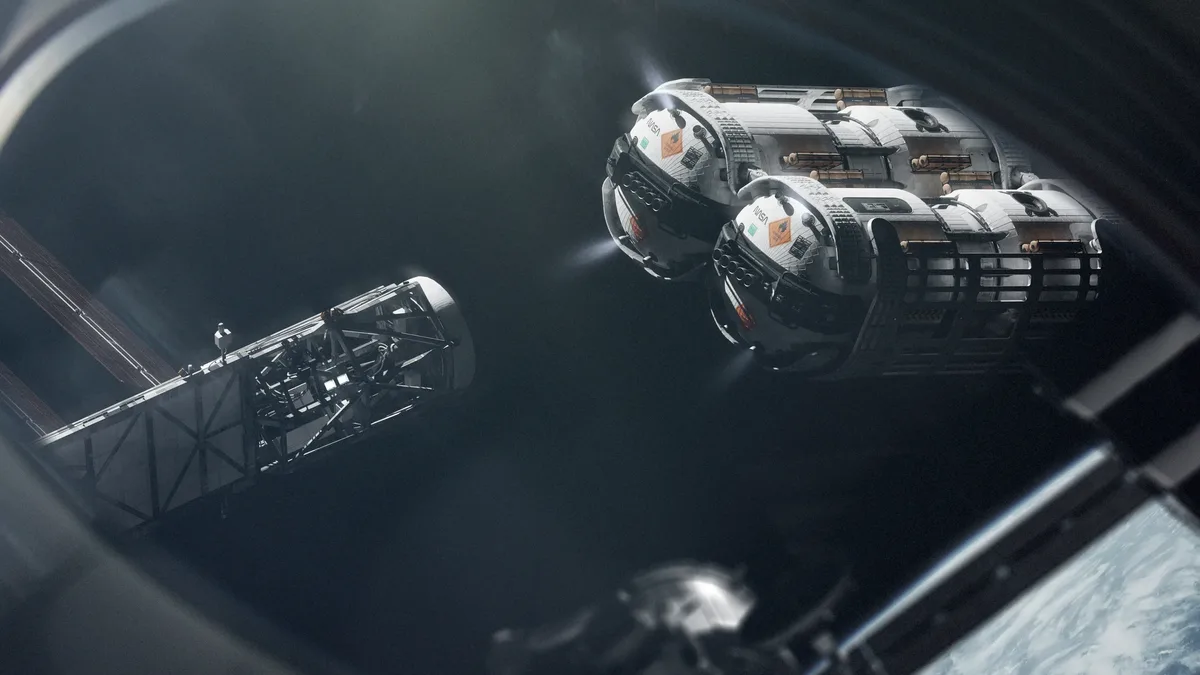
NASA's ESCAPADE mission has successfully completed dual powered Earth flybys, propelling two smallsats toward Mars. The spacecraft executed the critical maneuvers in November 2025.
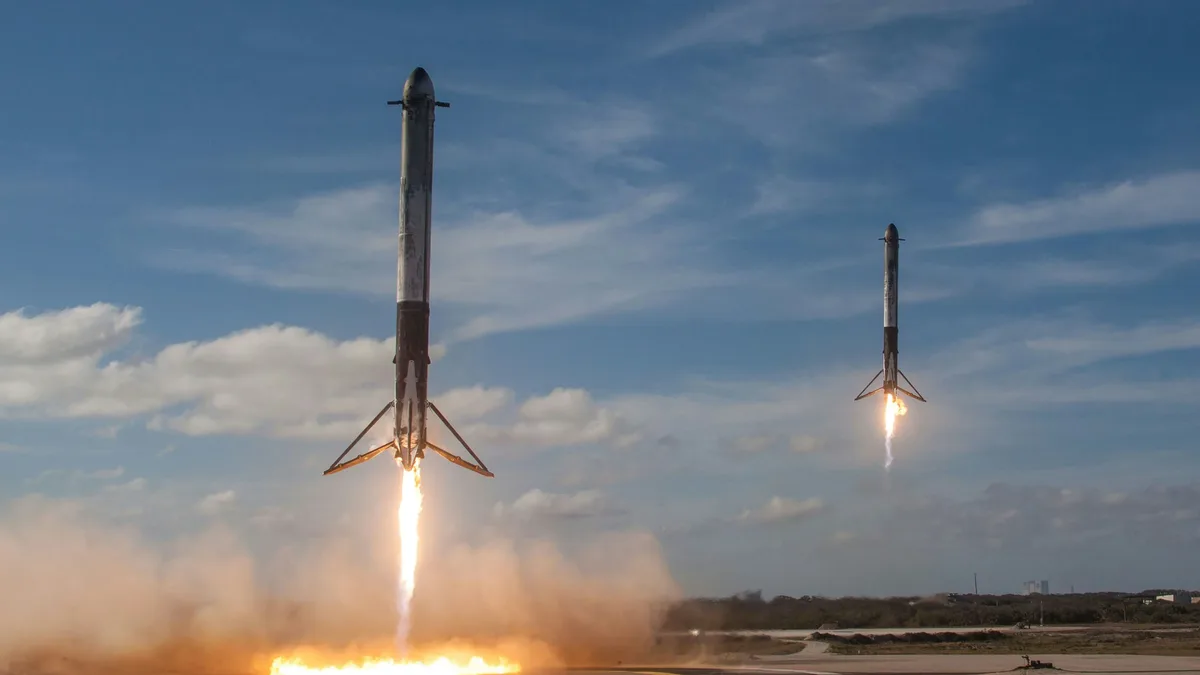
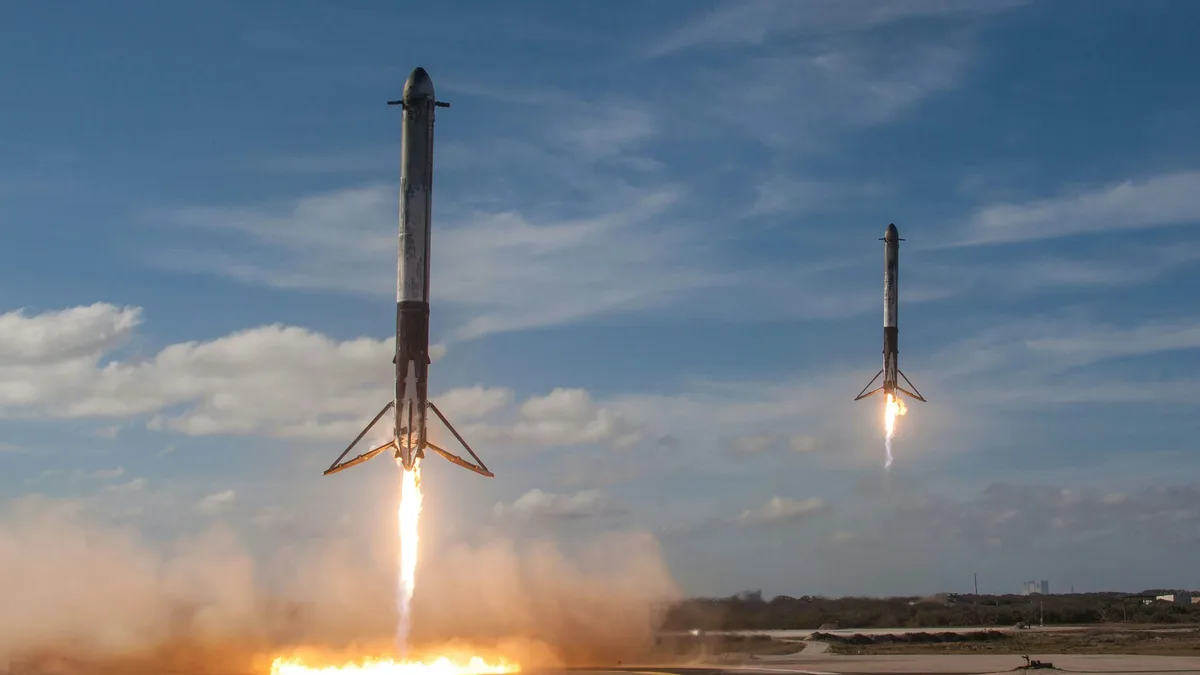
Asal Naseri, acting associate flight director in NASA's heliophysics division, stated the maneuver was executed flawlessly twice in two days. The two refrigerator-size spacecraft, nicknamed Blue and Gold for UC Berkeley's school colors, are now on a 10-month cruise to Mars. They launched from Cape Canaveral Space Force Station on November 13, 2025, aboard the second flight of Blue Origin's New Glenn rocket, whose booster landed safely after launch.
Launch and trajectory details
The two ESCAPADE probes completed their powered flybys on separate days at different altitudes. Each fired its engine for about nine minutes during closest approach to maximize performance using the Oberth effect.
| Spacecraft | Flyby Date & Time (EST) | Altitude |
|---|---|---|
| Blue | 5 a.m., November 7, 2025 | ~1,000 miles (~1,600 km) |
| Gold | 6 a.m., November 9, 2025 | ~650 miles (~1,050 km) |
The trajectory, developed by Advanced Space, involved the spacecraft loitering near the Earth-sun L-2 Lagrange point for nearly a year before the final Earth maneuver. This innovative approach provides the flexibility to launch to Mars almost anytime, rather than waiting for optimal planetary alignment every two years. The trans-Mars injection burns increased each spacecraft's speed by more than 1,000 miles per hour.
Mars arrival and science plan
Both spacecraft are on course to reach Mars in September 2027. They will arrive two days apart, with orbit insertion burns currently planned for September 7 and September 9. Each will fire its engine for about 11 minutes to slow down and enter orbit.
Science operations are scheduled to begin in June 2028. The twin spacecraft will initially fly in formation in the same orbit, separated by up to 30 minutes to measure variations in space weather. After five months, they will shift into separate orbits for a coordinated science campaign. One probe will observe incoming solar wind, while the other simultaneously studies Mars' response. This will be the first mission to choreograph two orbiters around Mars for such simultaneous, multi-point observations.
The mission aims to study how the solar wind interacts with Mars' hybrid magnetic environment-a combination of solar-induced and localized crustal remnant fields from an ancient global field. By measuring solar particles and the Martian atmosphere around these remnant magnetic regions, ESCAPADE will help scientists understand how Mars lost its atmosphere and magnetosphere. The spacecraft will also study the dynamics of the solar wind between Earth and Mars during their cruise.
Mission significance
ESCAPADE represents NASA's last remaining investment in the SIMPLEx (Small Innovative Missions for Planetary Exploration) program. Selected for development in 2019 alongside the Janus and Lunar Trailblazer missions, it is now the sole survivor. NASA canceled Janus in 2023 due to Psyche mission delays, ended Lunar Trailblazer in 2025 after a malfunction, and canceled LunaH-Map and Q-PACE due to launch failures. The agency has not solicited new SIMPLEx proposals due to budget pressures.
The mission is led by the University of California, Berkeley's Space Sciences Laboratory and funded by NASA's Heliophysics Division. Key partners include Rocket Lab, NASA's Goddard Space Flight Center, Embry-Riddle Aeronautical University, Advanced Space, and Blue Origin. With a total cost under $80 million, the mission is about 10% the cost of a typical Mars spacecraft, offering cost-effective planetary science.
Rob Lillis, principal investigator for ESCAPADE, confirmed the engine burns were executed perfectly. The spacecraft will complete their 10-month cruise to Mars with a series of trajectory correction maneuvers before executing the critical orbit insertion burns in September 2027.